Picture someone standing in a kitchen in Mirdif on a Tuesday in September. The last suitcase went to the airport on Sunday. The youngest is in Manchester now, the eldest in Toronto, and the family group chat has become the main event of the day. The house is tidy in a way it has not been for twenty years. There is nobody to drive anywhere at quarter past seven.
This person has lived in Dubai since the late nineties. They remember when the drive to Jebel Ali felt like leaving the city. They have been to more farewell dinners than they can count, and somewhere along the way most of the people they used to call on a Friday have gone home: to Kerala, to Beirut, to Surrey, to Cape Town. Nobody fell out. The city just kept moving and they stayed.
If some of that sounds familiar, this post is for you. It is not about filling time. It is about the fact that after 50, in this city, making new friends is not only possible but in some ways easier than it has been for decades. It just needs a different approach from the one that worked at 30.
Several things change at once
Friendship in midlife tends to be scaffolded by other things. The school gate, the office, the compound pool, the parents of your children's friends. You did not choose most of those people so much as keep bumping into them, and some of them became genuinely close. Then, over two or three years, the scaffolding comes down. The children leave for university abroad. Work winds down, or changes shape into consulting and part-time. A partner takes a posting that keeps them travelling. And the long-stayer's particular grief arrives: the friends who made Dubai feel like home have, one by one, made their own homes somewhere else.
None of these is a crisis on its own. Together they can leave a surprisingly empty week. It helps to name it plainly, because the feeling it produces is easy to mistake for something being wrong with you. Nothing is wrong with you. The structures that used to deliver friends have stopped delivering them, and you now have to build a new one on purpose.
What you have now that you did not have at 30
Here is the part people underestimate. You have time, or at least more of it than you did. You can go for a walk at nine on a Wednesday morning, which in Dubai is a genuine luxury when the weather turns in October. You can say yes to a Sunday lecture without negotiating childcare.
You also have a kind of confidence that younger people are still working towards. You know what you like. You no longer go to things because you think you ought to. You are unlikely to spend an evening pretending to enjoy a club night. That clarity is an advantage, because the fastest route to friendship is doing something you would do anyway, with other people who chose it for the same reason.
And you are, frankly, good company. You have stories, you listen better than you did, and you are less anxious about whether people like you.
Why the arithmetic still matters
The research on friendship does not change with age, and it is worth knowing. Jeffrey Hall at the University of Kansas estimated that it takes around 50 hours together to move from acquaintance to casual friend, around 90 to become a friend, and more than 200 for a close one. There is more on that in our post on how long it takes to make a friend. The number is not a rule, but it makes one thing obvious: a single lovely lunch will not do it. Repetition will.
The sociologist Rebecca Adams, who has spent much of her career studying friendship in later life, describes three conditions that friendships have always depended on: being near each other, meeting again and again without having to plan it, and a setting relaxed enough to confide in. The school gate gave you all three for free. Your job now is to find something that gives you all three again.
Mornings, and the same path every week
From October to April, Dubai mornings are some of the best anywhere, and they are full of people who are not in a hurry. Creek Park, Zabeel Park, Mushrif Park, the running track around Al Barsha Pond Park, the beach path at Kite Beach and Umm Suqeim: all of them have regulars who walk the same loop at the same hour.
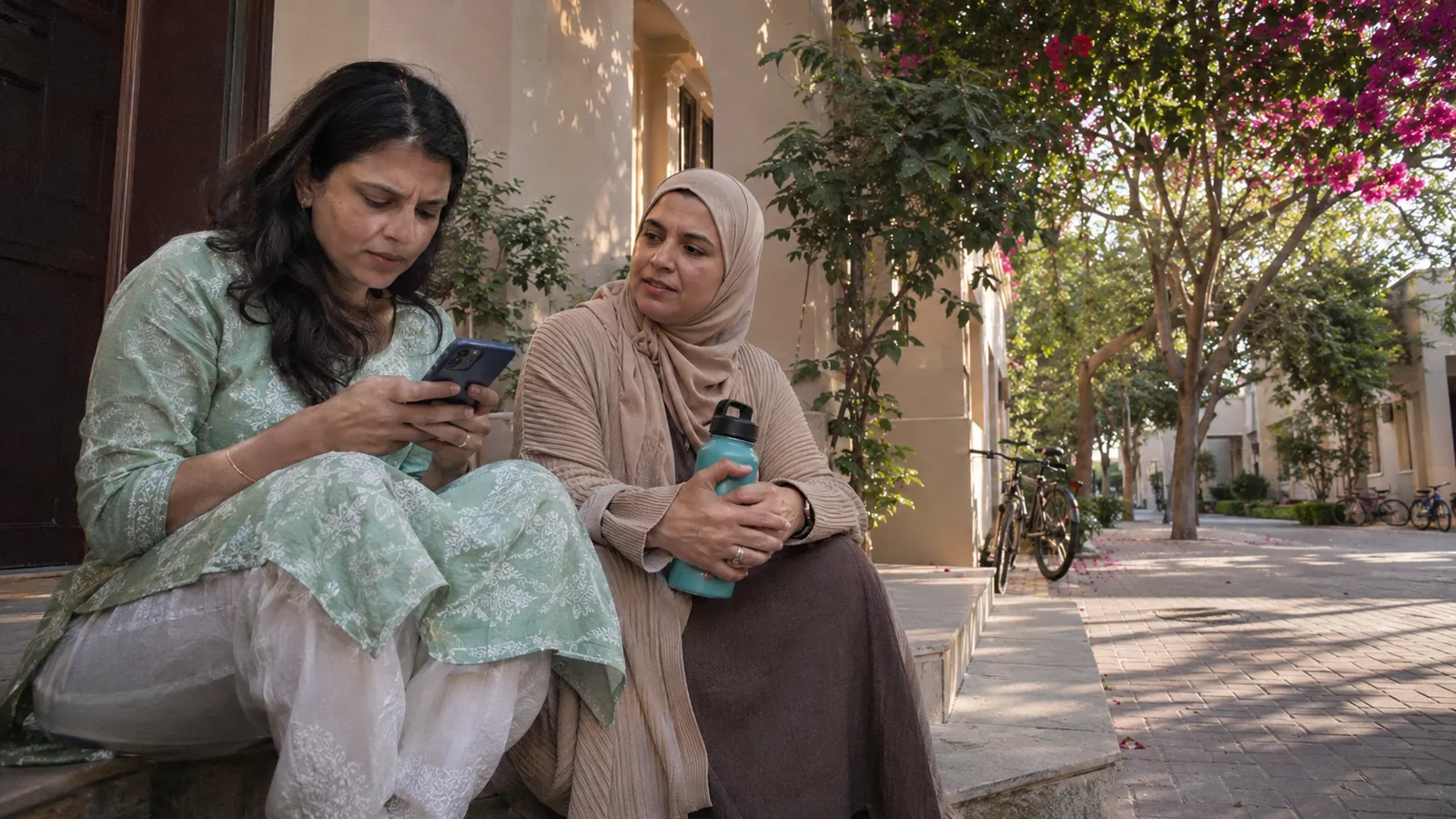
The trick is to become one of them. Pick a place and a time and keep it. Week one, you are a stranger. Week four, there are nods. By week eight somebody asks whether you are training for something, and you laugh and say no, you just like the morning, and that is a conversation. Walking side by side is also the easiest way to talk to someone new. Nobody has to hold eye contact, and there is always the view when a sentence runs out. If you want ideas for where to go, our guide to walking and running spots in Dubai has plenty.
Books, classes and the pleasure of being a beginner
A book group is close to the perfect friendship machine. It meets on a regular date, it has a built-in subject, and within two or three meetings you know more about how people think than a year of small talk would tell you. There are groups that meet in cafés, in bookshops and at the Mohammed Bin Rashid Library by the Creek, and each February the Emirates Airline Festival of Literature fills a week with talks where it is easy to strike up a conversation in a queue.
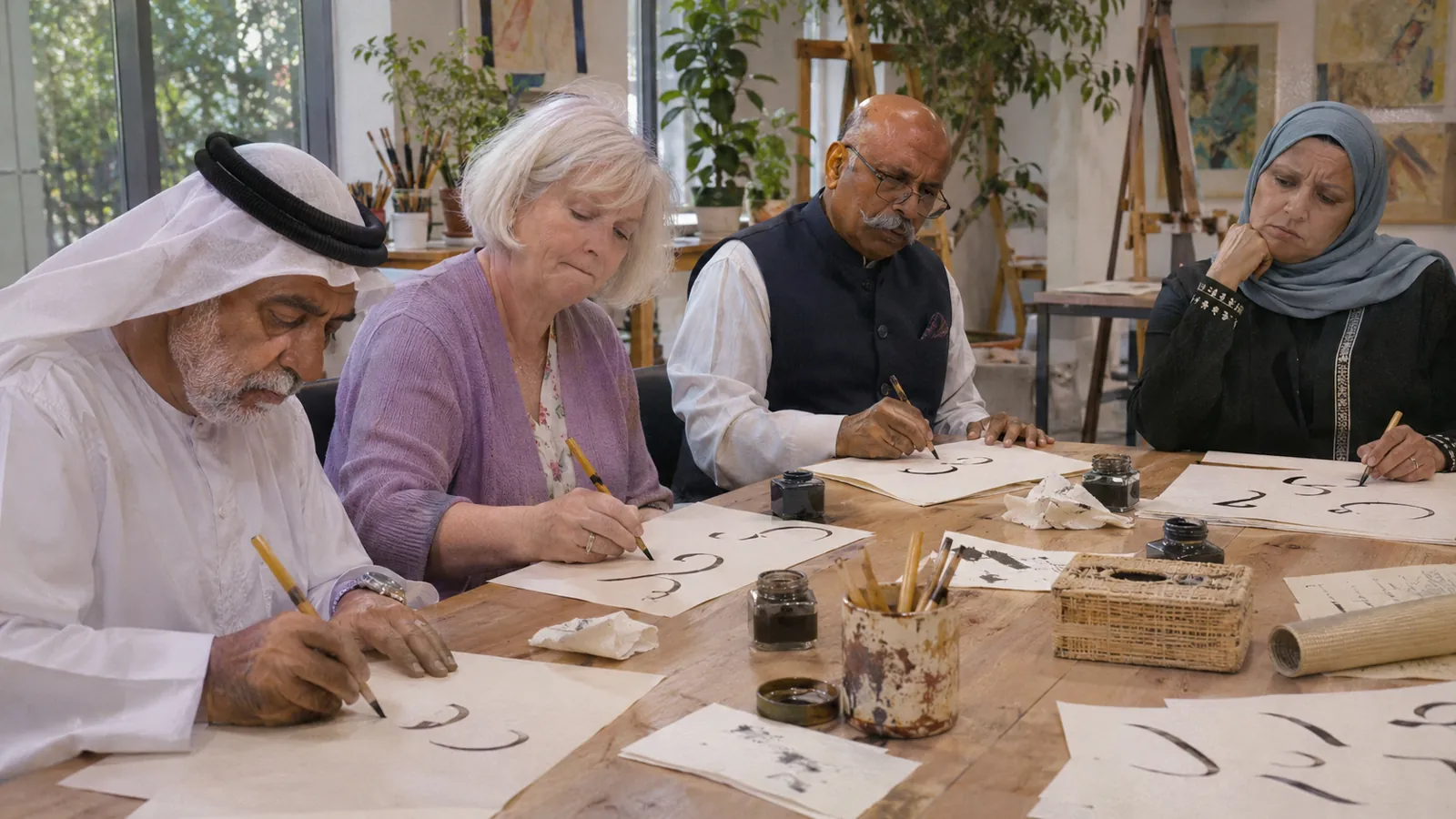
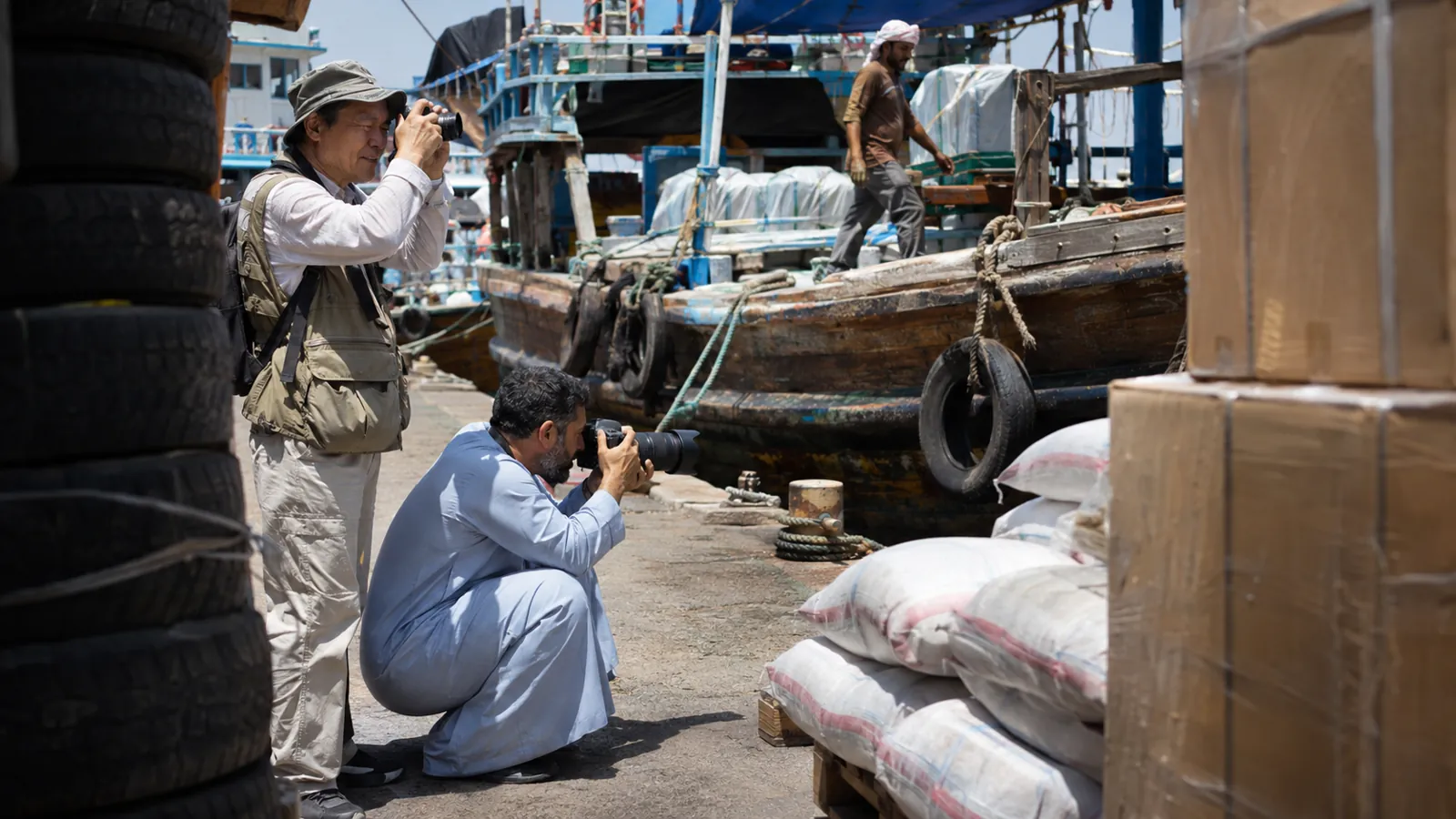
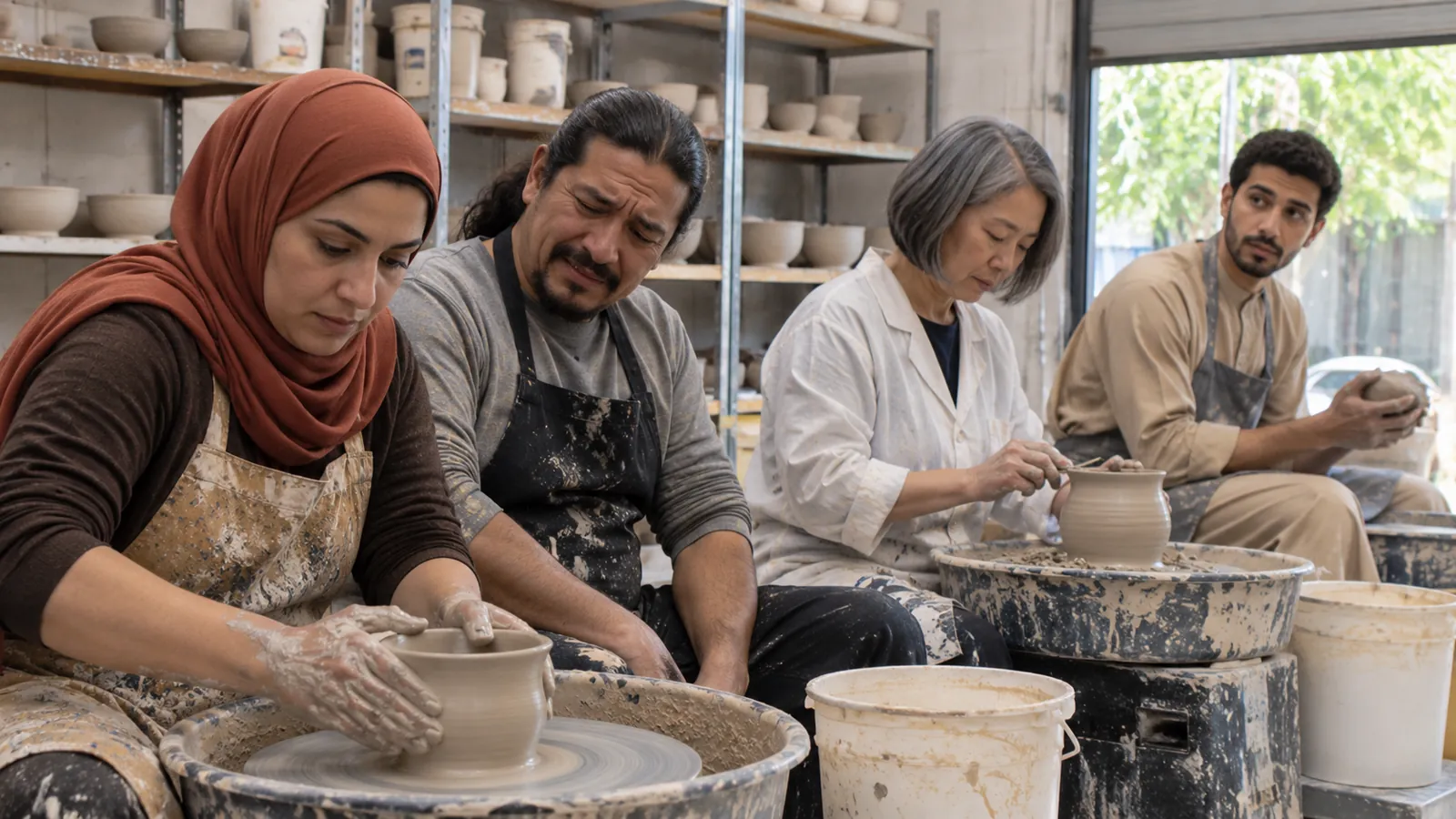
Classes work for the same reason. Arabic, watercolour, pottery, photography, a course on Islamic art: the subject matters less than the format. Choose something that runs for six or eight weeks with the same group rather than a drop-in session. There is also something quietly freeing about being bad at something new in your fifties. You are no longer protecting a reputation. Everyone laughs at the lopsided bowl together, and laughing together is most of friendship.
Alserkal Avenue in Al Quoz is worth a regular slot too. The galleries are free, openings are relaxed, and an exhibition gives two strangers something to talk about that is not themselves.
Volunteering, and being useful again
For many people, the part of work they miss most is not the work. It is being needed, and being part of a team with a shared job. Volunteering gives you both. Beach clean-ups, animal shelters, food distribution in Ramadan, reading programmes, community projects: there is more of it in the UAE than most people realise, and it tends to attract people who are putting down roots rather than passing through.
It also shows you who people are quickly. An hour of sorting donations in the heat tells you more about someone than a month of polite coffees.
Be the one who hosts
This is perhaps the most useful thing you can do, and it is something you are now unusually well placed for. Most people are waiting to be invited. Very few are doing the inviting, and the ones who do become the centre of their own small world almost by accident.
It does not need to be a dinner party. Coffee on a Saturday for four people from the walking group. A pot of tea and a film. A standing invitation for the book group to meet at yours in the cooler months. Keep it small and keep it regular. Our post on how to host a small meetup has the practical detail. The point is that you have a flat or a villa that is quieter than it used to be, and you have the evenings. Use them.
Mix the ages
One more thing, and it matters. Do not only look for friends your own age. Some of the best friendships in this city cross twenty or thirty years in either direction: a young architect from the photo walk who wants to hear what Deira was like in 1998, a newly arrived teacher who needs to know which supermarket sells proper bread, a retired engineer of 70 who still out-walks everyone.
Younger friends keep you current and curious. You give them perspective, and a sense that the city has a memory. Everyone gains. Interest groups are good at this, because the thing you share is the book or the walk, not the decade you were born in.
Where TruFriend fits
TruFriend is built for the moment the old scaffolding comes down. Tru, our assistant, learns what you enjoy, when you are free (including those weekday mornings most apps assume nobody has) and how far you will travel, then introduces a few people nearby who fit, with the reasons you might get on. A conversation opens only when both of you say yes.
Circles supply the repetition. They are small groups around one interest, such as books, walks and runs, and art and culture, with a quick question every week so you know a little about people before you meet. Any member can start a plan with a day, a time, a public place and a number of spaces, and others join until it is full, which makes it an easy way to be the one who hosts. When you find yourself with a free afternoon, "Free today" lets your circle know at short notice. Every member's photo is checked, so everyone is a real person.
Friendship only, for grown-ups aged 18 and over, and free for founding members. Join TruFriend: it takes a minute.
Don’t just read about it
Join a circle of people in Dubai who enjoy the same things. Members already on TruFriend can join from the app or suggest a plan in any chat.
 Book loversA friendship circle for readers in Dubai: talk about books, swap recommendations and visit libraries and bookshops together.
 Walkers & runnersA friendship circle for people who like morning walks, evening runs and beach paths in Dubai. Find a regular partner at your own pace.
 Art & cultureA friendship circle for galleries, museums, theatre and live music in Dubai. Find people to see shows and exhibitions with.
Where to meet in Dubai
Public places picked for small groups of 3 to 10, sorted by interest and area.
Keep reading
 FriendshipHow to say no to a plan without losing the friend
 CirclesPhoto walks: seeing Dubai through a lens, with someone
 IdeasDubai Fitness Challenge: 30 days to meet people who move
 FriendshipWhen a new friendship feels one-sided
 CirclesBook clubs in Dubai: how to join one, or start one that lasts
 CirclesWhy padel is Dubai's friendship machine
 FriendshipFriends across cultures: when your new friend grew up somewhere else
 CirclesLearning a language to make friends: the language exchange way
 IdeasMaking friends through volunteering in Dubai
 New in townMaking friends in Dubai when you work from home
 FriendshipMaking friends as a parent in Dubai, beyond the school gate
 IdeasDubai's outdoor season: plans with friends from the desert to the mountains
 ResearchWhy friendships fade, and how to rescue one before it goes
 FriendshipMaking friends as a couple in Dubai (and keeping friends of your own)
 CirclesWhy a board-game night turns strangers into friends
 FriendshipMaking friends in your 30s and 40s in Dubai, when everyone seems busy
 FriendshipMaking friends in Dubai when you work long hours
 FriendshipMaking friends as an introvert in Dubai
 New in townHow to stay friends when people leave Dubai (and how to keep building your circle)
 IdeasHobbies that help you meet people in Dubai
 ResearchFrom acquaintance to friend: the follow-up habits that matter
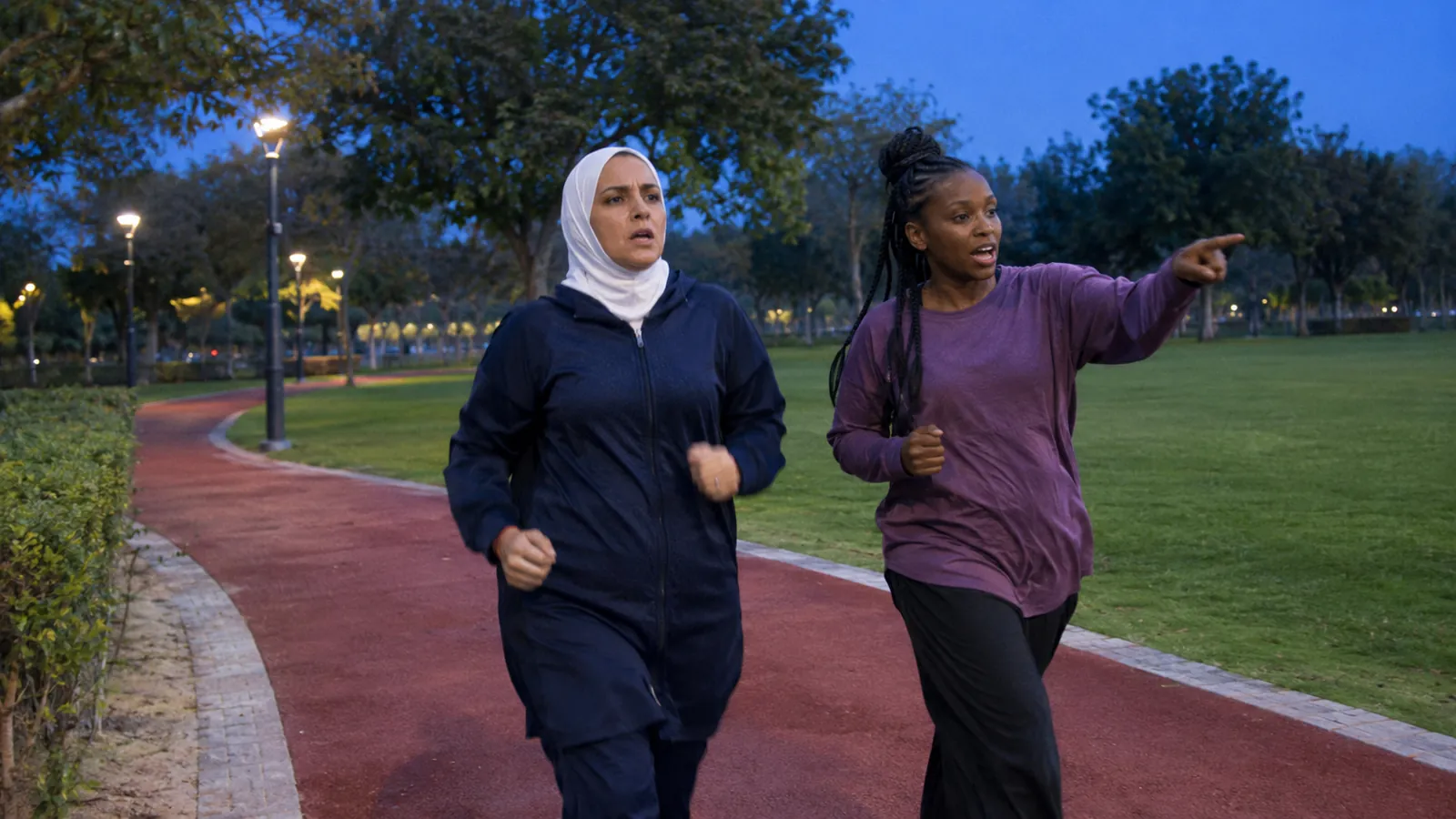 IdeasWalking and running spots in Dubai to explore with a friend
 IdeasThings to do with new friends in Dubai this autumn
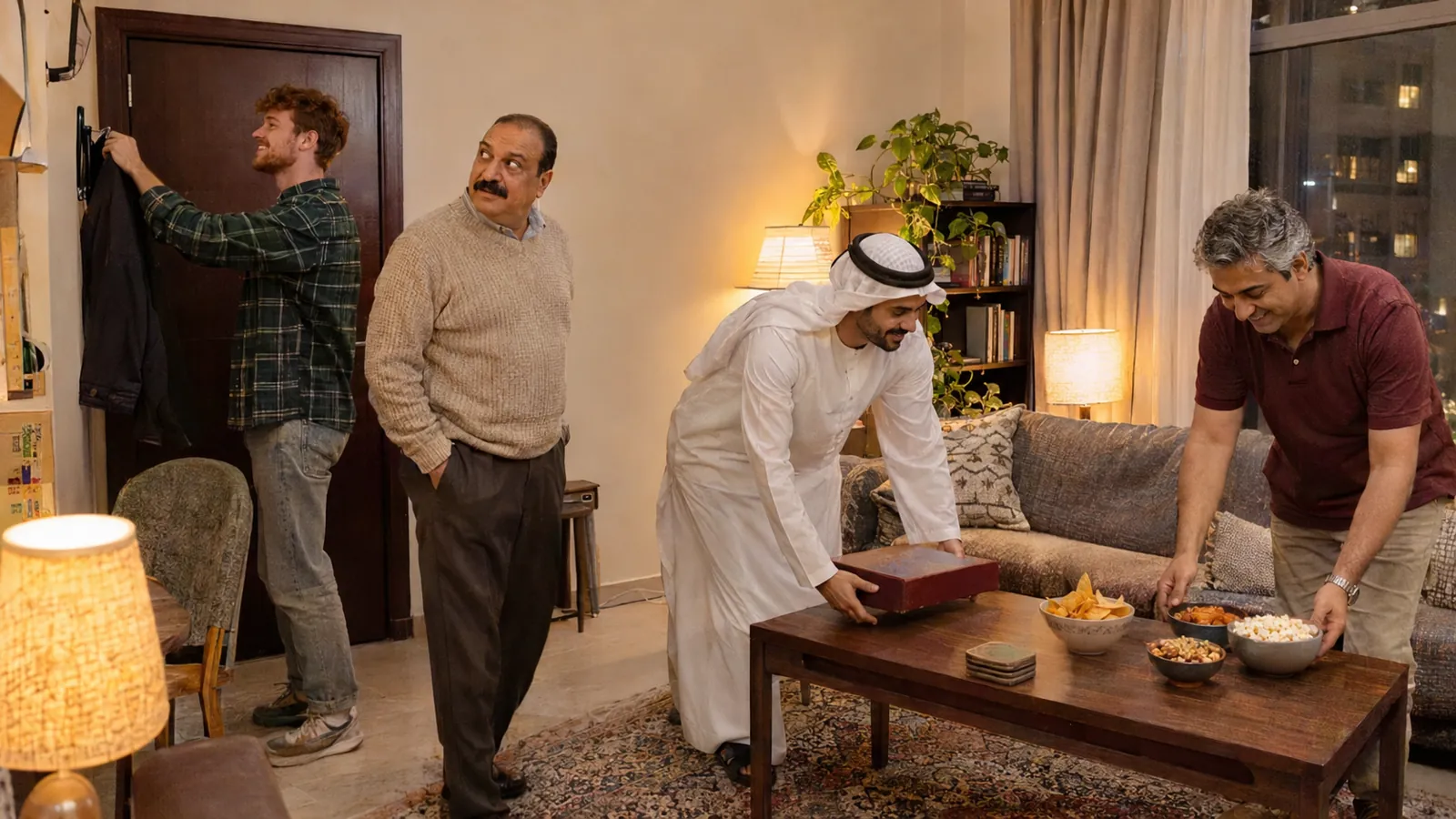 CirclesHow to host a small meetup that people actually come to
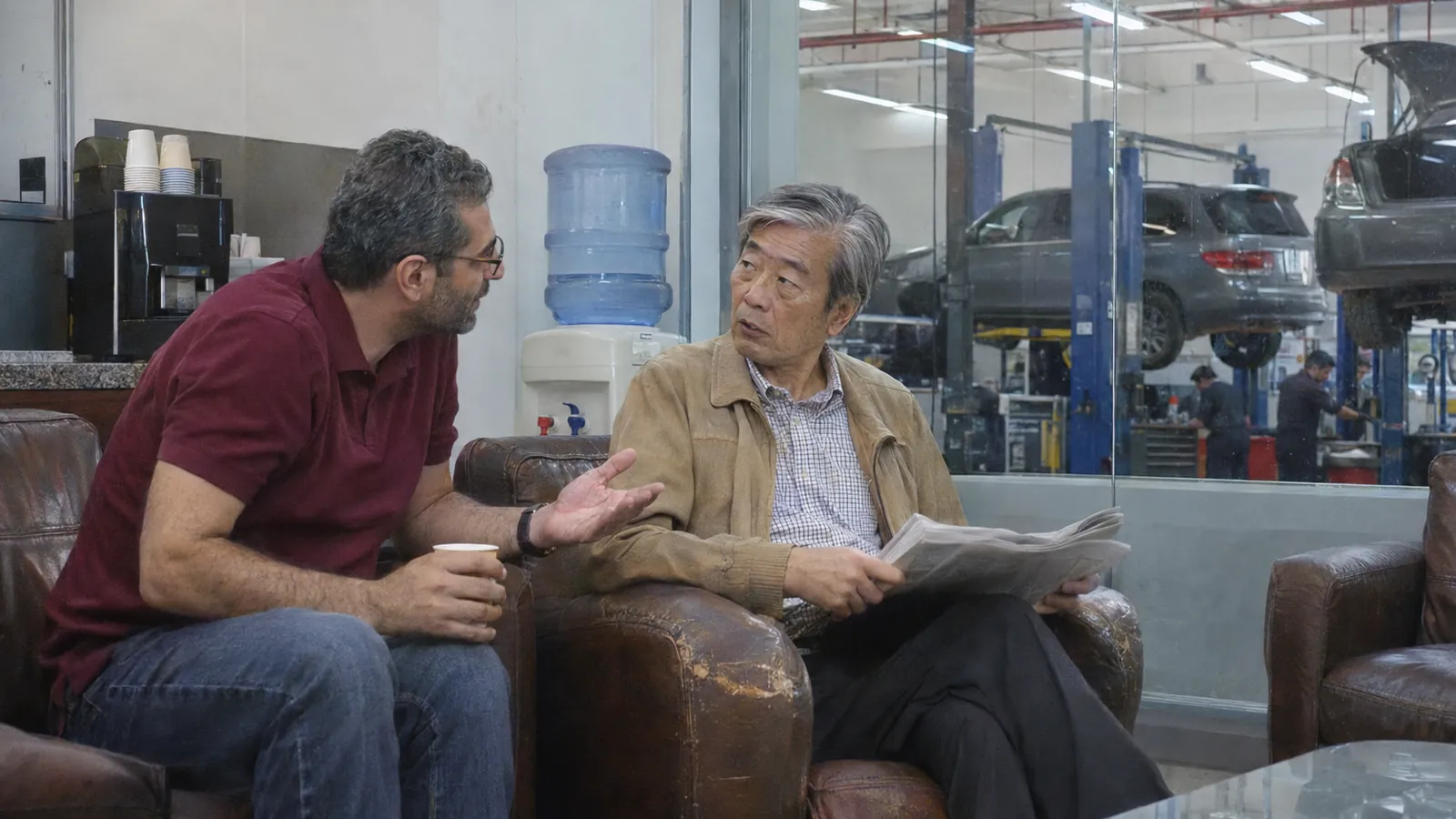 FriendshipHow to start a conversation with someone new (without dreading small talk)
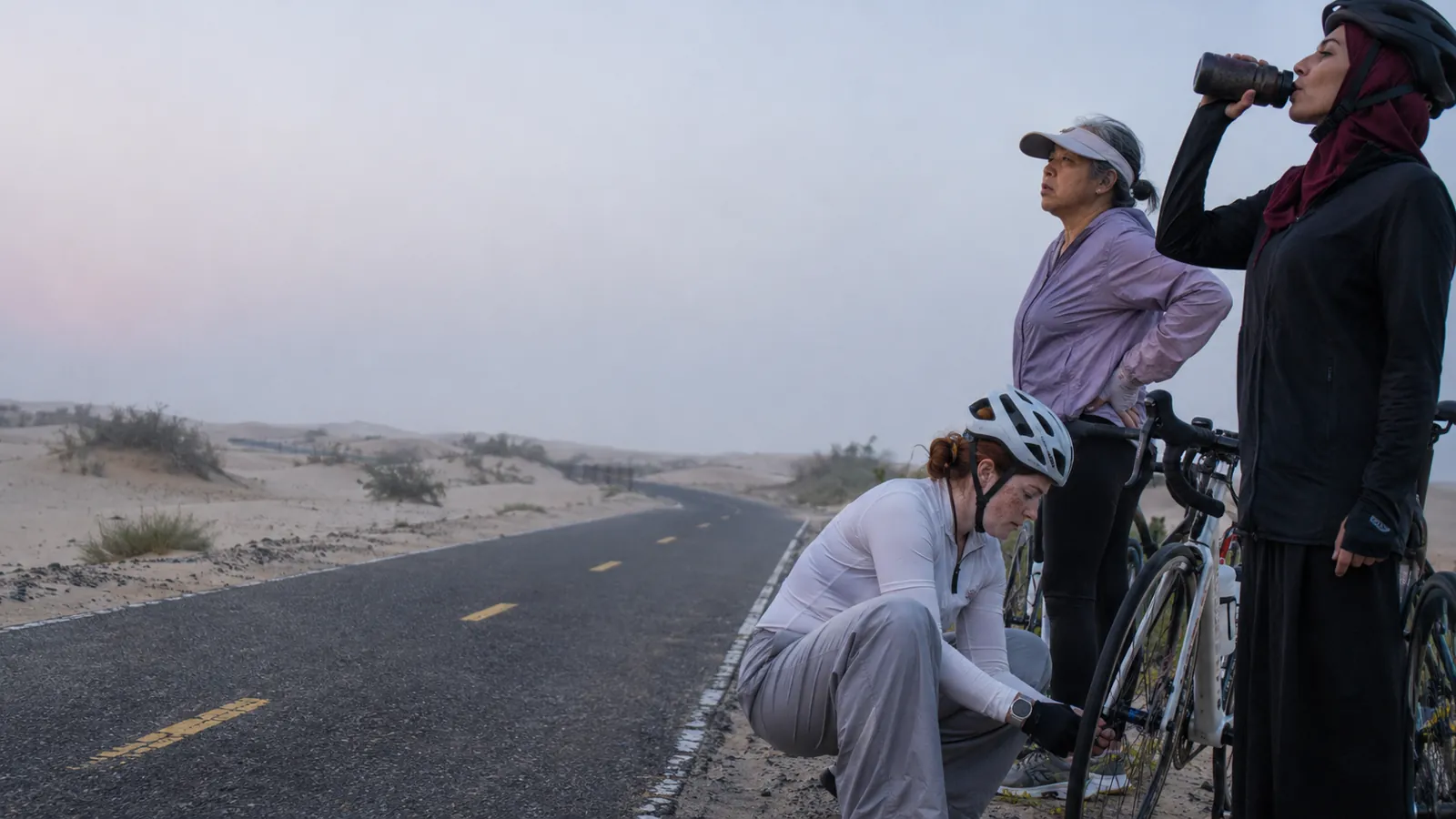 IdeasWhere to meet people in Dubai when brunch and bars are not your thing
 CirclesWhy joining a circle makes friendship so much more likely
 FriendshipIs it normal to feel lonely in Dubai? What to do about it
 IdeasThings to do in Dubai, and the reason your list never happens
 NewsTruFriend is now open in Dubai: real friendships, one good introduction at a time
 FriendshipHow to make friends in Dubai as a grown-up
 New in townNew to Dubai? How to build a social life in your first months
 ResearchHow long does it take to make a friend? What the research says
 SafetyHow to meet new friends safely in Dubai