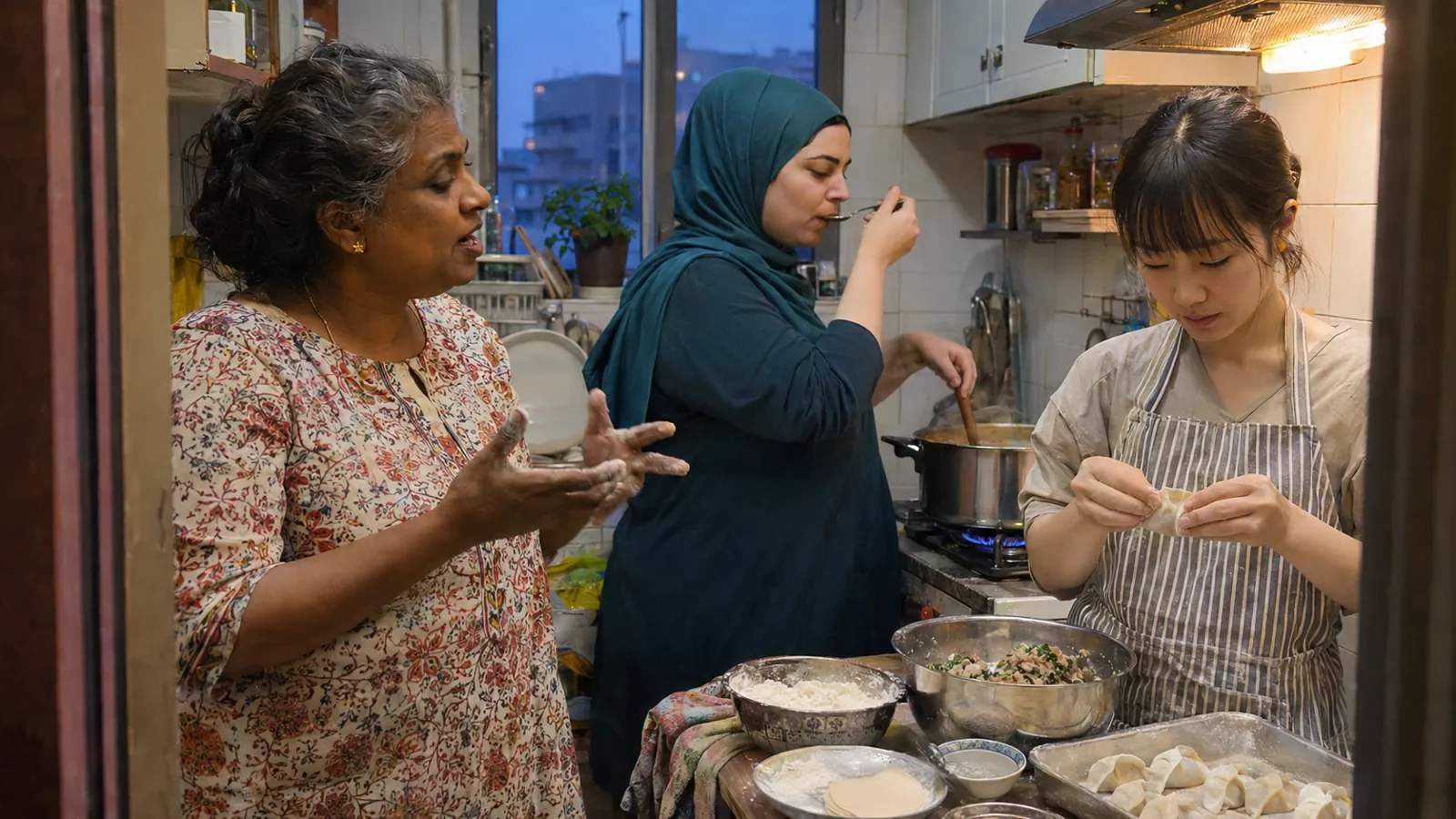
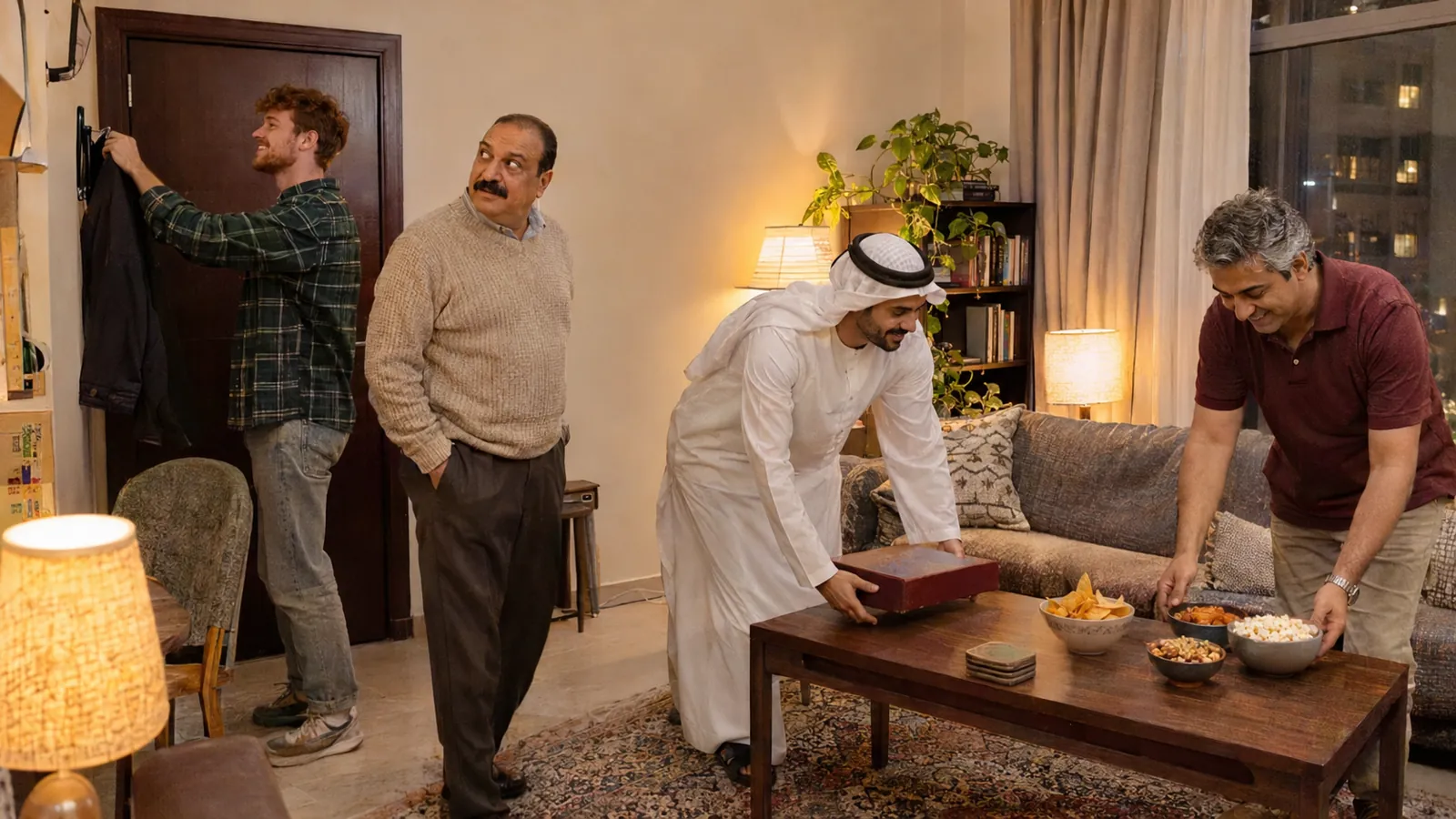
Picture someone, a few months into Dubai, who has finally made a friend at the Saturday walk. They get on. They have done three coffees and a long lunch in Karama. So she invites him round for dinner on Thursday at eight, cooks far too much, and sits in her living room at half past eight wondering whether she has been stood up.
He arrives at twenty past nine, cheerful, holding a box of sweets, with no idea anything is wrong. Where he grew up, eight o'clock for dinner meant the evening started at some point after eight. Where she grew up, it meant the food would be on the table. Neither of them was rude. They were just running on different clocks, and nobody had thought to mention it.
That small scene is illustrative, but some version of it happens in this city every week. It is also, if you handle it well, one of the best things about making friends here.
A city where almost everyone is from somewhere else
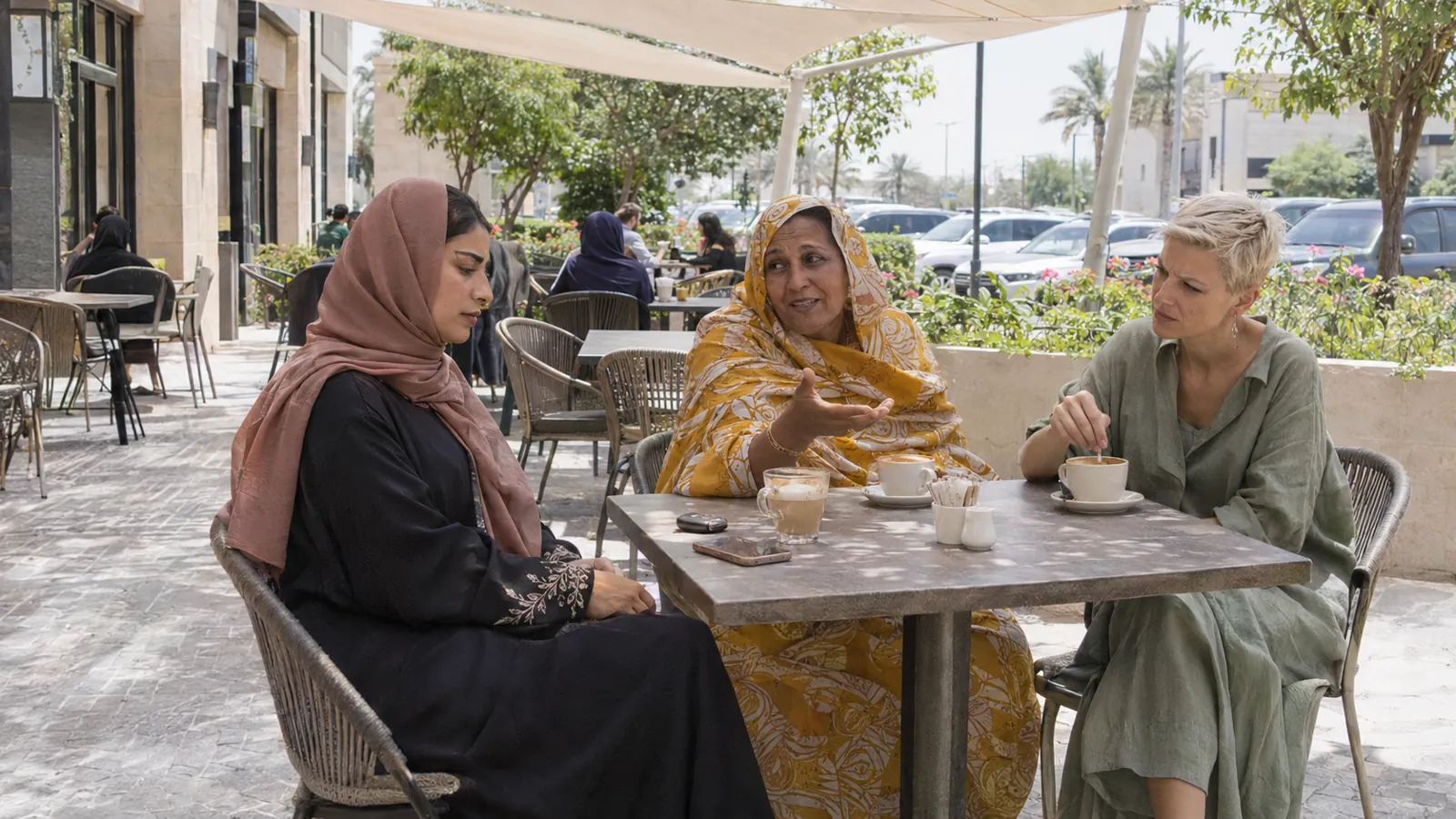
Dubai is commonly said to be home to people of around 200 nationalities, and you feel it within a day. The person on the next treadmill, the couple who run the bakery, the colleague who sits opposite you: the odds are good that you grew up in different countries, speaking different languages at home, with different ideas about what counts as polite.
In most cities, friendship forms quietly among people who share a background. The unwritten rules come free. Here, the person you click with at a board-game night may have learned every one of those rules in a completely different place. That does not make friendship harder, exactly. It just means some of the things you normally never have to say now need saying.
The unwritten rules are different in every house
The obvious areas are the ones you would guess: time, directness, food, family, faith. How late is late. Whether "no" means no or "not yet". Whether you bring something when you visit, and whether you are supposed to refuse a second helping or accept it. Whether weekends belong to friends or to a long family lunch. Whether a friend's parents will expect to meet you, and whether that is a big deal.
It is tempting to map all of this onto countries, and that is where people go wrong. Two people from the same country can have wildly different habits depending on their family, their city, their generation and how long they have lived abroad. Plenty of people raised in Dubai carry three cultures at once. The honest rule is that you are making friends with a person, not a passport, and the only reliable guide to what they expect is them.
Directness, and the art of the soft no
Some people say exactly what they mean and would be puzzled if you took offence. Others were raised to avoid a flat refusal at almost any cost, so "maybe" and "let's see" and "I'll try" do a lot of quiet work. Put one of each at the same table and you can get a slow-motion misunderstanding: one thinks they were clearly turned down, the other thinks they were left hanging.
The fix is not to decode each other perfectly. It is to make it easy to be clear. Offer two specific options rather than an open question. "Saturday morning at Kite Beach or Sunday evening in Al Seef?" is much easier to answer honestly than "are you free this weekend?" And if a plan keeps drifting, it is kind to ask directly and lightly whether it is actually a good time, so nobody has to find a polite way out.
Time, invitations and who else is coming
Back to the dinner. The useful habit is to be specific about the kind of time you mean. "Eight, and I'll be serving at eight" is not rude. Nor is "come any time after eight, it's relaxed". Either one saves an evening of quiet resentment.
The same goes for invitations. For some people an invitation is personal and nobody else comes without asking. For others, being invited means your cousin, your flatmate and a friend visiting from abroad are welcome too, because who would leave them at home? Just say what you have in mind: "it's just the three of us" or "bring whoever you like, I've cooked for an army".
Food, prayer and fasting: being a good host and guest
Food is where cross-cultural friendship is most generous and most easy to get wrong. When you host, ask early and without fuss whether there is anything people do not eat. Some friends eat only halal meat, some are vegetarian for religious or personal reasons, some avoid pork or beef, some do not drink and would rather not sit at a table built around it. A plain question in advance, and a menu where everyone has a full plate rather than a side salad, says more about you than any amount of effort on the main dish.
When you are the guest, the same curiosity works in reverse. If you do not know how a dish is eaten, ask; most hosts are delighted to explain. If you cannot eat something, say so simply and early rather than pushing it around the plate. And let someone share food with you on their terms, even if the portion sizes alarm you.
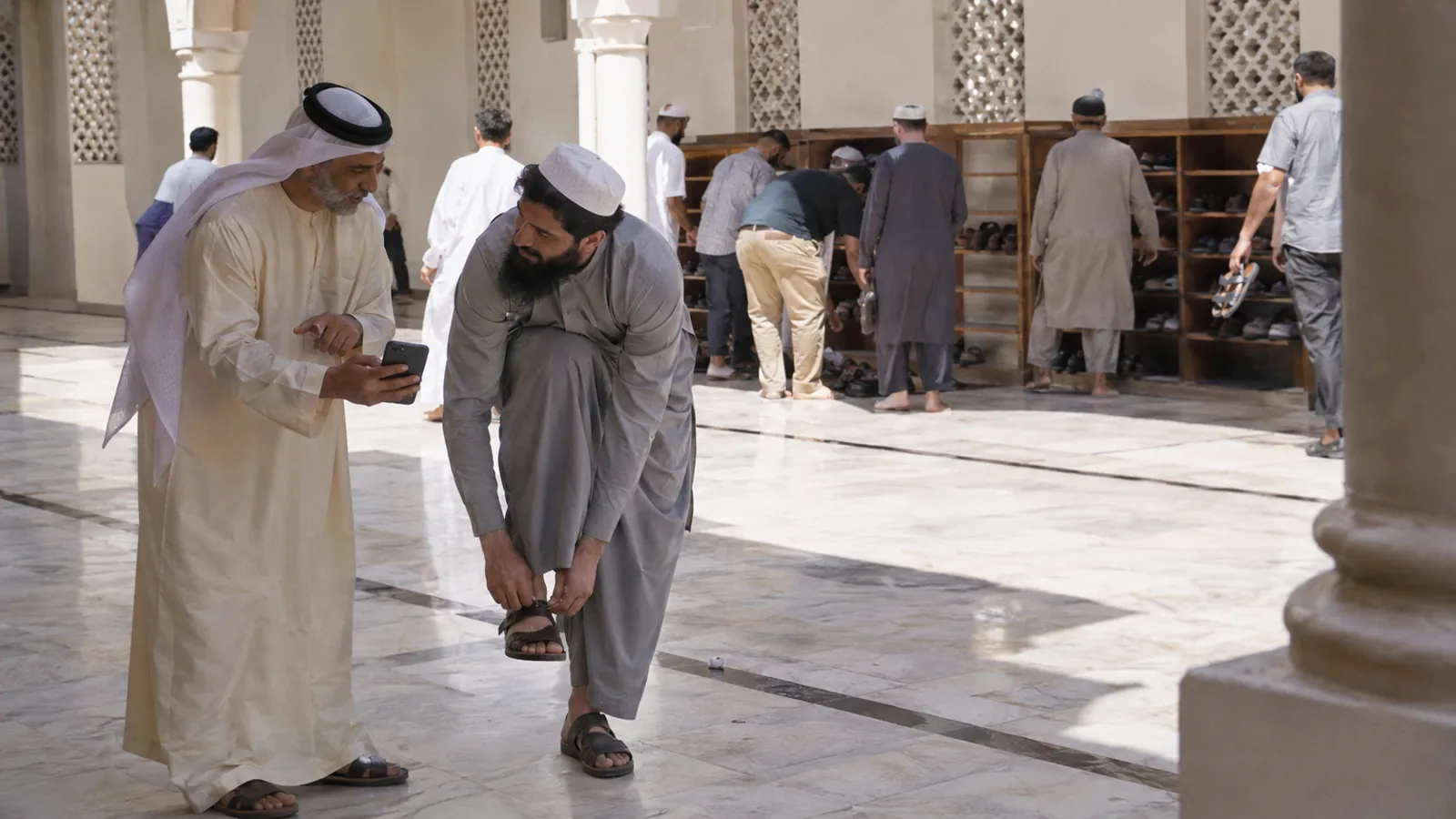
Faith is part of daily rhythm for many people here. If a friend prays, plan around it without making it a thing: a walk that pauses near a mosque, an outing that does not straddle Maghrib, a café with a quiet corner nearby. Most people will happily tell you what works if you ask.
Ramadan deserves its own care. If a friend is fasting, you do not have to fast too, but meeting over lunch is not a great idea, and daytime plans should be gentle. Many friendships in this city deepen over iftar, when people break the fast together at sunset, and being invited to one is a real honour. Arrive on time for that one, bring dates or sweets if you like, and follow your host's lead. If you want to understand more before you go, the Sheikh Mohammed bin Rashid Centre for Cultural Understanding in Al Fahidi runs cultural meals in a traditional house where you can ask anything you like without embarrassment.
When something lands wrong
It will. You will make a joke that does not translate, touch on a topic that is private for them, or miss a festival that matters. They will do the same to you. The question is not how to avoid every misstep. It is what you do in the minute afterwards.
The best response is almost always curiosity rather than defence. "Did I say something odd there? I'd like to know" costs nothing and teaches you more than a year of guessing. When it goes the other way and something they do stings, assume a different rule before you assume a bad intention. Nine times out of ten, the person who arrived late, answered bluntly or did not reply for three days was running on a perfectly reasonable set of rules you had not been told about.
What you get in return
Friendship across cultures asks a bit more patience in the early weeks. It gives a great deal back. You get a second way of seeing the city: the restaurant in Deira you would never have found, the festival you had only read about, a grandmother's recipe. You get better at noticing your own assumptions, which is useful everywhere. And you get friends whose company never goes stale, because there is always more to learn about each other.
There is a practical side too. The research on friendship suggests it is built on time, not on similarity. Jeffrey Hall at the University of Kansas estimated that it takes around 50 hours together to reach casual friendship and many more to become close. Shared background can make the first hours easier, but it does not replace them. Two people from different ends of the world who keep turning up to the same thing will get there. Two people from the same town who never make a plan will not.
And in a city where so many people eventually move on, a friend who grew up somewhere else often becomes a reason to visit a new country, not a loss. Friendships like these tend to travel well, if you keep them going after someone leaves.
Where TruFriend fits
TruFriend is built for exactly this city. Tru, our assistant, learns what you enjoy, when you are free and how far you will travel, then introduces a few people nearby who fit, with the reasons you might get along. A conversation opens only when you both say yes, and every member's photo is checked, so everyone is a real person. Plans happen in public places, and our safety page covers the rest.
Some circles are especially good for meeting people who grew up elsewhere. The food explorers circle is where someone suggests the Yemeni place they love and six people try it together. Language exchange pairs you with people learning your language while you learn theirs, which is curiosity with a structure. Coffee and conversation is the simplest of all. Any member can start a plan with a day, a time, a public place and a number of spaces, and each circle has a quick question every week that often turns into a conversation about how things were done at home.
Friendship only, for grown-ups aged 18 and over, and free for founding members. Join TruFriend: it takes a minute.
Don’t just read about it
Join a circle of people in Dubai who enjoy the same things. Members already on TruFriend can join from the app or suggest a plan in any chat.
 Food explorersA friendship circle for people who love trying new restaurants, street food and home cooking in Dubai, and would rather explore with company.
 Language exchangeA friendship circle for language exchange in Dubai: practise Arabic, English or another language over coffee, and help someone with yours.
 Coffee & conversationA friendship circle for people who enjoy cafés and unhurried conversation in Dubai. Low-pressure first meetings, close to home.
Where to meet in Dubai
Public places picked for small groups of 3 to 10, sorted by interest and area.
Keep reading
 FriendshipHow to say no to a plan without losing the friend
 CirclesPhoto walks: seeing Dubai through a lens, with someone
 IdeasDubai Fitness Challenge: 30 days to meet people who move
 FriendshipWhen a new friendship feels one-sided
 CirclesBook clubs in Dubai: how to join one, or start one that lasts
 FriendshipMaking friends after 50 in Dubai, when the house goes quiet
 CirclesWhy padel is Dubai's friendship machine
 CirclesLearning a language to make friends: the language exchange way
 IdeasMaking friends through volunteering in Dubai
 New in townMaking friends in Dubai when you work from home
 FriendshipMaking friends as a parent in Dubai, beyond the school gate
 IdeasDubai's outdoor season: plans with friends from the desert to the mountains
 ResearchWhy friendships fade, and how to rescue one before it goes
 FriendshipMaking friends as a couple in Dubai (and keeping friends of your own)
 CirclesWhy a board-game night turns strangers into friends
 FriendshipMaking friends in your 30s and 40s in Dubai, when everyone seems busy
 FriendshipMaking friends in Dubai when you work long hours
 FriendshipMaking friends as an introvert in Dubai
 New in townHow to stay friends when people leave Dubai (and how to keep building your circle)
 IdeasHobbies that help you meet people in Dubai
 ResearchFrom acquaintance to friend: the follow-up habits that matter
 IdeasWalking and running spots in Dubai to explore with a friend
 IdeasThings to do with new friends in Dubai this autumn
 CirclesHow to host a small meetup that people actually come to
 FriendshipHow to start a conversation with someone new (without dreading small talk)
 IdeasWhere to meet people in Dubai when brunch and bars are not your thing
 CirclesWhy joining a circle makes friendship so much more likely
 FriendshipIs it normal to feel lonely in Dubai? What to do about it
 IdeasThings to do in Dubai, and the reason your list never happens
 NewsTruFriend is now open in Dubai: real friendships, one good introduction at a time
 FriendshipHow to make friends in Dubai as a grown-up
 New in townNew to Dubai? How to build a social life in your first months
 ResearchHow long does it take to make a friend? What the research says
 SafetyHow to meet new friends safely in Dubai