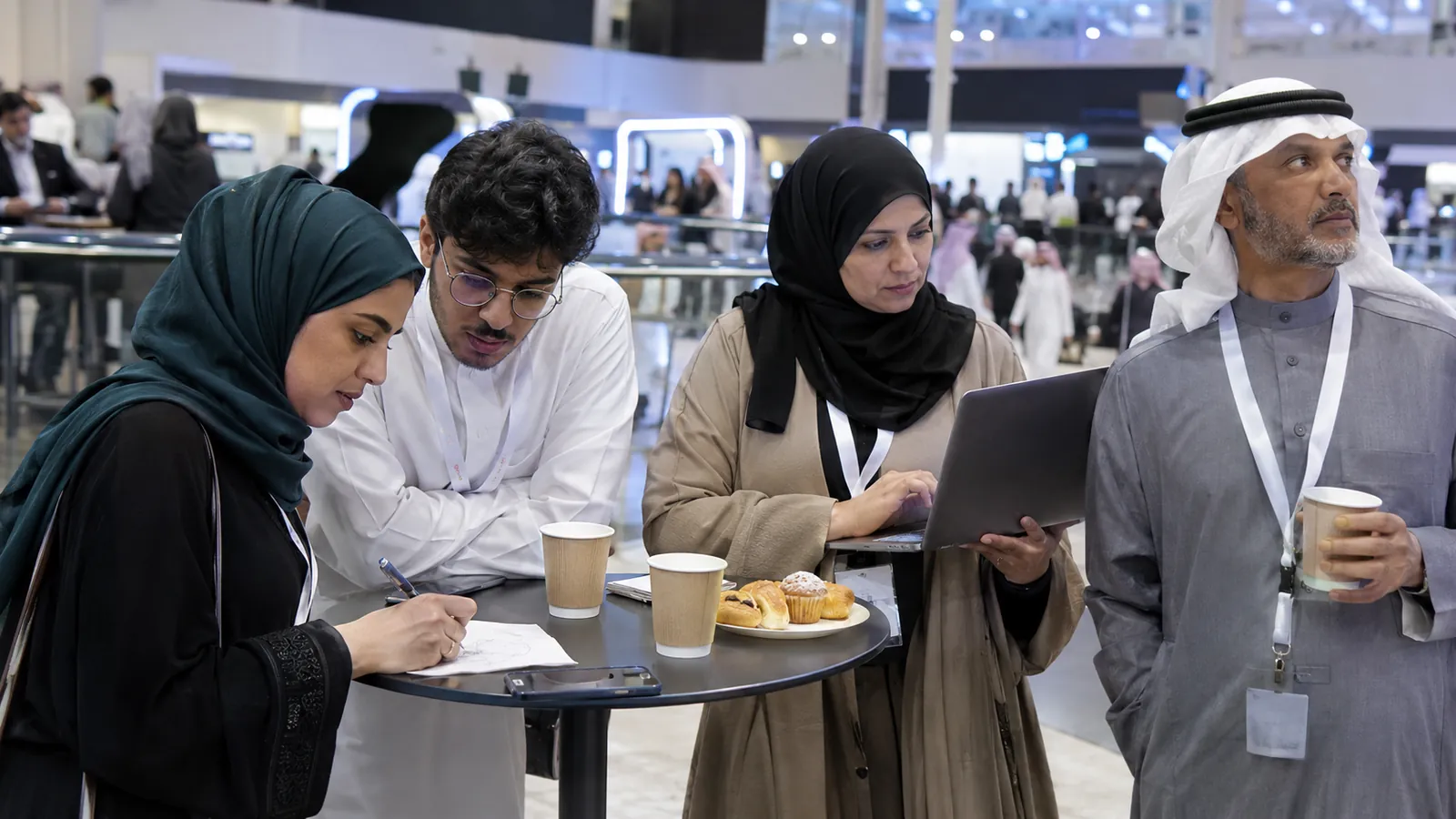
Faris came home from his first big tech conference in Riyadh with sore feet, a tote bag full of brochures and forty-two new contacts on his phone. He had moved from Jeddah six months earlier to join a software team, and he had gone to the conference partly to learn and partly, if he was honest, to meet people. The halls had been extraordinary: robots, startups, talks about artificial intelligence from people he had only seen online, tens of thousands of visitors from all over the world.
A week later he scrolled through the forty-two contacts and realised he could not remember who most of them were. Nobody had written to him. He had not written to anyone. The event had been huge, and it had left him exactly as alone as before.
If you work in tech in Riyadh, or simply love it, you may know this feeling. The city has become one of the region's busiest places for technology. There are major conferences, government programmes, academies, bootcamps, startup hubs and a steady stream of meetups about AI, data and software. It is an exciting time to be curious here. And yet many people discover that a crowded room full of people who share your interest is not the same thing as friendship.
Big events open doors, small groups build friendships
The mistake Faris made was not going to the conference. Big events are good for inspiration, for seeing what is possible and for hearing about smaller things you can join. The mistake was expecting a crowd of thousands to produce a friend. Friendship needs repetition, the same few faces again and again, and a crowd is the opposite of repetition.
So treat big events as a map rather than a destination. At the next one, Faris tried a different approach. Instead of collecting contacts, he went looking for small, recurring things: a monthly meetup about machine learning, a reading group that worked through technical papers, a weekend study group for people taking the same online course. He came home with three dates in his calendar instead of forty-two names.
Courses are better than talks
Of the three, the study group changed the most. Six people had signed up for the same online course in machine learning and agreed to meet every Saturday afternoon in a quiet café in Al Olaya to work through the week's material together. Faris was the only software developer. The others were a data analyst from a bank, a doctor curious about AI in medicine, a university student, a project manager and a retired engineer who said he wanted to understand what his grandchildren were talking about.
A course has something a talk does not: it lasts. Ten or twelve weeks of meeting the same people, struggling with the same problems and celebrating the same small victories is exactly the kind of repeated contact that turns strangers into friends. Whether it is one of the academies and bootcamps that have opened across the city, a university evening programme or a free online course you take alongside others, learning together over weeks builds something that a single event never can.
Bring a question, not a pitch
One thing quickly becomes clear in Riyadh's tech scene: a lot of people are selling something. A startup, a service, themselves. That is fine at a conference stand. It is poison at a study table.
The people who made friends in Faris's group were the ones who arrived with questions rather than pitches. "I still do not understand how this part works, can someone explain it?" is a better opening line than any business card. It invites help, and helping someone is one of the fastest ways to feel close to them. The doctor, who knew the least code, became the most popular member of the group simply because she asked the questions everyone else was too proud to ask.
Teach what you know
The other side of asking is teaching. Faris could explain the programming. The analyst could explain the statistics. The retired engineer, it turned out, had built control systems for decades and understood the mathematics better than anyone. Each week, someone took ten minutes to explain the part they understood best.
Teaching each other did two things. It made everyone learn faster, and it gave everyone a role. In a group where each person is useful, nobody feels like a guest. Mixed levels, which can seem like a problem, turned out to be the group's greatest strength.
You do not need to be an engineer
Many people stay away from tech groups because they assume everyone else will be an expert. In reality, some of the liveliest conversations about AI in Riyadh happen among teachers, designers, accountants, marketers and parents who simply want to understand the tools that are changing their work and their children's lives.
The doctor in Faris's group had never written a line of code before the course. The project manager mostly wanted to know which tasks AI could save her time on. Their questions kept the group grounded, and their perspectives turned technical discussions into human ones. If you are curious, you belong. Curiosity is the only real entry requirement, and it is the thing that makes people want to keep talking to you.
Build something small together
Around the eighth week, the group decided to build something. Nothing ambitious: a small tool that helped the doctor sort through the questions patients most often asked at her clinic, so she could write better information leaflets. It took them several Saturdays, plenty of arguments and one evening in a library reading room when the café was too crowded.
Building something together is a step beyond learning together. It gives the group a shared goal, small disagreements to work through and a moment of pride when it finally works. Several members of the group later said that the evening the tool first ran properly was the evening they stopped being course-mates and started being friends.
Keep meeting after the course ends
When the course finished, the group faced the moment where most study groups quietly dissolve. Nobody had a reason to come on Saturday any more. Faris did the simple, slightly awkward thing: he wrote in the group chat, "Same café, same time next Saturday? We can pick the next course." Four of the six came.
The next course was about language models, chosen because the university student wanted to understand them for her studies. Two new people joined. The circle had become something that outlived its first reason to exist, which is the surest sign that a group has turned into a circle of friends.
A few habits that help
Faris's group found that a few small habits kept things easy. They met in public places, cafés and libraries, never anywhere private. Women in the group were comfortable because the setting was open and the focus was clearly on learning. They kept laptops closed for the first fifteen minutes so people could actually talk. They took turns choosing the topic, so nobody dominated. And they never treated the group as a networking opportunity. Jobs and introductions did come out of it eventually, but only because people trusted each other first.
Where TruFriend fits
Finding the right small group in a city full of big events is the hard part. TruFriend is built for friendship only. Tru, our assistant, gets to know what you enjoy, when you are usually free and which part of Riyadh you live in, then introduces you to a few people nearby who fit, with the reasons you might get along. A conversation only opens when both of you say yes, and plans happen in public places. The AI & tech circle brings together people who love trying new things and learning together, and Coffee & conversation is there for the talk that comes after the laptops close.
Faris still goes to the big conference every year. These days he goes with five friends, and they compare notes over coffee afterwards.
TruFriend is for friendship only, for grown-ups aged 18 and over, and free for founding members. Join TruFriend: it takes a minute.
Don’t just read about it
Join a circle of people in Riyadh who enjoy the same things. Members already on TruFriend can join from the app or suggest a plan in any chat.
Where to meet in Riyadh
Public places picked for small groups of 3 to 10, sorted by interest and area.
Keep reading
 FriendshipMaking friends as a parent in Riyadh, and keeping a friendship of your own
 IdeasVolunteering in Riyadh: why giving time together builds trust so fast
 FriendshipFrom acquaintance to friend in Riyadh: the small steps that make it real
 IdeasEating your way through Riyadh’s neighbourhoods with friends
 New in townFar from family: building a circle of friends in Riyadh
 IdeasPhoto walks in Riyadh: from Al Masmak and Deira to Murabba and the new skyline, with a camera and a friend
 IdeasLanguage exchange in Riyadh: learning Arabic or English with a partner, and the friendship that comes with it
 IdeasBook clubs and reading circles in Riyadh: how a shared book turns strangers into friends
 FriendshipFriends next door: getting to know your neighbours in Riyadh
 IdeasLearning a craft together: how calligraphy, pottery and Sadu classes in Riyadh turn into friendships
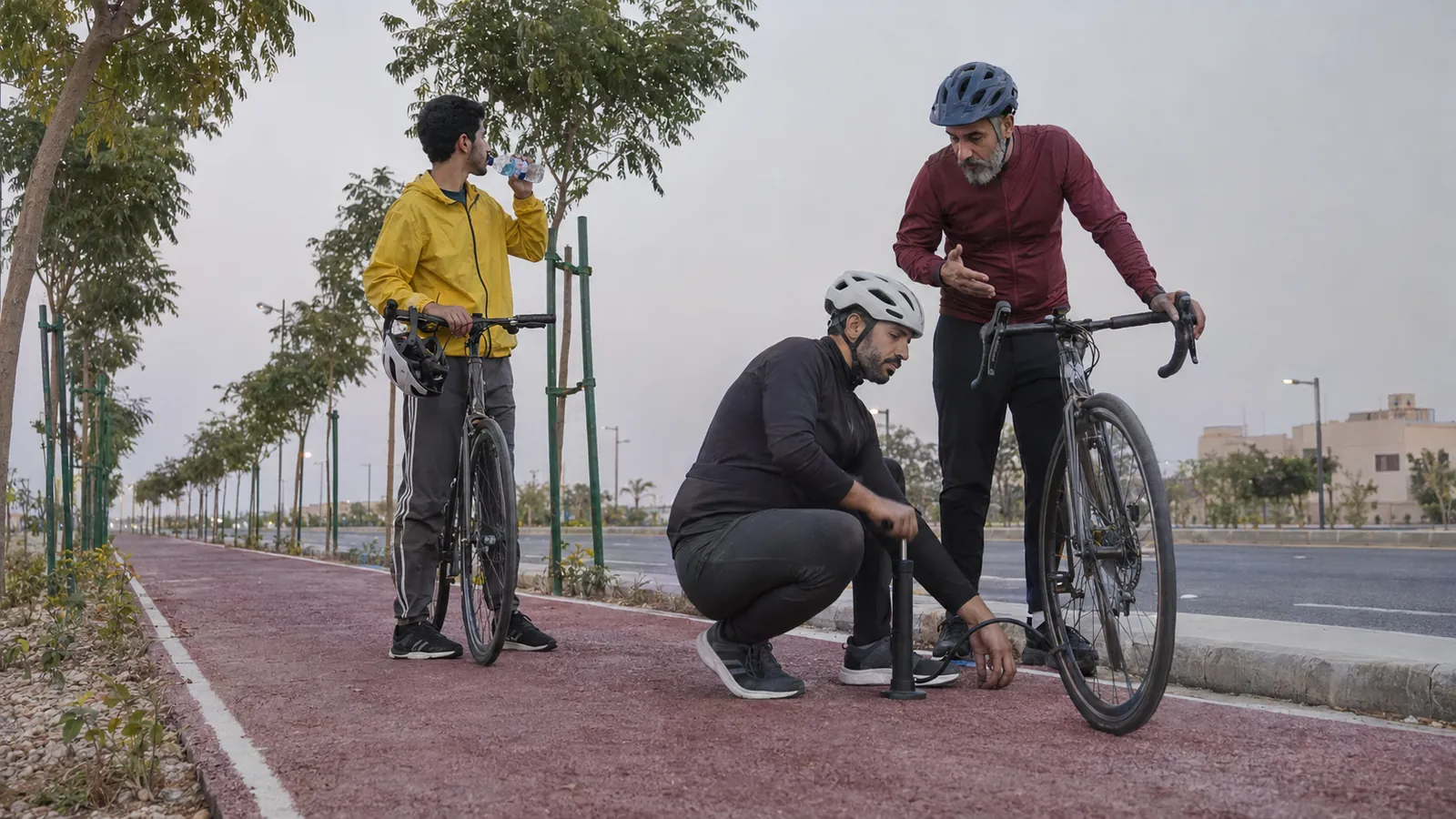 IdeasTwo wheels, one group: how a weekend ride in Riyadh turns into friendship
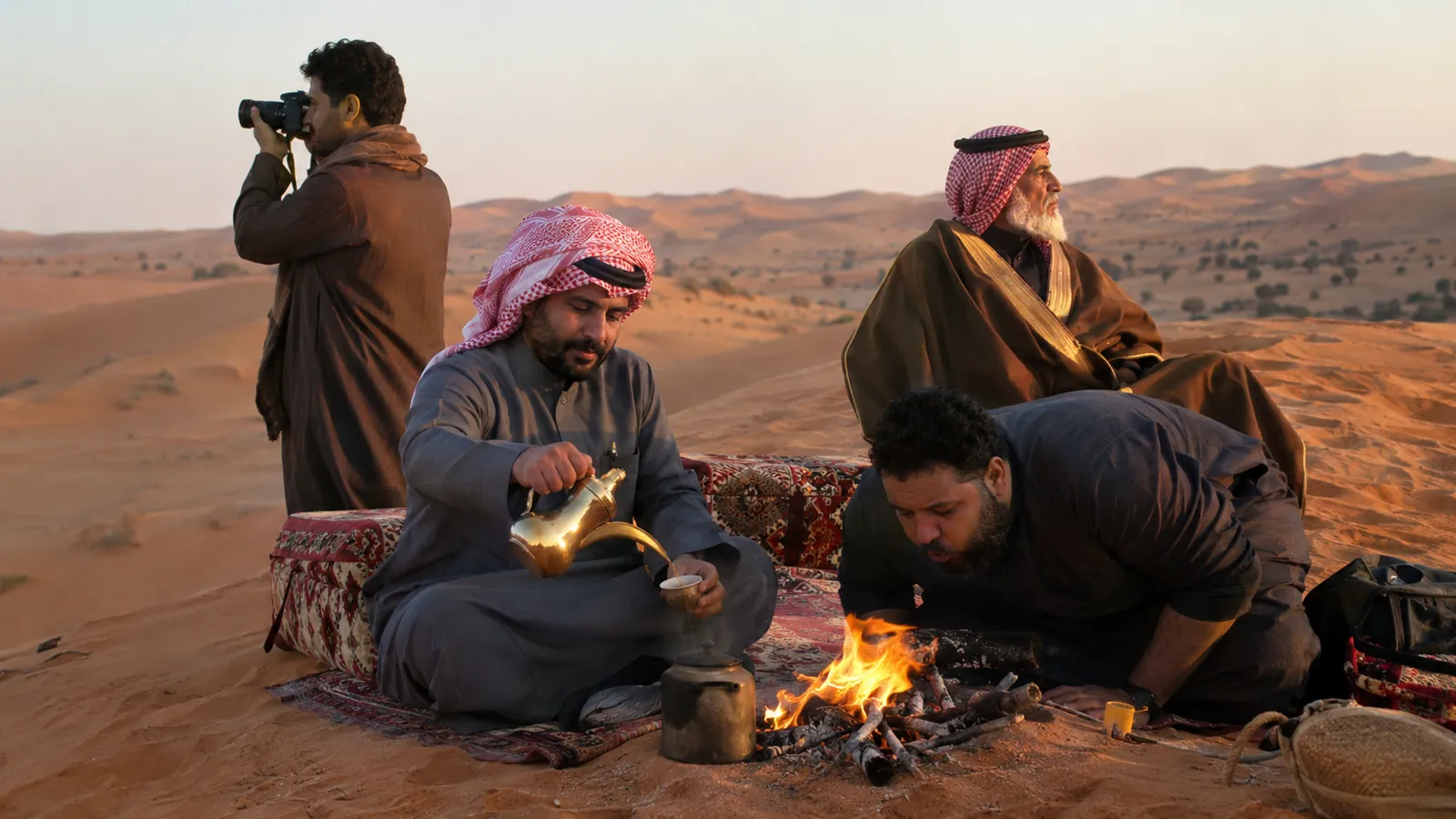 IdeasInto the desert: day trips near Riyadh that turn new friends into real ones
 CirclesGame nights in Riyadh: how a table of strangers becomes a circle of friends
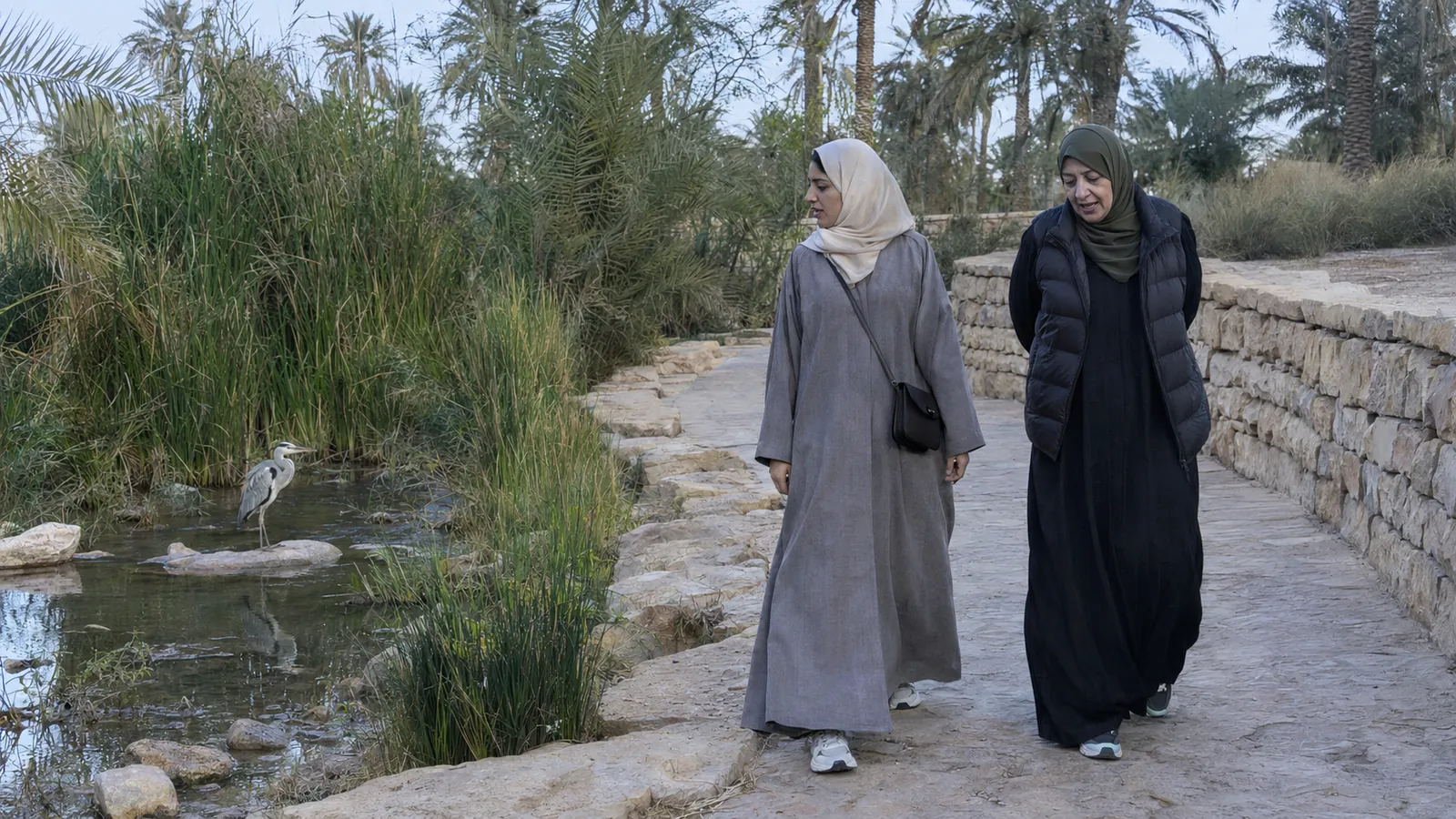 IdeasWadi Hanifa and the walk that turns into a friendship
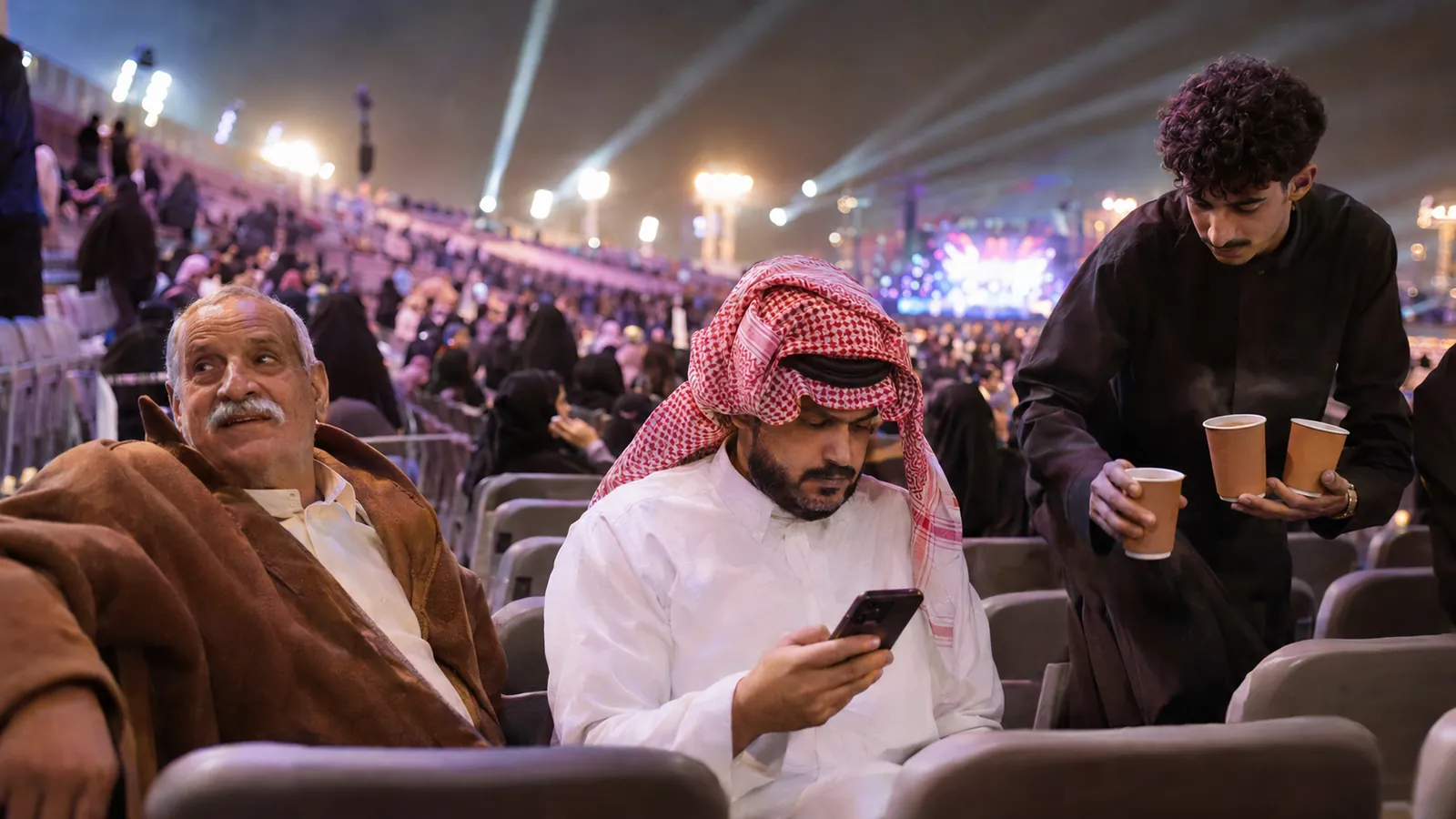 IdeasRiyadh Season with friends: how to make a night of it
 SafetyMeeting new friends safely in Riyadh
 FriendshipWhy coffee is the best first meeting in Riyadh, and how to make it count
 FriendshipMaking friends in Riyadh when you work long hours
 IdeasDiriyah with friends: an evening out that feels like an occasion
 FriendshipMaking friends in Riyadh as a woman: where to start
 IdeasWhy padel is Riyadh’s friendship machine
 IdeasYour first Riyadh weekend with new friends: a Thursday-to-Saturday plan
 FriendshipHow to make friends in Riyadh as a grown-up
 New in townNew in Riyadh? How to build a social life in your first three months
 IdeasThings to do with new friends in Riyadh this season