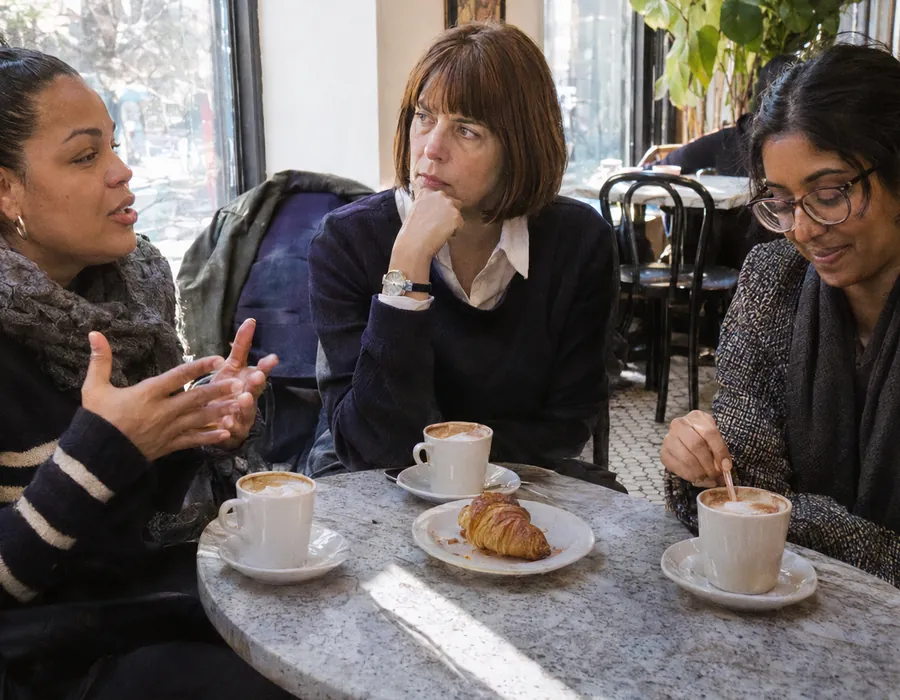
Faisal met Omar on a Tuesday evening in a café in Al Olaya. They were both there for a small coffee-and-conversation circle, six people around two pushed-together tables, and within ten minutes the two of them had discovered that they had grown up in neighbouring towns in Al-Ahsa, supported the same football team and had both moved to Riyadh for jobs that were turning out to be bigger than advertised. They talked until the café started stacking chairs. In the car park Omar said, "We should do this again." Faisal said, "Definitely." They swapped numbers, and then nothing happened for five weeks.
Nobody was at fault. Faisal had a project deadline. Omar's parents came to stay. A Thursday plan was half-made and then quietly dropped. Each of them assumed the other was busy, and each of them was right. When Faisal finally scrolled past Omar's name, the evening in Al Olaya already felt like something that had happened to a different person, and sending a message felt slightly awkward.
If you have lived in Riyadh for more than a few months you probably have a phone full of Omars. People you liked, who liked you, and who are now saved contacts rather than friends. The first meeting was never the problem. The weeks after it were.
The gap between a good evening and a friendship
A good first meeting gives you something real: a sense that this person is easy to talk to and that you have something in common. But a feeling of warmth fades quickly when it is not renewed. Friendship is built from repeated contact, and the first meeting is only the opening deposit. What turns an acquaintance into a friend is the second meeting, the third, and the small exchanges in between that remind both of you the connection exists.
Riyadh makes that middle stretch harder than it needs to be. Working days are long and the commute eats into evenings. The city is large, so a friend in Al Malqa and a friend in Al Murabba live in practically different towns on a weekday night. Weekends are full of family, and rightly so. None of this stops friendship, but it means the second meeting will not happen by accident. Someone has to make it small enough and specific enough to fit.
Follow up within two days
The simplest rule is also the most effective: send a short message within forty-eight hours of a good first meeting. Not an essay, and not a formal invitation. Something that refers back to the conversation itself. "Still thinking about your story about the camel market in Hofuf." "Found that podcast you mentioned, you were right." A message like that does two things. It tells the other person that the evening mattered to you, and it gives them an easy reason to reply.
Most people wait because they do not want to seem too eager. In practice almost nobody reads a friendly message two days after a nice evening as too eager. They read it as warmth, and they are usually relieved, because they were wondering whether to send one themselves.
Replace "we should" with a day and a place
"We should do this again" is the most hopeful and least useful sentence in friendship. It feels like a plan and contains none of the parts of one. The fix is to turn it into something with a day, a time and a place. "I walk at the Sports Boulevard on Sunday nights around nine, come along." "There is a quiet café near my office in King Abdullah Financial District, coffee next Wednesday after work?"
The best second plans are short, near where both of you already are, and attached to something you would do anyway. In a busy week, a forty-five-minute walk or a single coffee is far easier to keep than a whole evening. That is not a lesser plan. It is the right size for where the friendship is. Big outings, a day trip to the edge of the desert or a long dinner, come later, once there is enough familiarity that a long stretch of time together feels comfortable rather than demanding.
Faisal learned this the second time round. When he finally messaged Omar, he did not suggest catching up some time. He wrote: "Walking at Wadi Hanifah on Saturday at five, before maghrib. Want to join?" Omar was there at a quarter to.
Make it a rhythm, not an event
One good second meeting is a step. A rhythm is what actually builds the friendship. Researchers who study friendship keep finding the same thing: it is the number of hours spent together, spread across many ordinary occasions, that moves someone from acquaintance to friend. A single wonderful evening is lovely. Twelve unremarkable Saturday walks are what make a friend.
So once a second meeting goes well, look for something that can repeat. A weekly walk, a regular padel slot, the same café after work on the same day each week, a circle you both attend. The point of a rhythm is that it removes the negotiation. You no longer have to find a free evening, choose a place and check each other's schedule every time. You just turn up, and the turning up becomes the friendship.
Faisal and Omar now walk most Saturdays before sunset. Some weeks it is just the two of them, some weeks a colleague of Omar's comes along, and once Faisal brought his younger brother who was visiting from Al-Ahsa. Nothing about any single walk is memorable. Together they add up to the person Faisal calls when his car breaks down.
Small contact between the meetings
Between meetings, small contact keeps the thread warm. Sending a photo of the match you both care about. Asking how the presentation went, because they mentioned it last week. Sharing a link because it made you think of them. These take seconds and they matter more than people realise, because they show that you remember the details of someone's life.
Remembering is quietly powerful. When a new acquaintance asks how your mother's operation went, three weeks after you mentioned it once, you feel seen. If your memory is not good, it is perfectly fine to make a note on your phone after a conversation. Nobody needs to know, and the person on the receiving end only experiences the care.
Let the friendship deepen at its own pace
Friendship moves forward through small, mutual openings. You share something slightly more personal than the weather, they share something back, and the conversation finds a new level. That exchange cannot be rushed, and it cannot be one-sided. If you tell someone everything on the second meeting, it can feel heavy. If you never share anything beyond work, it stays polite and shallow.
A good guide is to match and nudge. Match what the other person shares, and now and then go one small step further. Mention that you miss home some evenings. Admit that the new job is harder than you expected. Most people respond to honesty with honesty, and those moments are where acquaintances quietly become friends.
When it does not take
Not every promising first meeting becomes a friendship, and that is normal. Sometimes the other person's life is simply too full right now. Sometimes the conversation that flowed so easily the first time turns out to have been a one-off. A reasonable rule is to make two genuine attempts at a second meeting. If they go nowhere, let it rest without resentment and keep the door open. People come back around more often than you would expect, sometimes months later, when their own week finally has room.
And keep meeting new people at the same time. The person who builds a circle of friends in Riyadh is rarely the one who found the perfect friend on the first try. It is the one who kept showing up, followed up, and let a handful of good first meetings grow into something steady.
Where TruFriend fits
TruFriend is built around exactly this middle stretch. Tru, our assistant, introduces you to a few compatible people near you, explains why you might get along, and helps turn a good first conversation into a second plan with a day, a time and a public place. Circles such as Coffee & conversation and Walkers & runners give you a regular rhythm to come back to, so the follow-up is built in rather than left to chance. A conversation only opens when both of you say yes.
TruFriend is for friendship only, for grown-ups aged 18 and over, and free for founding members. Join TruFriend: it takes a minute.
Don’t just read about it
Join a circle of people in Riyadh who enjoy the same things. Members already on TruFriend can join from the app or suggest a plan in any chat.

Where to meet in Riyadh
Public places picked for small groups of 3 to 10, sorted by interest and area.
Keep reading
 FriendshipMaking friends as a parent in Riyadh, and keeping a friendship of your own
 IdeasVolunteering in Riyadh: why giving time together builds trust so fast
 CirclesMeeting people through AI and tech in Riyadh: from big events to a small circle that keeps learning
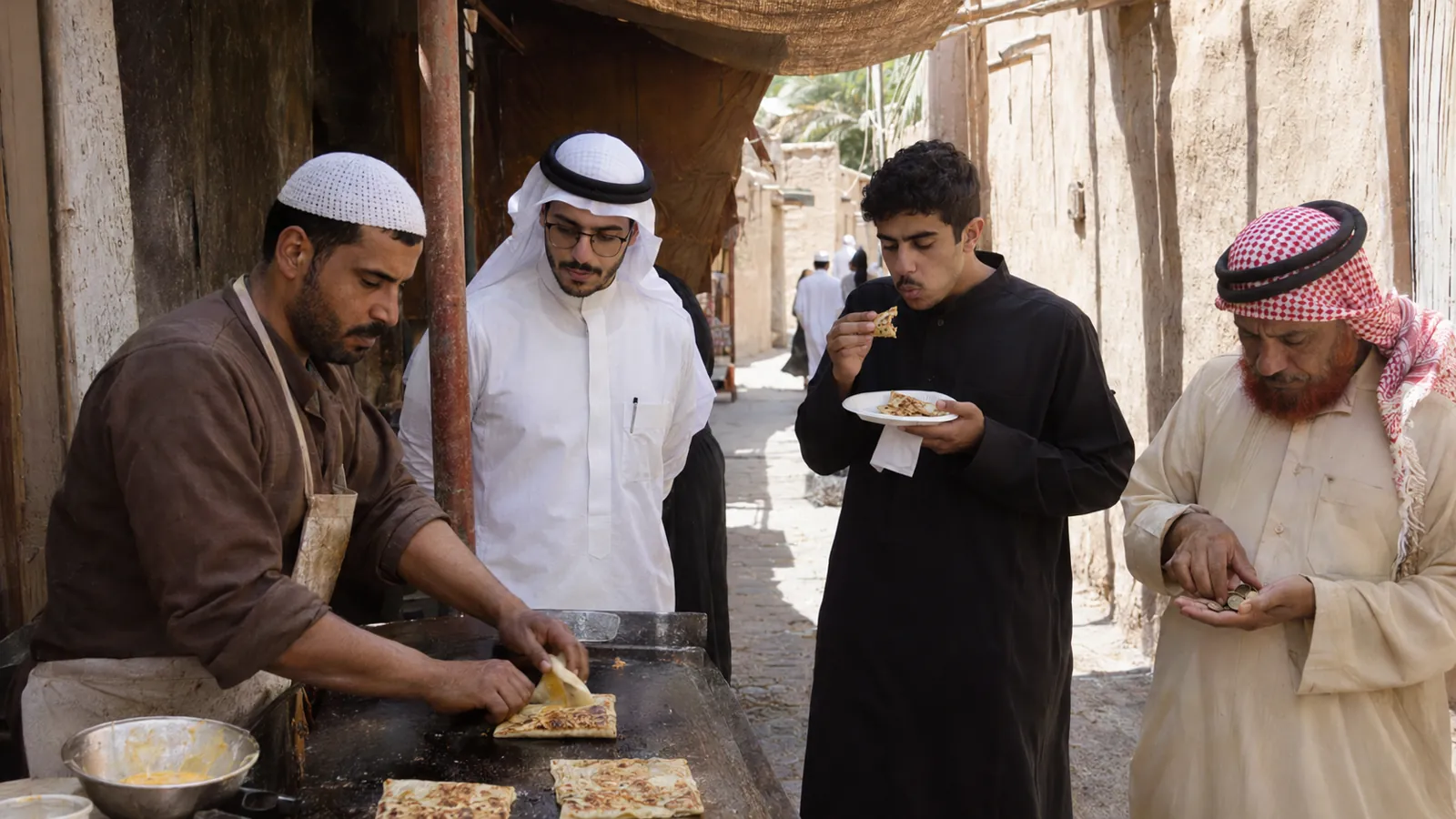 IdeasEating your way through Riyadh’s neighbourhoods with friends
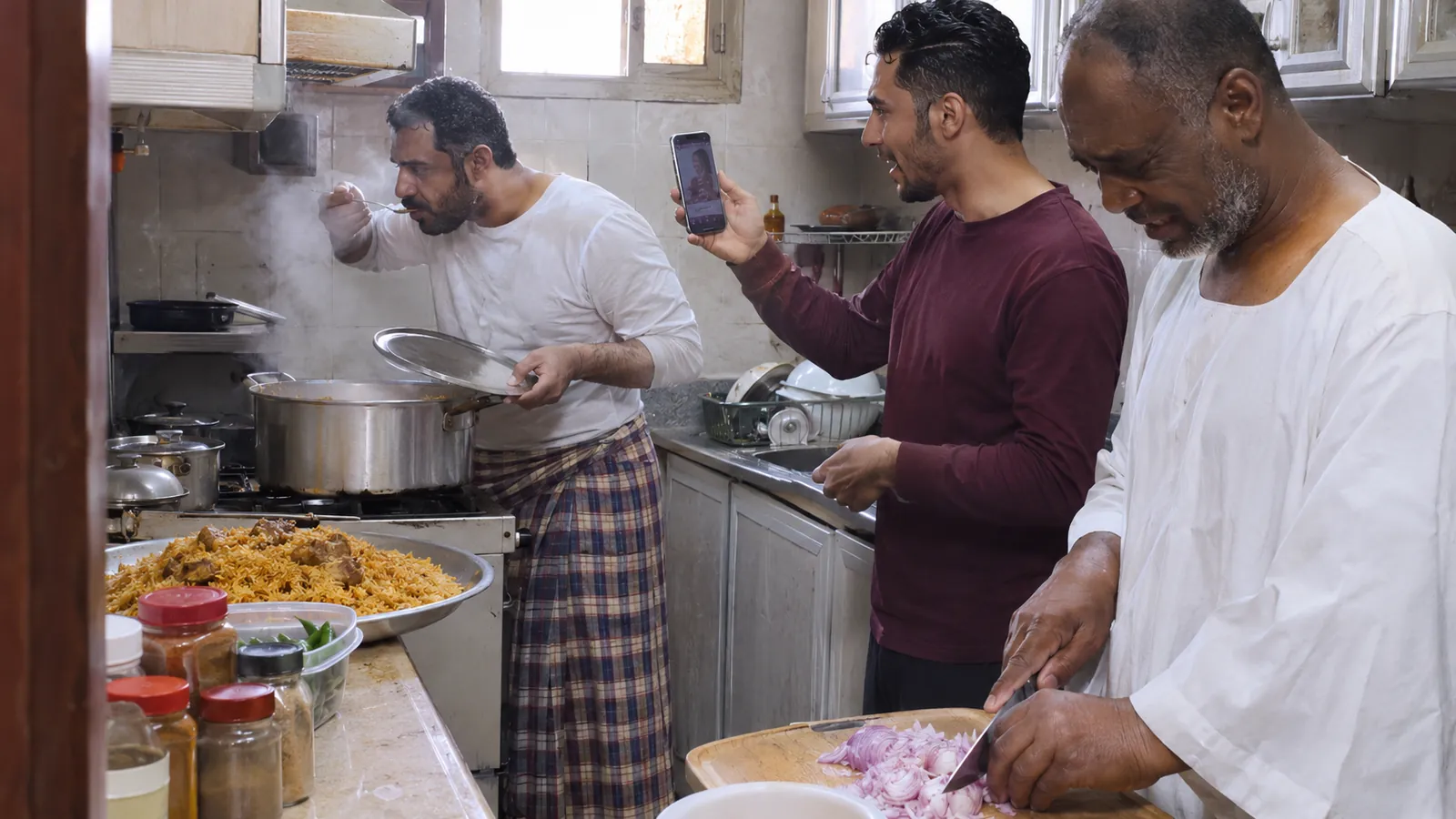 New in townFar from family: building a circle of friends in Riyadh
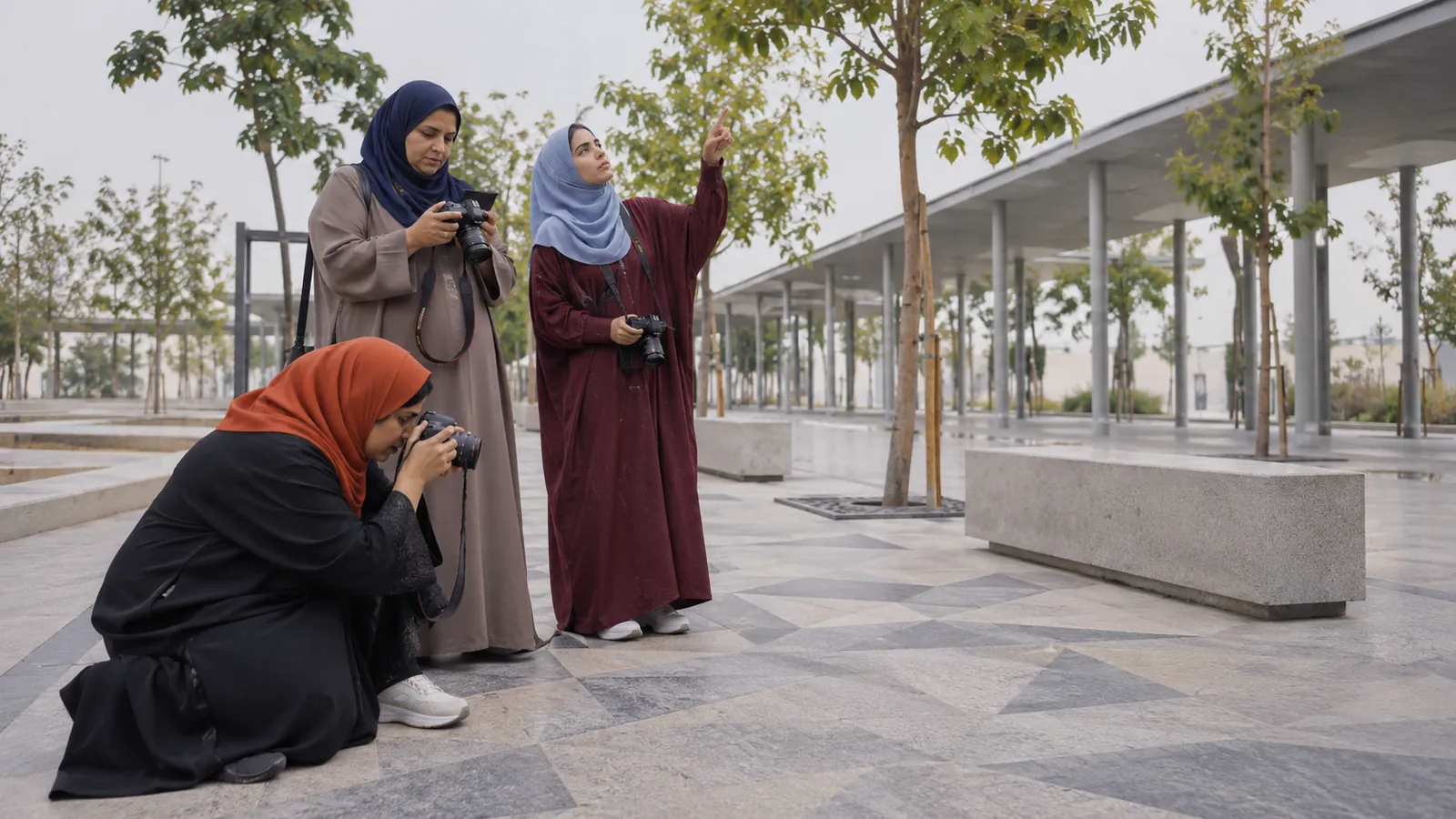 IdeasPhoto walks in Riyadh: from Al Masmak and Deira to Murabba and the new skyline, with a camera and a friend
 IdeasLanguage exchange in Riyadh: learning Arabic or English with a partner, and the friendship that comes with it
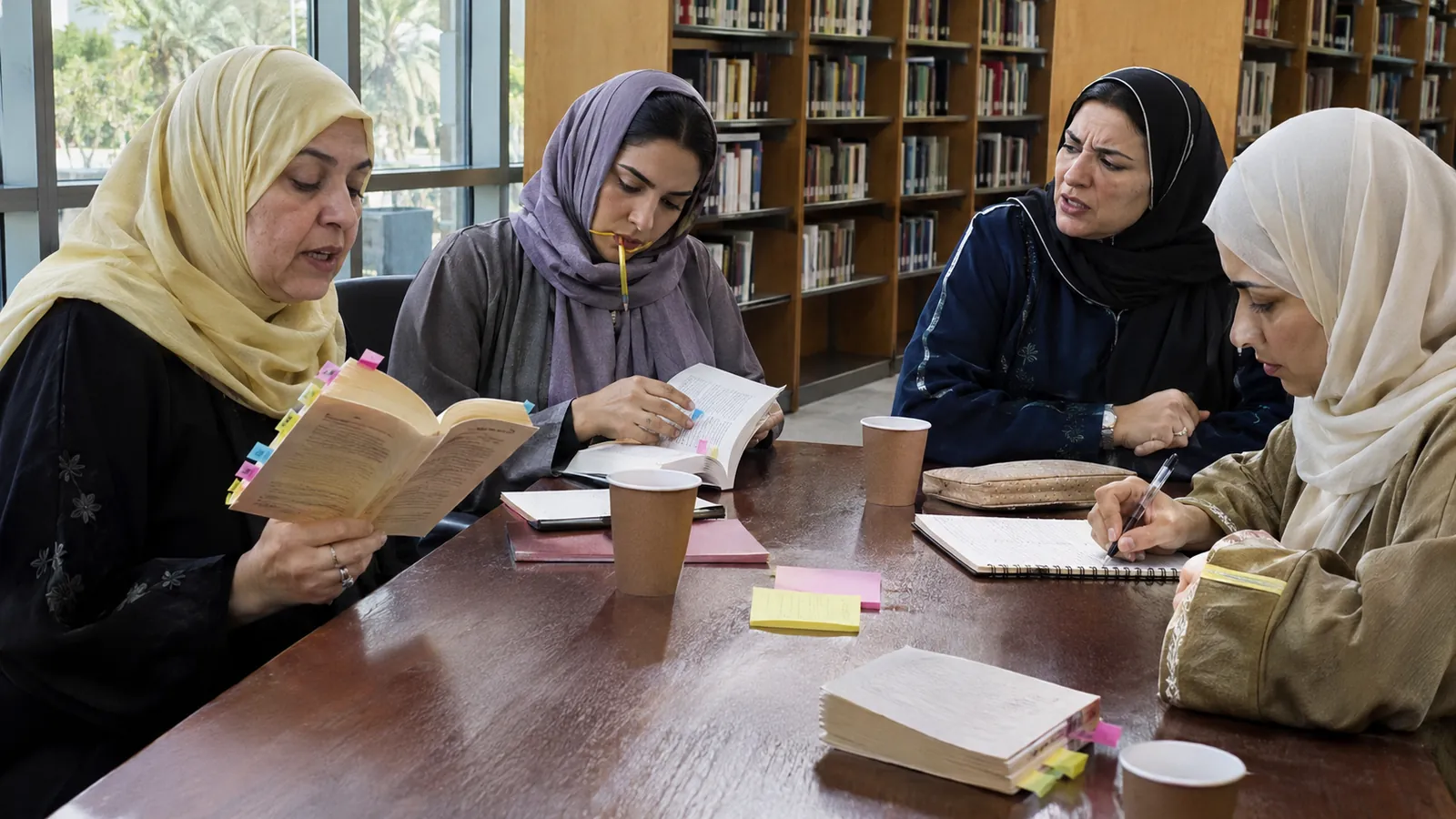 IdeasBook clubs and reading circles in Riyadh: how a shared book turns strangers into friends
 FriendshipFriends next door: getting to know your neighbours in Riyadh
 IdeasLearning a craft together: how calligraphy, pottery and Sadu classes in Riyadh turn into friendships
 IdeasTwo wheels, one group: how a weekend ride in Riyadh turns into friendship
 IdeasInto the desert: day trips near Riyadh that turn new friends into real ones
 CirclesGame nights in Riyadh: how a table of strangers becomes a circle of friends
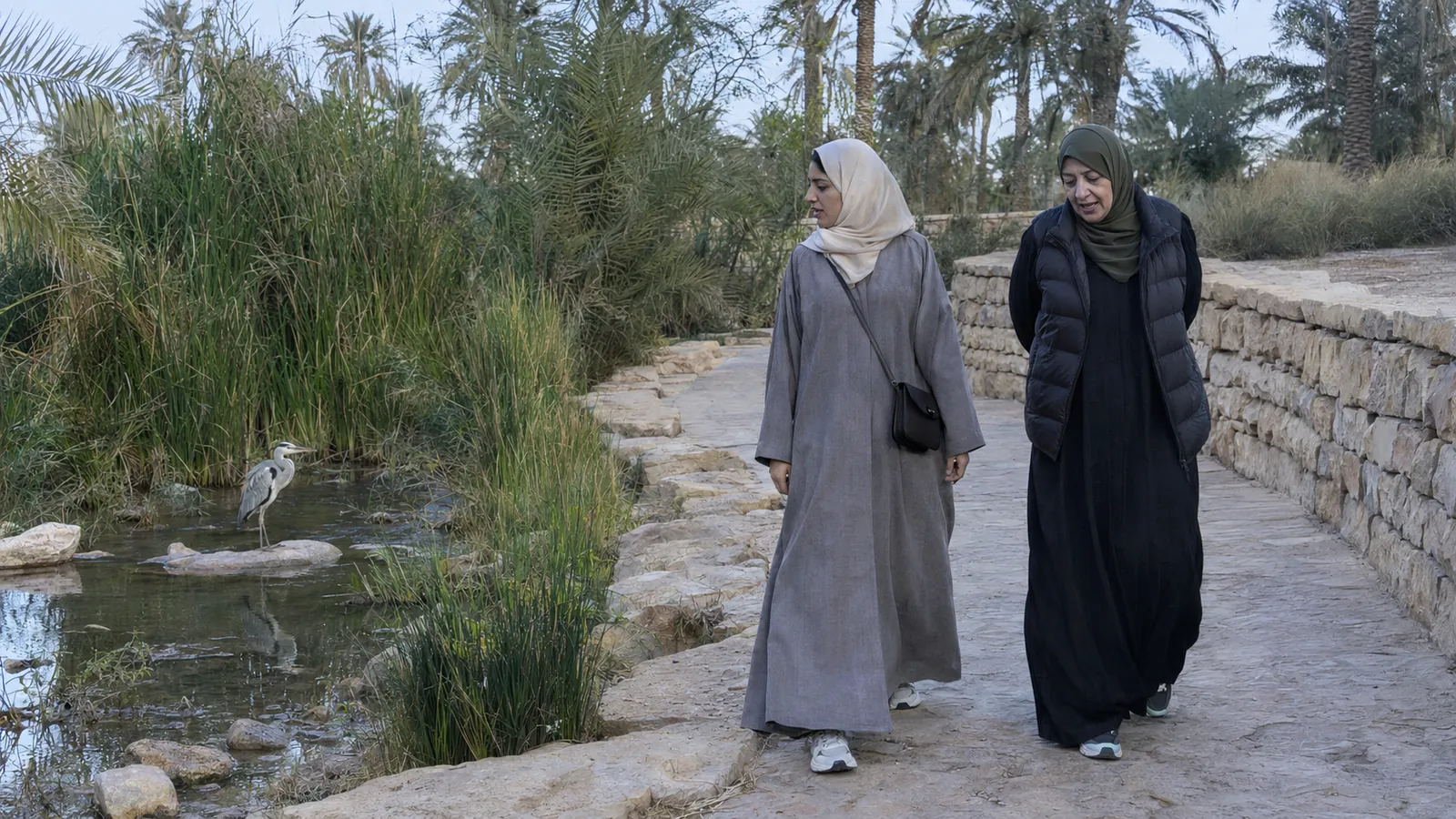 IdeasWadi Hanifa and the walk that turns into a friendship
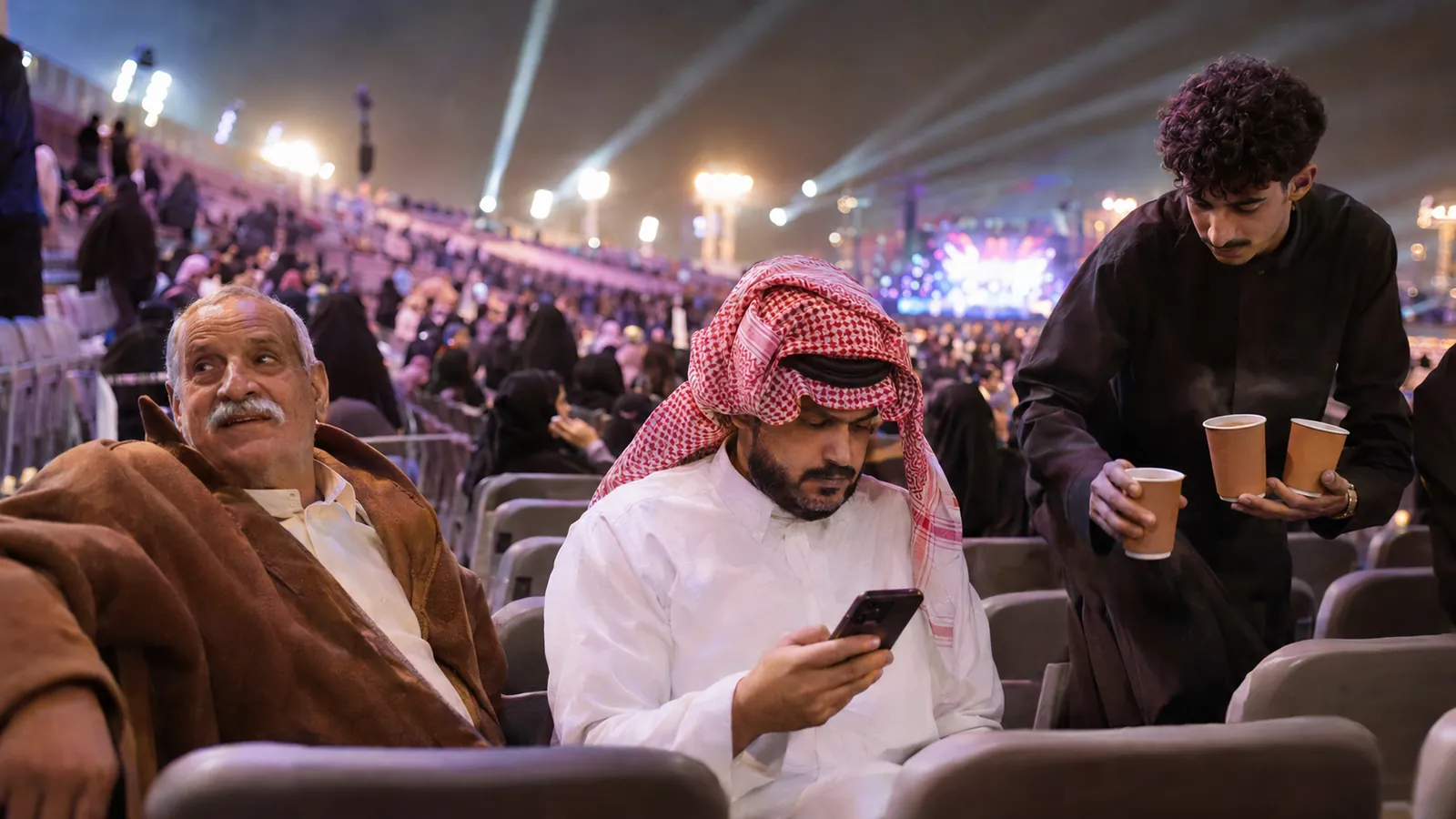 IdeasRiyadh Season with friends: how to make a night of it
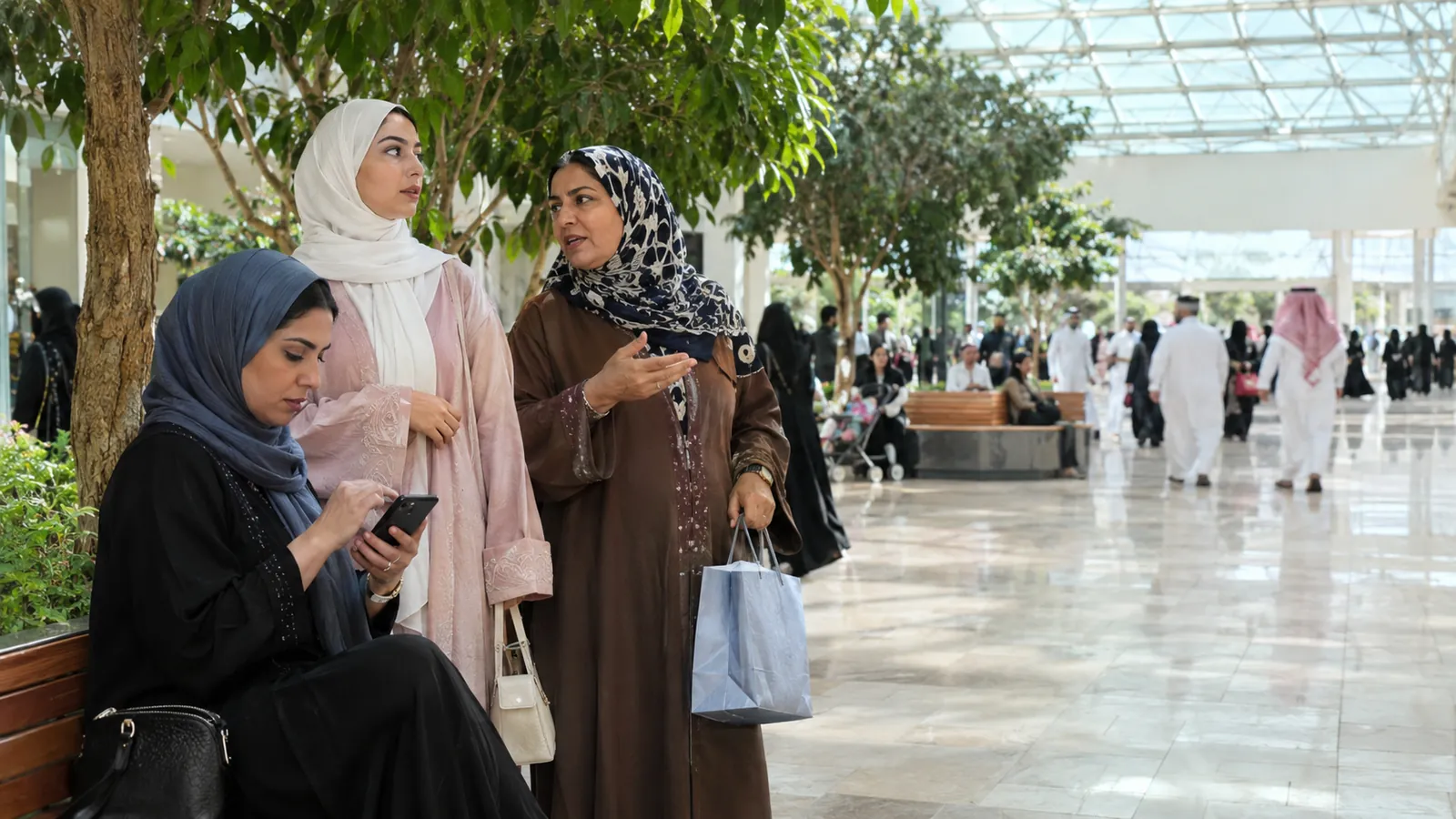 SafetyMeeting new friends safely in Riyadh
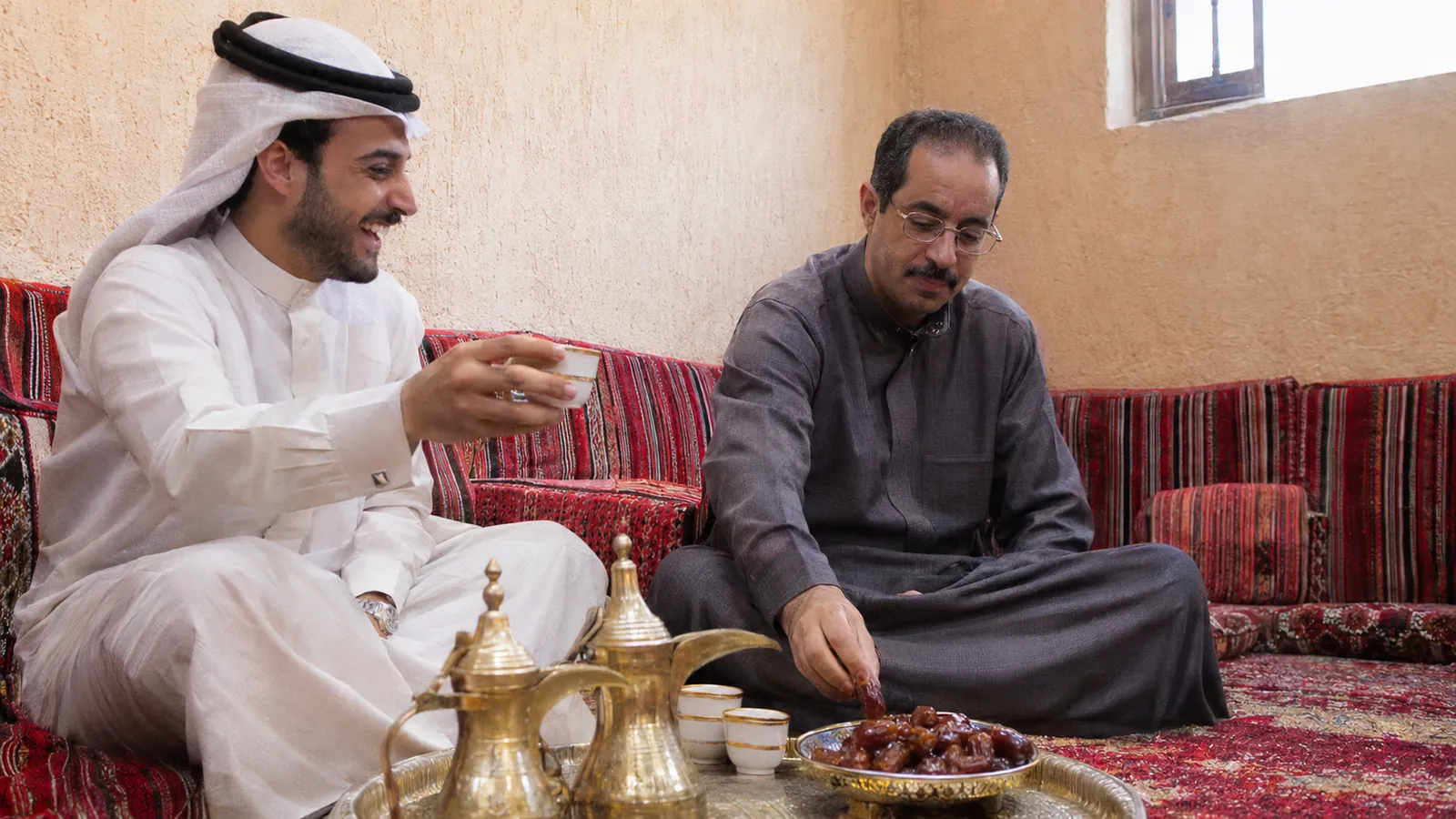 FriendshipWhy coffee is the best first meeting in Riyadh, and how to make it count
 FriendshipMaking friends in Riyadh when you work long hours
 IdeasDiriyah with friends: an evening out that feels like an occasion
 FriendshipMaking friends in Riyadh as a woman: where to start
 IdeasWhy padel is Riyadh’s friendship machine
 IdeasYour first Riyadh weekend with new friends: a Thursday-to-Saturday plan
 FriendshipHow to make friends in Riyadh as a grown-up
 New in townNew in Riyadh? How to build a social life in your first three months
 IdeasThings to do with new friends in Riyadh this season