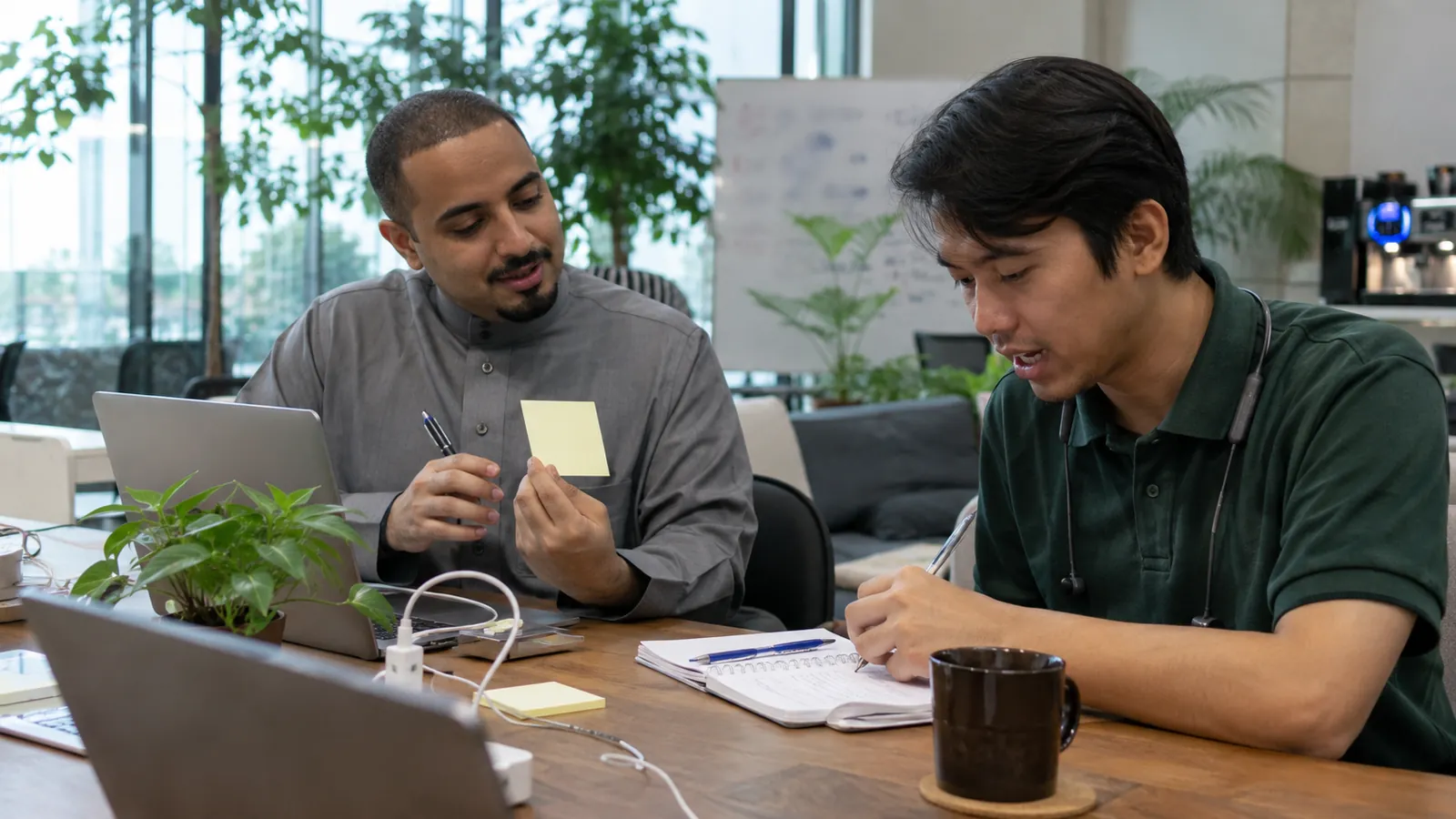
Tom had been in Riyadh for a year and could say exactly four things in Arabic: hello, thank you, God willing, and the name of his district to a taxi driver. He worked on a project in KAFD, spent his days in English and his evenings in his flat, and felt slightly ashamed every time a colleague switched languages to accommodate him. Fahad, a young accountant two floors down, had the opposite problem. He was preparing for a master's degree abroad, his written English was excellent, and he froze whenever he had to speak it with a native speaker.
A mutual colleague introduced them over lunch and suggested they help each other. They agreed to meet on Monday evenings at a café near the office: thirty minutes in Arabic, thirty minutes in English, one coffee each. The first session was halting and full of laughter. Tom mispronounced a word so badly that Fahad had to put his cup down. Fahad apologised for his grammar so often that Tom banned the word sorry. They kept going. Eighteen months later Tom can hold a slow, cheerful conversation in Arabic, Fahad has his place at a university abroad, and they still talk every week, now mostly about football and Fahad's plans, in whichever language comes first.
Why language exchange builds friendship so well
A language exchange is one of the most generous arrangements two people can make. Each of you gives the other something valuable, your own language, and each of you agrees to be a beginner in front of someone else. That second part matters more than it seems. Being bad at something together, and being patient with each other about it, creates a kind of closeness that ordinary small talk never reaches. You see the other person struggle, try again and laugh at themselves, and they see you do the same.
It also solves the problem that stops most new friendships: having a reason to meet again. A language partner is not a vague acquaintance you should probably catch up with one day. There is a standing appointment, a shared goal and visible progress, all of which make it easy to keep showing up. And because you need things to talk about, the conversations range widely. Food, family, childhood, work, what you think of the city. In a few months you know far more about your partner's life than you know about most of your colleagues.
Riyadh is made for it
Few cities have as many people who want to learn each other's languages. Riyadh is home to Saudis who want confident spoken English for work, study or travel, and to people from all over the world who would love to speak Arabic properly, beyond the few phrases that get them through the day. Many also want more than classical Arabic from a textbook. They want the everyday Arabic of the city, the Najdi expressions they hear in shops and offices, and there is no better teacher for that than a friend who grew up speaking it.
The language does not have to be Arabic or English, either. People in Riyadh exchange French, Urdu, Tagalog, Korean, Spanish and Turkish. A Saudi colleague who studied in France may be glad to keep her French alive, and a newcomer from Seoul may be delighted to teach Korean in return for Arabic. The format works the same way for any pair.
How to set up an exchange that lasts
The simplest format is the one Tom and Fahad used: one hour, split down the middle, with a clear switch halfway through. A timer on the phone keeps it honest, because the stronger speaker always drifts into their own language without noticing. Keep the second half genuinely in the second language, even when it is slower and harder. That is where the learning happens.
Choose a fixed time and a fixed place. Monday at seven at the same café is easier to keep than "sometime next week", and the routine does a lot of the work for you. Pick somewhere public, comfortable and not too loud: a quiet café in your district, a library reading area, a hotel lobby with good seating. Keep it close to home or work. In a city as large as Riyadh, a ten-minute drive survives a busy week far better than a forty-minute one.
Bring something to talk about. A news story, a photo from the weekend, a menu, a short video, a list of words you heard and did not understand. Some pairs choose a topic each week, such as food, family or travel, so both sides can prepare. Correct each other gently and sparingly. Too many corrections stop the conversation; none at all stops the progress. A good rule is to let small mistakes pass and to note the big ones down and go through them at the end.
And mind the norms. In Riyadh most exchange partners are women with women and men with men, which keeps the arrangement comfortable for everyone and their families. Meet in public places, especially at the beginning, and let the friendship grow at its own pace.
When it stalls, and it will
Almost every exchange hits a flat patch around the second month. The easy topics are used up, progress feels slower, and one of you cancels because of a deadline. This is the point at which most partnerships quietly fade, and it is completely normal. The fix is usually to change the format rather than stop. Walk instead of sitting, through a park or along a district walkway, and describe what you see in the second language. Cook something together and explain the recipe. Visit a museum and take turns reading the labels aloud. A small change of setting brings back the energy, and it gives you something new to talk about.
It also helps to say plainly what you each want. One person may want grammar, the other only conversation. Agreeing on that early saves months of polite frustration.
Groups are good too
Not everyone wants a single partner at first. Small language tables, where a handful of people meet in a café and move between two languages around one table, are a lovely way to start. You hear several accents, you can stay quiet while you get your bearings, and you quickly discover the one or two people you would like to see one to one. Many lasting exchange partnerships begin with a conversation across a group table.
When the exchange becomes a friendship
The language is the reason you start. It is rarely the reason you stay. Somewhere along the way, a language partner becomes the person who explains why everyone is so excited about a particular football match, who takes you to their favourite place for kabsa, who tells you which Arabic words you must never use in front of his mother, and who listens when you talk about missing home. In return, you become the person who helps with a cover letter, rehearses a presentation, or explains why the British apologise for everything.
That exchange of everyday help is the real currency of friendship, and a language partnership produces it naturally. Tom said the moment he realised Fahad was a friend, not a tutor, was when Fahad called him on a Friday afternoon just to tell him he had been accepted at his university. "He called me before he called half his cousins," Tom said. "I was very proud of my Arabic that day, because I managed to congratulate him properly."
Where TruFriend fits
Finding the right exchange partner is mostly a matter of luck: the right languages, the right level, the right part of the city and a schedule that fits. TruFriend is built for friendship only, and it takes the luck out of the first step. Tru, our assistant, gets to know which languages you speak and want to learn, when you are free and where in Riyadh you are, then introduces you to a few compatible people nearby, with the reasons you might get along. A conversation only opens when both of you say yes, and plans happen in public places. Circles such as Language exchange, Coffee & conversation and New in Riyadh make it easy to begin with one coffee and two languages.
TruFriend is for friendship only, for grown-ups aged 18 and over, and free for founding members. Join TruFriend: it takes a minute.
Don’t just read about it
Join a circle of people in Riyadh who enjoy the same things. Members already on TruFriend can join from the app or suggest a plan in any chat.
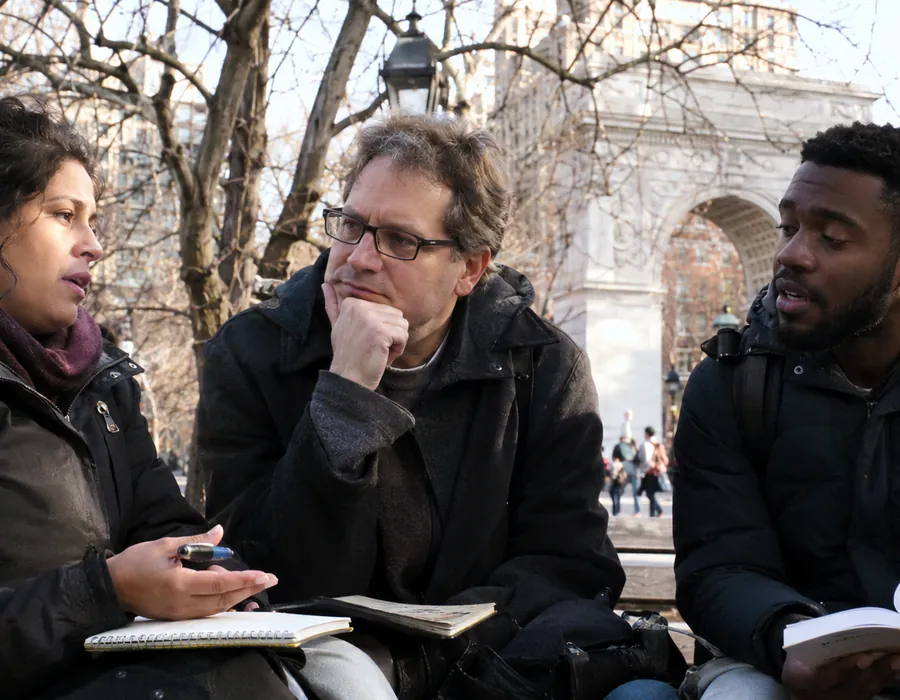 Language exchangeA friendship circle for language exchange in Riyadh: practise Arabic, English or another language over coffee, and help someone with yours.
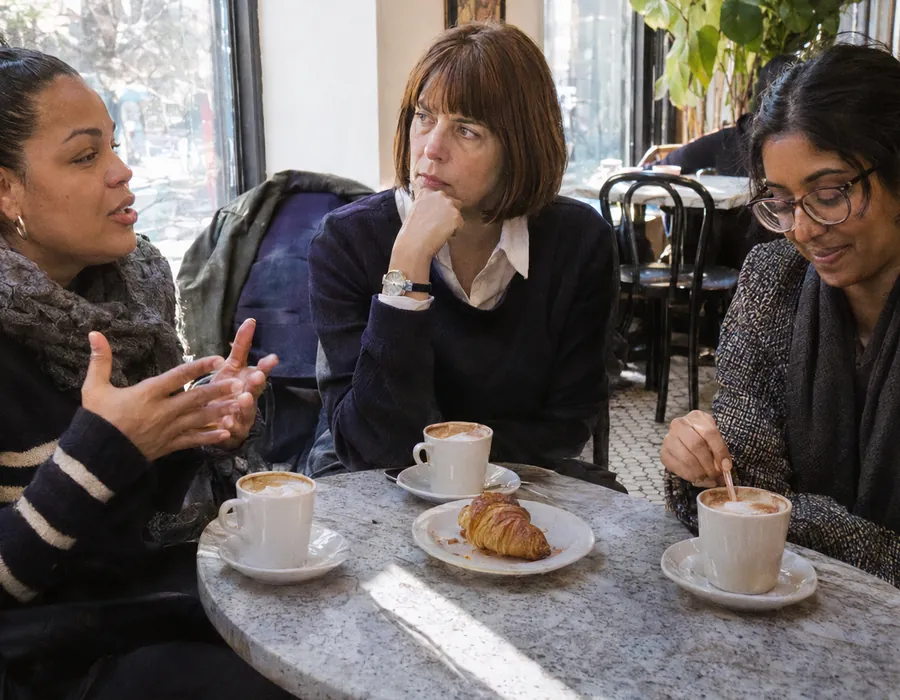 Coffee & conversationA friendship circle for people who enjoy cafés and unhurried conversation in Riyadh. Low-pressure first meetings, close to home.
 New in RiyadhA friendship circle for people who have recently moved to Riyadh: settle in, explore the city and build a social life with others doing the same.
Where to meet in Riyadh
Public places picked for small groups of 3 to 10, sorted by interest and area.
Keep reading
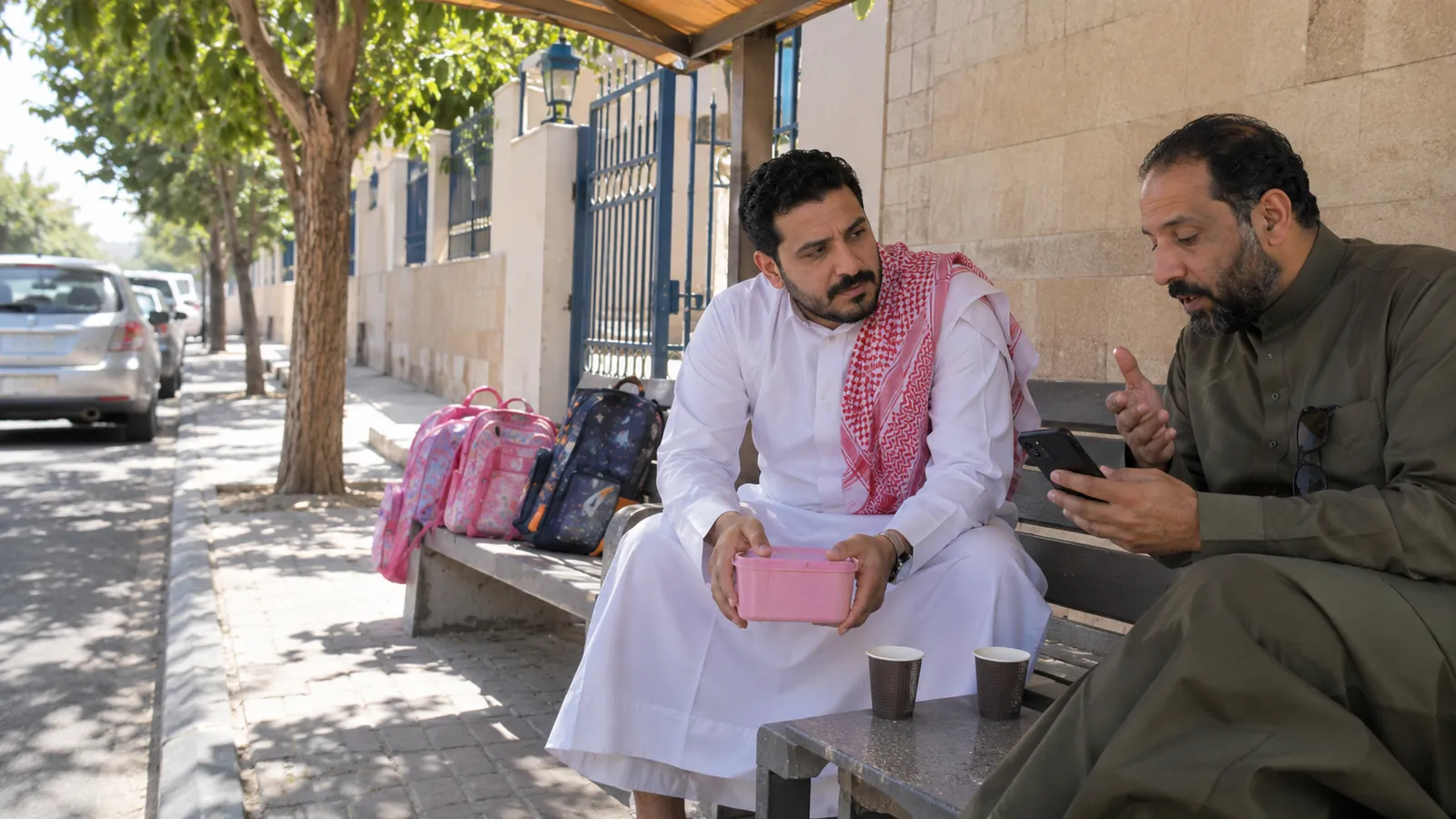 FriendshipMaking friends as a parent in Riyadh, and keeping a friendship of your own
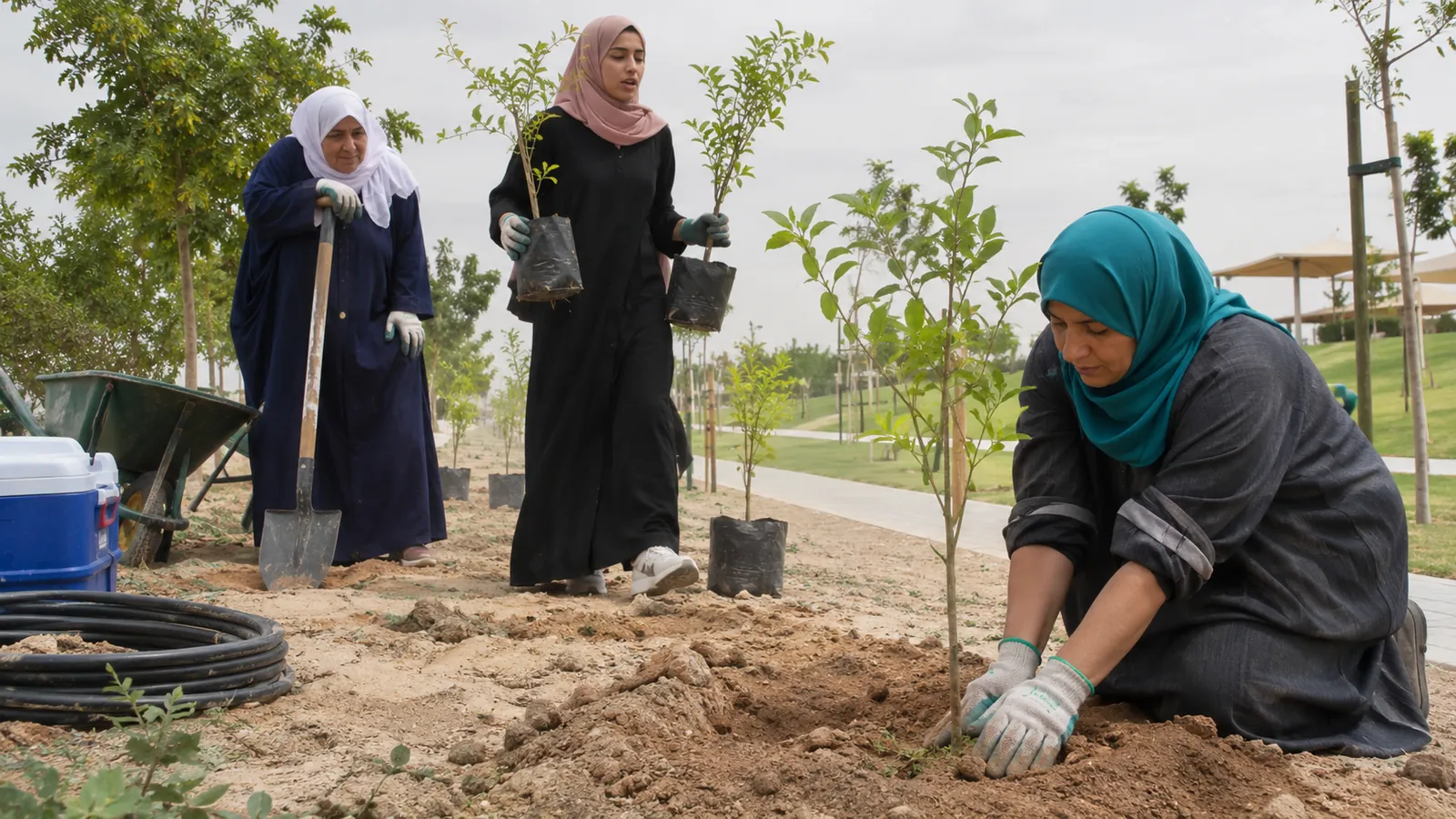 IdeasVolunteering in Riyadh: why giving time together builds trust so fast
 FriendshipFrom acquaintance to friend in Riyadh: the small steps that make it real
 CirclesMeeting people through AI and tech in Riyadh: from big events to a small circle that keeps learning
 IdeasEating your way through Riyadh’s neighbourhoods with friends
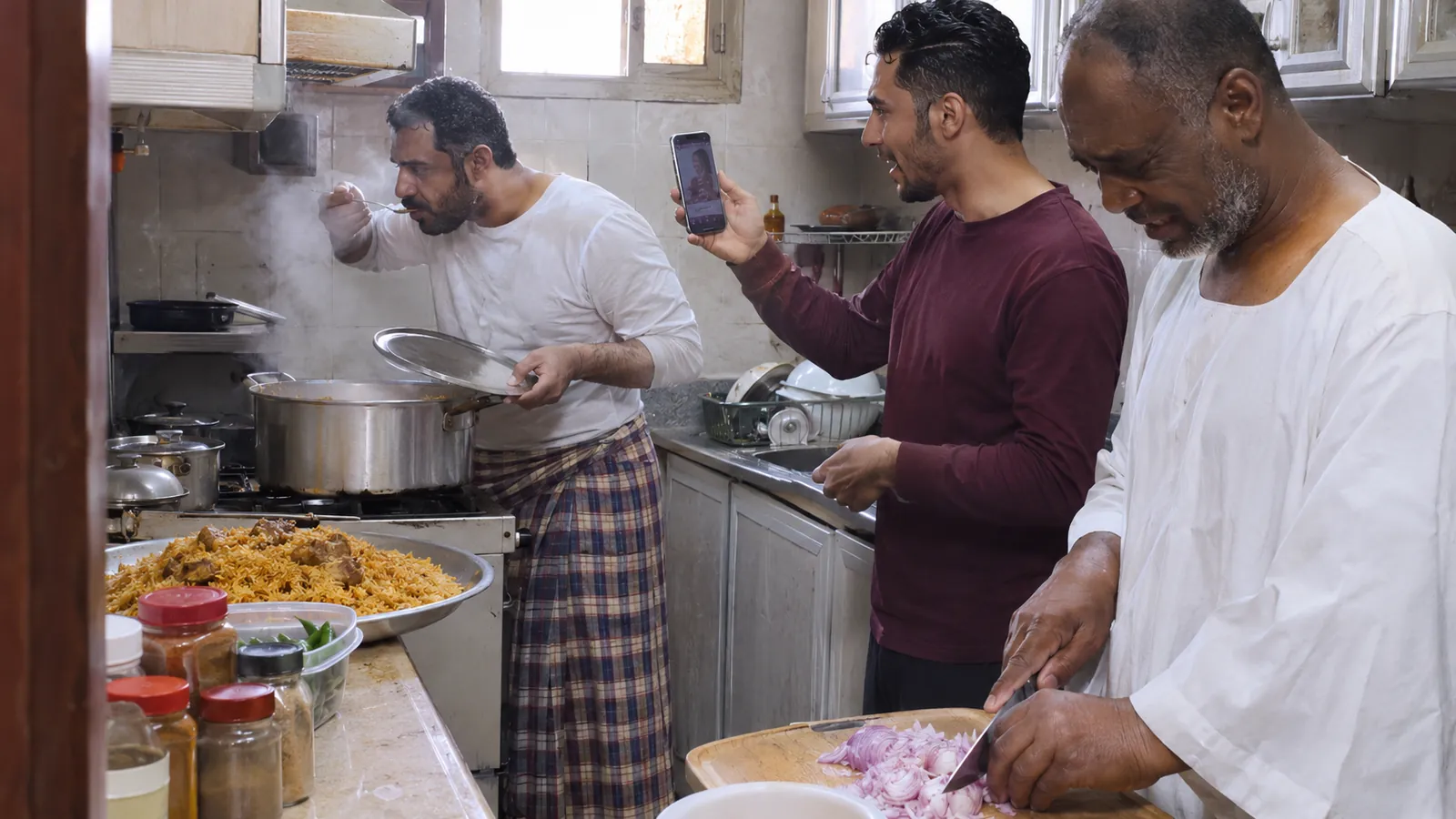 New in townFar from family: building a circle of friends in Riyadh
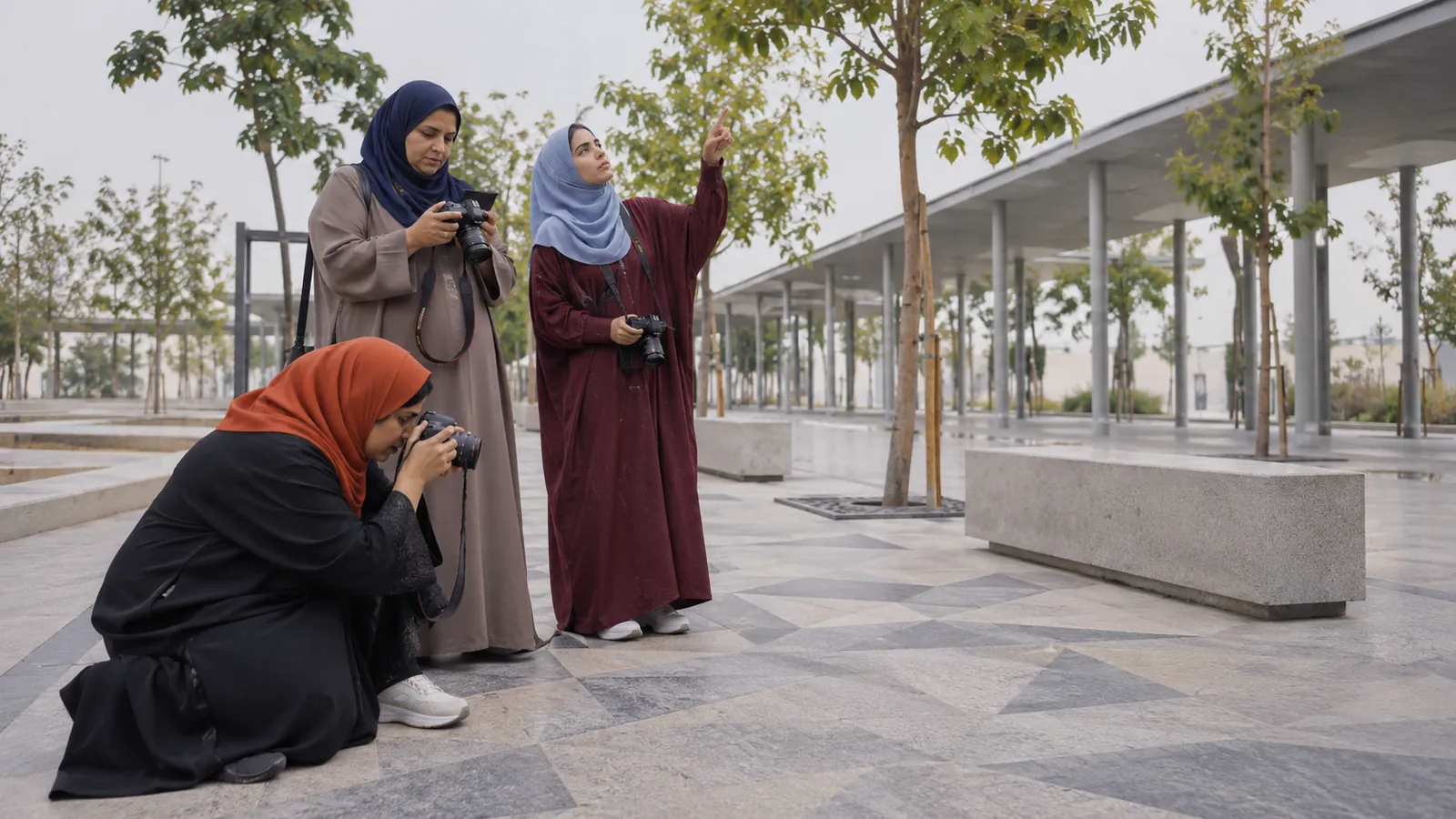 IdeasPhoto walks in Riyadh: from Al Masmak and Deira to Murabba and the new skyline, with a camera and a friend
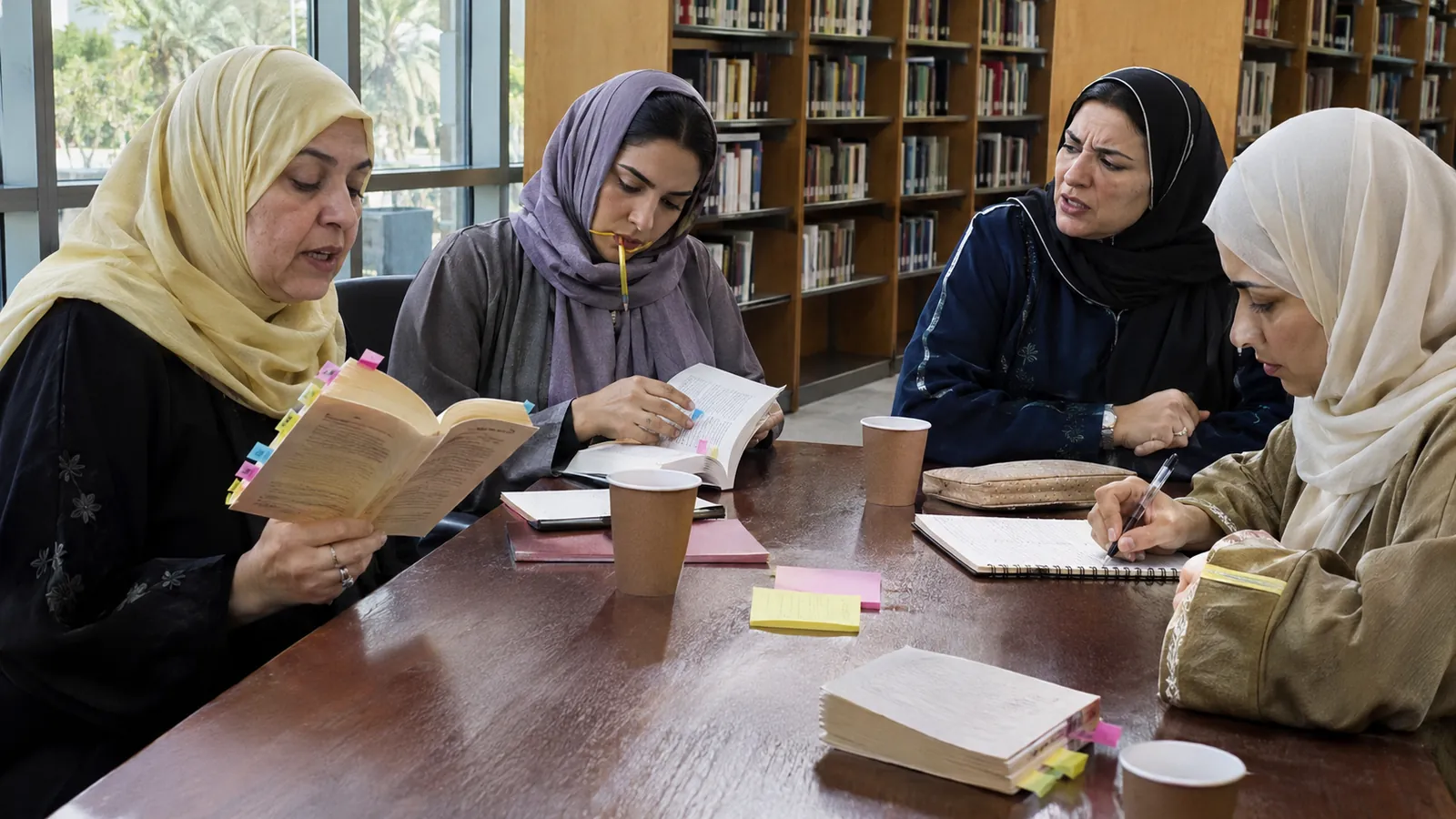 IdeasBook clubs and reading circles in Riyadh: how a shared book turns strangers into friends
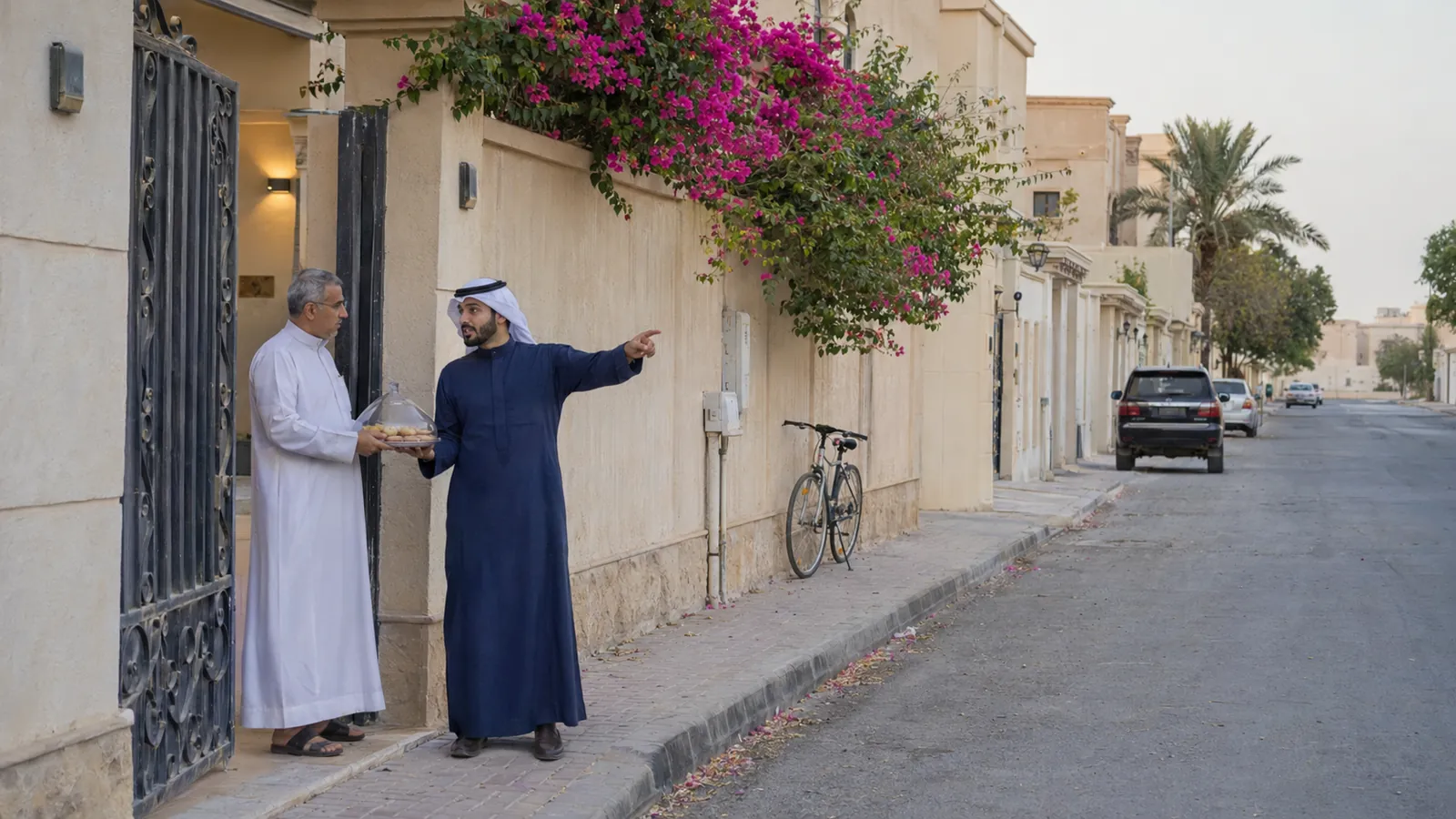 FriendshipFriends next door: getting to know your neighbours in Riyadh
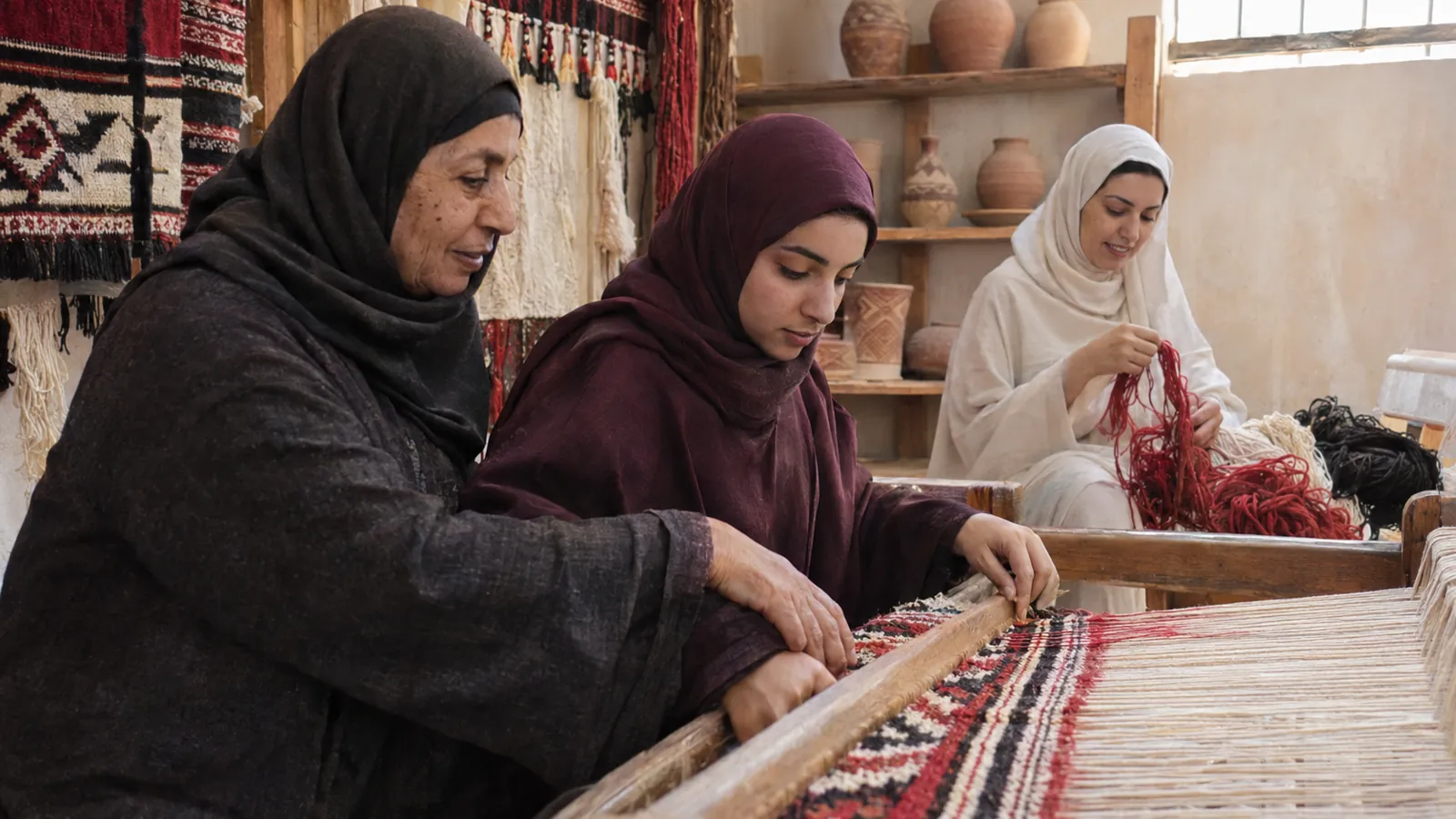 IdeasLearning a craft together: how calligraphy, pottery and Sadu classes in Riyadh turn into friendships
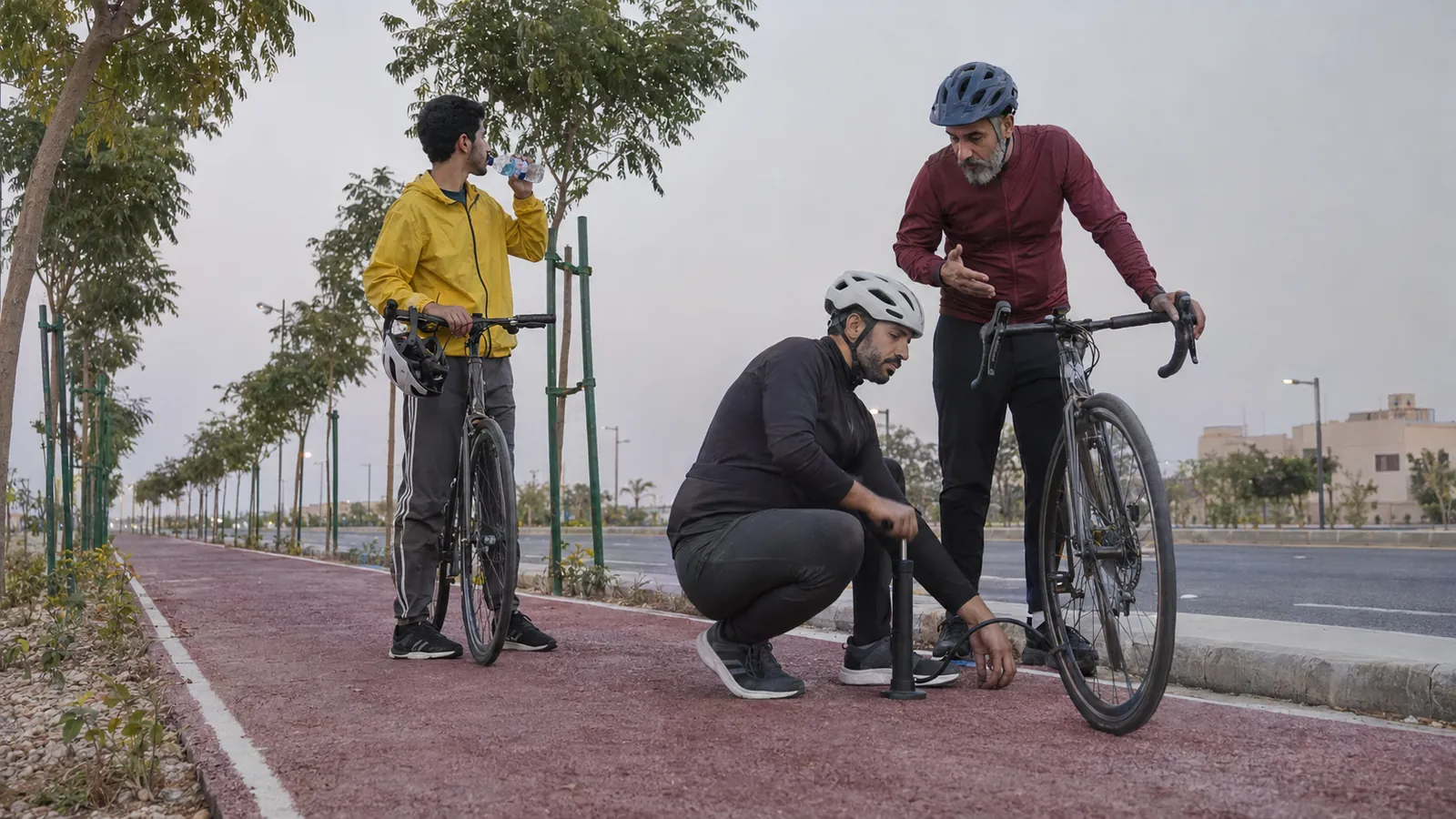 IdeasTwo wheels, one group: how a weekend ride in Riyadh turns into friendship
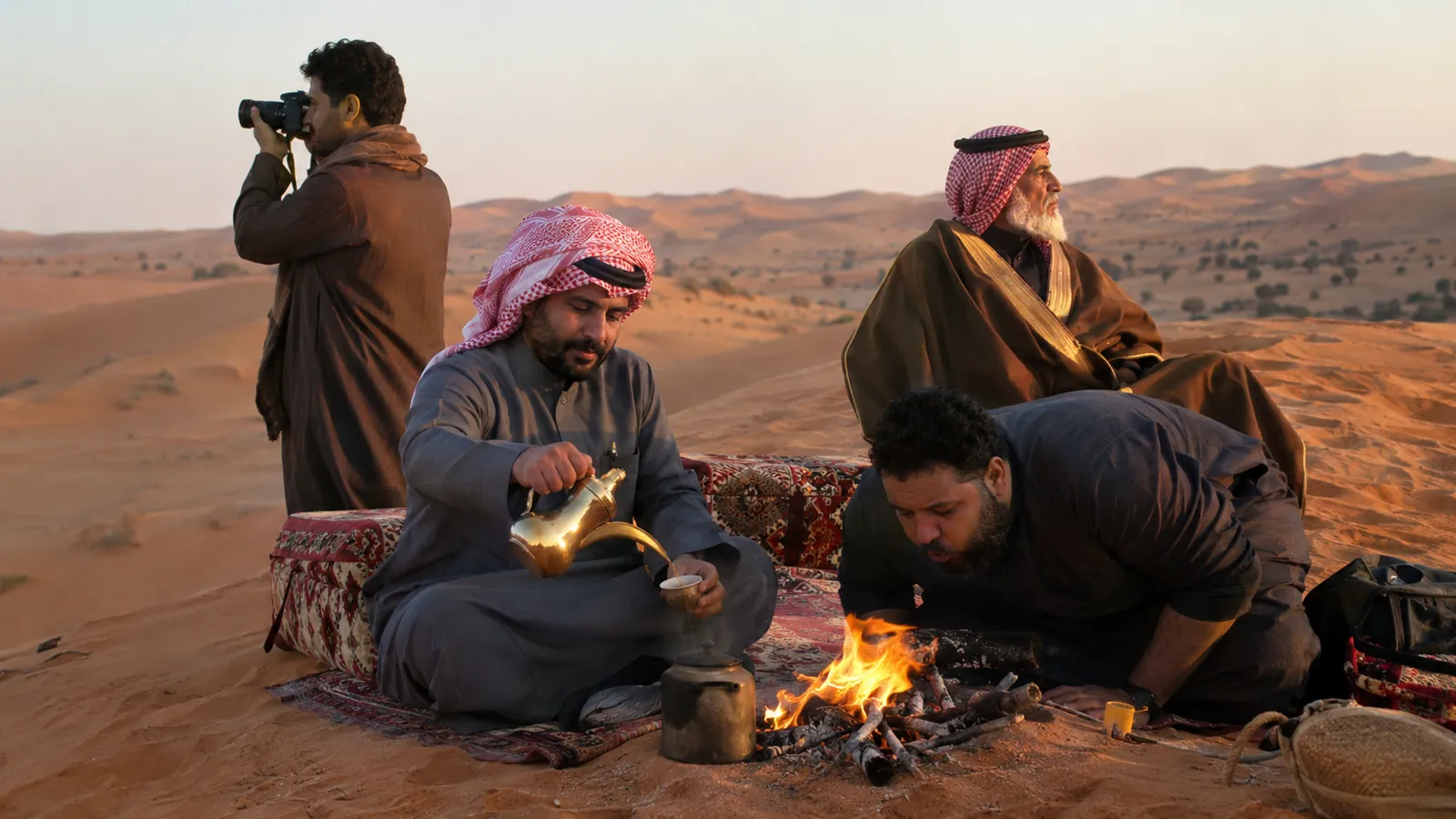 IdeasInto the desert: day trips near Riyadh that turn new friends into real ones
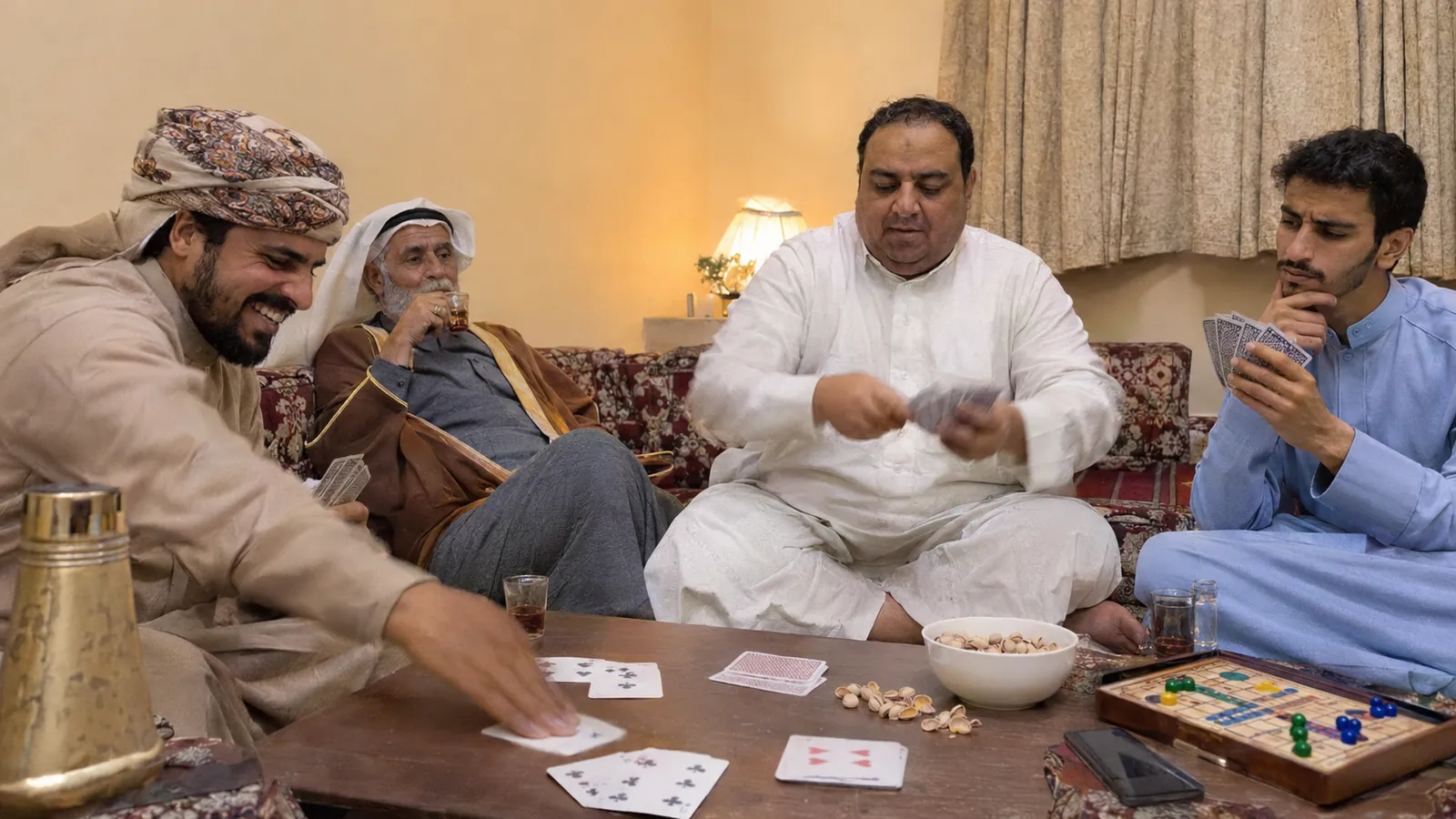 CirclesGame nights in Riyadh: how a table of strangers becomes a circle of friends
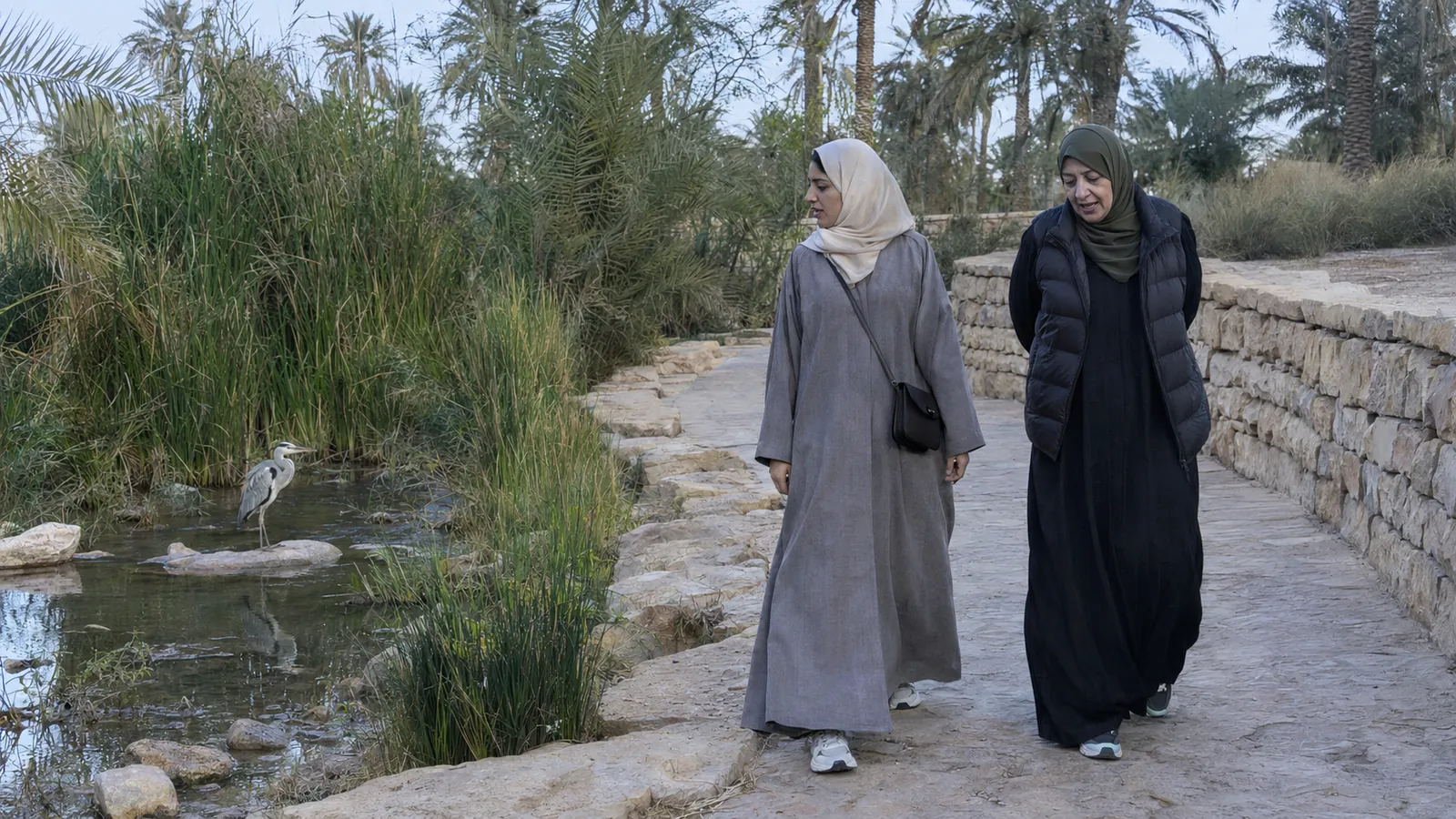 IdeasWadi Hanifa and the walk that turns into a friendship
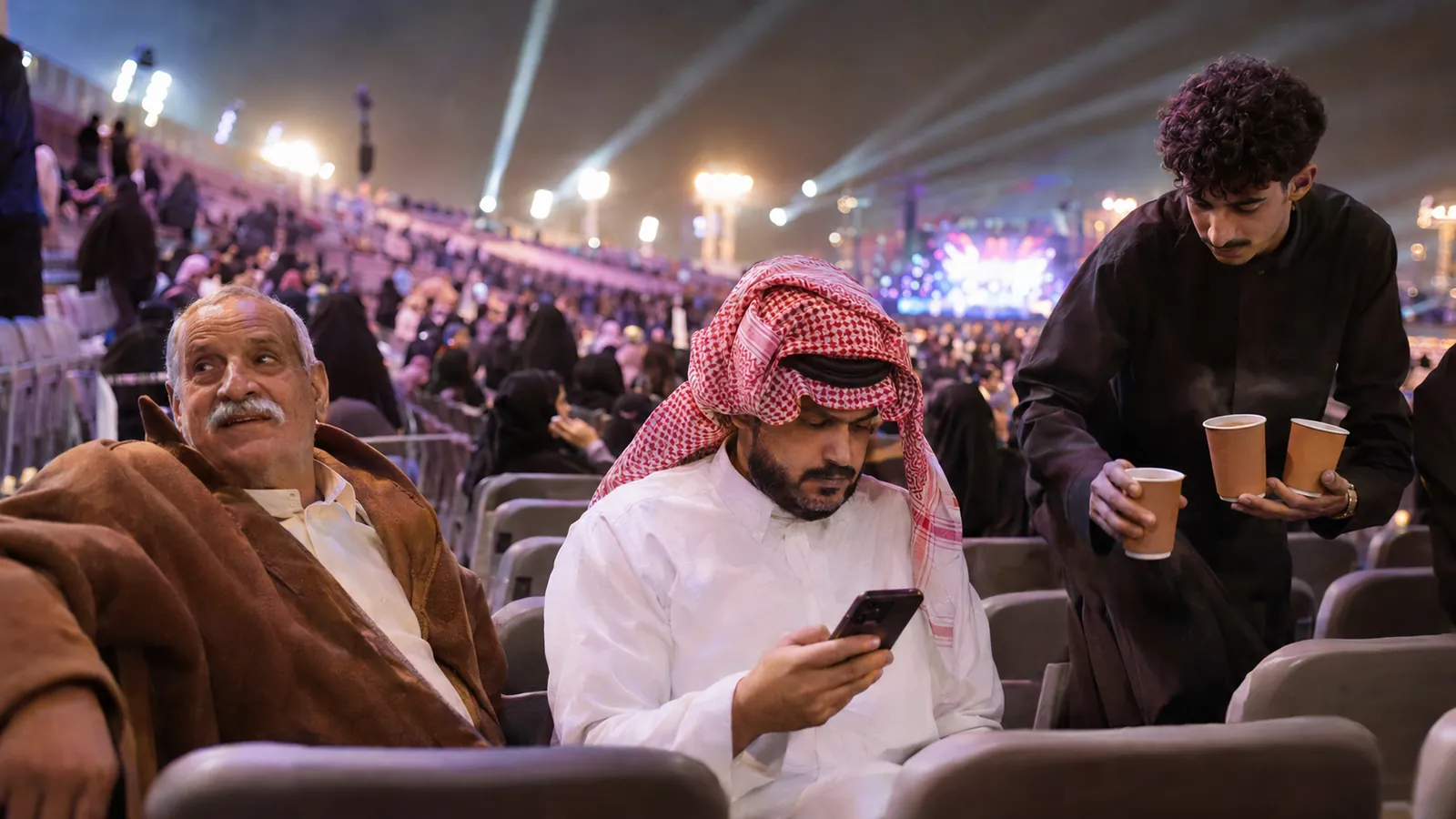 IdeasRiyadh Season with friends: how to make a night of it
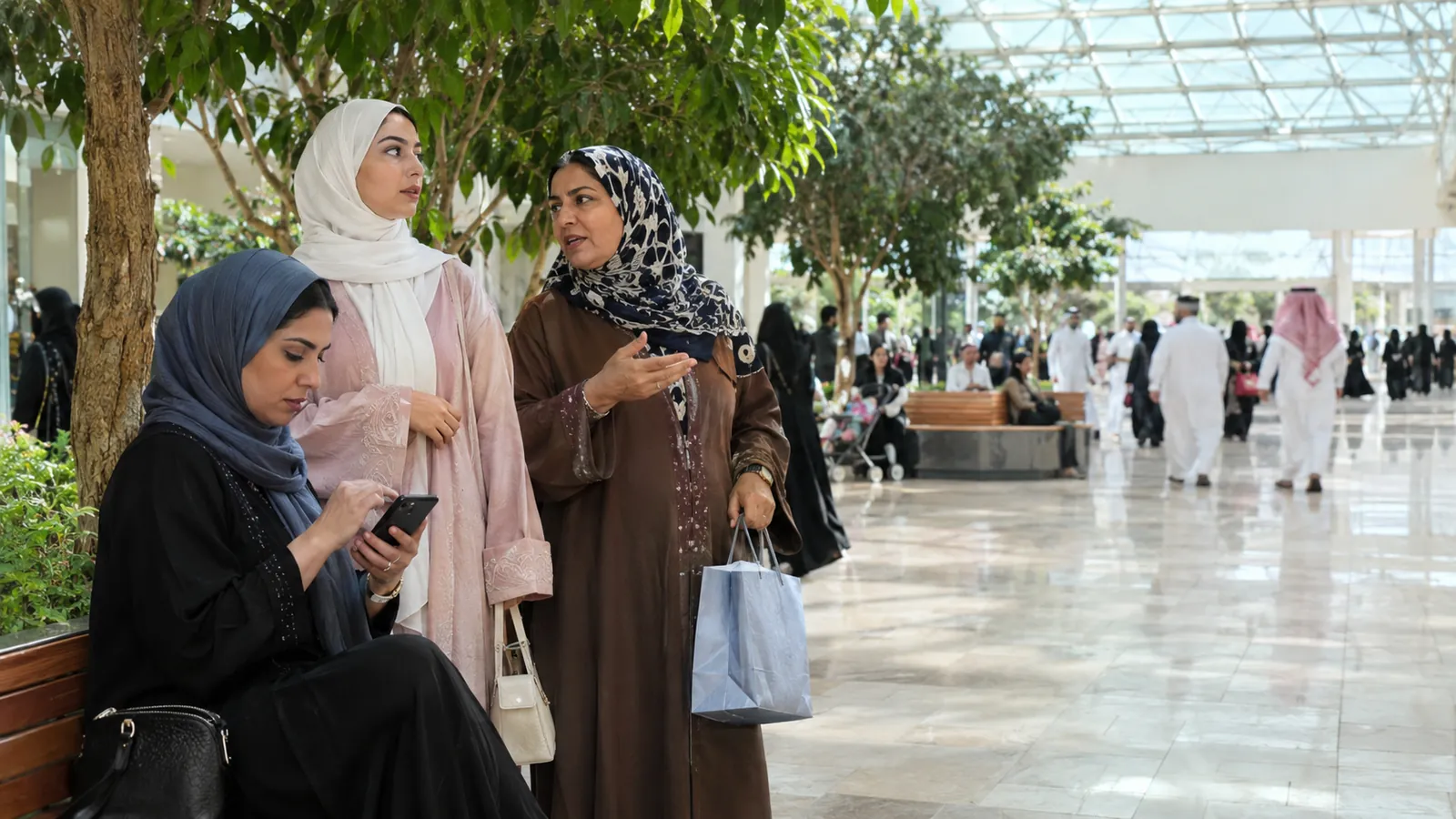 SafetyMeeting new friends safely in Riyadh
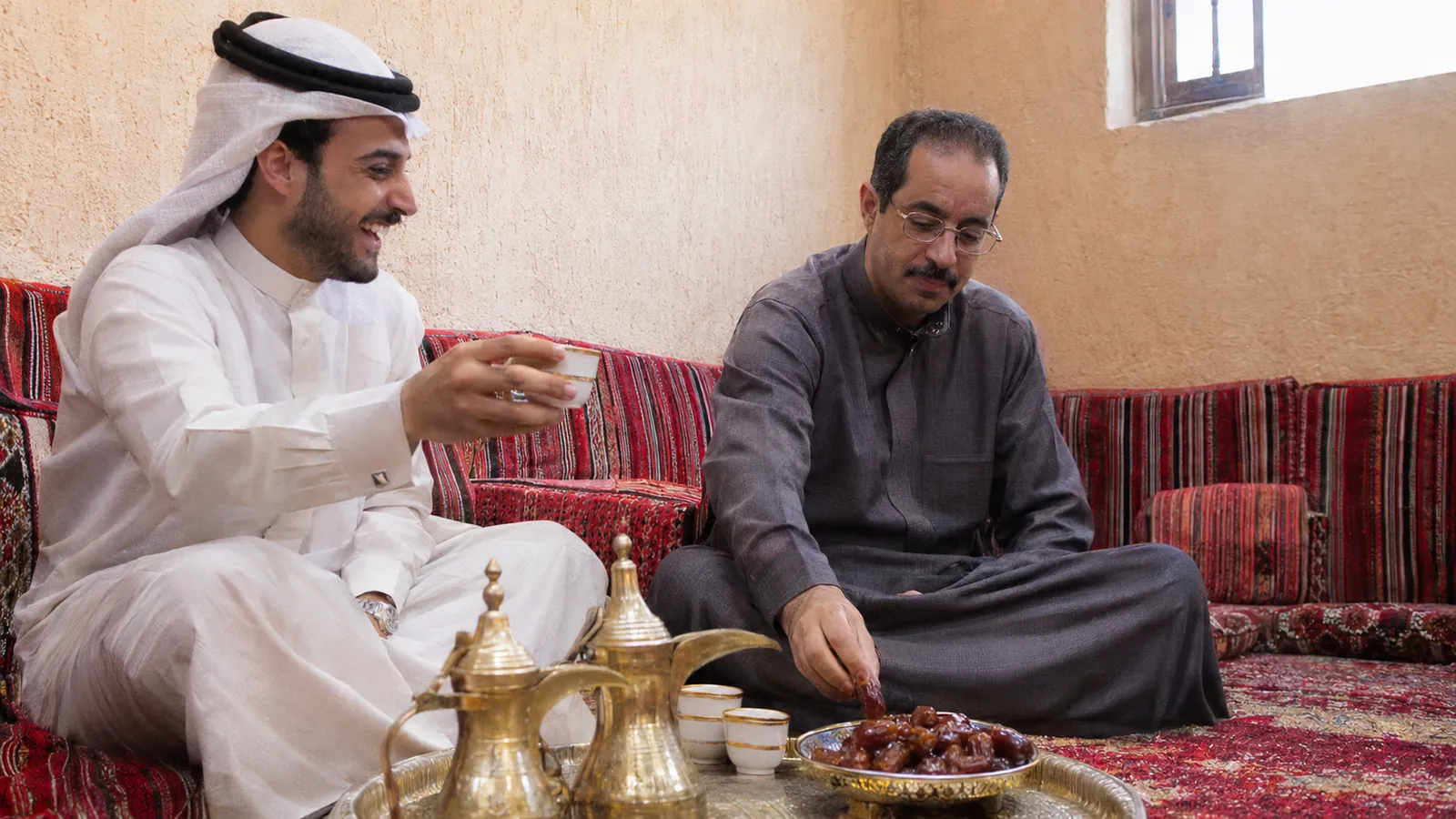 FriendshipWhy coffee is the best first meeting in Riyadh, and how to make it count
 FriendshipMaking friends in Riyadh when you work long hours
 IdeasDiriyah with friends: an evening out that feels like an occasion
 FriendshipMaking friends in Riyadh as a woman: where to start
 IdeasWhy padel is Riyadh’s friendship machine
 IdeasYour first Riyadh weekend with new friends: a Thursday-to-Saturday plan
 FriendshipHow to make friends in Riyadh as a grown-up
 New in townNew in Riyadh? How to build a social life in your first three months
 IdeasThings to do with new friends in Riyadh this season