Lama signed up for her first volunteering shift because her manager suggested it, not because she was looking for friends. She had been in Riyadh for seven months, working in a bank in the north of the city, and her social life consisted of colleagues, a cousin in Al Rawdah and a lot of evenings at home. The shift was on a Saturday morning, sorting donated winter clothes and blankets in a charity warehouse, ready for families who needed them as the nights grew colder.
She arrived expecting to fold things quietly for three hours and go home. Instead she found herself at a long table with four women she had never met: a university student from Jazan, a retired teacher, a pharmacist from Jordan and a young mother who had come with her sister. Within twenty minutes they had developed a system. Within an hour they were laughing about a box of children's jackets that all seemed to be the same shade of orange. By the end of the morning they had a WhatsApp group called "Saturday blankets", and Lama had plans for coffee on Monday.
Three months later, that group is the closest thing she has to a circle of friends in the city. She says she learned more about those four women in three Saturday mornings than she had learned about some colleagues in half a year.
Why working side by side works so well
There is a reason volunteering produces friendships so reliably, and it is not just that volunteers tend to be kind people, although they often are. It is the structure of the activity itself. When you volunteer, you are not facing someone across a table trying to think of something to say. You are standing next to them, working on the same task, with a shared goal in front of you.
That side-by-side arrangement takes the pressure off. Conversation can start, pause and start again without anyone feeling awkward, because there is always something to do. Small talk turns naturally into real talk. You see how people behave when they are tired, when something goes wrong, when the work needs to be shared out fairly. In a few hours you learn whether someone is patient, generous, funny, reliable. Those are exactly the things you normally only discover after months of acquaintance.
This is why trust builds so fast. Trust is, at its heart, a prediction about how someone will behave. Volunteering lets you watch that behaviour directly, in a setting where everyone is trying to do something good. By the end of a morning spent unloading boxes with someone, you know more about their character than a dozen polite coffees would tell you.
Giving is part of the culture here
In Riyadh, volunteering sits on deep foundations. Giving time and help to others is woven into the faith and the culture, and the habit of looking after neighbours, relatives and strangers runs through Saudi life. In recent years volunteering has also become more organised and more visible. There is a national volunteering platform where organisations post opportunities, large events across the city rely on volunteers, and many companies encourage their staff to take part.
That means a newcomer has many doors to choose from. Charities that collect and distribute food and clothing. Programmes that support elderly people or people with disabilities. Environmental projects, including the tree planting that has become part of the effort to make Riyadh greener. Clean-up days in parks and along Wadi Hanifah. Reading and tutoring programmes for children. Support roles at exhibitions, sporting events and cultural seasons. Some opportunities are one-off days, others ask for a regular commitment.
Choose the regular shift over the one-off day
If your goal is friendship as well as giving, the most important choice is not which cause, but how often. A single large event can be inspiring, but you are likely to work alongside different people each time and never see them again. A regular shift with the same small team, every Saturday morning or one evening a week, gives you the repeated contact that friendship actually needs.
Look for roles where the same people come back. A weekly sorting shift at a charity. A tutoring programme where volunteers are assigned to the same day. A tree-planting group that meets once a month in the same district. After the third or fourth time, you are no longer a newcomer. People expect you, save you a spot, notice when you are missing. That is the point at which acquaintances start becoming friends.
What the first shift is really like
Many people put off volunteering because they worry about walking into a room where everyone already knows each other. In practice, volunteering is one of the easiest places to be new. Organisers expect newcomers every week, there is usually a short briefing at the start, and someone will show you what to do. Nobody expects you to be an expert, and asking questions is part of the job.
Use that to your advantage. Ask the person next to you how long they have been coming, and what made them start. It is a question almost everyone enjoys answering, and the answers are often surprisingly personal: a parent who used to volunteer, a year abroad that changed how they saw things, a wish to do something that matters outside the office. Those stories are the beginning of real conversation.
Dress practically and modestly, bring water, and arrive a few minutes early. The minutes before the work starts, when people are standing around waiting for instructions, are often when the first introductions happen.
Bring a friend, or come back to one
Volunteering is also a wonderful way to deepen a friendship that has only just started. If you met someone at a coffee circle and the conversation was good but you are not sure what to do next, inviting them to a volunteering morning is a natural second step. It gives you three hours together without the pressure of filling them with conversation, and it shows something about what you both care about.
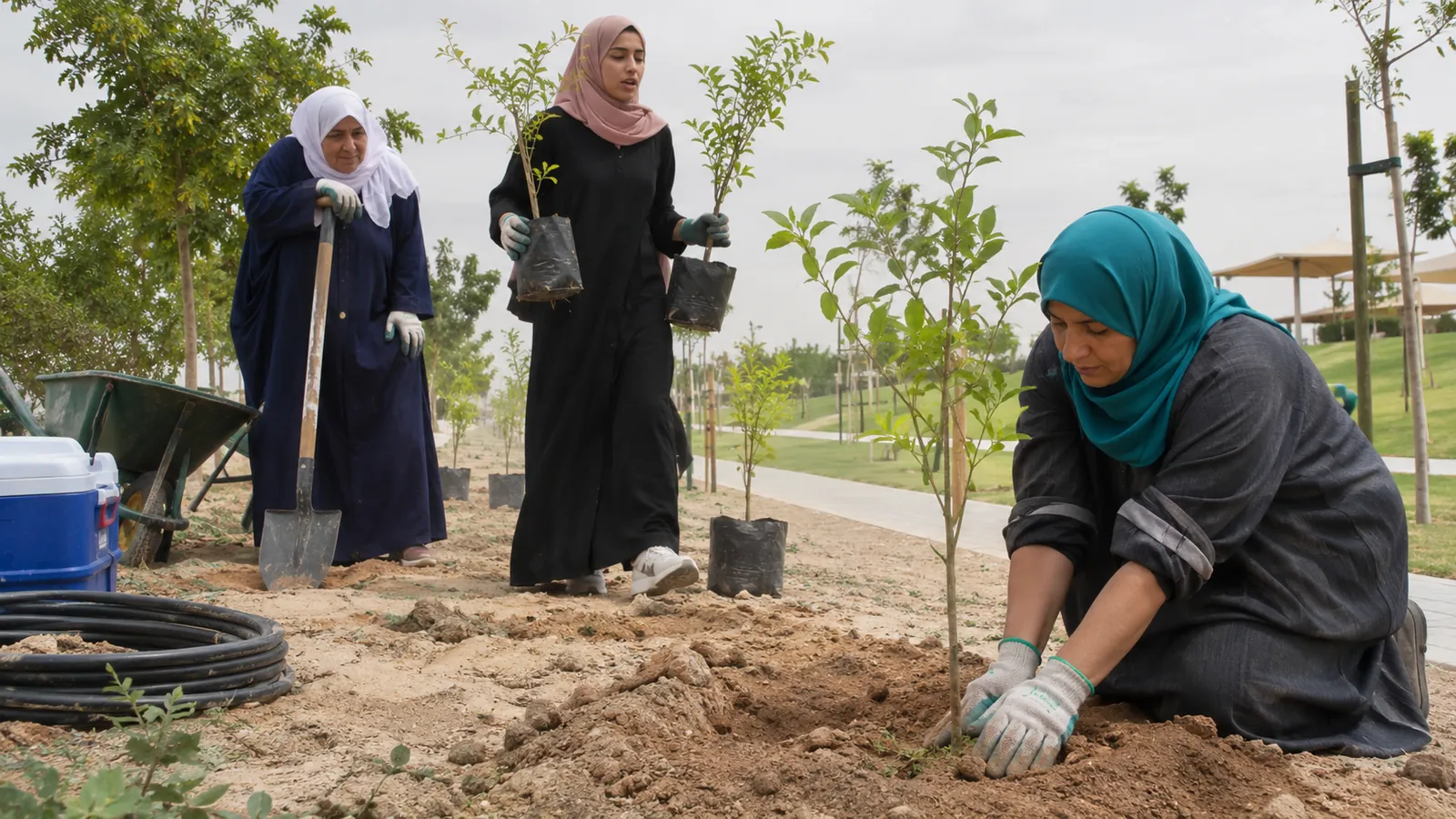
Lama did exactly that. A few weeks after the blankets, she invited a colleague she liked but had never seen outside the office to join a tree-planting morning on the edge of the city. They spent two hours digging, carrying saplings and getting covered in dust, then had breakfast together afterwards. Her colleague said later that it was the first time she had felt she knew Lama, rather than just worked with her.
A few things to keep in mind
Start with something you can genuinely sustain. It is better to commit to one morning a month and keep it than to sign up for every weekend and burn out by December. Choose causes you care about, because the people who share that care are more likely to share other things with you too. And go through established organisations or official platforms, so that the work is properly organised and the help actually reaches the people it is meant for.
Be open to people who are different from you. Volunteering brings together ages, backgrounds and nationalities that would rarely meet otherwise. The retired teacher and the university student at Lama's table would never have crossed paths at work or in a café. That variety is part of what makes volunteering friendships so rich, and so lasting.
Finally, linger a little afterwards. The work itself builds the connection, but the coffee or the walk to the car park after the shift is often where the friendship begins. Suggest it. Most people will be glad you did.
Where TruFriend fits
TruFriend is built for friendship only. Tru, our assistant, gets to know what you care about and when you are free, then introduces you to a few compatible people near you, some of whom may share your interest in giving back. Circles such as Outdoors, Coffee & conversation and New in Riyadh make it easy to start with something small, a park clean-up morning, a coffee after a shift, or a first plan in a public place. A conversation only opens when both of you say yes.
TruFriend is for friendship only, for grown-ups aged 18 and over, and free for founding members. Join TruFriend: it takes a minute.
Don’t just read about it
Join a circle of people in Riyadh who enjoy the same things. Members already on TruFriend can join from the app or suggest a plan in any chat.
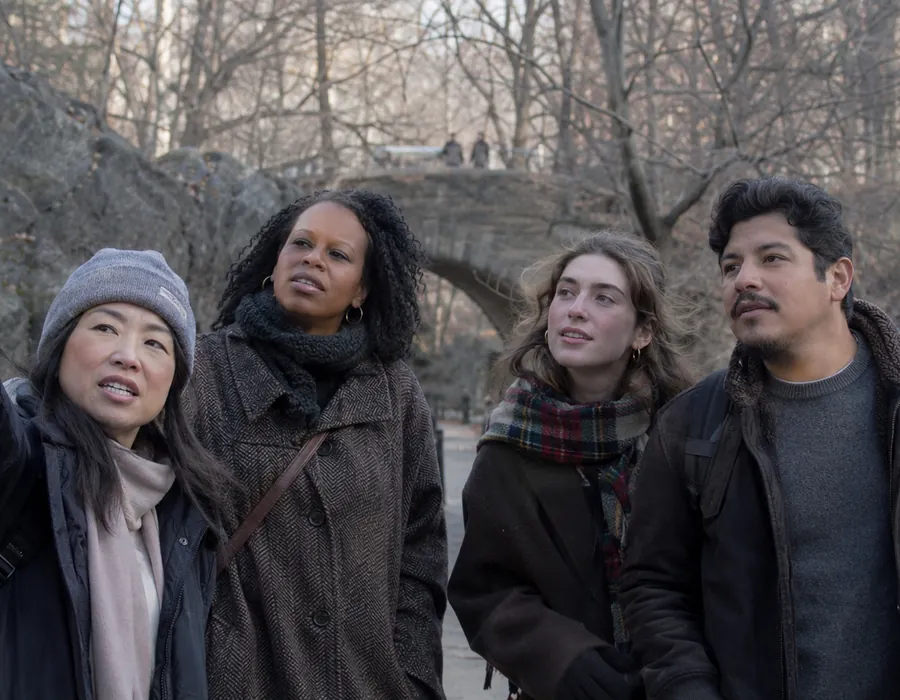 Hiking & outdoorsA friendship circle for desert trips, hiking, camping and cycling around Riyadh, especially in the cooler months.
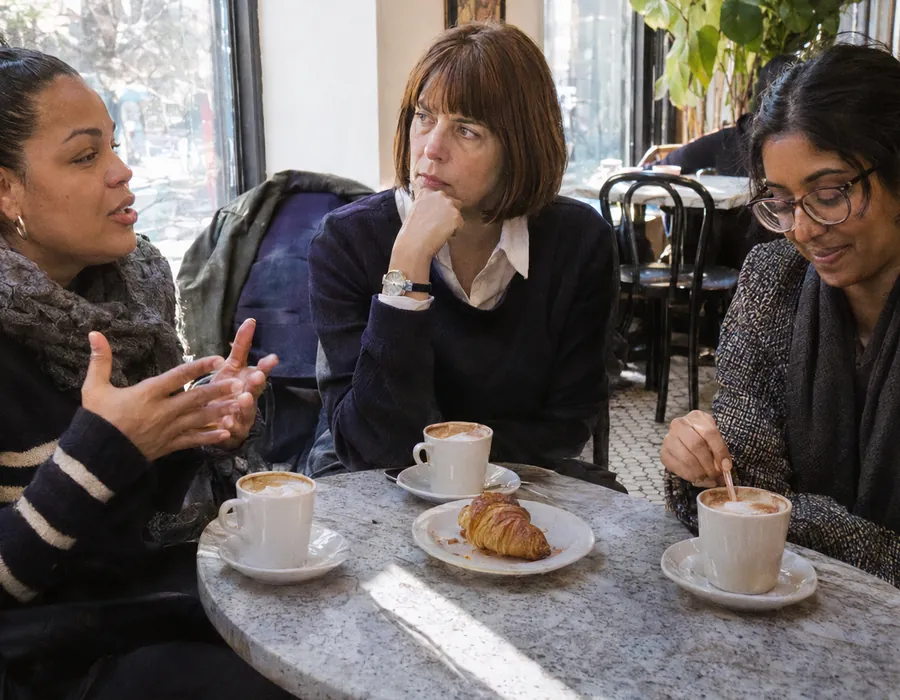 Coffee & conversationA friendship circle for people who enjoy cafés and unhurried conversation in Riyadh. Low-pressure first meetings, close to home.
 New in RiyadhA friendship circle for people who have recently moved to Riyadh: settle in, explore the city and build a social life with others doing the same.
Where to meet in Riyadh
Public places picked for small groups of 3 to 10, sorted by interest and area.
Keep reading
 FriendshipMaking friends as a parent in Riyadh, and keeping a friendship of your own
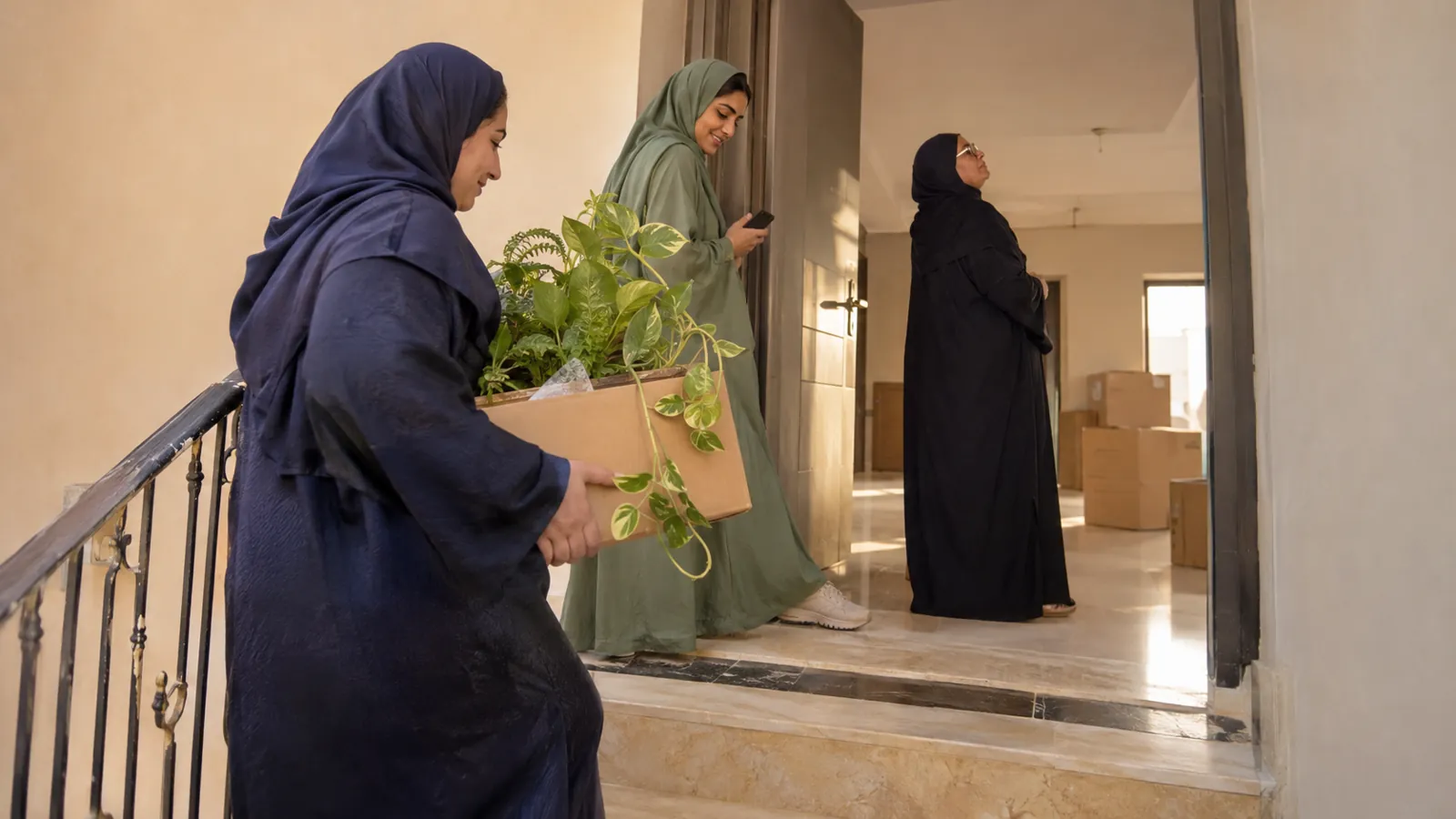 FriendshipFrom acquaintance to friend in Riyadh: the small steps that make it real
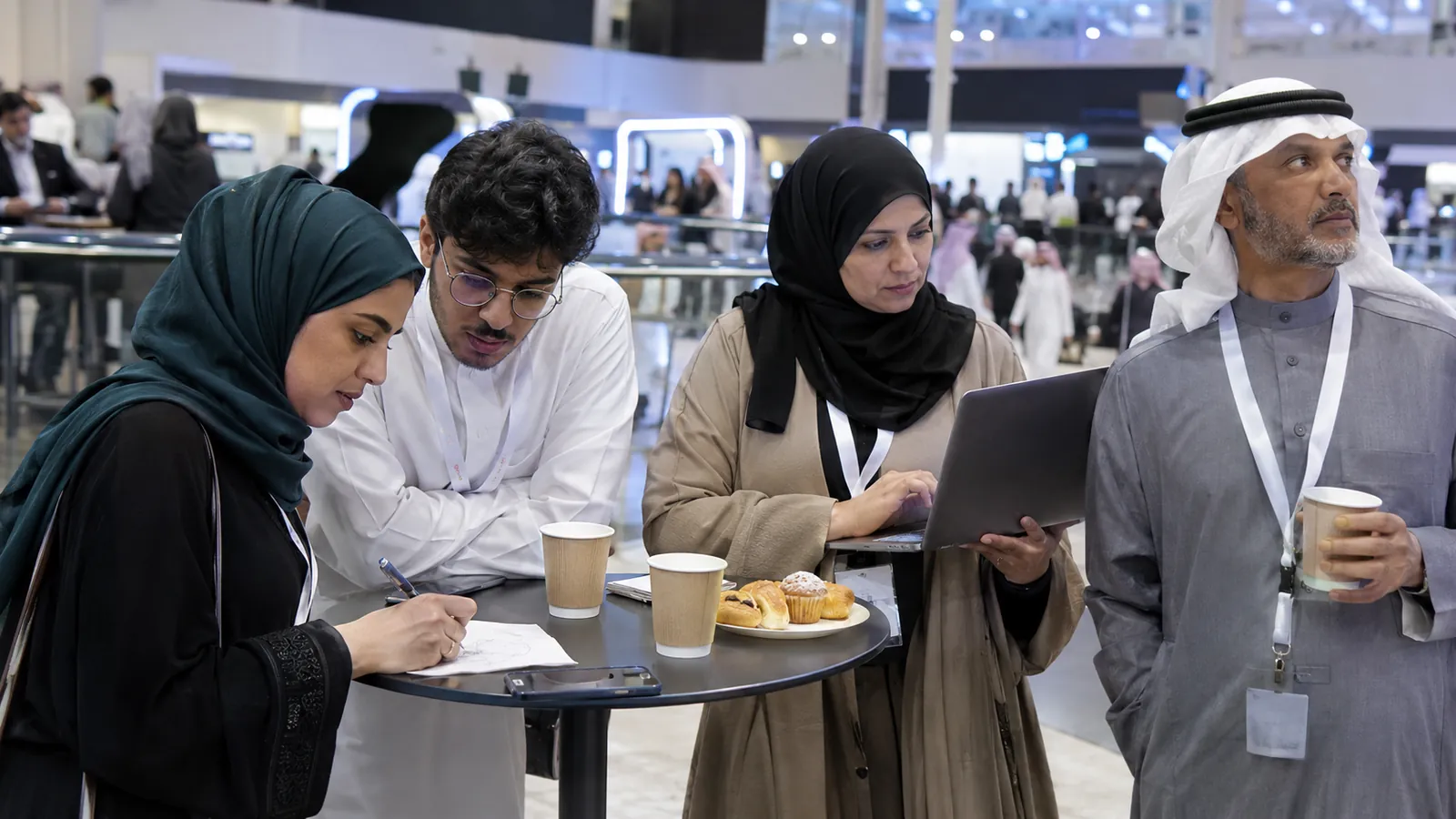 CirclesMeeting people through AI and tech in Riyadh: from big events to a small circle that keeps learning
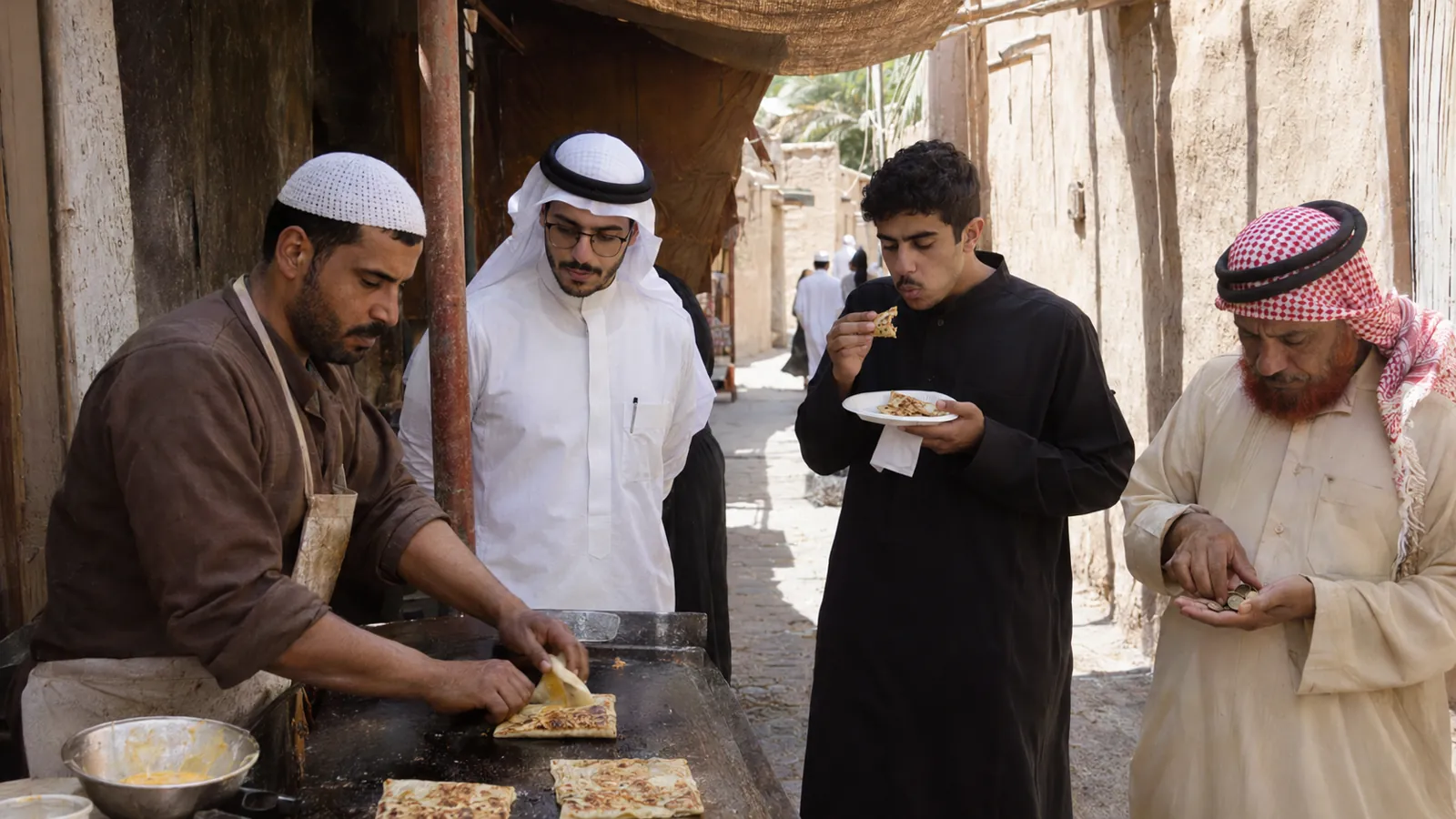 IdeasEating your way through Riyadh’s neighbourhoods with friends
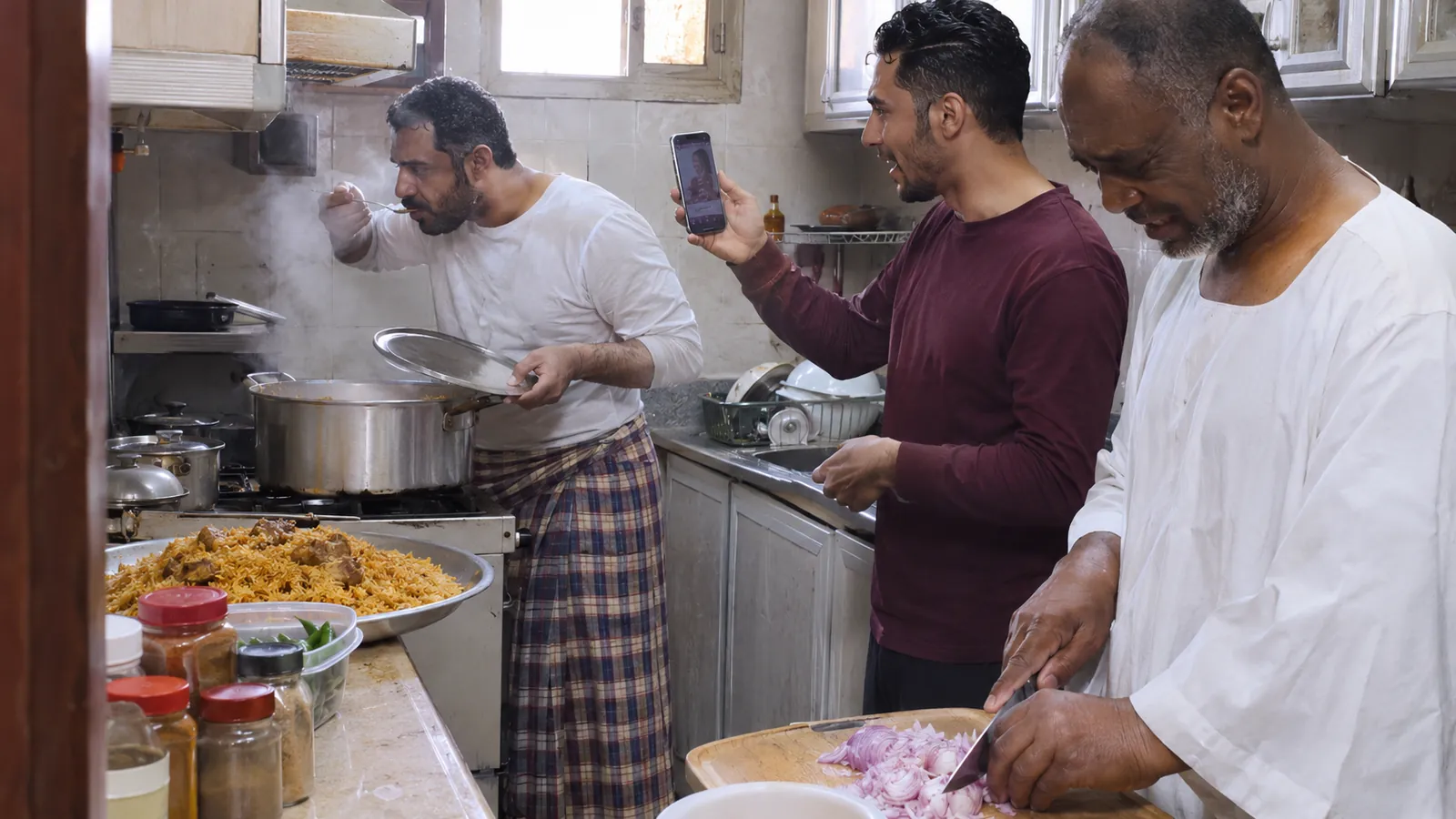 New in townFar from family: building a circle of friends in Riyadh
 IdeasPhoto walks in Riyadh: from Al Masmak and Deira to Murabba and the new skyline, with a camera and a friend
 IdeasLanguage exchange in Riyadh: learning Arabic or English with a partner, and the friendship that comes with it
 IdeasBook clubs and reading circles in Riyadh: how a shared book turns strangers into friends
 FriendshipFriends next door: getting to know your neighbours in Riyadh
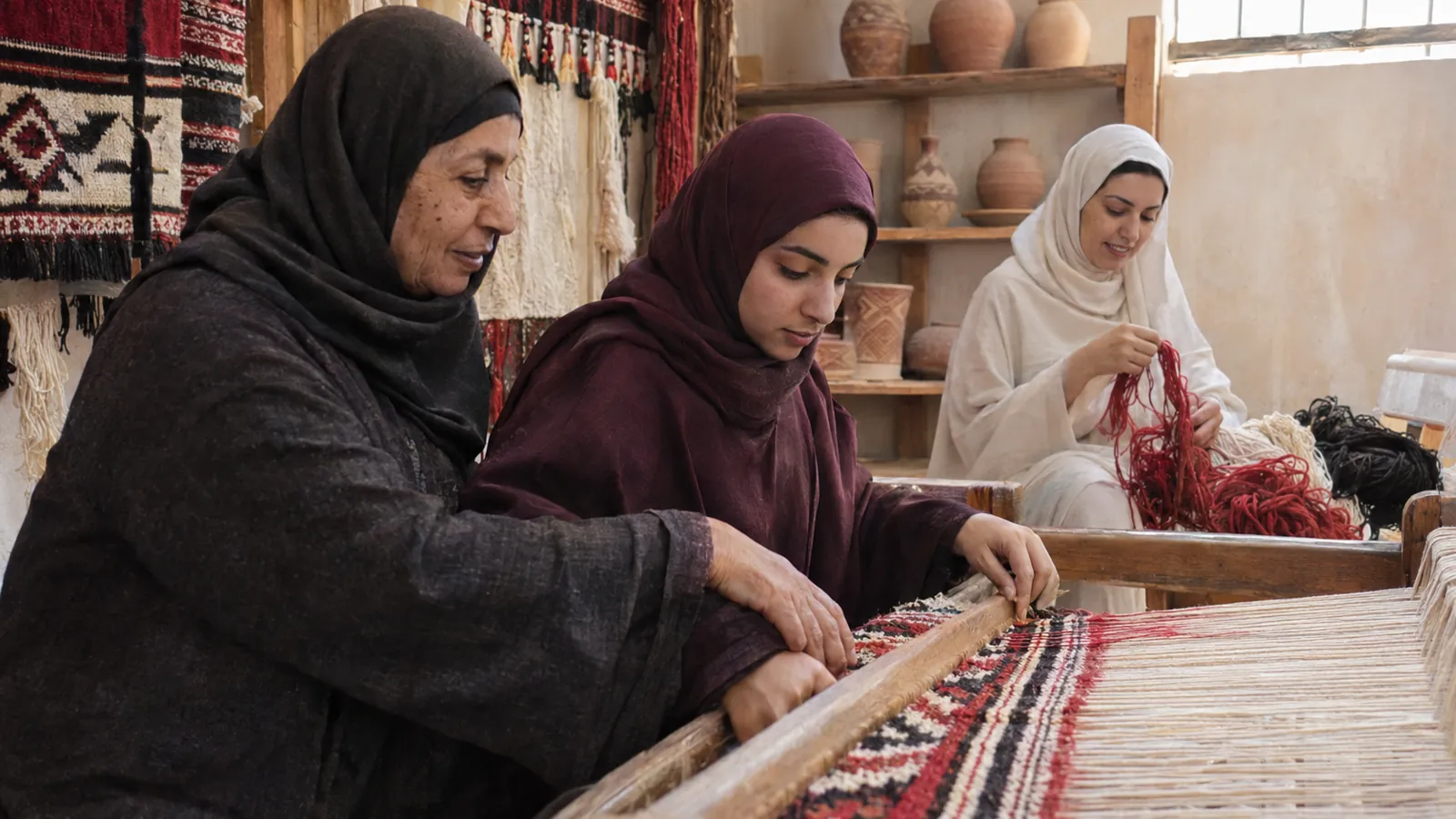 IdeasLearning a craft together: how calligraphy, pottery and Sadu classes in Riyadh turn into friendships
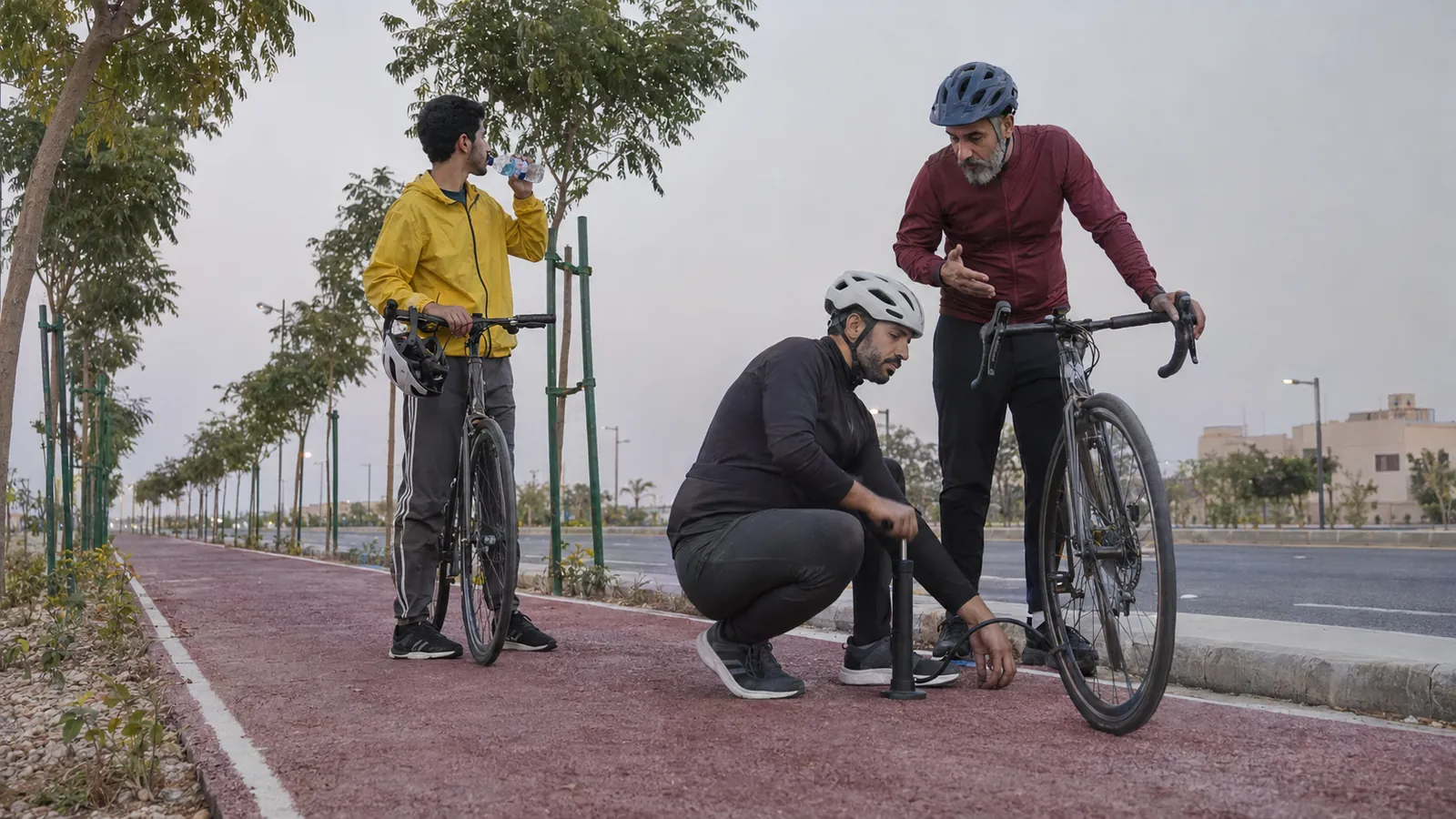 IdeasTwo wheels, one group: how a weekend ride in Riyadh turns into friendship
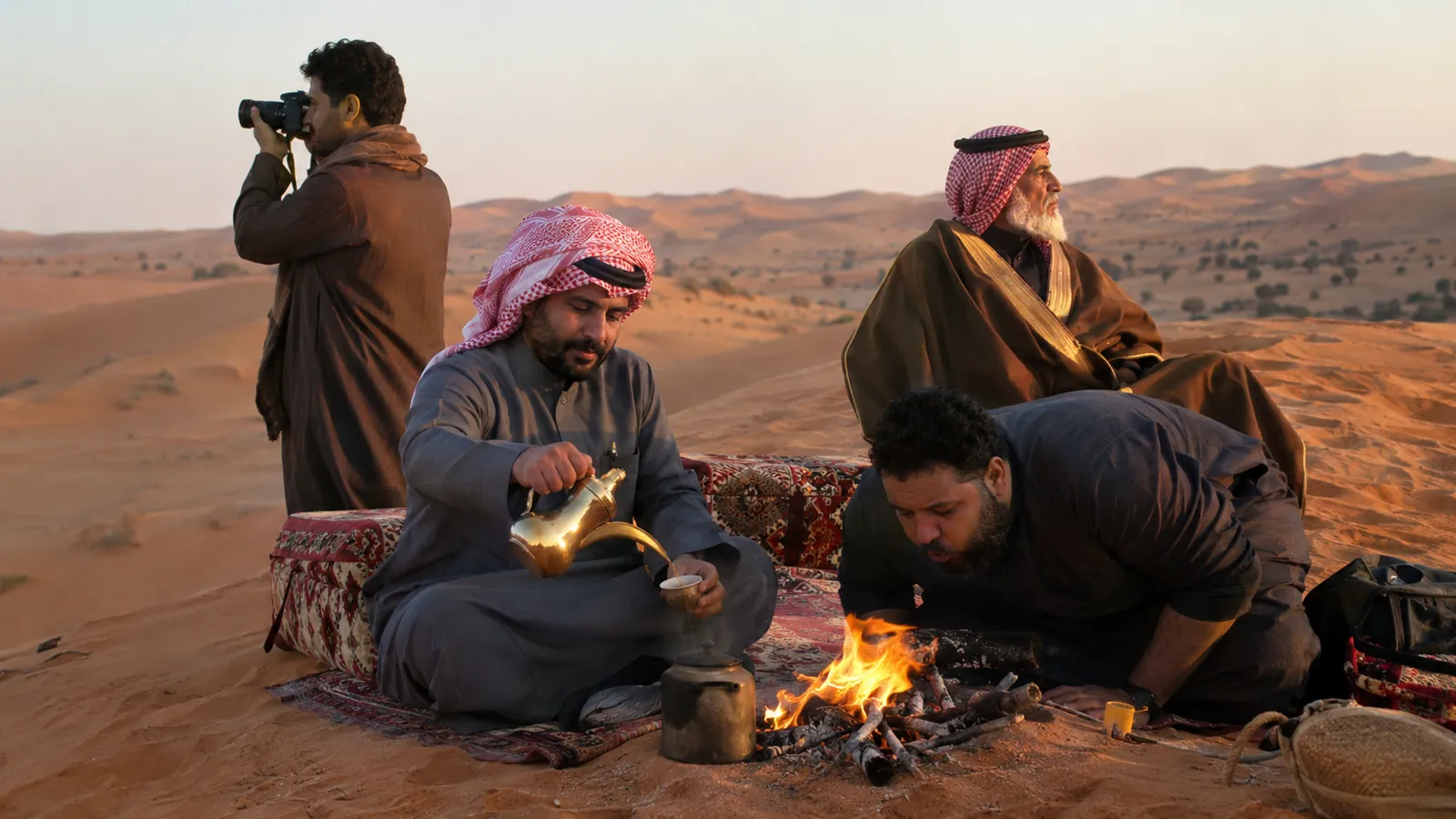 IdeasInto the desert: day trips near Riyadh that turn new friends into real ones
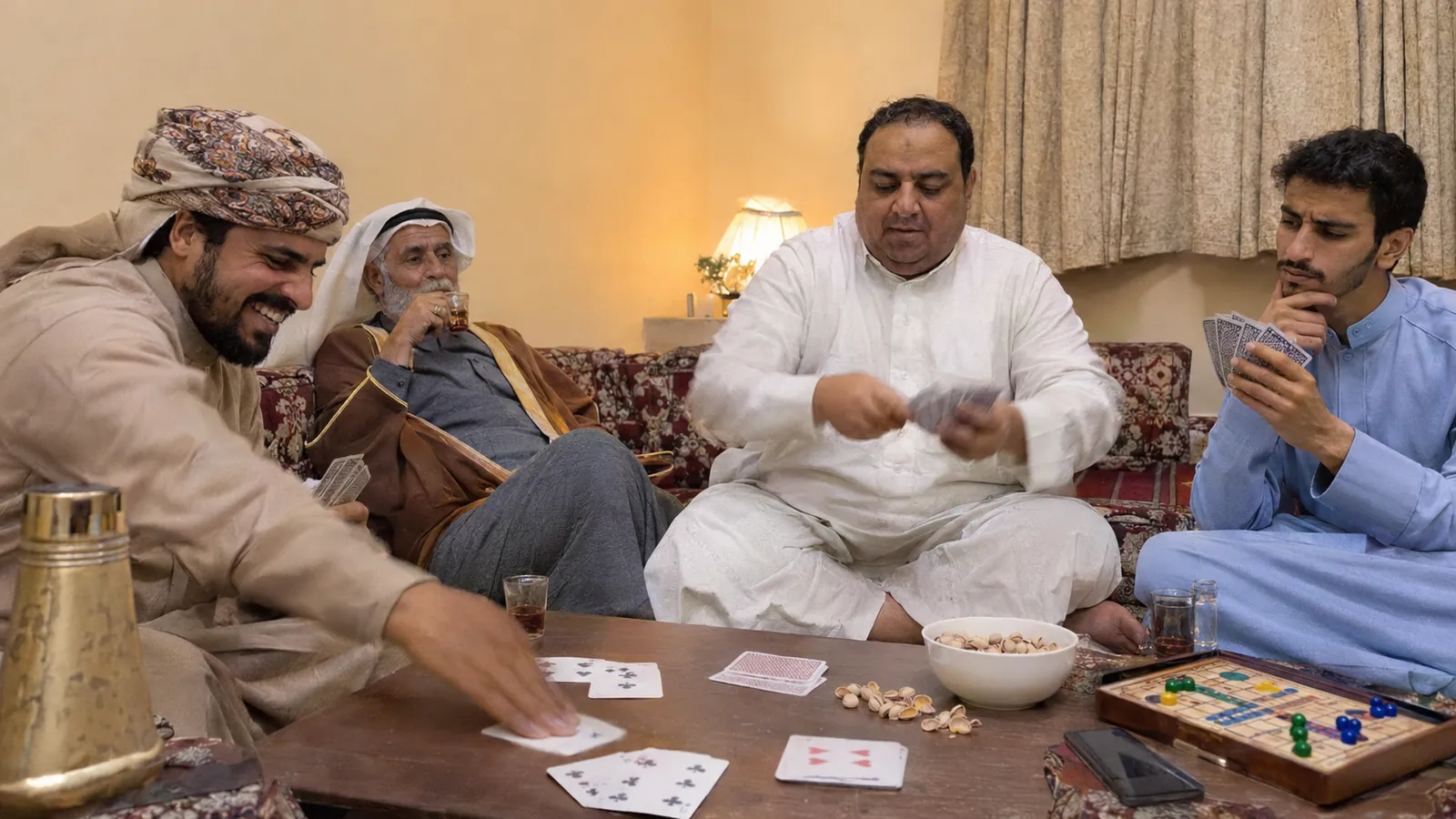 CirclesGame nights in Riyadh: how a table of strangers becomes a circle of friends
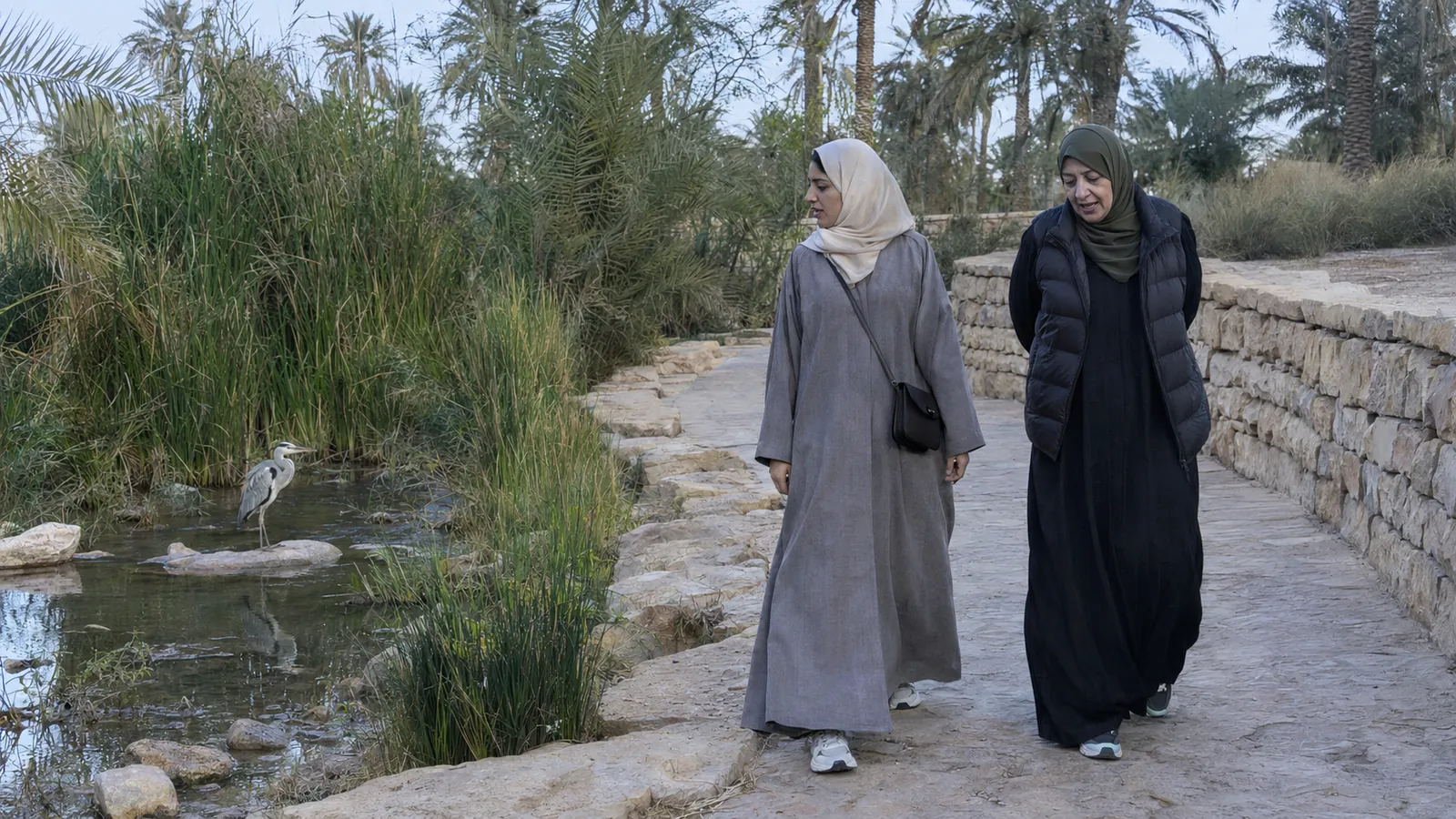 IdeasWadi Hanifa and the walk that turns into a friendship
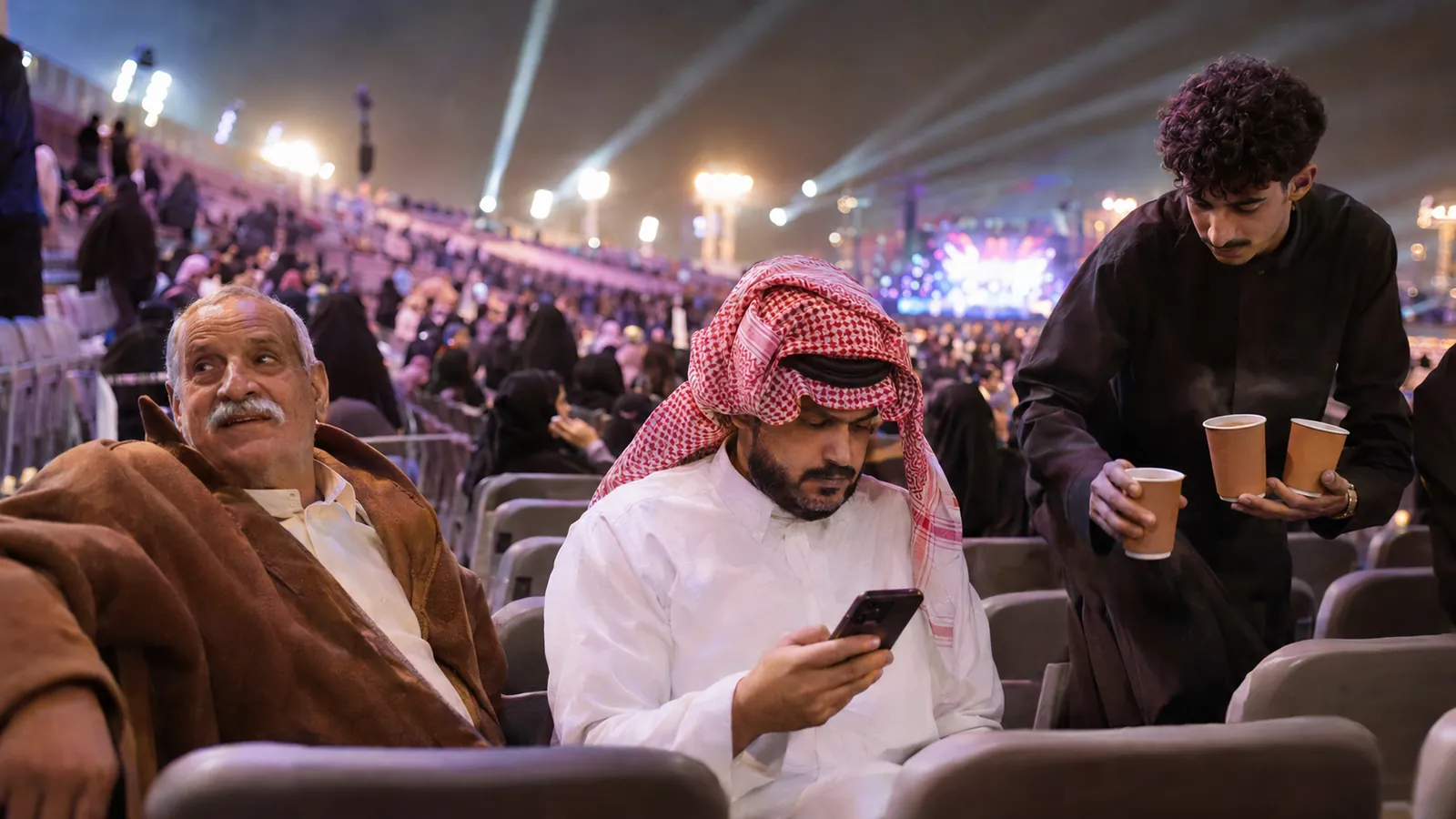 IdeasRiyadh Season with friends: how to make a night of it
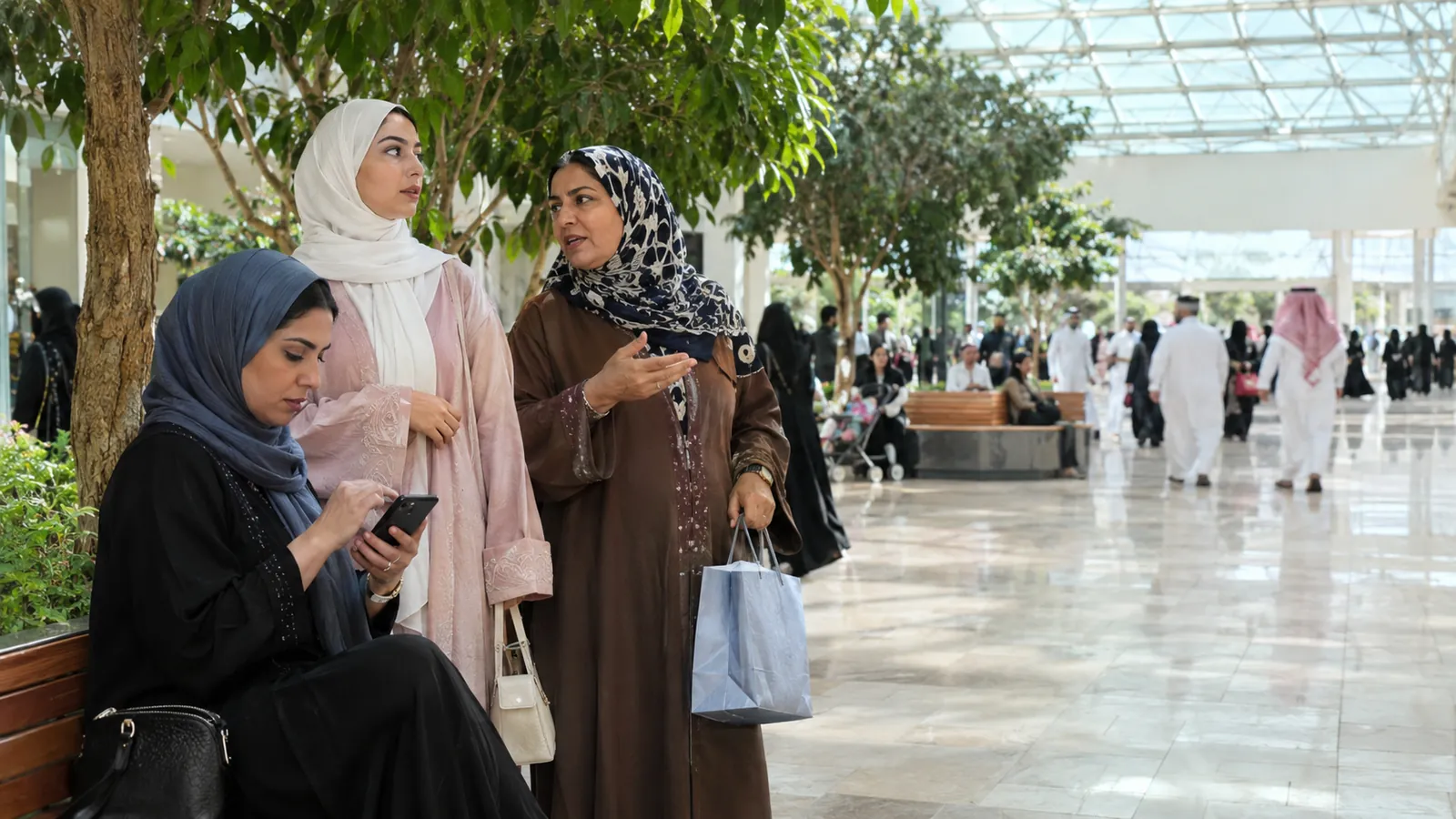 SafetyMeeting new friends safely in Riyadh
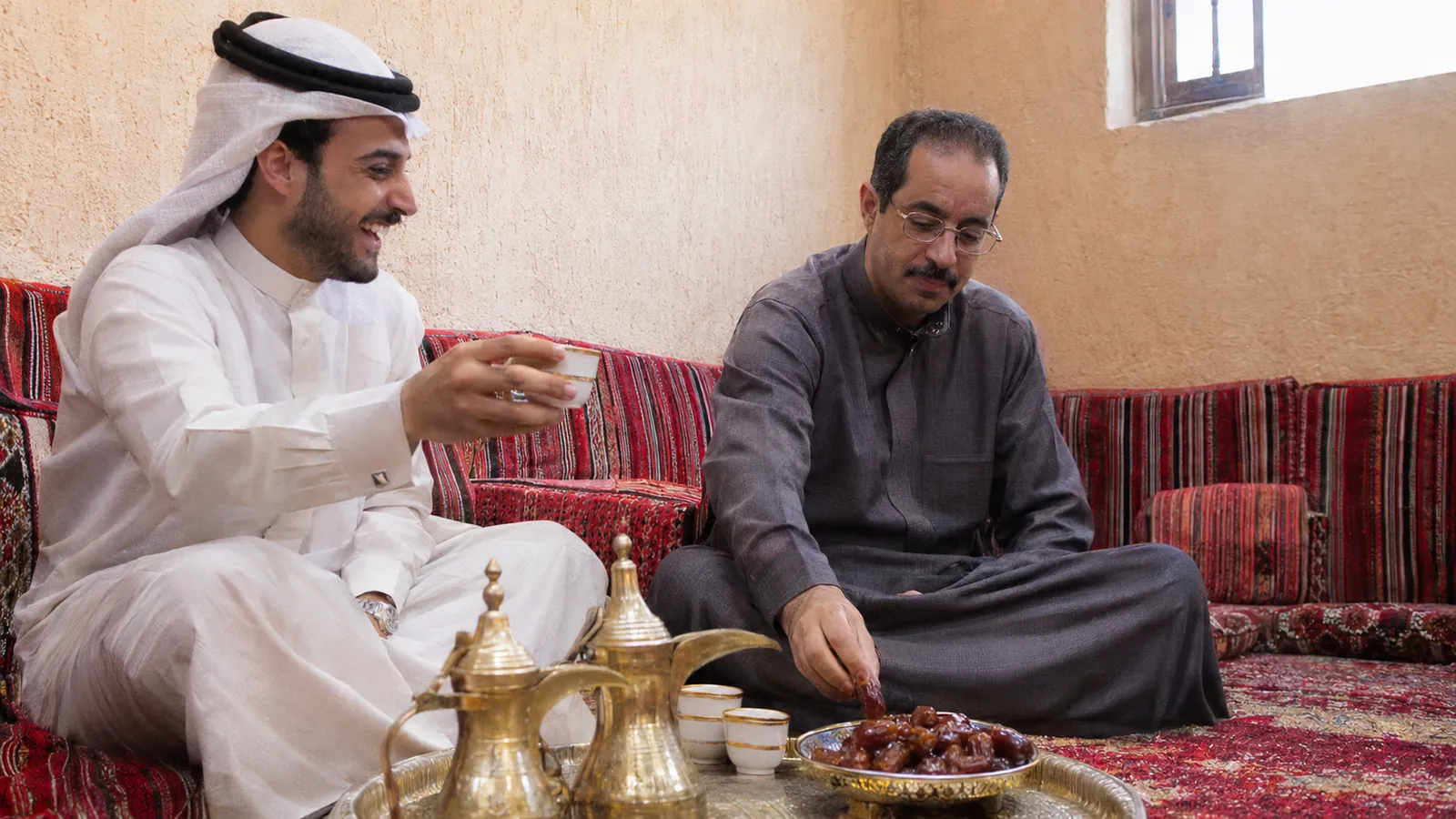 FriendshipWhy coffee is the best first meeting in Riyadh, and how to make it count
 FriendshipMaking friends in Riyadh when you work long hours
 IdeasDiriyah with friends: an evening out that feels like an occasion
 FriendshipMaking friends in Riyadh as a woman: where to start
 IdeasWhy padel is Riyadh’s friendship machine
 IdeasYour first Riyadh weekend with new friends: a Thursday-to-Saturday plan
 FriendshipHow to make friends in Riyadh as a grown-up
 New in townNew in Riyadh? How to build a social life in your first three months
 IdeasThings to do with new friends in Riyadh this season