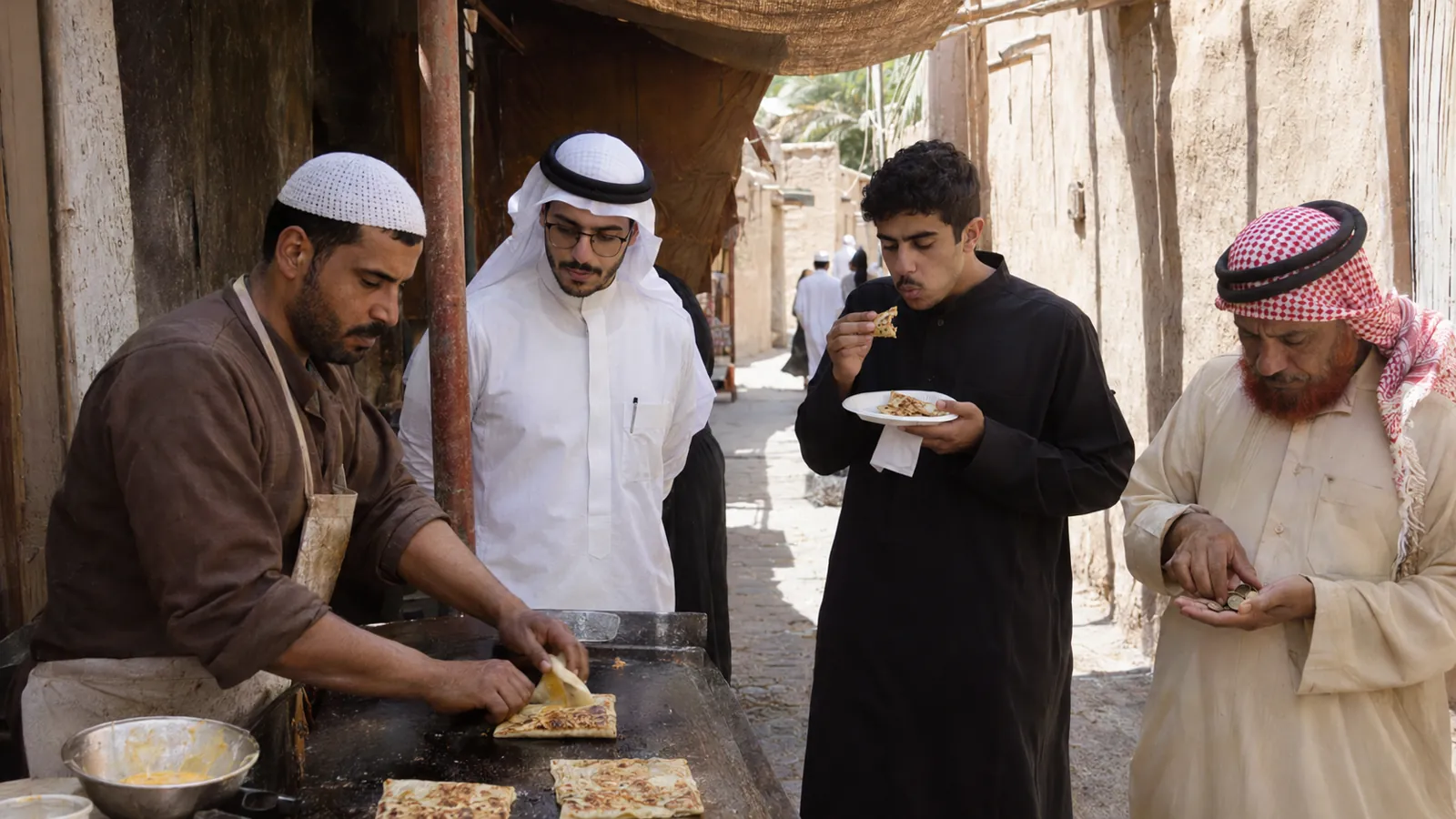
It started with an argument about jareesh. Hind, who was born in Riyadh and grew up eating it at her grandmother's house, said that nobody outside a Najdi home made it properly. Salma, who had moved from Cairo eight months earlier and had never tasted it, said that sounded like something every grandmother in the world says about every dish. Dana, a pharmacist from Jeddah who worked with both of them, said the only fair way to settle it was to go and try some. Maryam, a quiet colleague from Kerala who had been listening from the next desk, asked if she could come too.
That was a year ago. Since then the four of them have eaten their way, slowly, through a dozen corners of Riyadh, one meal a month. They never settled the jareesh argument. They did become friends.
Food is one of the easiest ways to build a friendship in a new city, and Riyadh is a particularly good city to do it in. It is not about finding the most famous restaurant or the newest opening. It is about having a reason to meet the same people again and again, and a table that gives you something to talk about.
Start where the city started
Their first outing was to the old heart of Riyadh, around Deera and the Masmak fortress. They walked the lanes of the old souqs in the late afternoon, past the stalls of the Al Zal market with its carpets, perfumes and antique coffee pots, then sat down at a simple Najdi restaurant with low cushions on the floor and a waiter who did not bother with a menu.
Hind ordered for the table. Jareesh, cracked wheat cooked slowly until it is soft and savoury. Qursan, thin bread torn into a rich vegetable and meat stew. Marqooq, its cousin with softer dough. Salma admitted, after the second plate, that her grandmother might have competition. Maryam asked how the bread was made and the waiter, delighted, went to fetch the cook.
That first lunch set the pattern. Somebody who knew the food explained it. Somebody who did not asked the questions. And sitting on the floor around shared dishes, eating with the right hand, turned out to be far less formal and far more friendly than any restaurant with a reservation system.
One neighbourhood, one dish, once a month
They agreed on a simple rule: each month, one of them would choose a neighbourhood and a dish, and the others would come without asking too many questions. Choosing rotated, so nobody carried the organising alone, and everyone had a turn to show the others something they loved.
Dana took them to a family restaurant serving Hijazi dishes from her home city, and spent the whole lunch telling stories about her father's Ramadan cooking. Maryam found a South Indian place near Batha where the dosas were the size of a forearm and the tea came sweet and spiced. Salma found an Egyptian koshari shop that, she said, was almost as good as the one near her old university. Hind, in winter, took them to a place that served hininy, the warm mix of dates, bread and butter that Najdi families make on cold mornings, and kleija biscuits from Qassim to take home.
The rule worked because it was small. Once a month is easy to keep. One neighbourhood means one drive, not a tour. And a single dish gives the meal a little purpose without turning it into a project.
Family restaurants make it easy
Riyadh's family restaurants are made for this kind of friendship. Many have private family sections or partitioned booths, which makes a table of women, or a mixed table of colleagues, feel comfortable. Portions are large and built for sharing. And the staff are usually happy to explain what is good, especially if you ask what they would order themselves.
A few small habits helped the group. They went at lunch on Saturdays rather than late on weekday evenings, so nobody had to drive home tired. They ordered several dishes for the table instead of one plate each, which made every meal a conversation. They split the bill evenly without fuss, and the person who chose the place never paid more than anyone else. And they kept the group small: four, sometimes five when someone brought a sister or a new colleague. Any bigger and the table splits into separate conversations, and the quietest person at the end of it stops talking altogether. Four people around one tray of food can all hear each other, and that is the whole point.
Coffee and dates, the second half of every meal
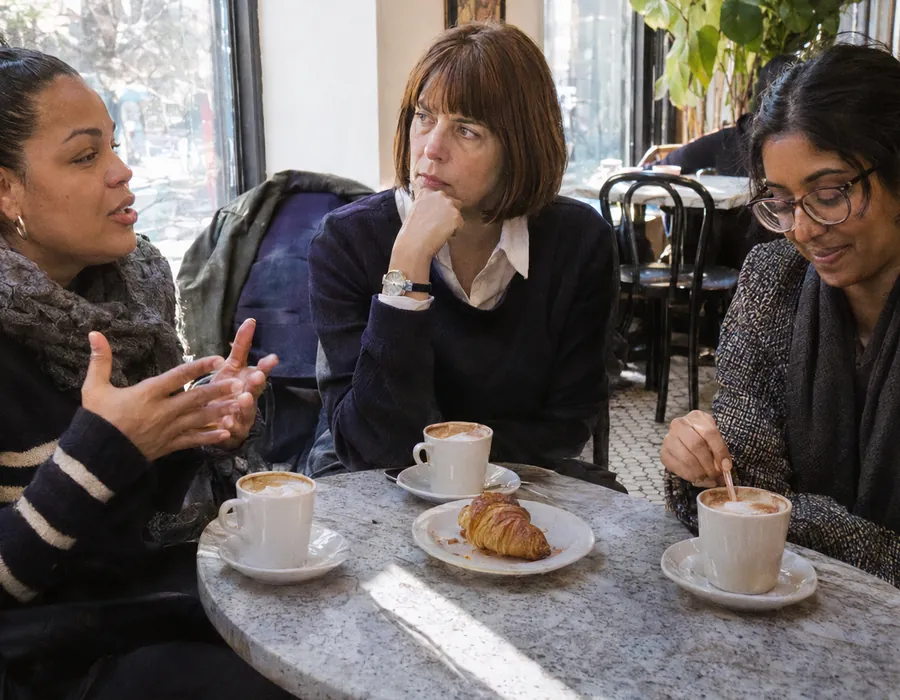
The best conversations, they discovered, did not happen over the main course. They happened afterwards, over Saudi coffee and dates. Light, golden coffee flavoured with cardamom, sometimes saffron, poured into small cups, and a plate of Sukkari dates, soft and sweet, or the darker Khlas that Hind insisted were better.
They made a habit of moving to a café after lunch, or lingering where they were if the restaurant served coffee. It became the part of the outing everyone looked forward to: the slow hour where nobody was looking at a menu and the talk turned from food to work, family, homesickness, plans. Salma once said that she had told these three women more in a year of coffee than she had told anyone since she left Egypt.
Let the food teach you about each other
What surprised them most was how much the food revealed. Hind talked about her grandmother when she ordered jareesh. Dana talked about her father when she ordered saleeg. Maryam talked about her mother's kitchen in Kochi and about how long it had been since she had been home for Eid. Every dish carried a story, and every story made the friendship a little deeper.
This is the quiet power of eating together. It is not just a reason to meet. It is a way of learning where your friends come from without anyone having to sit down and explain it. Ask about the food, and people will tell you about their lives.
Make room for the newcomer
About six months in, Dana brought along a new colleague, Rahaf, who had just moved from Abha and spent her first weekend in Riyadh alone in a furnished flat. The group could easily have felt closed to her. Four friends with a year of jokes are hard to walk into. So they did something simple: they let Rahaf choose the next month's dish.
She took them to a restaurant serving food from the south, with bread baked in a clay oven and honey from the mountains around her home. For the first time, she was the one explaining. By the time the coffee arrived she was no longer the guest. A shared table stays alive when it keeps a chair free, and the easiest way to welcome someone is to hand them a turn.
Keep it slow
The temptation, once something works, is to do more of it. A second outing in the same month, a bigger group, a list of every restaurant in the city. The four of them resisted. They kept a shared note on their phones with places they wanted to try, but they never rushed through it. The point was never to finish Riyadh. The point was to keep meeting.
Slowness is what made it a friendship rather than an activity. A year of monthly lunches is twelve long afternoons, and twelve long afternoons with the same people is enough time for real closeness to grow.
Where TruFriend fits
Not everyone has three colleagues at the next desk who want to argue about jareesh. TruFriend is built for friendship only. Tru, our assistant, gets to know what you enjoy, when you are usually free and which part of Riyadh you live in, then introduces you to a few people nearby who fit, with the reasons you might get along. A conversation only opens when both of you say yes, and plans happen in public places. The Food explorers circle is made for exactly this kind of slow, shared discovery, and Coffee & conversation is there for the hour afterwards.
Next month it is Salma's turn to choose. She says she has found a place that makes jareesh the Egyptian way. Hind says there is no such thing. They are going anyway.
TruFriend is for friendship only, for grown-ups aged 18 and over, and free for founding members. Join TruFriend: it takes a minute.
Don’t just read about it
Join a circle of people in Riyadh who enjoy the same things. Members already on TruFriend can join from the app or suggest a plan in any chat.

Where to meet in Riyadh
Public places picked for small groups of 3 to 10, sorted by interest and area.
Keep reading
 FriendshipMaking friends as a parent in Riyadh, and keeping a friendship of your own
 IdeasVolunteering in Riyadh: why giving time together builds trust so fast
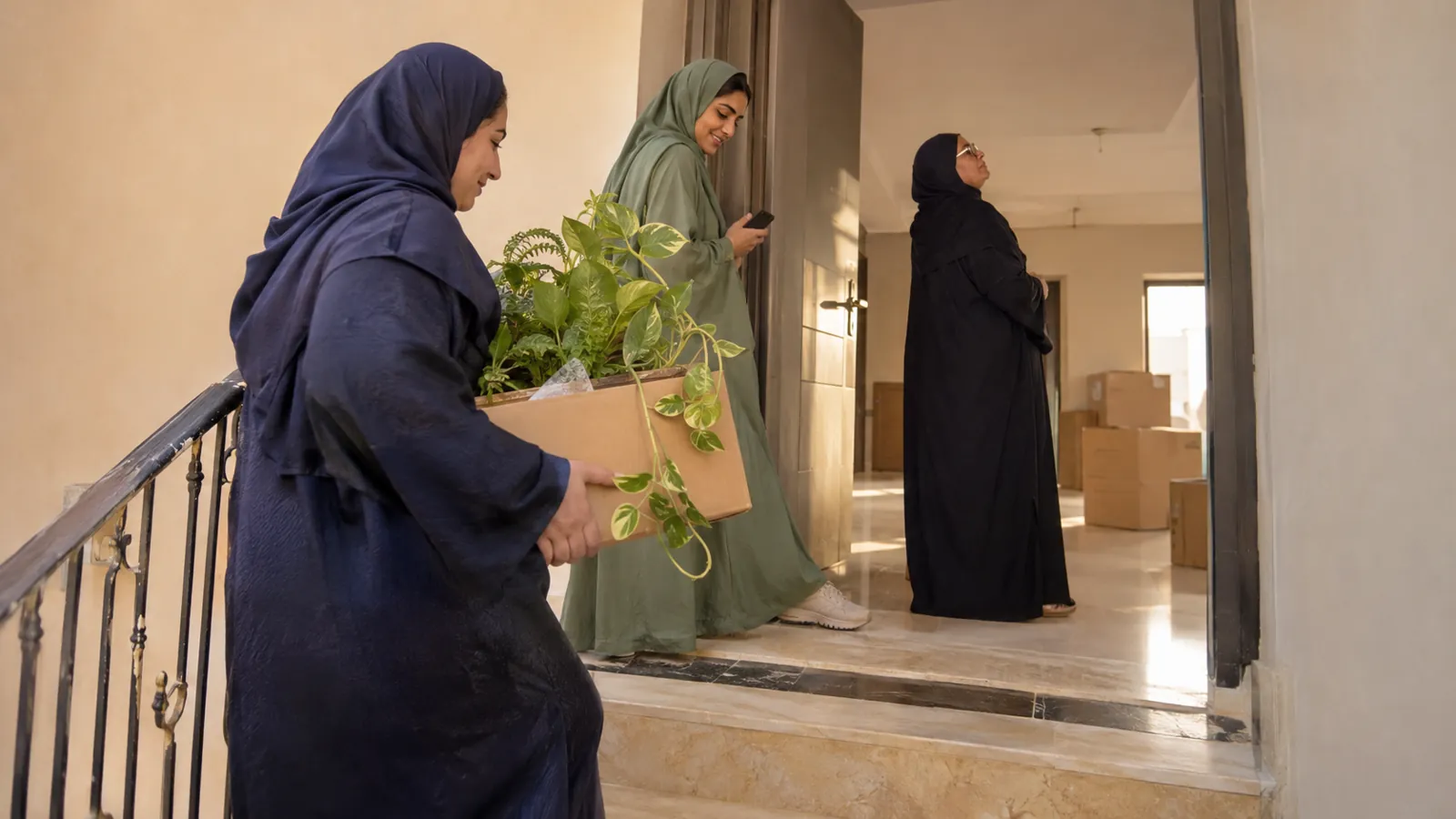 FriendshipFrom acquaintance to friend in Riyadh: the small steps that make it real
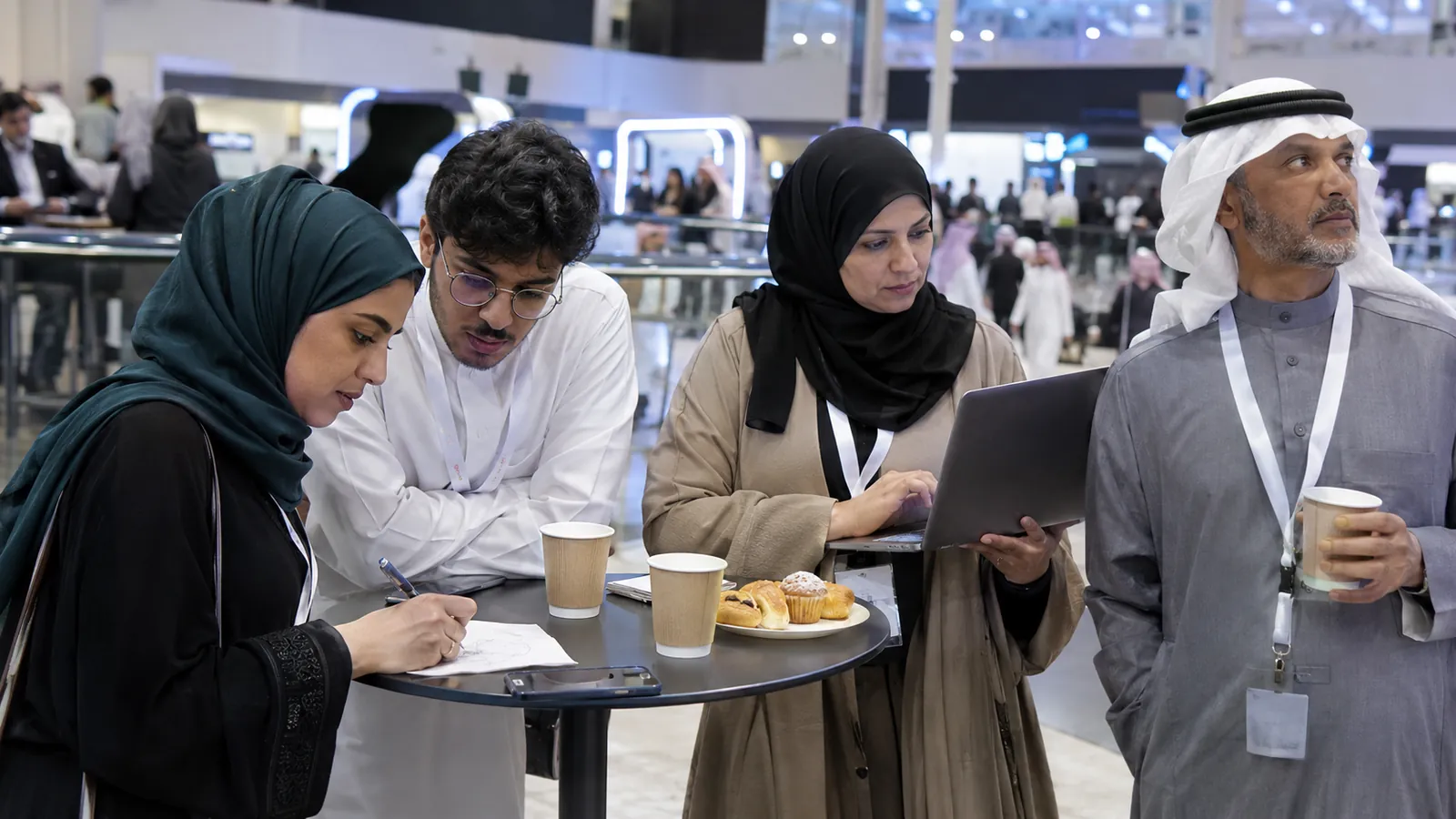 CirclesMeeting people through AI and tech in Riyadh: from big events to a small circle that keeps learning
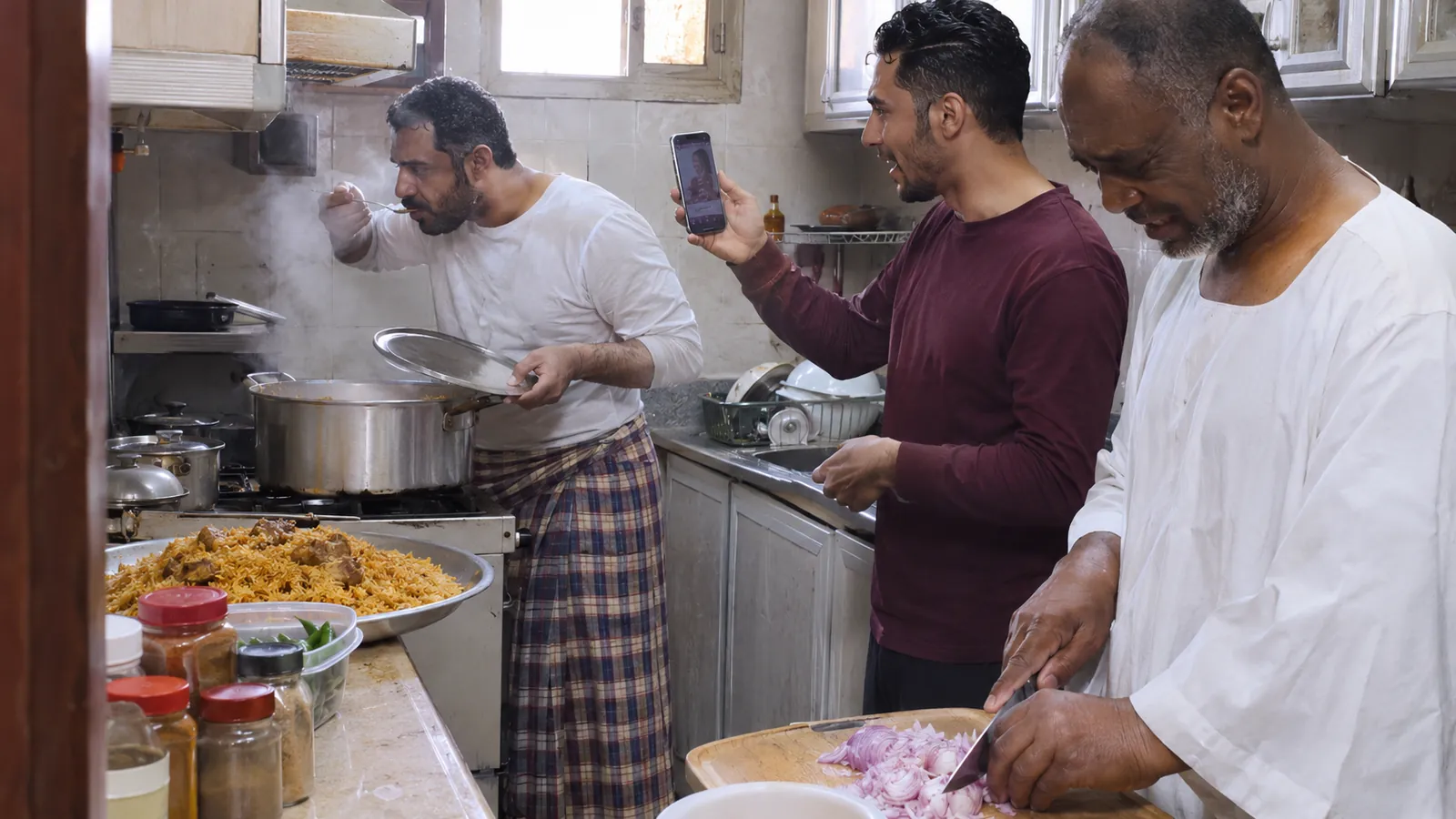 New in townFar from family: building a circle of friends in Riyadh
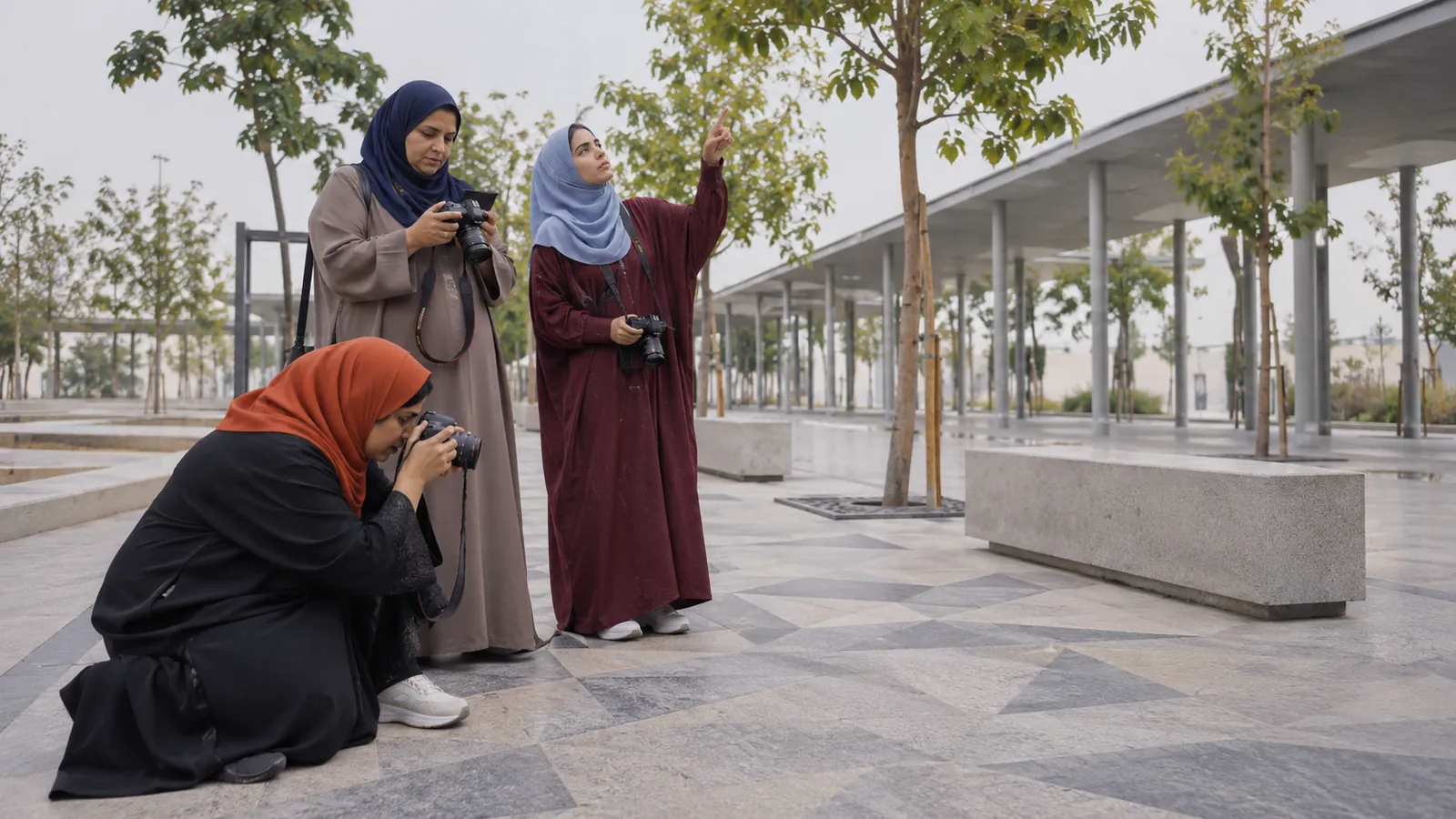 IdeasPhoto walks in Riyadh: from Al Masmak and Deira to Murabba and the new skyline, with a camera and a friend
 IdeasLanguage exchange in Riyadh: learning Arabic or English with a partner, and the friendship that comes with it
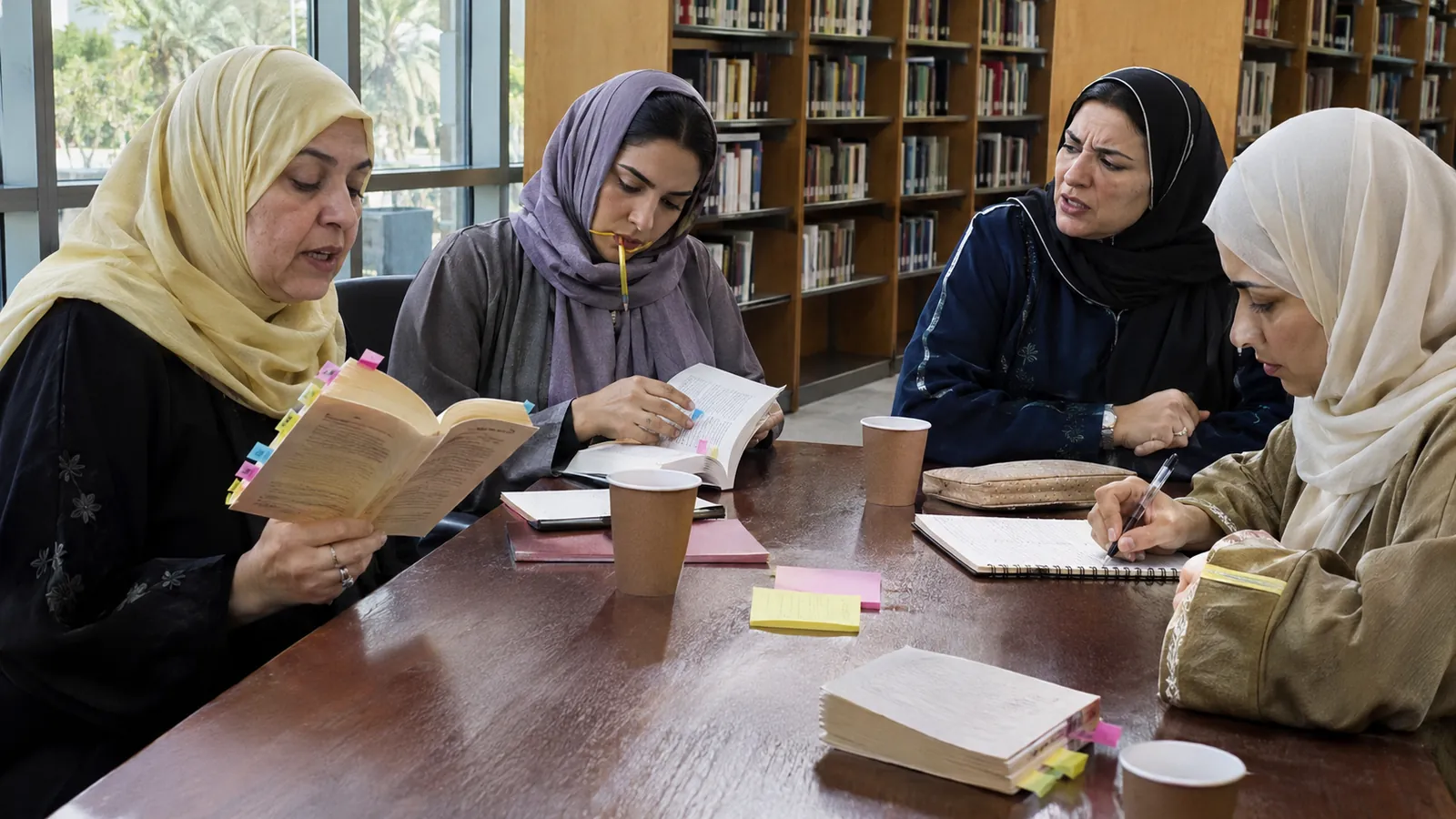 IdeasBook clubs and reading circles in Riyadh: how a shared book turns strangers into friends
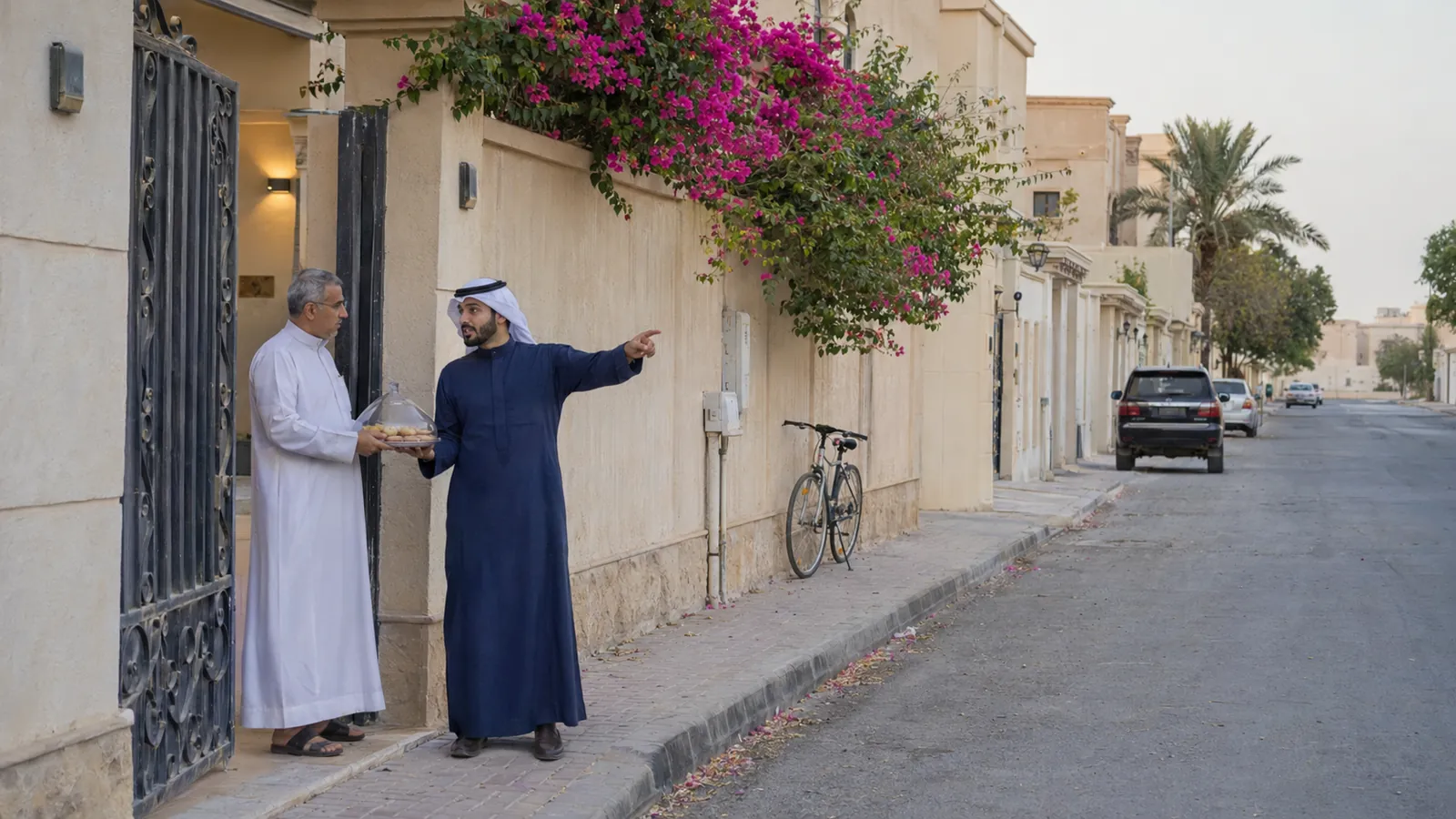 FriendshipFriends next door: getting to know your neighbours in Riyadh
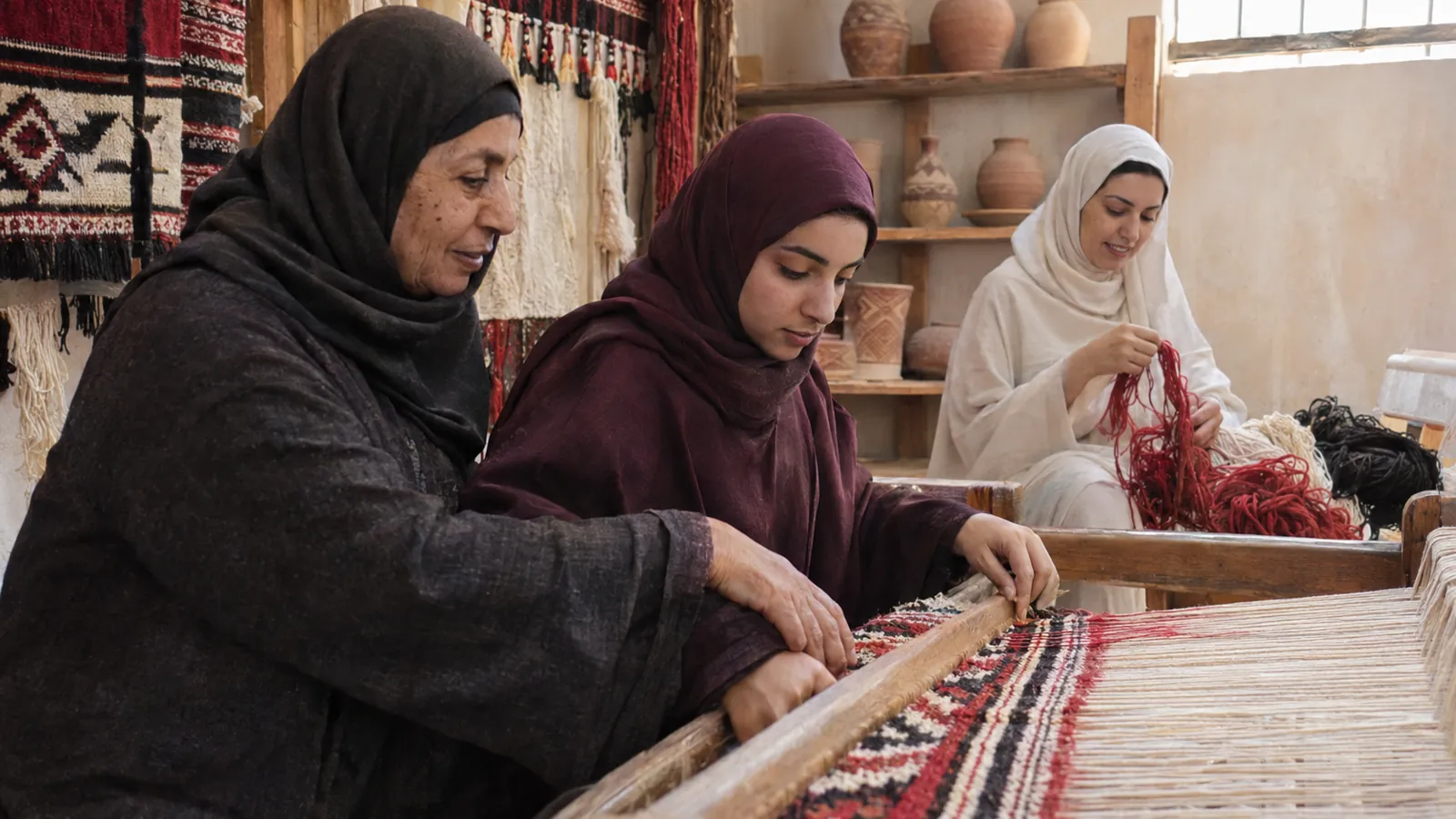 IdeasLearning a craft together: how calligraphy, pottery and Sadu classes in Riyadh turn into friendships
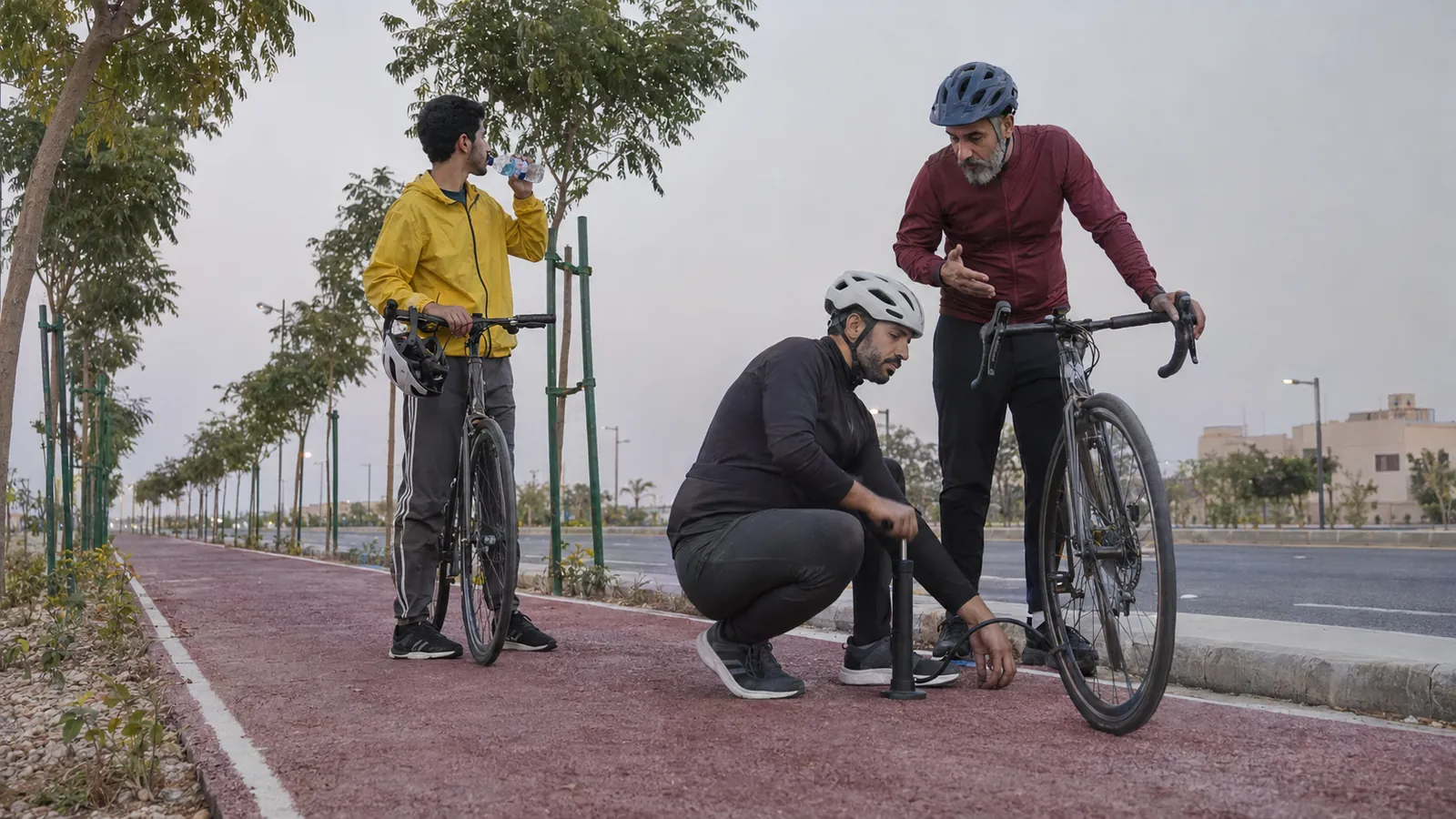 IdeasTwo wheels, one group: how a weekend ride in Riyadh turns into friendship
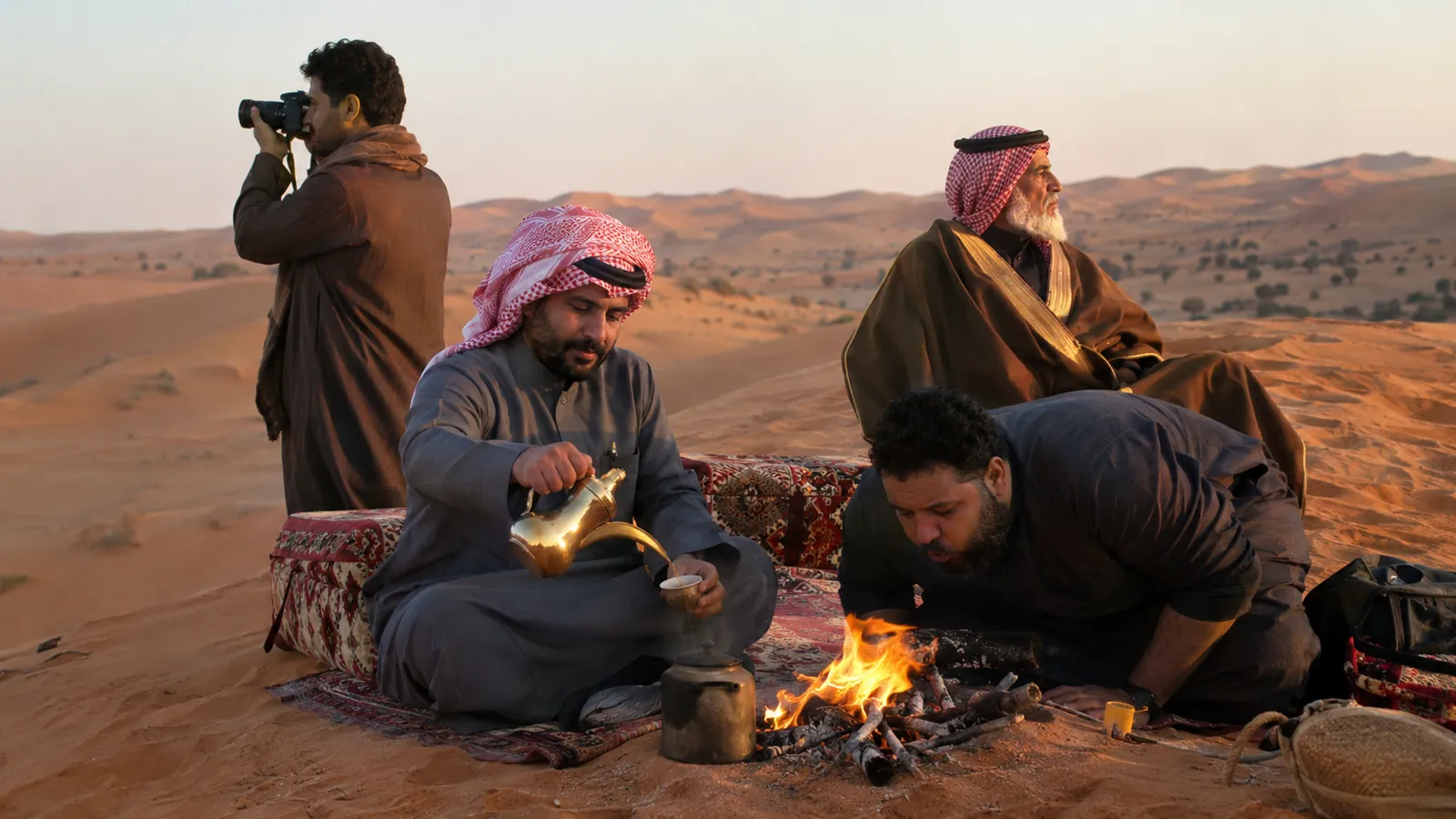 IdeasInto the desert: day trips near Riyadh that turn new friends into real ones
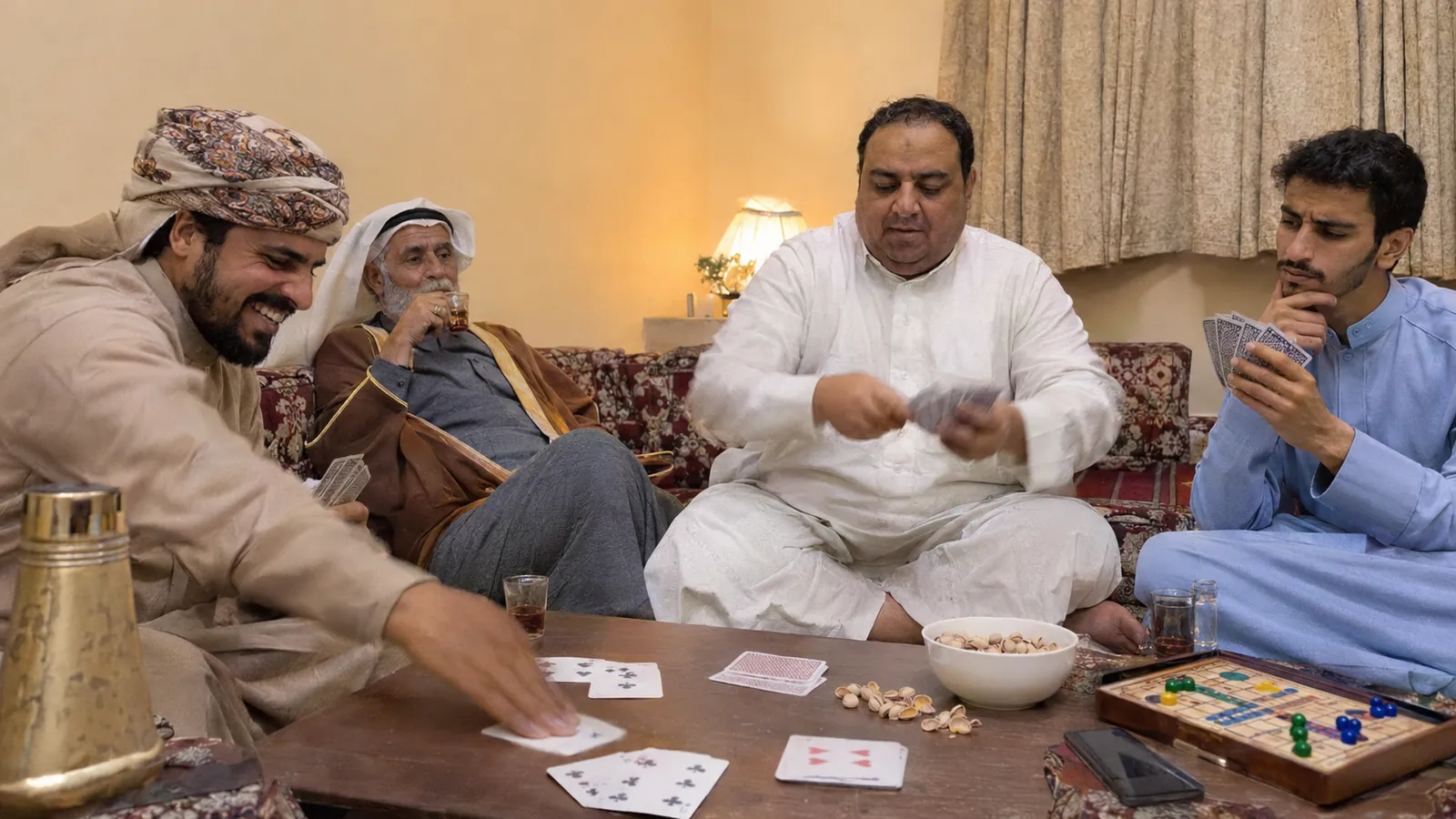 CirclesGame nights in Riyadh: how a table of strangers becomes a circle of friends
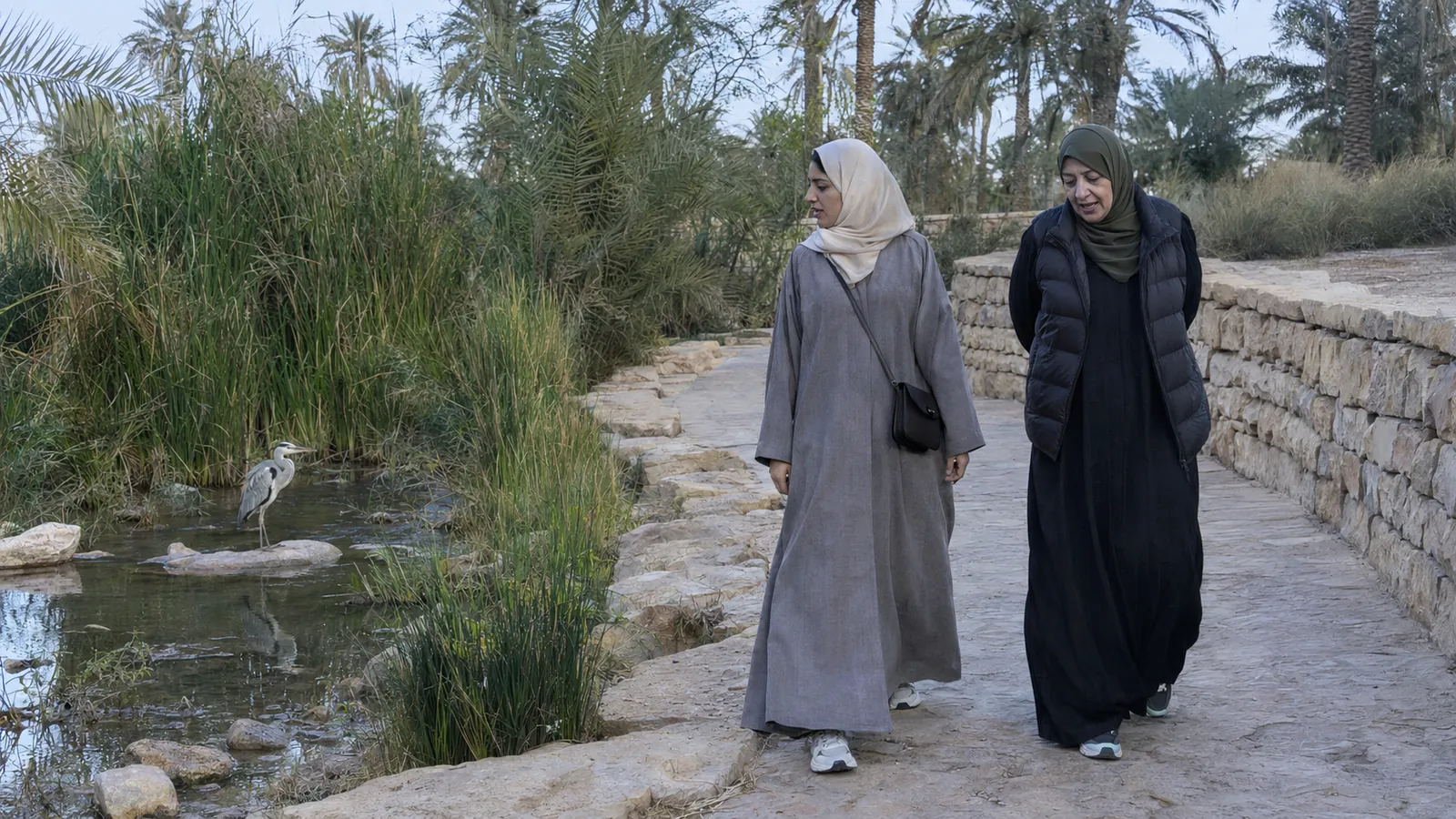 IdeasWadi Hanifa and the walk that turns into a friendship
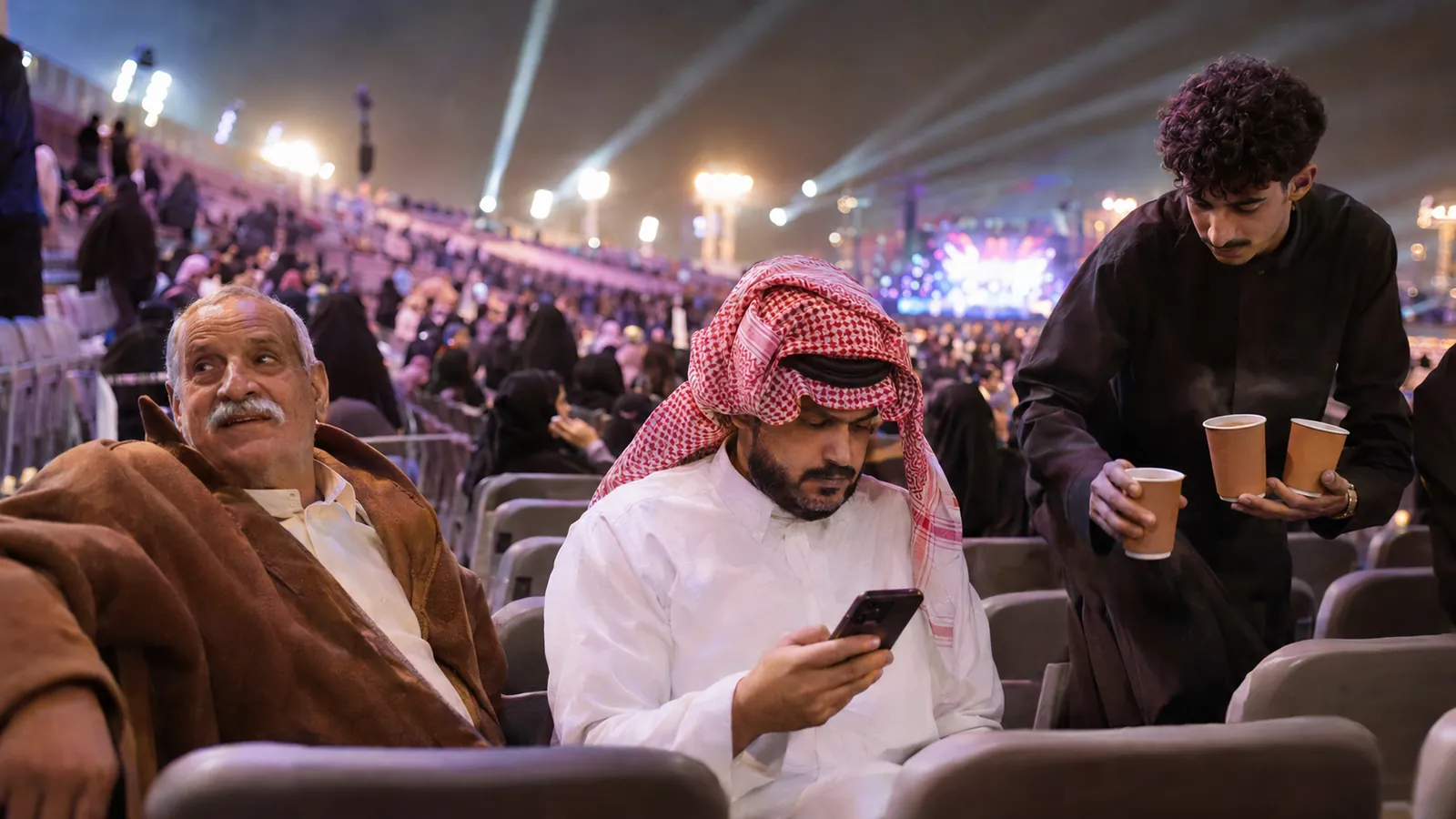 IdeasRiyadh Season with friends: how to make a night of it
 SafetyMeeting new friends safely in Riyadh
 FriendshipWhy coffee is the best first meeting in Riyadh, and how to make it count
 FriendshipMaking friends in Riyadh when you work long hours
 IdeasDiriyah with friends: an evening out that feels like an occasion
 FriendshipMaking friends in Riyadh as a woman: where to start
 IdeasWhy padel is Riyadh’s friendship machine
 IdeasYour first Riyadh weekend with new friends: a Thursday-to-Saturday plan
 FriendshipHow to make friends in Riyadh as a grown-up
 New in townNew in Riyadh? How to build a social life in your first three months
 IdeasThings to do with new friends in Riyadh this season