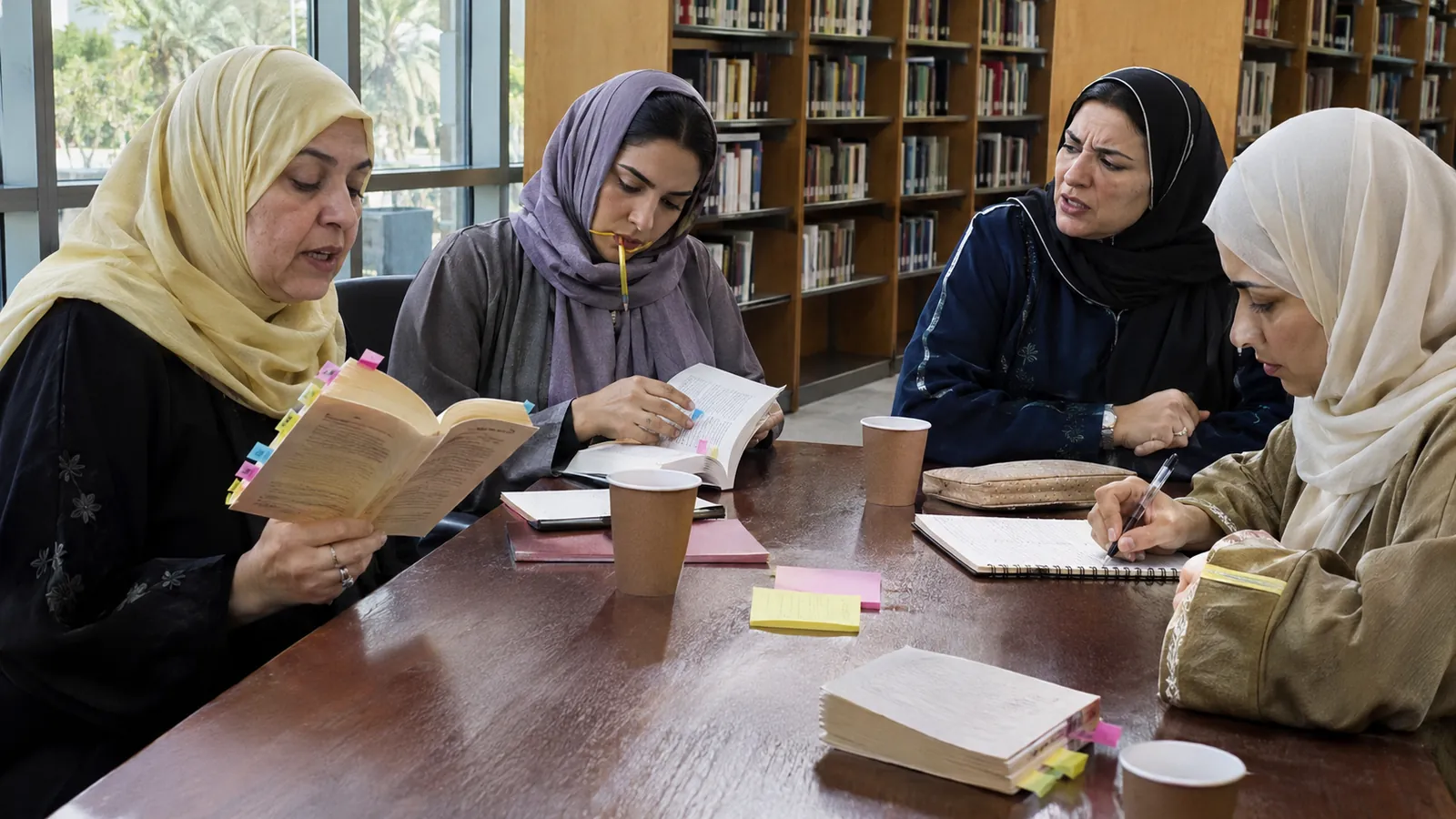
Lama brought the wrong book. She had moved to Riyadh from Buraidah for a hospital job, and a colleague had mentioned a small reading circle that met in a café in Al Malqa on the last Tuesday of the month. Lama said yes before she could talk herself out of it, bought a novel on the way home, read it in three nights, and arrived to find six women discussing a completely different title. The month had changed and nobody had told her. She sat down, embarrassed, ready to listen politely and leave early.
She stayed for two hours. It turned out that the wrong book was a gift. Everyone wanted to know what she had read instead, and why, and whether it was worth it. By the end of the evening two of the women had added it to their lists, one had offered to lend her the right book, and the organiser, a quiet teacher called Hind, had put her in charge of suggesting the title for January. Eight months later Lama still goes every month. Three of those women are now people she would call in an emergency.
Why a book does the hard part for you
The hardest moment in any new friendship is the beginning, when two people have nothing in common except the fact that they are standing in the same room. Small talk fills that gap badly. Where are you from, what do you do, how long have you been in Riyadh. The answers are pleasant and forgettable, and after twenty minutes you know a few facts about someone and almost nothing about them.
A book changes that. Everyone at the table has spent the same hours inside the same story, and everyone has an opinion about it. Within minutes you are not talking about your jobs, you are talking about whether the father in chapter four was right to forgive his son, or whether the ending was earned, or why a character you all found irritating reminded you of someone you love. Those are the conversations in which people show how they actually think: what they value, what moves them, what makes them laugh. It is a shortcut past the polite surface that might otherwise take months.
And disagreement is welcome. In ordinary small talk people avoid it. At a book club it is the whole point, and it is safe, because you are arguing about a character, not about each other. Learning that someone can disagree with you warmly, and that you can do the same with them, is one of the quiet foundations of trust.
The rhythm that friendship needs
Friendship, the research keeps telling us, runs on repeated contact. Seeing the same people again and again, in a setting where talking comes easily, is what turns acquaintances into friends. A reading circle builds that repetition in without anyone having to arrange it. There is always a next book and a next date. You never have to find an excuse to meet again, because the excuse is already on the calendar.
Monthly is the classic rhythm, and it works well for busy people, but it is slow. Many circles that turn into real friendships add something in between: a short coffee two weeks later to check how everyone is getting on, a shared trip to a book fair, a group chat where people post the line that stopped them in their tracks. Those small in-between moments are often where the closest friendships form.
Reading in Riyadh
Riyadh has quietly become a reading city. The book fair each year draws crowds that surprise first-time visitors, the King Fahd National Library is a quiet and beautiful place to spend an afternoon, and bookshops from the big chains to small independent corners have regulars who linger. Cafés across the north of the city, in Al Malqa, Hittin and Al Yasmin, and in the older districts around Al Olaya, have long tables that are perfect for six people and a stack of books. Many of the city's reading circles meet in exactly these places, in the cool evenings between October and April, often after Isha when the traffic has eased.
Reading circles here come in every shape. Some read only Arabic novels, some only English, and some alternate, which is a lovely way to bring people from different backgrounds to the same table. Some read poetry, some history, some books about work and leadership. Most are for women or for men, which keeps the setting comfortable and familiar for everyone. Some are tied to a workplace or a university, others to a neighbourhood. It is worth trying two or three before you settle. The right circle is less about the books and more about whether, at the end of the evening, you want to see these people again.
How to join one without feeling like an outsider
Arriving at an established group is the part people dread. A few small habits make it much easier. Read the book, or at least most of it, so you have something to say. Come with one specific thought rather than a general verdict: a moment that surprised you, a line you underlined, a question you could not answer. Ask questions of the others before you give long opinions of your own. And stay a little after the discussion ends. The ten minutes while people find their car keys are often when the real conversations start.
Then go back. The first meeting almost always feels slightly awkward, and the second a little less so. By the third, people remember your name and your opinions, and someone will ask what you thought before the discussion even begins. That is the moment a circle starts to feel like yours.
Or start your own
If you cannot find the circle you want, start one. It sounds like a big step, but it is one of the most reliable ways to build a group of friends in a new city. Abdullah, an engineer who moved to Riyadh from Dammam, started his by asking three colleagues whether they wanted to read the same history book over a month and talk about it over coffee. Two said yes. Each of them brought one friend to the second meeting. Two years later the group has ten members, a running list of titles nobody agrees on, and a tradition of an early breakfast together every winter.
Keep it small. Between four and eight people is ideal, enough for a lively discussion and few enough that everyone speaks. Choose a fixed day, such as the last Tuesday of every month, so nobody has to negotiate dates. Meet somewhere public and easy to reach, a café with a quiet corner or a library reading room, and keep the evening to about two hours with a natural end. Pick books that can be finished in a month by people with jobs and families. And rotate the choice of title, so everyone feels the circle belongs to them.
When the book becomes a friendship
The interesting thing about reading circles is that, after a while, the book becomes less important. Members start meeting in between. They swap books by hand, visit an exhibition together, travel to the book fair as a group, or sit in the same café on a Friday afternoon without a book in sight. The circle gave them a reason to meet, and that reason slowly turned into a friendship that does not need one.
Lama put it simply. In her first months in Riyadh she knew a lot of people from work, but she had no one to share the things she cared about. The reading circle gave her that, and the friendships followed. "We started by talking about characters," she said. "Now we talk about our lives. The books were just how we got there."
Where TruFriend fits
Finding a reading circle that suits you, with people of a similar age and interests nearby, is not always easy, especially if you are new. TruFriend is built for friendship only. Tru, our assistant, gets to know what you like to read, when you are free and which part of Riyadh you live in, then introduces you to a few people who fit, with the reasons you might get along. A conversation only opens when both of you say yes, and plans happen in public places such as cafés and libraries. Circles such as Book lovers and Coffee & conversation make it easy to begin with one book and one evening.
TruFriend is for friendship only, for grown-ups aged 18 and over, and free for founding members. Join TruFriend: it takes a minute.
Don’t just read about it
Join a circle of people in Riyadh who enjoy the same things. Members already on TruFriend can join from the app or suggest a plan in any chat.

Where to meet in Riyadh
Public places picked for small groups of 3 to 10, sorted by interest and area.
Keep reading
 FriendshipMaking friends as a parent in Riyadh, and keeping a friendship of your own
 IdeasVolunteering in Riyadh: why giving time together builds trust so fast
 FriendshipFrom acquaintance to friend in Riyadh: the small steps that make it real
 CirclesMeeting people through AI and tech in Riyadh: from big events to a small circle that keeps learning
 IdeasEating your way through Riyadh’s neighbourhoods with friends
 New in townFar from family: building a circle of friends in Riyadh
 IdeasPhoto walks in Riyadh: from Al Masmak and Deira to Murabba and the new skyline, with a camera and a friend
 IdeasLanguage exchange in Riyadh: learning Arabic or English with a partner, and the friendship that comes with it
 FriendshipFriends next door: getting to know your neighbours in Riyadh
 IdeasLearning a craft together: how calligraphy, pottery and Sadu classes in Riyadh turn into friendships
 IdeasTwo wheels, one group: how a weekend ride in Riyadh turns into friendship
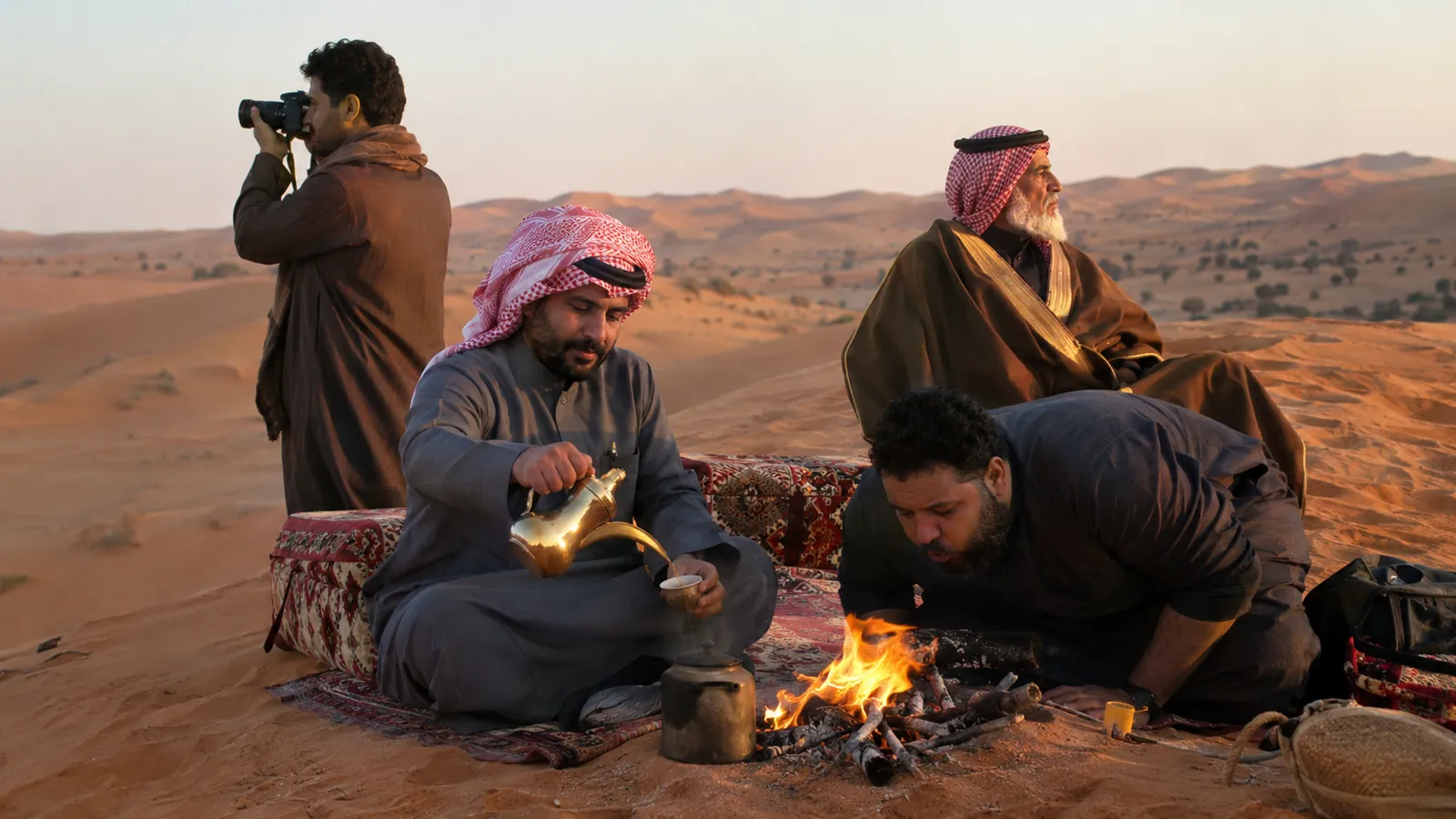 IdeasInto the desert: day trips near Riyadh that turn new friends into real ones
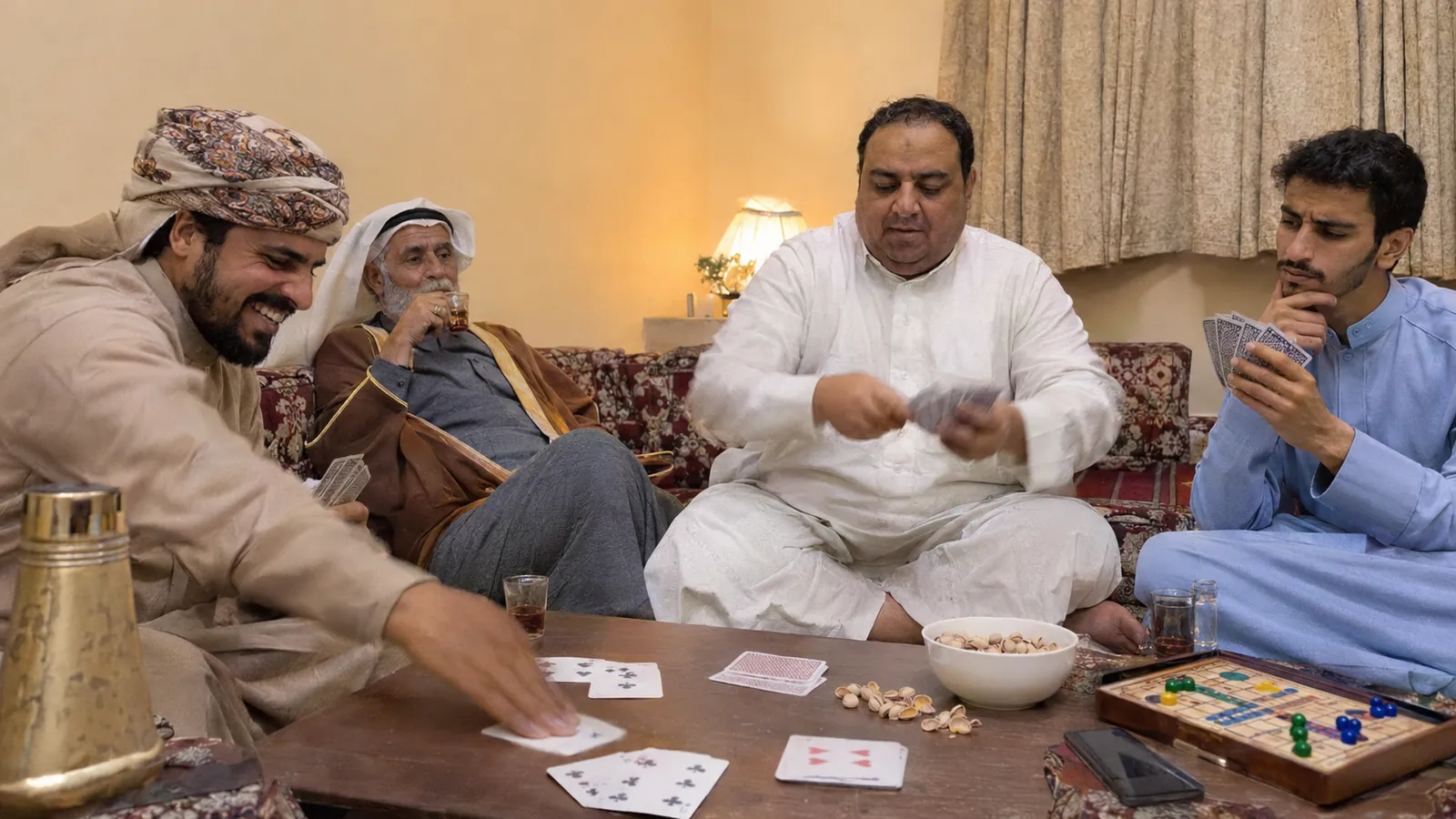 CirclesGame nights in Riyadh: how a table of strangers becomes a circle of friends
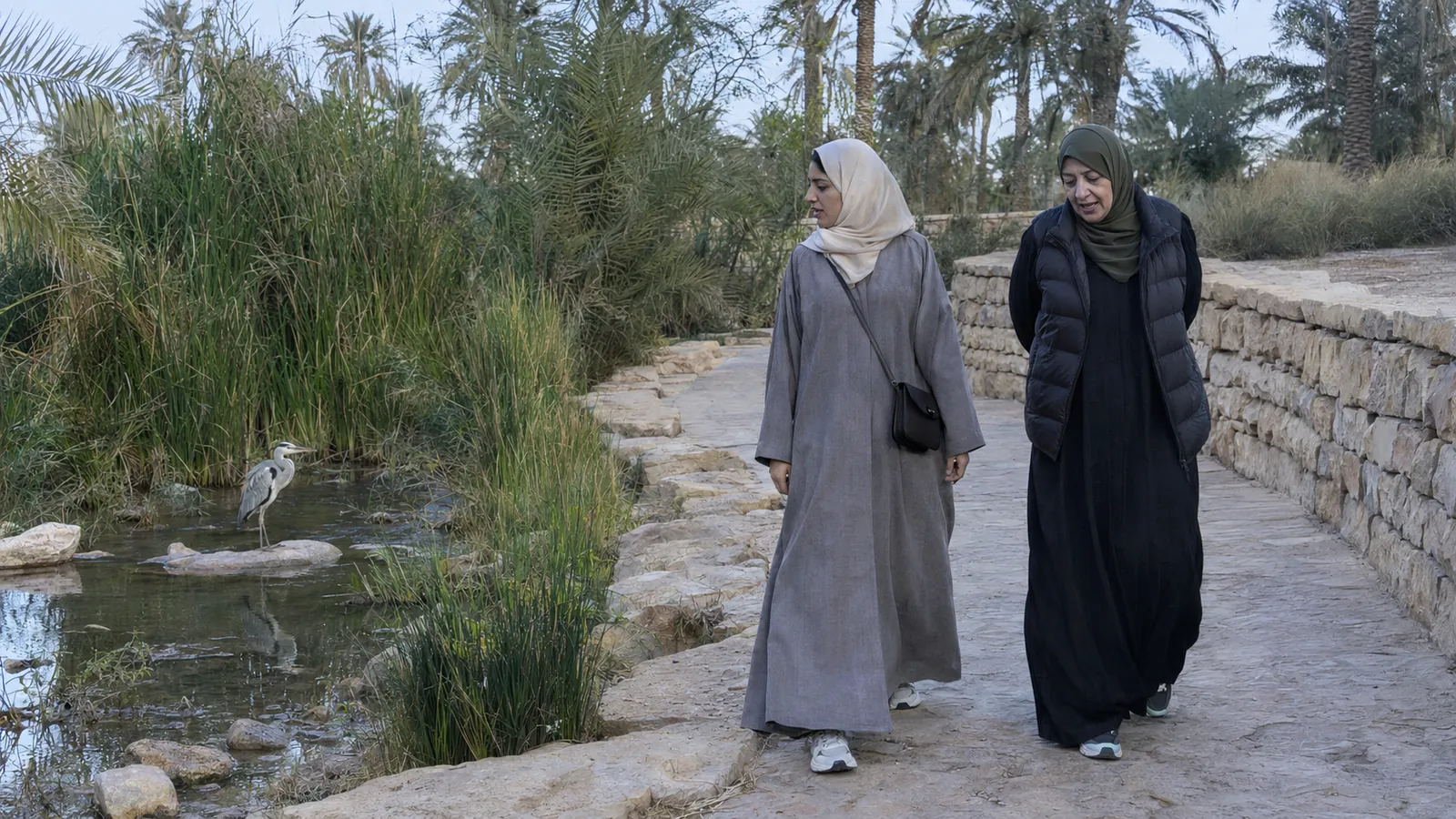 IdeasWadi Hanifa and the walk that turns into a friendship
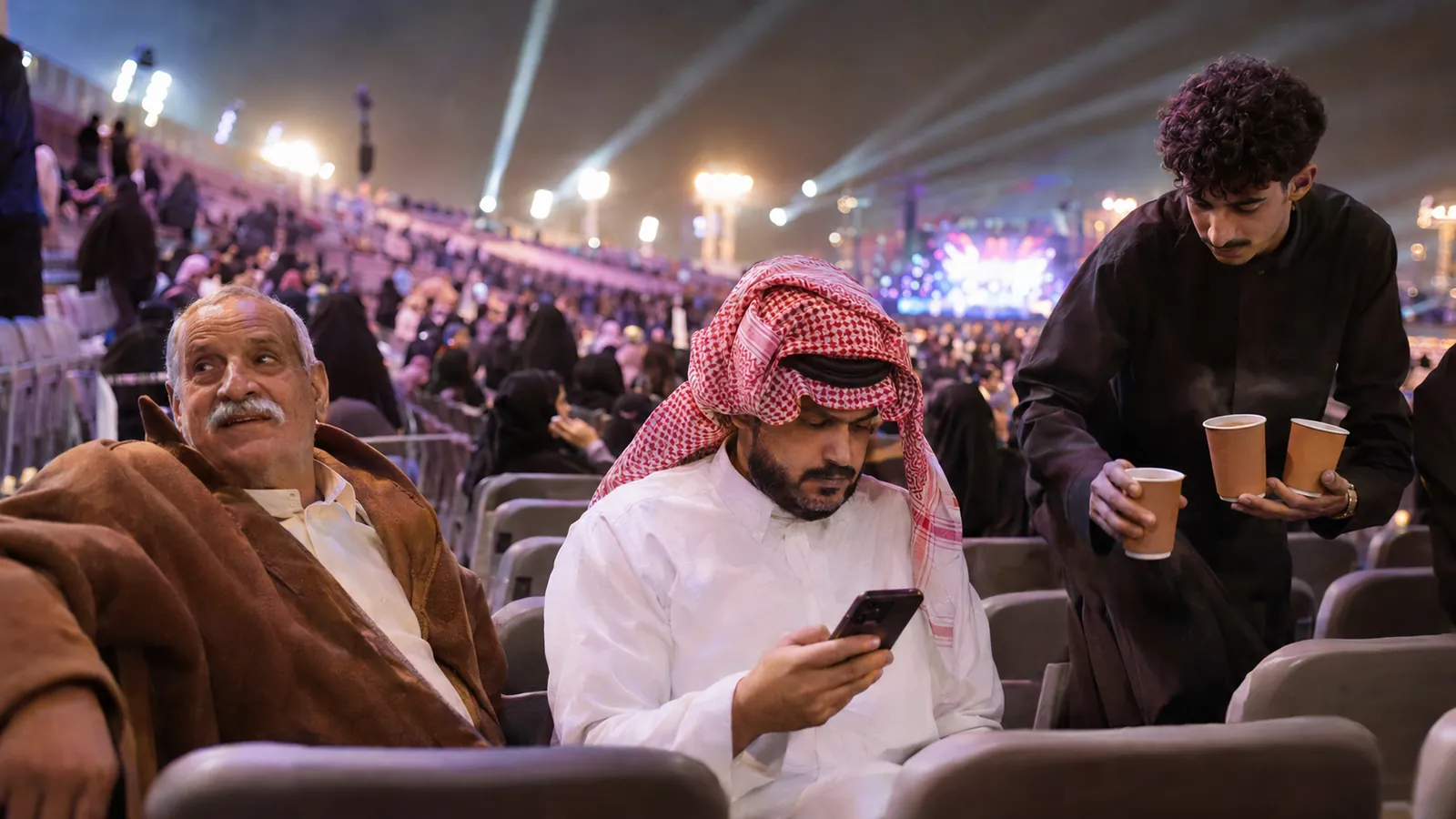 IdeasRiyadh Season with friends: how to make a night of it
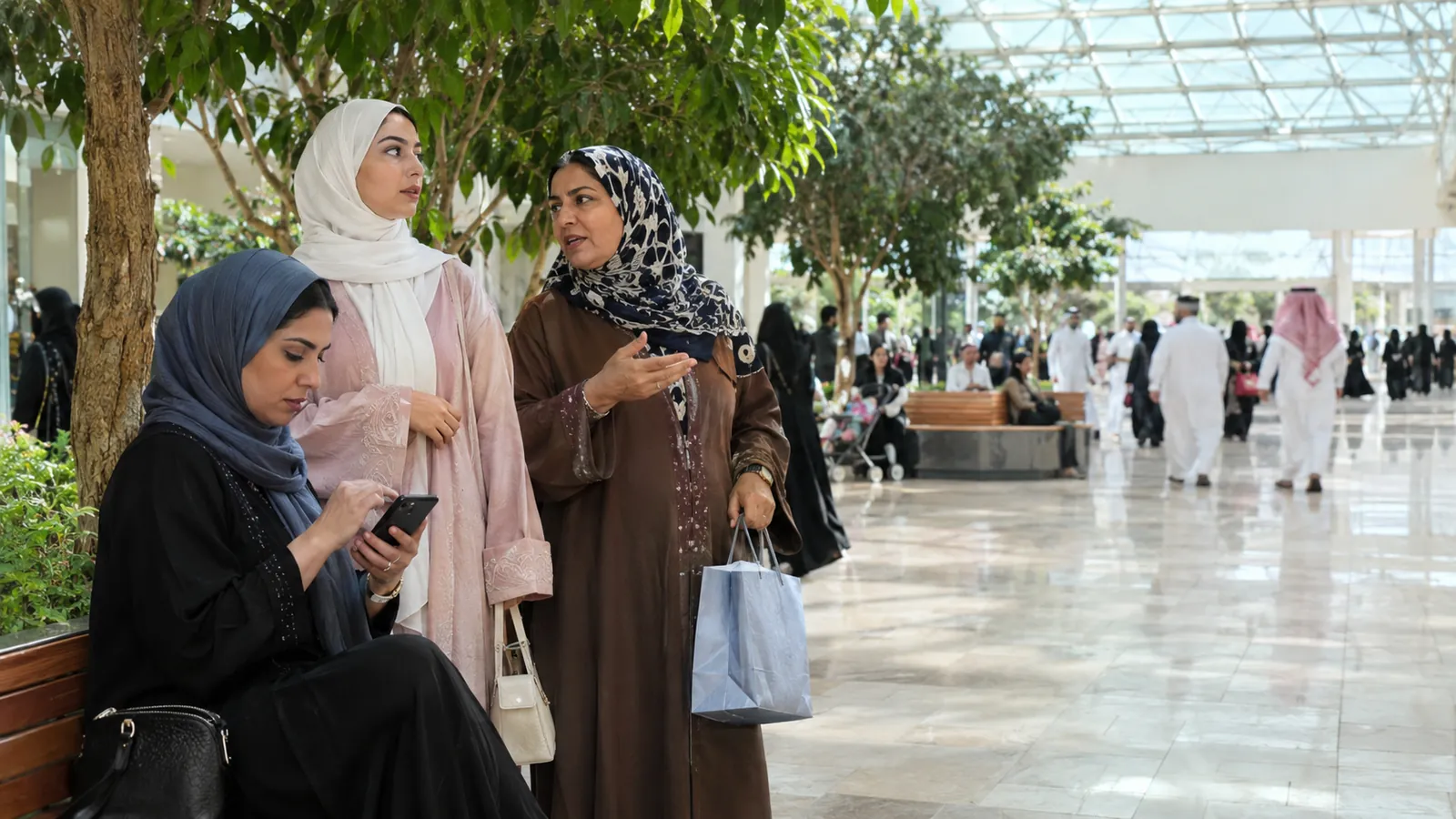 SafetyMeeting new friends safely in Riyadh
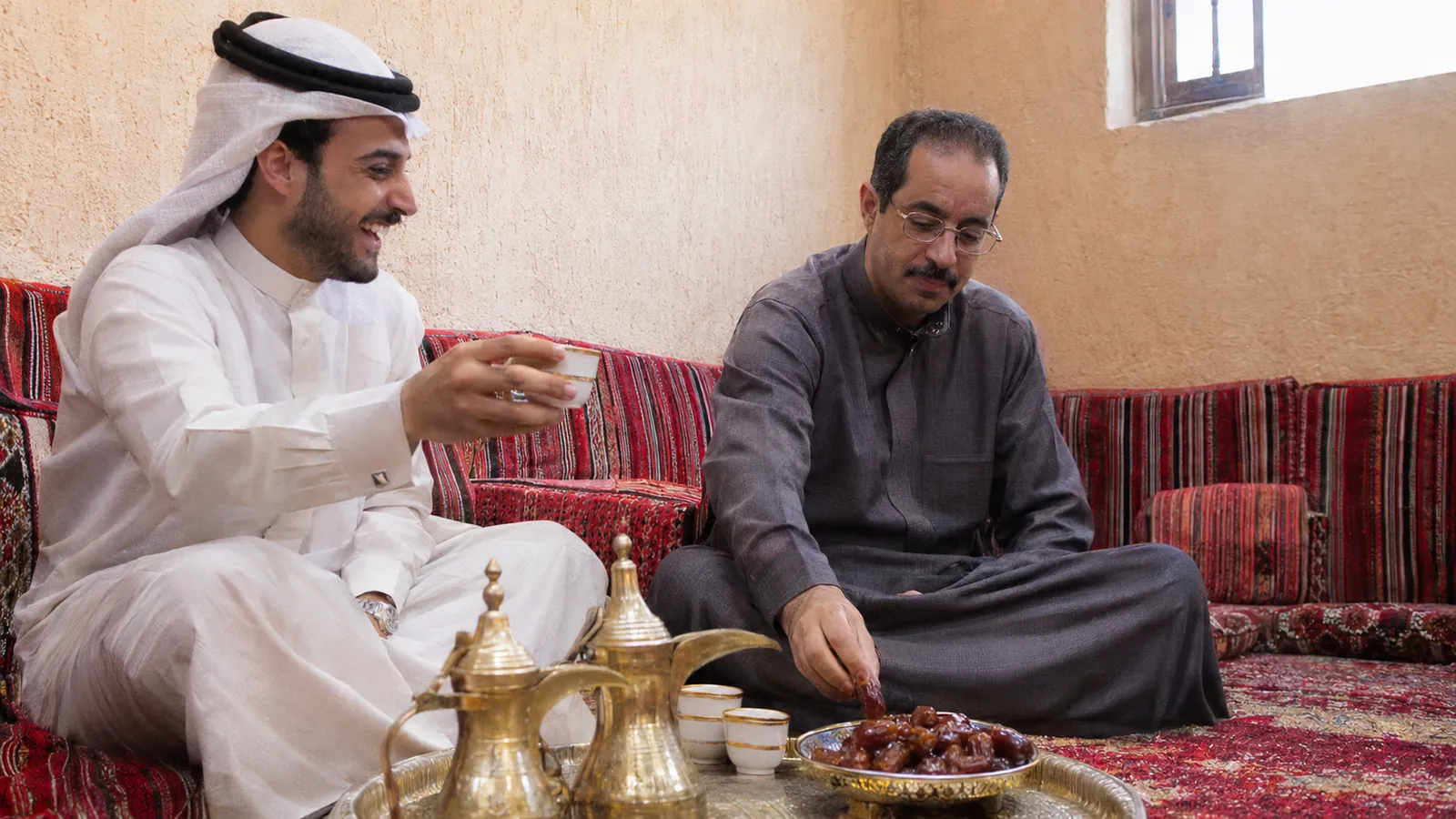 FriendshipWhy coffee is the best first meeting in Riyadh, and how to make it count
 FriendshipMaking friends in Riyadh when you work long hours
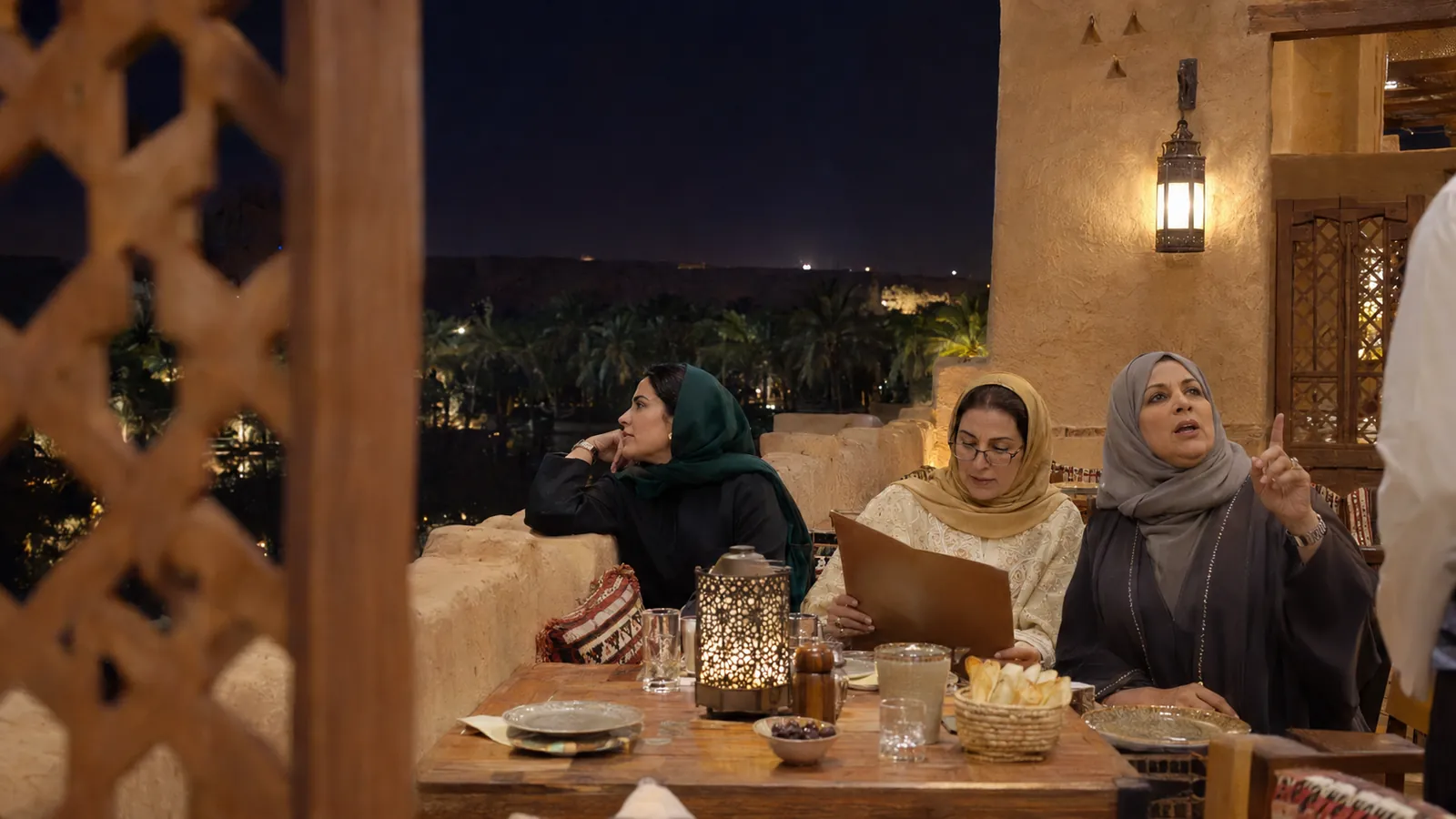 IdeasDiriyah with friends: an evening out that feels like an occasion
 FriendshipMaking friends in Riyadh as a woman: where to start
 IdeasWhy padel is Riyadh’s friendship machine
 IdeasYour first Riyadh weekend with new friends: a Thursday-to-Saturday plan
 FriendshipHow to make friends in Riyadh as a grown-up
 New in townNew in Riyadh? How to build a social life in your first three months
 IdeasThings to do with new friends in Riyadh this season