Salem had known the three of them for about six weeks. Two from a Thursday evening walk, one from the walk’s group chat, which had slowly become a chat about everything else. They had shared coffees, a late dinner and a great deal of good-natured arguing about football. It was friendly, but it still had the polish of people being on their best behaviour. Then, on a cool Saturday in November, they drove out to the Tuwaiq escarpment together. By the time they were sitting on the rocks above the plain, watching the light go, someone had told a story about his father he had never told anyone in Riyadh, and nobody had looked at a phone for an hour. On the drive home, Salem realised he was no longer thinking of them as people from the walk.
That shift is what this piece is about. Riyadh spends months of the year indoors, and much of early friendship happens in cafés and malls, which is fine. But when the weather turns, the desert is right there on the edge of the city, and a day out in it has a way of moving a friendship forward that a table rarely does.
Why the desert does what a café cannot
A café meeting has a script. You sit facing each other, you ask the usual questions, and after an hour or so someone looks at the time. It is a good way to start, and it is also a little like an interview. A day in the desert has no script at all. There is the drive out, the stop for fuel and snacks, the wrong turn, the moment the tarmac ends, the walk, the view, the long sit, the drive back in the dark. Conversation comes and goes naturally, and the silences are comfortable because there is always something to look at.
People who study friendship often point to two things that help it grow: time spent together, and shared experiences that feel a little new. A desert day gives you both in one go. You spend more hours together than you would in a month of weeknight coffees, and the day becomes a shared story. Months later, someone will still mention the flat tyre, or the sunset that silenced everyone, or the friend who insisted he knew the way. Those small, shared memories are what a friendship is made of.
There is also something about being outside the city that softens people. Away from work, traffic and the noise of the week, most of us become a bit more ourselves. The friend who was quiet over dinner turns out to know the names of desert plants. The one who seemed serious has the best laugh.
Three places within reach
This is not a travel guide, and access to desert sites around Riyadh can change from one season to the next. Always check the current situation shortly before you go. With that said, these are the places groups of friends most often talk about.
Edge of the World (Jebel Fihrayn). At the end of the long Tuwaiq mountain range, roughly 100 kilometres north-west of the city, the land simply stops. Cliffs drop away to a wide, ancient plain, and on a clear evening the view seems to go on for ever. The last part of the journey is on rough, unmarked desert tracks, so it is a trip for a proper four-wheel drive, ideally two vehicles together, or with a licensed local operator who knows the route. Access arrangements here have changed more than once over the years, so look up the current position before you set off rather than relying on an old post or a friend’s memory. Late afternoon into sunset is the classic time, and the cliff edges are unfenced, which matters.
The red sands. South-west of the city, within an easy drive, are the deep orange dunes that people simply call the red sands. It is the most accessible of the three, and it is a favourite for an afternoon of climbing dunes, sitting on the ridge with a flask of coffee and watching the colours change. You will find quad bikes and camel rides on offer in the area. If anyone in your group wants to try them, go with an established provider, wear the safety gear offered, and agree beforehand that nobody needs to prove anything. Dune driving in your own car is a skill; if nobody in the group has it, keep to firm ground.
Thumamah. On the north-eastern side of Riyadh, the Thumamah area has been a weekend escape for generations of families. Much of the old Thumamah park is now part of the King Khalid Royal Reserve, a protected area with its own rules about where you can go, drive and camp, and seasonal camps that are booked through official channels. It is the gentlest option, ideal for a first outing together: closer to home, with space to walk and a softer landscape. Check the reserve’s current visitor arrangements before you go.
If you are tempted to stay overnight anywhere outside the city, camping in vegetation-covered areas needs a permit from the National Center for Vegetation Cover, which you apply for online.
Plan it like a small expedition
The desert is beautiful and it is also unforgiving, and a good day out depends on a little planning. None of this is complicated, and sharing the planning is itself a good way to get to know each other.
Go as a group, never alone, and keep the group small: four to six people is ideal, in two vehicles if you are heading anywhere remote. If one car gets stuck or breaks down, the other can help or go for help. A four-wheel drive with good tyres is essential for anything beyond paved roads, and at least one person should know how to lower tyre pressure for sand and reinflate it afterwards.
Tell someone who is not coming where you are going, which route you are taking and when you expect to be back, then message them when you are home. Phone signal can disappear surprisingly quickly once you leave the main roads, so download offline maps before you leave and do not rely on a single phone.
Take far more water than you think you need, for every person and some for the car. Add snacks, sun protection, a first-aid kit, a torch and a warm layer, because desert evenings in the cooler months can turn chilly fast. Fill the tank before you leave the city. Start early enough to arrive in daylight and head back before it is fully dark. And watch the weather: if rain is forecast, keep away from wadis and low ground, which can flood suddenly, and follow any official warnings.
The small things that make the day work
Agree on the plan and the costs before the day, not during it. Fuel, food and any operator fees split evenly feel fair; a surprise bill at the end does not. Give everyone a small job: one person brings the coffee and dates, one handles the route, one checks the weather. People feel part of a group when they have contributed something to it.
Think about who is in the group. These trips work best with people who already know each other a little, from a circle, a walk or a few coffees, rather than as a first meeting. Mixed groups of friends should stick to busy, public places such as well-known viewpoints and established sites, and everyone should be comfortable with the plan, including the time you will be home. Dress modestly and practically, with sturdy shoes and something to cover up against the sun and wind.
Leave the place as you found it. Take every bit of rubbish home, keep to existing tracks, do not drive over plants, and leave the wildlife alone. Ask before photographing anyone, and before posting any photos online; some friends are happy to be in the picture but not on social media.
And leave space for nothing in particular. The most memorable part of a desert day is rarely on the itinerary. It is the hour sitting on a dune with a flask of coffee, saying very little, and realising that the silence is not awkward any more.
Where TruFriend fits
A day like this needs a few people you already feel comfortable with, and that is the hardest part when you are new to Riyadh or your old friends have drifted. TruFriend is built for friendship only. Tru, our assistant, gets to know what you enjoy, when you are free and which part of the city you live in, then introduces you to a few compatible people nearby, with the reasons you might get along. A conversation only opens when both of you say yes, and plans happen in public places. Circles such as Outdoors, Photo walks and Walkers & runners give you a small, regular group to build that comfort first, so that by the time someone suggests the desert, saying yes feels easy.
Salem’s group, for what it is worth, now has a winter tradition: one desert day a month from November to March, a different spot each time, and a running argument about who is in charge of the coffee. They still talk about that first sunset. It usually starts like that.
TruFriend is for friendship only, for grown-ups aged 18 and over, and free for founding members. Request an invite and we will email you a personal invitation.
Don’t just read about it
Join a circle of people in Riyadh who enjoy the same things. Members already on TruFriend can join from the app or suggest a plan in any chat.
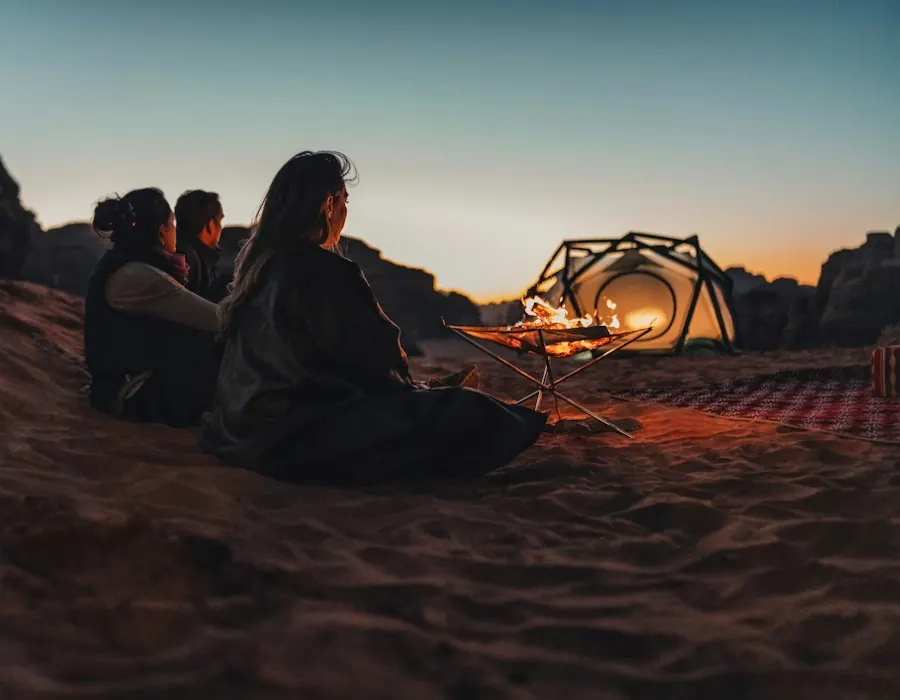 Hiking & outdoorsA friendship circle for desert trips, hiking, camping and cycling around Riyadh, especially in the cooler months.
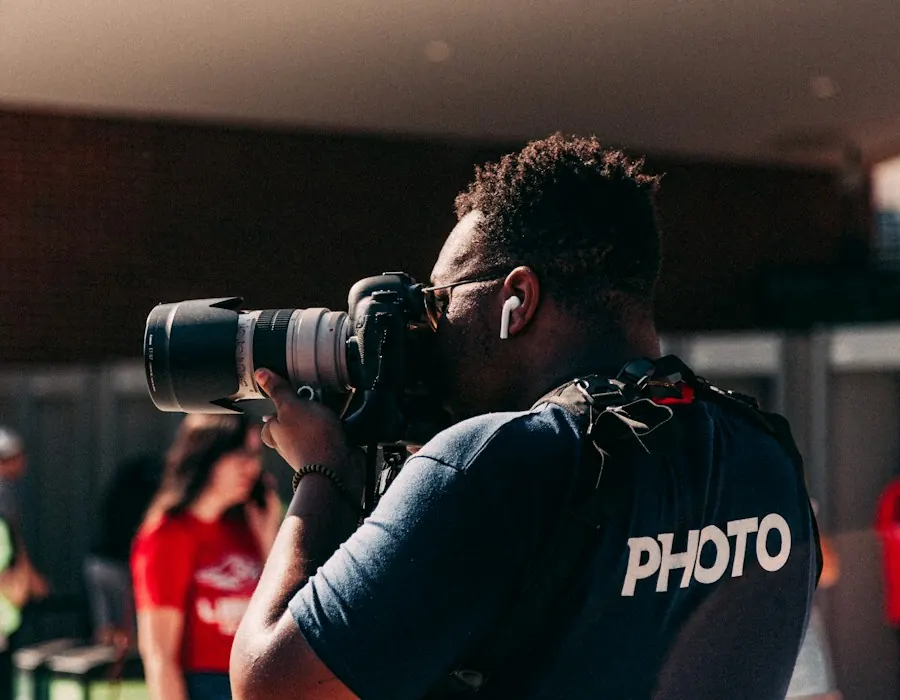 Photo walksA friendship circle for photographers of every level: explore Riyadh’s skyline, historic districts and desert edges together.
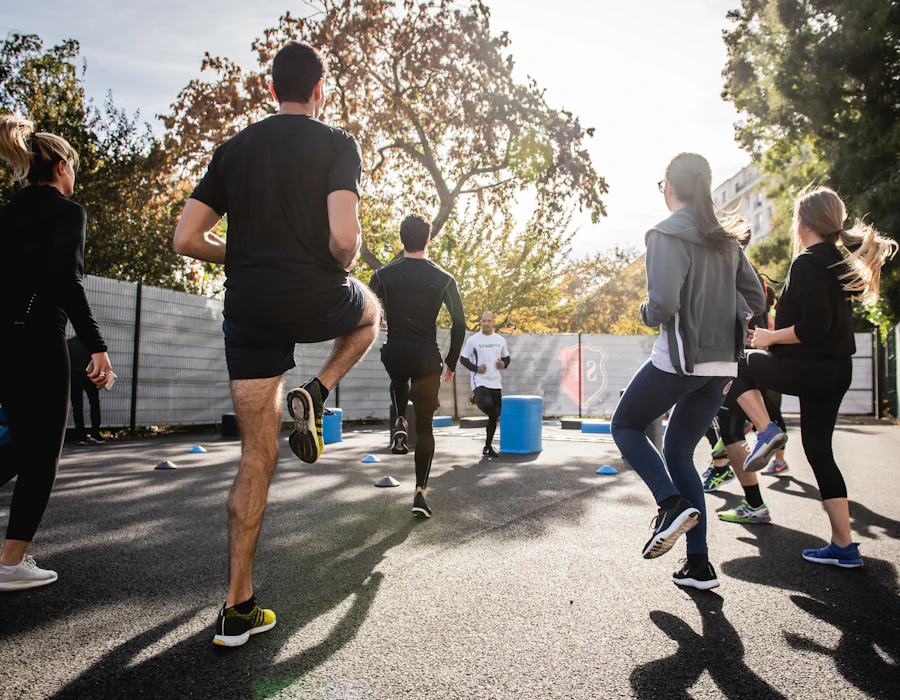 Walkers & runnersA friendship circle for people who like evening walks, early runs and park paths in Riyadh. Find a regular partner at your own pace.
Keep reading
 CirclesGame nights in Riyadh: how a table of strangers becomes a circle of friends
 IdeasWadi Hanifa and the walk that turns into a friendship
 IdeasRiyadh Season with friends: how to make a night of it
 SafetyMeeting new friends safely in Riyadh
 FriendshipWhy coffee is the best first meeting in Riyadh, and how to make it count
 FriendshipMaking friends in Riyadh when you work long hours
 IdeasDiriyah with friends: an evening out that feels like an occasion
 FriendshipMaking friends in Riyadh as a woman: where to start
- IdeasWhy padel is Riyadh’s friendship machine
- IdeasYour first Riyadh weekend with new friends: a Thursday-to-Saturday plan
- FriendshipHow to make friends in Riyadh as a grown-up
- New in townNew in Riyadh? How to build a social life in your first three months
- IdeasThings to do with new friends in Riyadh this season