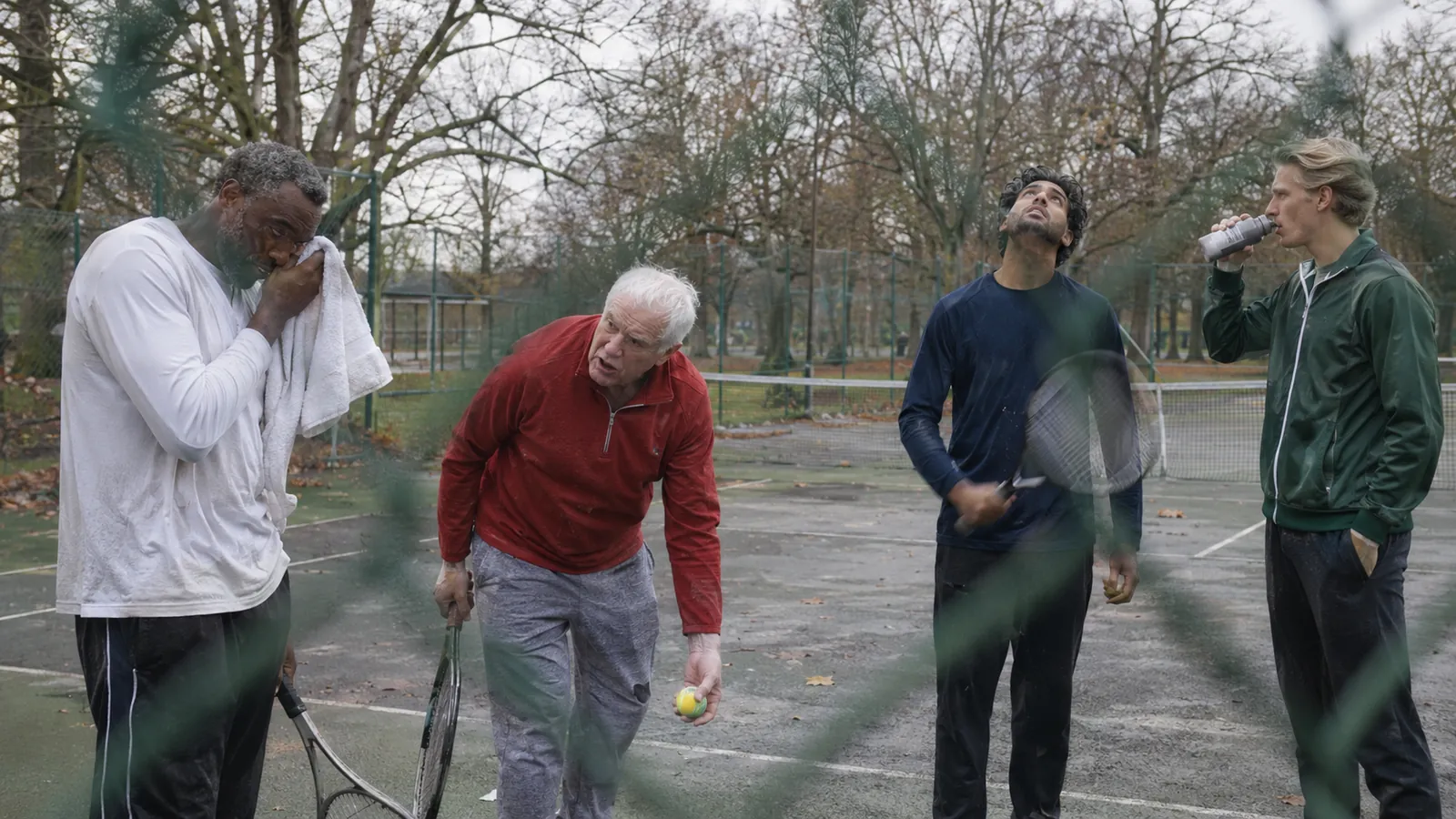
Every Saturday at nine, whatever the weather is doing, four women meet at the tennis courts on Parliament Hill. Rachel, a nurse from Kentish Town, was the first. She had played at school and dreamed for years of picking up a racket again, but every time she thought about it she ran into the same problem: tennis needs at least one other person, and she did not have one. Her friends had young children or bad knees. Her partner preferred cycling. So the racket stayed in the hall cupboard.
Then, one spring, she booked a court anyway and posted a short message asking whether anyone nearby fancied a gentle, unserious hit on Saturday mornings. Sana, who had moved from Karachi for a master’s degree, replied within an hour. Helen, a retired civil servant, came the following week. Mei, a junior doctor working odd shifts, joined a month later. Two winters on, they still play, still argue about whether a ball was out, and still go for breakfast afterwards at a café near the Heath. Rachel says the tennis is good for her body, but the breakfasts are good for her heart.
Why a racket sport makes friends so quickly
Tennis and padel have something many hobbies lack: they cannot be done alone. You need a partner or an opponent, which means every game is, by definition, a small social event. You turn up at the same time, you share the work of keeping a rally going, and you have a reason to talk afterwards about the shot that went wrong and the one that went right.
Racket sports also suit people who find it hard to sit across a table and talk. On the court, the conversation is light and broken up: a shout of "good shot", a laugh at a missed volley, a quick discussion of the score. By the time you sit down for a coffee afterwards, you already share an hour of small, real moments. The talk that follows comes easily, because you have something to begin with.
And there is a rhythm to it. Most people play at the same time each week, on the same court, with the same small group. That regular, repeated contact is exactly what turns acquaintances into friends. You do not have to make an effort to stay in touch; the booking does it for you.
It is also one of the few activities where age and background matter so little. On a Saturday morning at Parliament Hill you can see a teenager hitting with his grandfather, a group of women in their sixties playing brisk doubles, and two colleagues who have just discovered they live on the same street. Some groups are women-only, some are men-only, many are mixed, and all of them work in the same way: a court, a time, and a few people who keep coming back. A sport you can play into your seventies is a sport you can build friendships around for decades.
Sana remembers her first morning well. She had been in London for only two months, knew nobody outside the lecture hall, and was so nervous she nearly turned back at the station. Then she saw Rachel waving an old racket and announcing that she had not played for twenty years, and she laughed and relaxed. Sana missed most of the balls that morning, but she left with a time for the following week, a phone number and a feeling she had not had since arriving: that someone in this enormous city was expecting her. She says that hour on the court changed her whole first year.
London’s courts, hidden in plain sight
Many people are surprised to learn how many public tennis courts London has. They sit in parks all over the city, often a short walk from home, and most can be booked online for a modest fee, with some free at certain times. You do not need to join an expensive club to play regularly.
In north London, the courts at Parliament Hill on the edge of Hampstead Heath are a favourite, with views over the trees. Highbury Fields and Clissold Park in Stoke Newington are well loved by local players, and Finsbury Park has courts that see steady use from early morning. In central London, Lincoln’s Inn Fields in Holborn offers a surprisingly peaceful game among the lawyers’ chambers, and The Regent’s Park has a tennis centre close to the open lawns.
East London has Victoria Park in Hackney and the Lee Valley Hockey and Tennis Centre at Queen Elizabeth Olympic Park, with indoor and outdoor courts that make winter play much easier. South of the river, Battersea Park, Clapham Common and Brockwell Park all have courts that fill up on summer evenings and quieter ones on weekday mornings. In the west, Holland Park has courts beside its woodland walks, and the Westway Sports and Fitness Centre in North Kensington offers indoor courts sheltered from the London rain.
Padel, the faster, friendlier cousin of tennis played in a glass-walled court, has also arrived in the city in a big way in recent years. It is always played in doubles, the rules are easy to pick up, and the walls keep the ball in play, so beginners can enjoy long rallies on their first evening. New courts have opened at clubs and sports centres across London, and many groups now mix the two sports through the year.
For more courts and sports centres, sorted by area, see our page of places for padel and tennis in London.
What makes Rachel’s group last
Groups that form around a sport often fade when the first enthusiasm wears off or the weather turns. Rachel’s has lasted through two London winters, and the reasons are simple.
They agreed from the beginning that the point is fun, not winning. Nobody keeps a league table. If someone has a bad week, the others adjust. Mixing abilities works when everyone accepts that a long, scrappy rally is better than a perfect point.
They share the booking. Each month a different person reserves the court, which spreads the effort and means the group does not depend on one organiser. When Rachel was ill for three weeks last winter, Helen simply took over, and the Saturday game went on.
They have a weather plan. When the courts are under water, they meet anyway for breakfast, or book an indoor court together. The habit of seeing each other matters more than the tennis itself, and they protect it.
And they always stay afterwards. The game lasts an hour; the breakfast often lasts longer. That is where Sana talked through her dissertation worries, where Helen told them about her late husband, and where Mei, exhausted after a run of night shifts, simply sat and laughed. Rachel says the court is where they meet, but the café is where they became friends.
If you want to pick up a racket again
Start gently. Book a court near home for an hour at a quiet time, such as a weekday evening or a weekend morning, and invite one or two people of roughly your level. If you have not played for years, say so. Most people are relieved to hear it, because they have not either.
Do not worry about equipment. Many public courts sit next to cafés or community sports centres where you can borrow or hire rackets, and a basic racket and a tube of balls are all you need to begin. Wear comfortable trainers and layers you can take off as you warm up.
If you are new to padel, consider a beginners’ session at a club first. A coach will explain the walls and the scoring in ten minutes, and you will leave with names and numbers of other beginners who want to play again.
Most importantly, choose a regular slot and keep it. The first few weeks are when groups are most fragile. Once the game becomes part of your week, it carries itself.
If you prefer your exercise on foot, our story about walkers and runners on the Thames Path shows how the same idea works by the river.
Where TruFriend fits
Not everyone is brave enough to post a message asking strangers for a game, and not everyone knows where to find players at their level. That is where TruFriend can help. It is a free platform for friendship only, for grown-ups aged 18 and over, and it is open in London. Tru, our assistant, learns what you enjoy, where you live and when you are free, then introduces you to a few compatible people nearby. A conversation opens only when both of you say yes, and every plan takes place in a public place, like a park court on a Saturday morning.
The Padel & tennis circle brings together people who want a regular game without the pressure of a club. Members start plans that anyone in the circle can join, groups stay small, from 3 to 10 people, and the same faces come back week after week.
Rachel’s racket no longer lives in the hall cupboard. If you would like a Saturday game of your own, join TruFriend: it takes a minute.
Don’t just read about it
Join a circle of people in London who enjoy the same things. Members already on TruFriend can join from the app or suggest a plan in any chat.
 Padel & tennisA friendship circle for padel and tennis players in London, from beginners to regulars, looking for friendly games and people to play with.
 Fitness buddiesA friendship circle for people in London who want company at the gym, in classes or outdoors, so it’s easier to keep going.
 Walkers & runnersA friendship circle for people who like long walks, early runs and park and riverside paths in London. Find regular company at your own pace.
Where to meet in London
Public places picked for small groups of 3 to 10, sorted by interest and area.
Keep reading
 CirclesPet lovers in London: how a dog walk on the Heath became a circle of friends
 IdeasLanguage exchange in London: trading words, finding friends
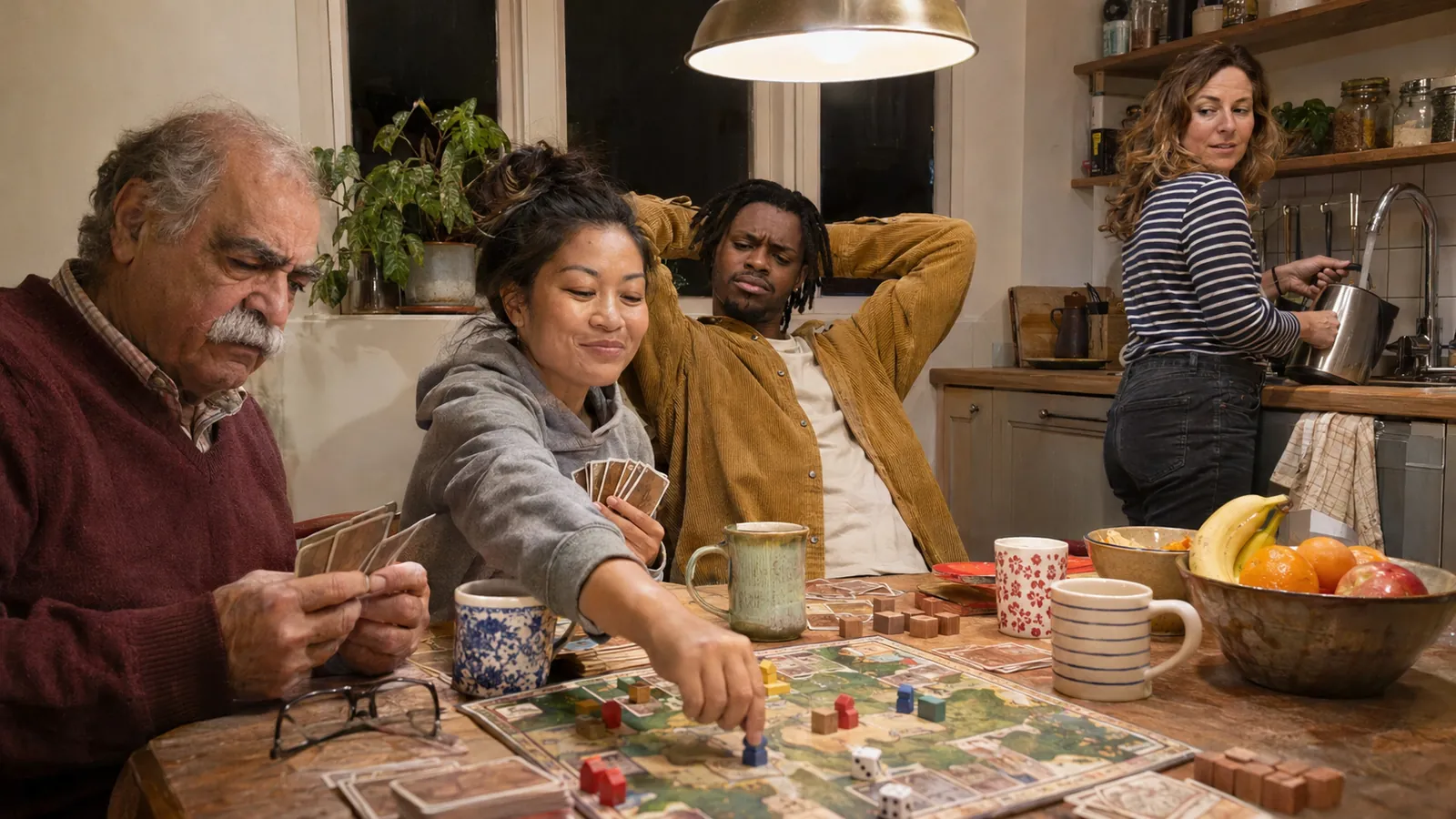 CirclesBoard games in London: how a kitchen table turned strangers into a Thursday group
 IdeasWalking and running the Thames Path: how London’s river turns early mornings into friendships
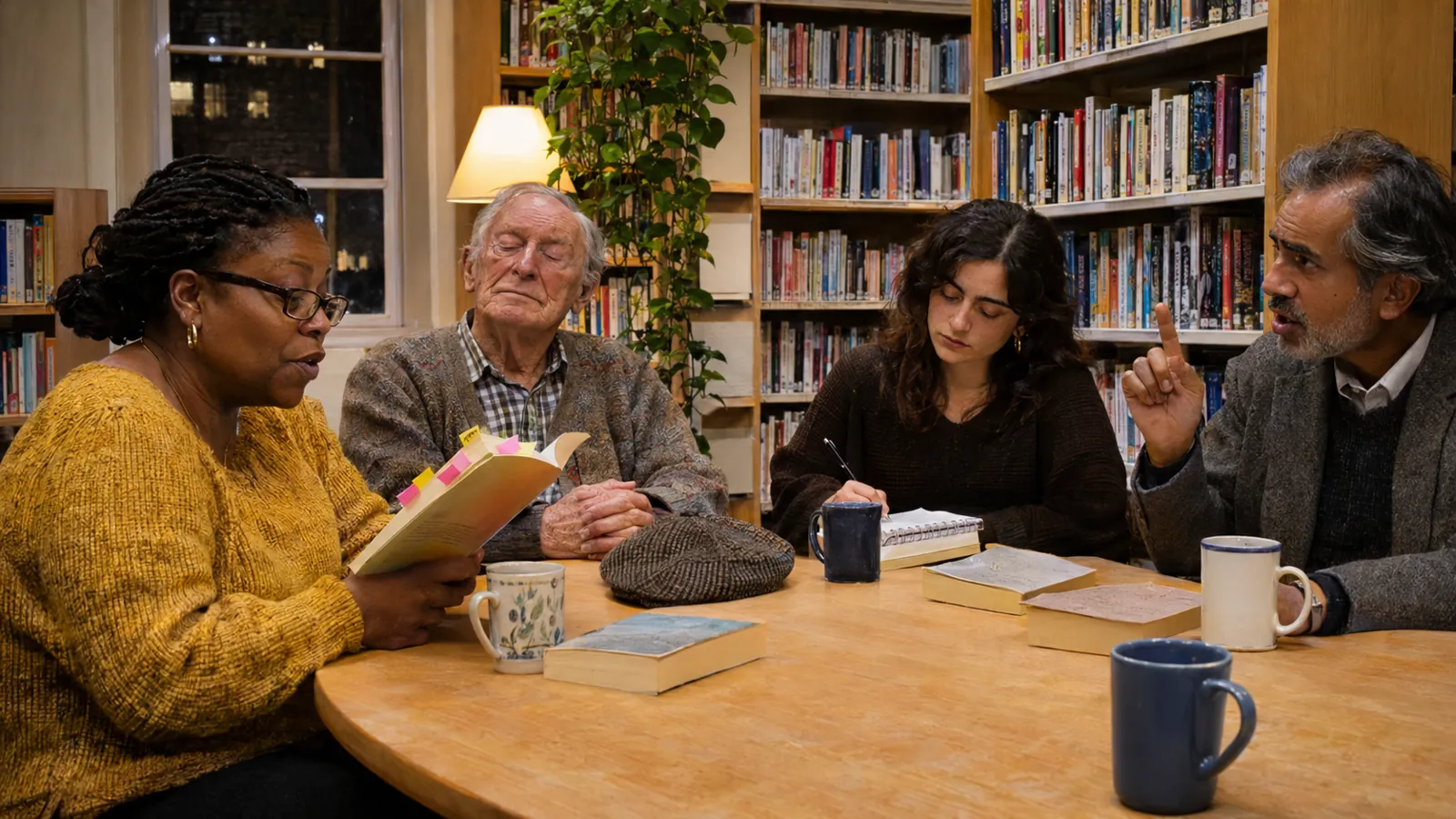 IdeasBook lovers in London: how libraries and reading rooms turn readers into friends
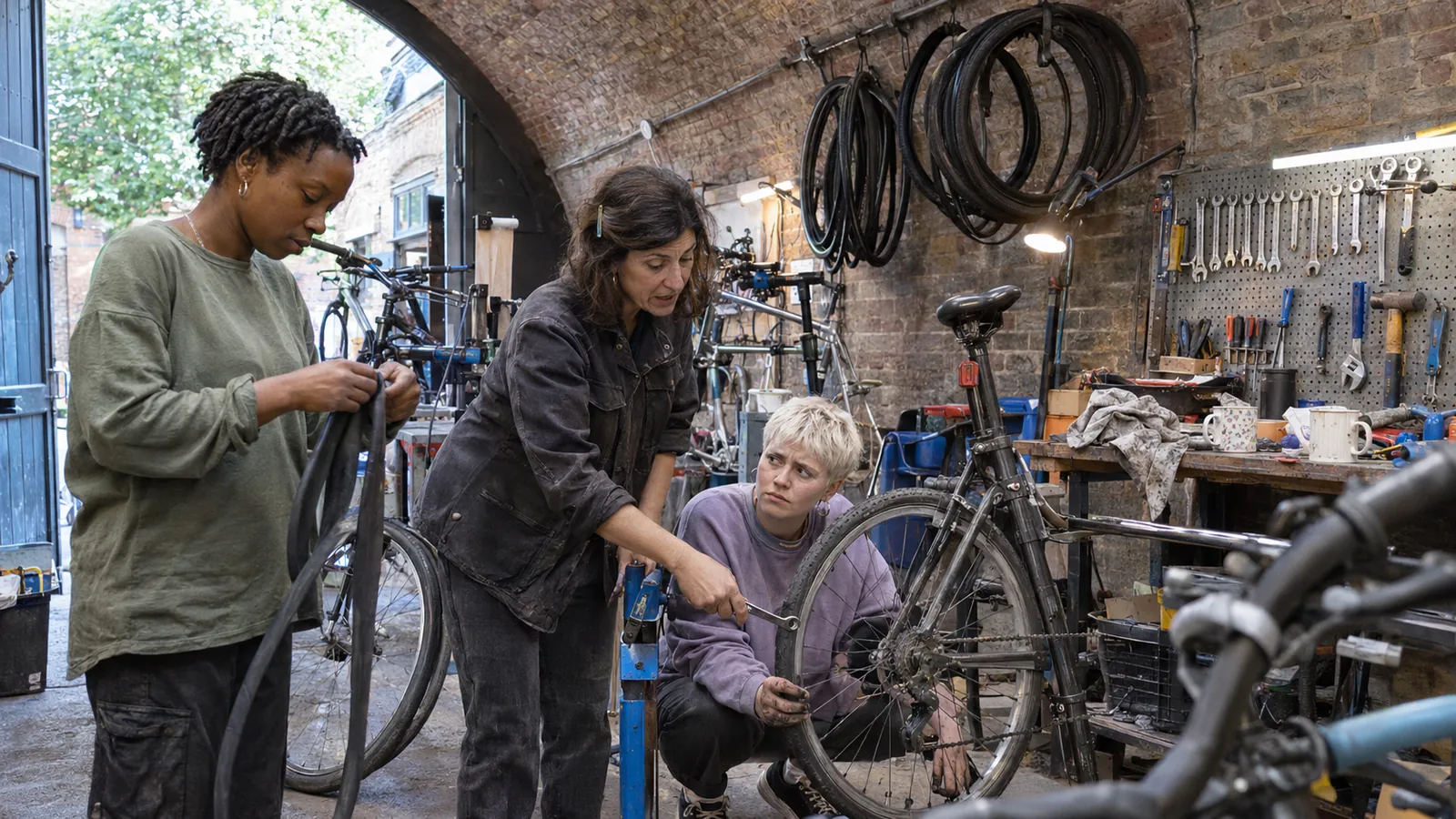 FriendshipMaking friends in London as a woman: a practical, honest guide
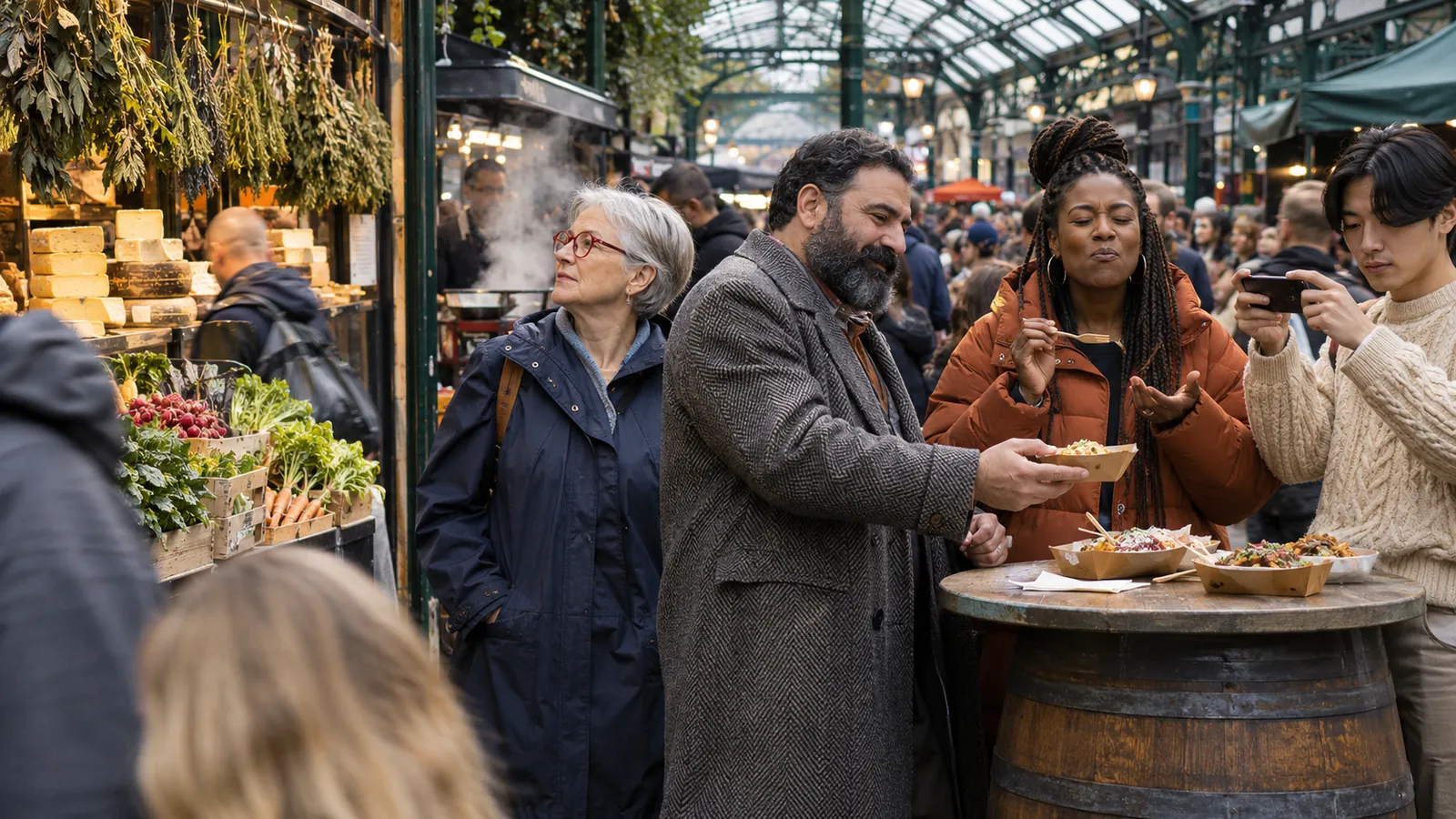 IdeasLondon’s food markets with friends: from Borough Market to your local Saturday stalls
 FriendshipMaking friends in London without the pub: daytime ways to meet people
 IdeasLondon’s free museums and galleries: the easiest place to make friends
 IdeasLondon parks and walks to share with friends
 New in townNew in London: how to build a social life in your first months
 FriendshipHow to make friends in London as a grown-up
 NewsTruFriend is now open in London