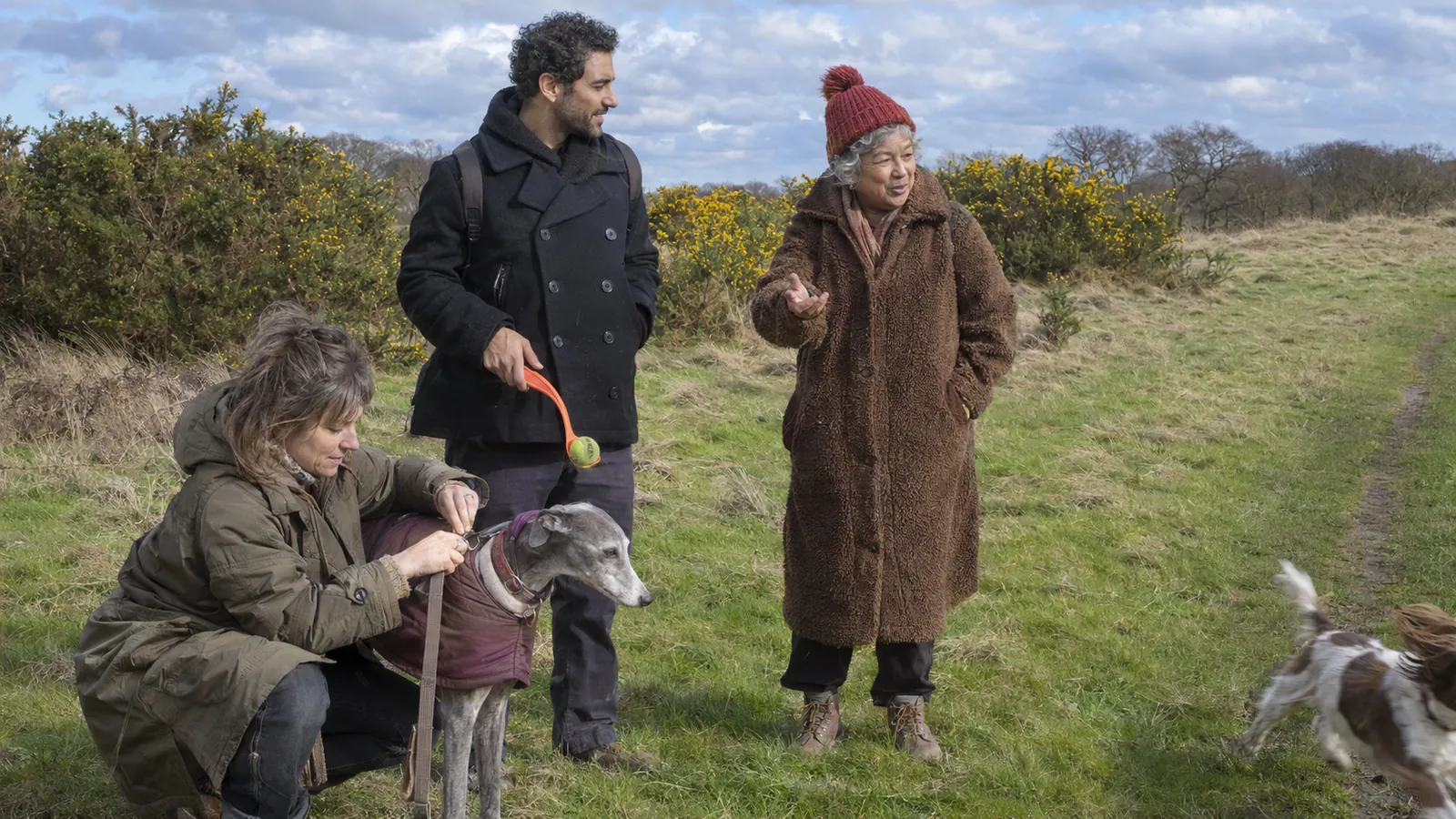
Marcus did not move to London to make friends. He moved for work, a job in finance near Liverpool Street, and he brought his dog, a slightly anxious rescue greyhound called Biscuit, because there was no one to leave her with. For the first few weeks he walked her at six in the morning and again late at night on the streets around his flat in Highbury, head down, earphones in, thinking only about the day ahead.
It was Biscuit who changed that. Greyhounds, it turns out, are magnets for conversation. On Highbury Fields one Saturday morning, a woman with a scruffy terrier stopped to ask whether Biscuit was retired from racing. The next weekend, a retired couple with a spaniel recognised her and waved. Within a month, Marcus knew the names of a dozen dogs on the Fields, and, rather more slowly, the names of their owners. Today a small group of them walk together on Hampstead Heath most Sunday mornings, then sit outside a café near Parliament Hill while the dogs lie in a tired heap under the table. Marcus says he came to London with one friend, and she has four legs. Now he has several more, and they mostly have two.
Why animals open doors
Anyone who has walked a dog in a park knows the effect. People who would never speak to a stranger will stop to ask a dog’s name, how old she is, whether she likes other dogs. The animal gives everyone permission to start a conversation, and an easy subject to talk about once it has started. There is no awkward opening line, because the dog has already made the introduction.
The same is true beyond dogs. Cat lovers bond over shared stories of ungrateful pets and three o’clock wake-up calls. People who volunteer at animal shelters work side by side with a common purpose, which is one of the oldest ways friendships form. Even those who cannot keep a pet at home, because of a landlord, a small flat or a busy job, often find that time with animals is what draws them out of themselves.
And animal routines are regular by nature. A dog needs walking every day, at roughly the same times, often in the same places. That means you see the same faces again and again, without having to arrange anything. Friendship researchers often point to repeated, low-pressure contact as the soil in which friendships grow, and a daily dog walk provides exactly that.
For newcomers especially, animals can be a bridge home. Many people who move to London leave a family dog or a childhood cat behind, and miss them more than they expected. Stopping to stroke a stranger’s spaniel on a wet Tuesday can feel like a small piece of home, and the owner, nine times out of ten, is happy to share. Several members of Marcus’s group say the first real conversation they had in London was with someone holding a lead.
London for pet lovers
London is a remarkably good city for animals and the people who love them. Its great green spaces are where most of the city’s dog walkers gather, and each has its own regulars.
Hampstead Heath, with its wide meadows, woods and ponds, is perhaps the best known, busy with dogs and their owners from first light. Highbury Fields and Clissold Park in the north, Victoria Park in the east and Battersea Park, Clapham Common and Brockwell Park in the south all have their own morning crowds, and once you start walking at the same time each day, you will soon recognise them. Richmond Park and the other Royal Parks welcome dogs too, though they ask owners to keep them under close control and on a lead in some areas and seasons to protect the wildlife, so it is worth checking each park’s own rules before you go.
For those who want to give something back, Battersea Dogs and Cats Home, one of the oldest animal rescue charities in the country, has been caring for animals in south London for more than a century and relies on volunteers. Many smaller rescue groups across the city also welcome help with walking, fostering and adoption days. Volunteering is a wonderful way to meet kind, practical people, and it is open to those who do not have a pet of their own.
Cat lovers have their places too. London has cat cafés where you can spend an hour in the company of resident cats over a pot of tea, and these make a gentle, easy setting for a first meet-up with someone who shares your love of animals.
For more green spaces where a group can walk together, see our page of outdoor places in London.
How Marcus’s group grew
The Sunday walk did not happen by itself. It grew from habits that anyone can copy.
Marcus kept the same times. Because Biscuit needed walking anyway, he went at the same hour every Saturday and Sunday, to the same field. Regulars soon expected him, and he began to expect them.
He learned names, people’s as well as dogs’. It sounds small, but asking "I know Pepper, but I don’t think I know your name" was the moment several acquaintances became something more. People remember being remembered.
He suggested one small next step. After a few weeks of chatting on the Fields, he asked whether anyone fancied a longer walk on the Heath one Sunday, followed by coffee. Four people said yes. That was the first real plan, and it has happened most weeks since.
The group welcomes people without dogs. Priti, a student nurse who cannot keep a pet in her shared flat, joined after borrowing a neighbour’s dog for a walk. Now she comes on her own, and the dogs greet her as warmly as anyone. Ana, who has two cats and no dog at all, comes for the walk and the conversation, and organises the group’s occasional visits to a rescue centre on adoption days.
And they help each other. When Marcus had to travel for work, the retired couple looked after Biscuit for a week. When Priti had exams, the group walked her neighbour’s dog so she could study. Looking after each other’s animals is an act of trust, and trust is what friendship is made of.
If you want to meet fellow animal lovers
Walk at the same time and in the same place. It is the easiest thing in the world, and it works. Within a few weeks you will recognise faces; within a month you will know names.
Be the one who says hello. Ask about the dog first, then the person. Most people are delighted to talk about their pets and happy to be asked.
If you do not have a pet, volunteer. Shelters and rescue groups always need help, and you will meet people who care about the same things you do.
Suggest something small. A longer walk, a coffee afterwards, a visit to a cat café. One easy plan is often all it takes to turn a nod in the park into a friendship.
For more ideas about walking the city’s green spaces together, read our guide to London’s parks and walks with friends.
Where TruFriend fits
Not everyone has a greyhound to start the conversation for them. That is where TruFriend can help. It is a free platform for friendship only, for grown-ups aged 18 and over, and it is open in London. Tru, our assistant, learns what you enjoy, where you live and when you are free, then introduces you to a few compatible people nearby. A conversation opens only when both of you say yes, and every plan takes place in a public place, like a park on a Sunday morning.
Our new Pet lovers circle is for anyone who loves animals, whether you have a dog, two cats, a parrot or no pet at all. Members start plans that anyone in the circle can join, from park walks to shelter volunteering days, and groups stay small, from 3 to 10 people.
Biscuit is still a little anxious, but she has a lot of friends now, and so does Marcus. If you would like a Sunday walk of your own, join TruFriend: it takes a minute.
Don’t just read about it
Join a circle of people in London who enjoy the same things. Members already on TruFriend can join from the app or suggest a plan in any chat.
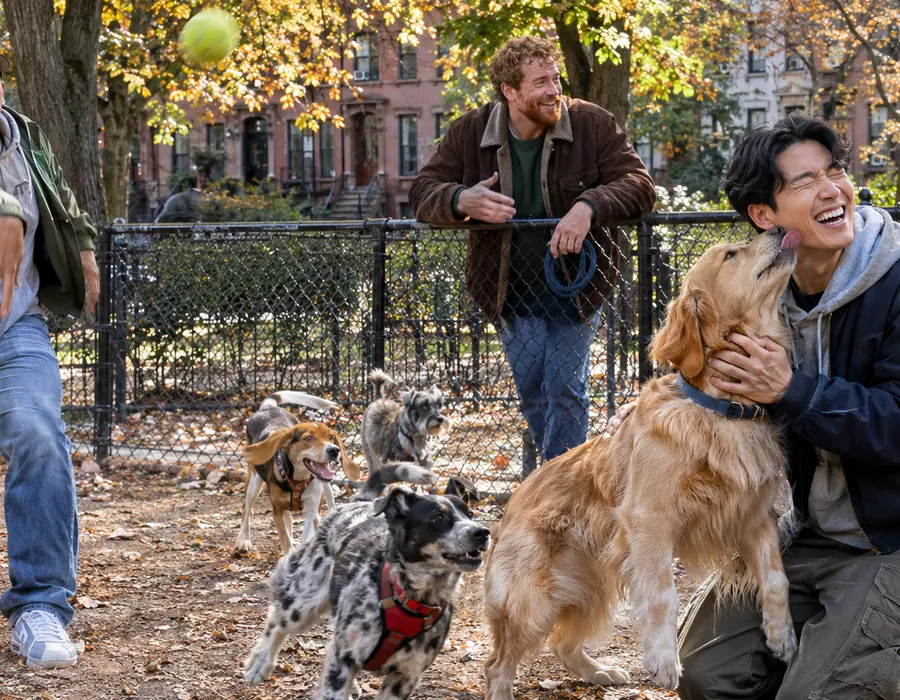 Pet loversA friendship circle for pet owners and animal lovers in London: dog walks on the Heath, dog-friendly cafés, shelter volunteering and swapping tips.
 Walkers & runnersA friendship circle for people who like long walks, early runs and park and riverside paths in London. Find regular company at your own pace.
 Hiking & outdoorsA friendship circle for countryside walks, hikes and day trips around London, especially in spring and summer.
Where to meet in London
Public places picked for small groups of 3 to 10, sorted by interest and area.
Keep reading
 IdeasLanguage exchange in London: trading words, finding friends
 CirclesTennis and padel in London: the Saturday game that became a friendship
 CirclesBoard games in London: how a kitchen table turned strangers into a Thursday group
 IdeasWalking and running the Thames Path: how London’s river turns early mornings into friendships
 IdeasBook lovers in London: how libraries and reading rooms turn readers into friends
 FriendshipMaking friends in London as a woman: a practical, honest guide
 IdeasLondon’s food markets with friends: from Borough Market to your local Saturday stalls
 FriendshipMaking friends in London without the pub: daytime ways to meet people
 IdeasLondon’s free museums and galleries: the easiest place to make friends
 IdeasLondon parks and walks to share with friends
 New in townNew in London: how to build a social life in your first months
 FriendshipHow to make friends in London as a grown-up
 NewsTruFriend is now open in London