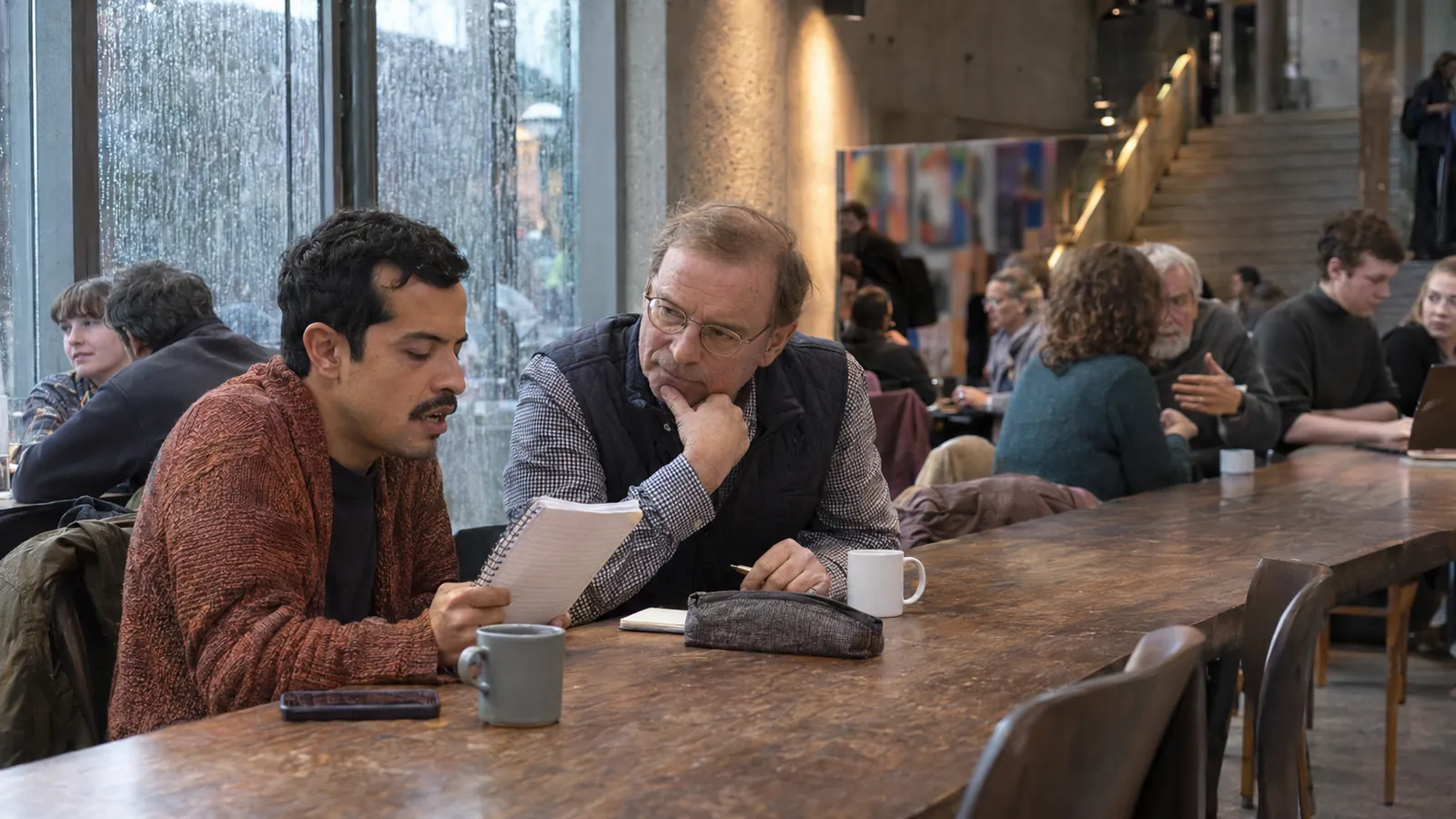
Lucía arrived in London from Valencia with good written English, a job offer in a marketing agency in Farringdon and a terror of the telephone. She could read reports and write emails without trouble, but when a colleague spoke quickly, or someone at the bus stop made a joke, the words slipped past her. In meetings she rehearsed every sentence in her head before saying it, and by the time it was ready, the conversation had moved on. After three months she realised she had not had a single long conversation in English that was not about work.
Across the city, in a flat in Camden, James had the opposite problem. He had spent a year in Madrid after university, loved it, and promised himself he would keep his Spanish alive. Ten years later, it had faded to a handful of phrases and a lot of regret. He had tried apps, but talking to a screen never felt like talking to a person.
They met at a language exchange evening, sitting at the same table almost by accident. The rule was simple: half an hour in English, half an hour in Spanish. Lucía corrected James’s verbs; James explained why everyone in the office said "cheers" instead of "thank you". By the end of the evening they had swapped numbers and agreed to meet again. Two years later they still meet most Sunday afternoons, now with three others who joined along the way: Kenji, who is learning Spanish for his partner’s family; Amira, who wanted to practise her English before a job interview; and Daniel, a London cab driver who decided at sixty that it was time to learn a second language.
A city built for swapping words
London may be the best city in the world for a language exchange. Hundreds of languages are spoken here, and almost every one has a community of people who want to practise English and a community of Londoners who want to learn it. That means a language exchange is less like a class and more like a trade between equals. You arrive with something valuable to give, your own language, and you leave with something you wanted to get.
That balance matters for friendship. In a classroom, one person knows and the other learns. In an exchange, both people take turns being the expert and the beginner. You laugh at each other’s mistakes, you help each other find the word, and you both feel a little brave. That shared vulnerability is a fast route to trust.
There is also the simple fact that learning a language means talking about everything. To practise, you have to describe your family, your weekend, your favourite food, the street where you grew up. Conversations that would take months to reach in ordinary small talk happen naturally in the second week, because the vocabulary demands it.
And an exchange teaches far more than grammar. Lucía learned from James that "not bad" can be high praise in Britain, that a queue is close to sacred, and that "we must get together sometime" does not always mean anyone will. James learned from Lucía why dinner in Valencia rarely starts before ten, and why her grandmother would be horrified by a sandwich lunch eaten at a desk. Kenji explained to the group the many ways of saying sorry in Japanese, and Amira taught them the Arabic greetings her mother still uses on the phone every Friday. Every session leaves each person understanding a little more about how the others see the world, and that is the real foundation of a friendship across cultures.
Where London’s exchanges happen
The best places for a language exchange are quiet enough to hear each other, public enough to feel relaxed and easy to reach on the Tube.
The British Library at King’s Cross is a favourite. Its café and open seating areas are busy, warm and free to use, and being surrounded by books seems to put everyone in the right mood. The British Museum in Bloomsbury suits groups who like a topic: pick a room, describe what you see in each other’s languages, and finish with tea in the Great Court.
The Southbank Centre has long been a meeting point for informal groups, with open foyers beside the river and a steady hum of conversation in many languages. In South Kensington, the Institut français du Royaume-Uni has a library and cinema that draw French speakers and learners alike, and in Kensington, Japan House London offers exhibitions and a quiet space that many Japanese learners love.
Local libraries deserve a mention too. Westminster Reference Library near Leicester Square, Idea Store Whitechapel, Peckham Library and Kensington Central Library are all used by people learning English and those learning other languages, and many run conversation groups for newcomers. Check your own library’s events before you assume it only lends books.
You will find more ideas on our page of places for language exchange in London.
How Lucía’s group keeps going
Most language partnerships fade quickly. Someone gets busy, the conversation feels like homework, and one cancelled week becomes a month. Lucía’s group has lasted because of a few habits.
They keep the time fair. Every session is split evenly between languages, and someone keeps an eye on the clock. When there are more than two languages at the table, they rotate: one week Spanish, the next Japanese, always with English in between. Nobody feels they are giving more than they get.
They correct kindly. The rule is to correct only what matters and to do it gently, often by repeating the sentence back correctly rather than pointing out the mistake. Daniel says this is what kept him coming: at sixty, he was afraid of looking foolish, and nobody ever made him feel that way.
They choose a topic. Each week someone brings a question: the best breakfast in your home country, a word that cannot be translated, the strangest thing about London. A topic stops the conversation from drifting back to "what do you do" and gives everyone new words to take home.
And they do things together. Once a month the exchange moves somewhere new: a walk along the canal at Little Venice, a food market, an exhibition. Practising a language while walking or eating feels less like study and more like life, and the friendships have grown far beyond the vocabulary.
If you want to start an exchange
Find one partner first. Two people with complementary languages and a regular time are enough to begin. A group can grow from there.
Meet in public and keep the first session short, an hour is plenty. Agree on the split before you start, and bring a small topic in case the conversation stalls. If you are nervous about speaking, say so; your partner almost certainly feels the same.
Be patient with yourself. The first few sessions may feel slow. By the fifth, you will notice you are reaching for words less often. By the tenth, you will realise you have a friend who knows how you think in two languages.
If you have just arrived, our guide to building a social life in your first months in London has more ideas for finding your feet.
Where TruFriend fits
Not everyone stumbles on the right table at a language evening. That is where TruFriend can help. It is a free platform for friendship only, for grown-ups aged 18 and over, and it is open in London. Tru, our assistant, learns which languages you speak and want to practise, where you live and when you are free, then introduces you to a few compatible people nearby. A conversation opens only when both of you say yes, and every plan takes place in a public place.
The Language exchange circle brings together people who want to trade words and stories. Members start plans that anyone in the circle can join, groups stay small, from 3 to 10 people, and the same faces come back week after week.
Lucía now answers the phone without rehearsing. James orders his coffee in Spanish whenever he can. If you would like a table of your own, join TruFriend: it takes a minute.
Don’t just read about it
Join a circle of people in London who enjoy the same things. Members already on TruFriend can join from the app or suggest a plan in any chat.
 Language exchangeA friendship circle for language exchange in London: practise English, Arabic or another language over coffee, and help someone with yours.
 Coffee & conversationA friendship circle for people who enjoy cafés and unhurried conversation in London. Low-pressure first meetings in small groups, close to home.
 Art & cultureA friendship circle for galleries, museums, theatre and live music in London. Find people to see shows and exhibitions with.
Where to meet in London
Public places picked for small groups of 3 to 10, sorted by interest and area.
Keep reading
 CirclesPet lovers in London: how a dog walk on the Heath became a circle of friends
 CirclesTennis and padel in London: the Saturday game that became a friendship
 CirclesBoard games in London: how a kitchen table turned strangers into a Thursday group
 IdeasWalking and running the Thames Path: how London’s river turns early mornings into friendships
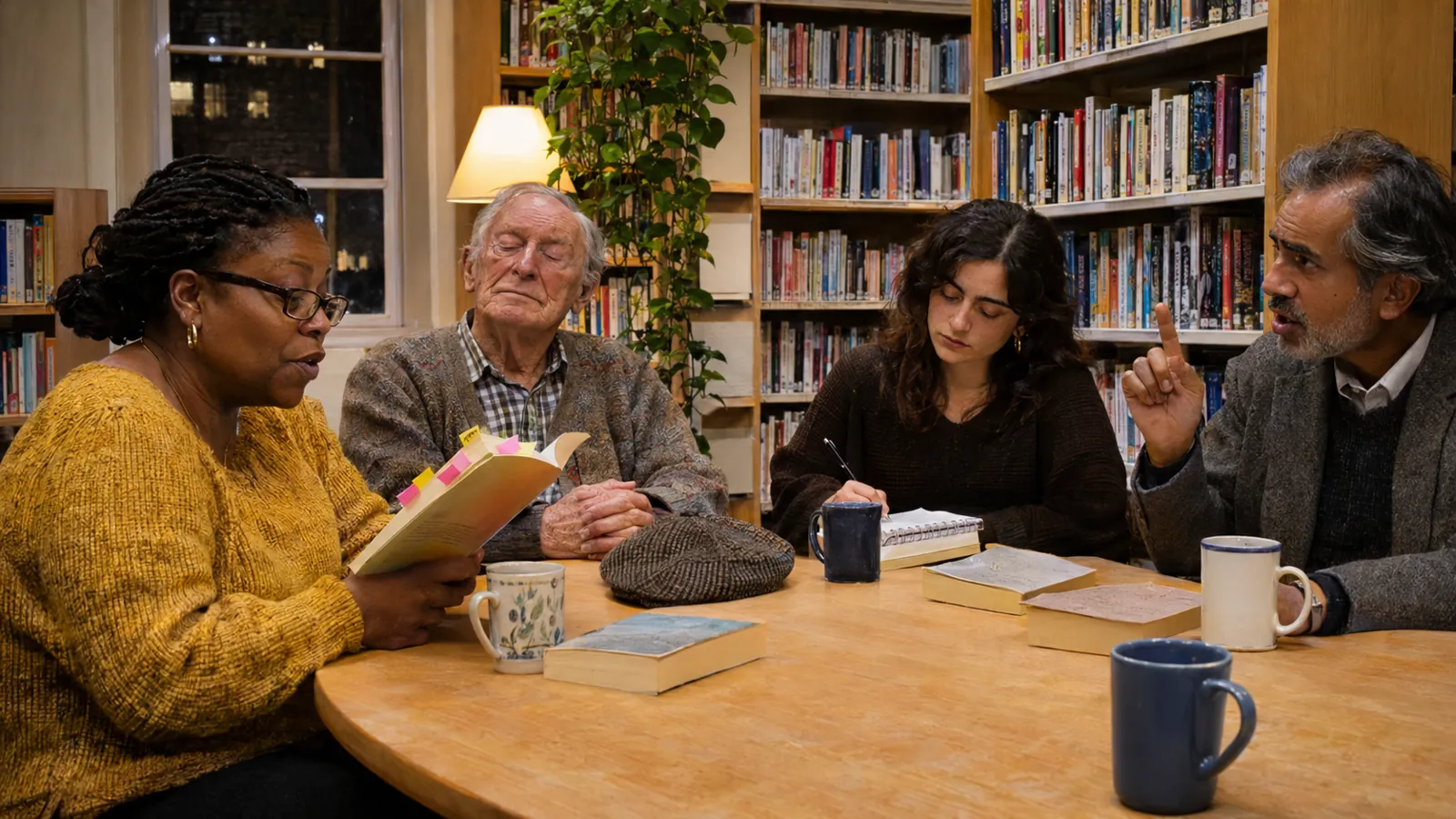 IdeasBook lovers in London: how libraries and reading rooms turn readers into friends
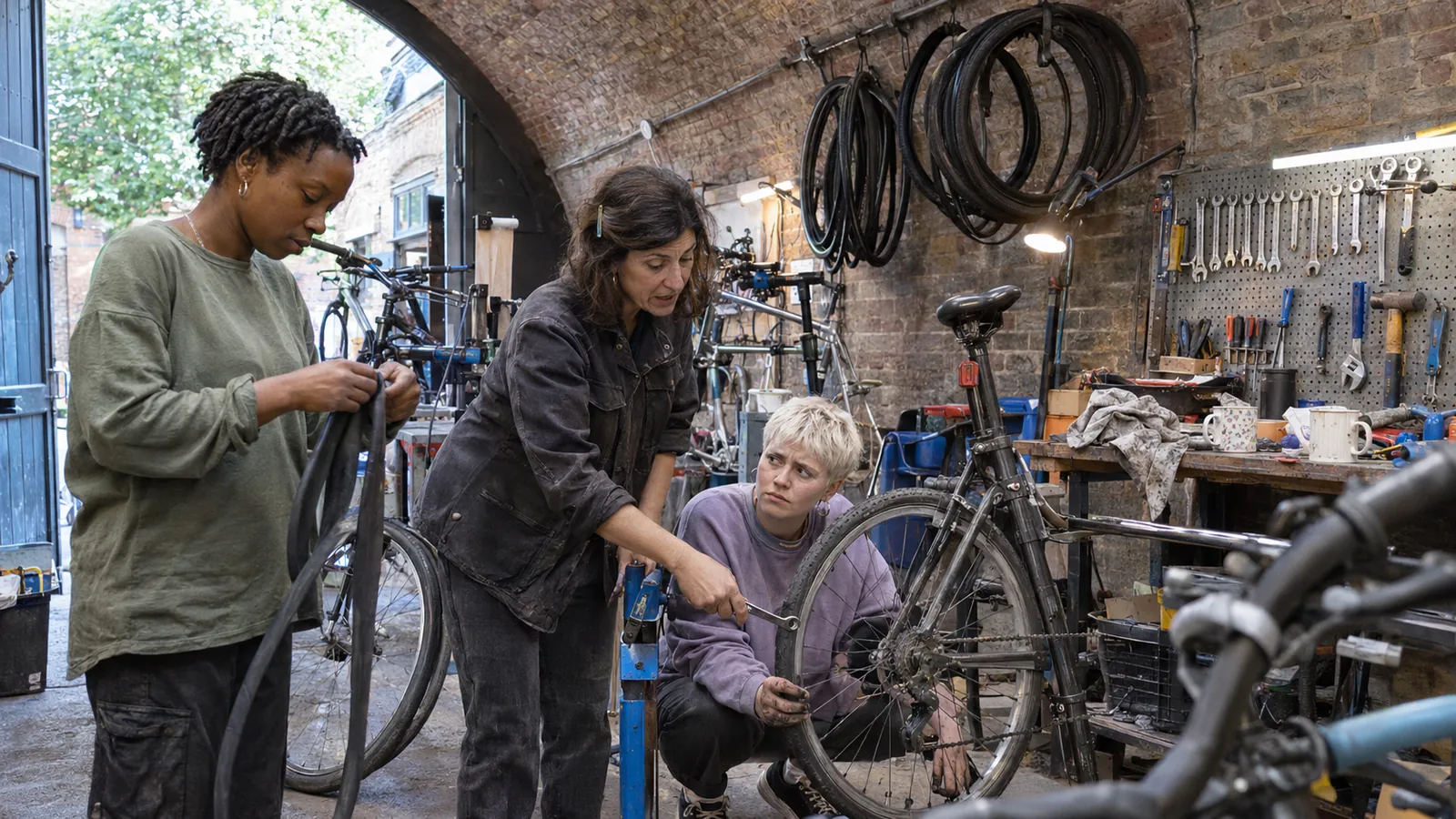 FriendshipMaking friends in London as a woman: a practical, honest guide
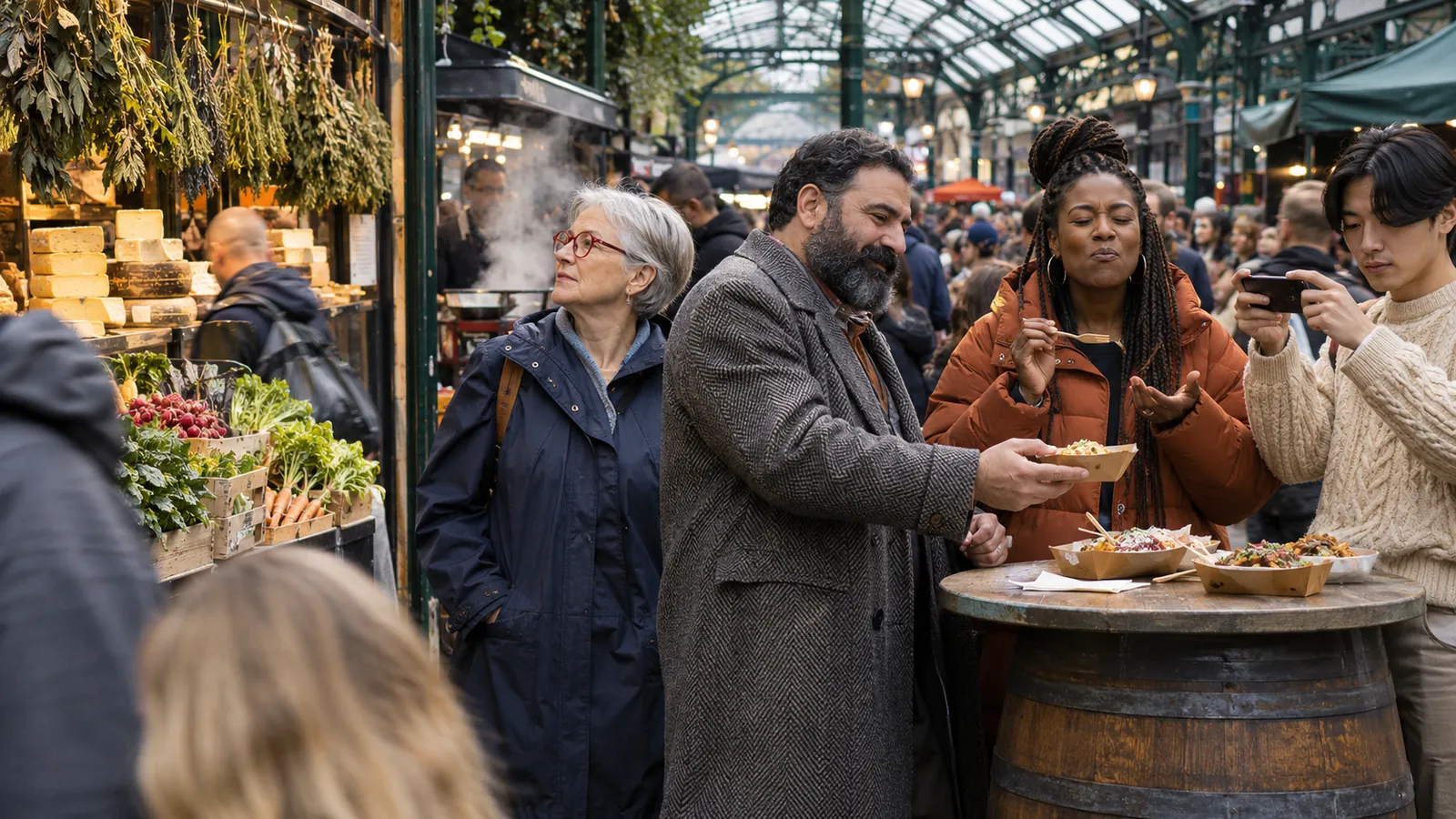 IdeasLondon’s food markets with friends: from Borough Market to your local Saturday stalls
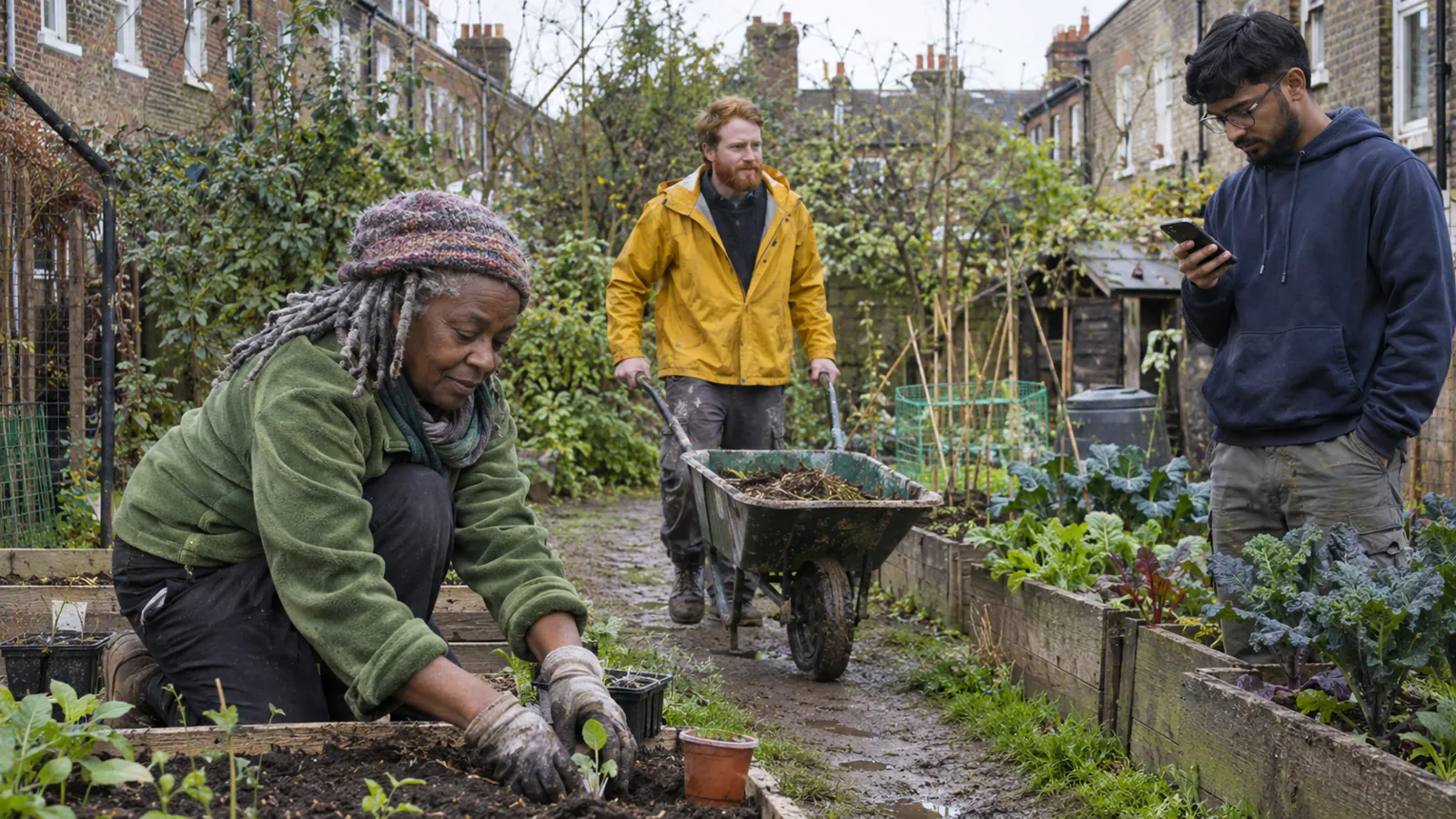 FriendshipMaking friends in London without the pub: daytime ways to meet people
 IdeasLondon’s free museums and galleries: the easiest place to make friends
 IdeasLondon parks and walks to share with friends
 New in townNew in London: how to build a social life in your first months
 FriendshipHow to make friends in London as a grown-up
 NewsTruFriend is now open in London