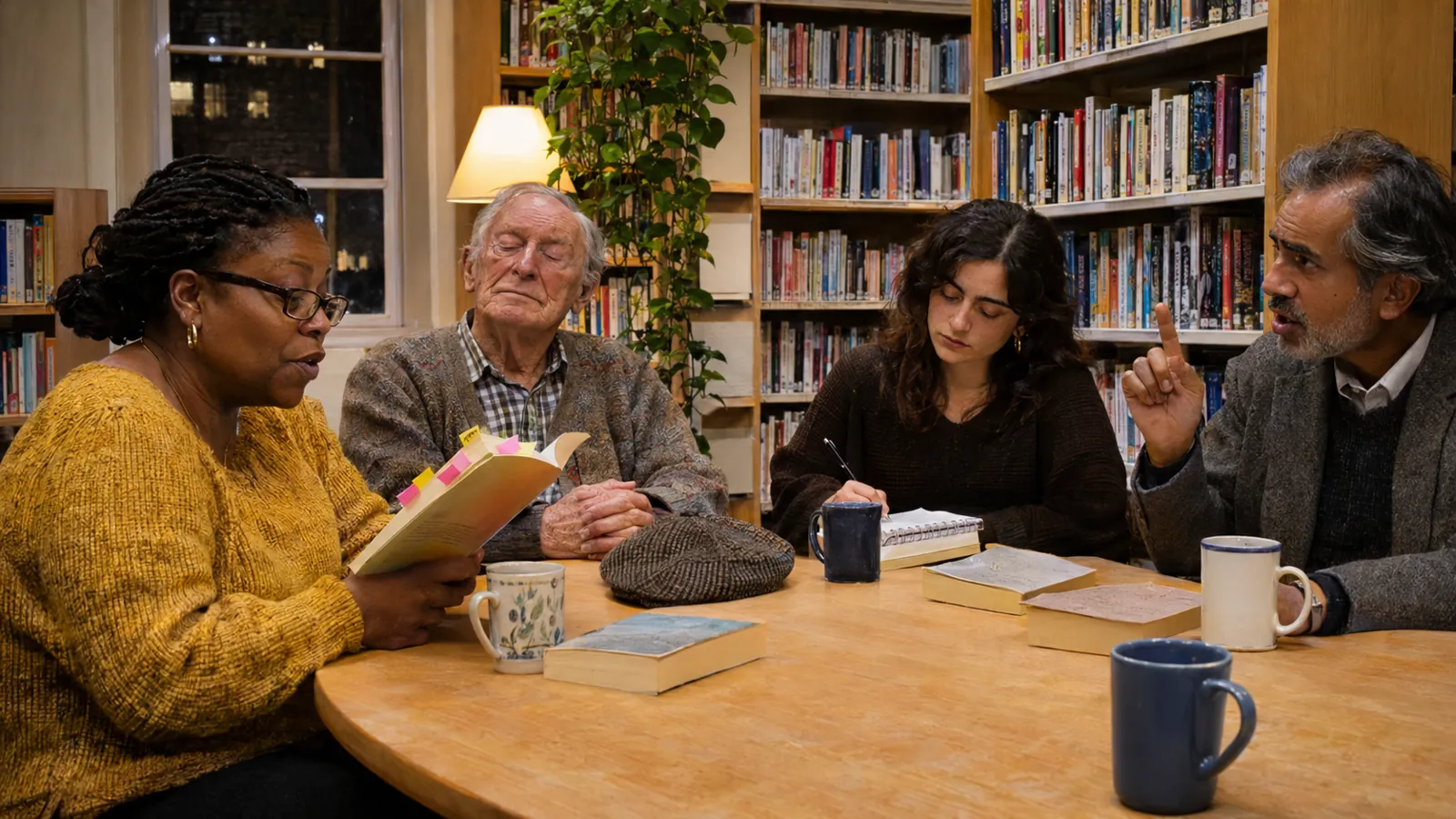
Oliver had always been the kind of man who read on the bus. For years it was the best part of his day: forty minutes on the number 73 with a paperback, while Stoke Newington slid past the window. When he retired from teaching, he suddenly had all the time in the world to read and nobody at all to talk to about it. His wife had her own friends, his old colleagues were still busy with marking, and the novels piled up on the kitchen table with no one to argue about them.
One wet Thursday he walked into the British Library at St Pancras, mostly to be somewhere warm and quiet. He wandered through the free exhibition gallery, past old maps and handwritten manuscripts, and found himself standing beside a young woman who was reading every word of a display about Jane Austen. Her name was Amelia, and she had moved to London from Leeds the year before. They started talking about whether Austen was funny or sad, could not agree, and carried the disagreement up to the open café on the upper floor. A retired nurse called Margaret, sitting at the next table with a biography of Dickens, could not resist joining in. By the time the rain stopped, the three of them had agreed to read the same book and meet again in a month. That was nearly two years ago. The group now has seven members, and it has never once run out of things to say.
Reading alone, talking together
Reading is one of the most solitary pleasures there is, and that is part of its charm. But many readers will tell you that a book only really comes alive when you talk about it with someone else. You notice things you missed. You discover that the character you found irritating is someone else’s favourite. You find out that a quiet colleague has opinions about Victorian novels that could fill an afternoon.
For people trying to make friends in a big city, books have a particular gift. They give every meeting a ready-made subject, so nobody has to invent small talk. They also reveal a great deal about people, gently and indirectly. You learn what makes someone laugh, what moves them and what they find unbearable, all through a conversation that is officially about someone else’s story. Friendships built this way tend to go deep quickly, because the group spends its time discussing the things that matter: love, loss, family, courage and the odd habits of human beings.
A city built for readers
London is generous to book lovers. The British Library is the national library of the United Kingdom, and while its reading rooms need a reader pass, its public spaces, free exhibitions and cafés are open to everyone. It is one of the best places in the city for a small group to meet, especially on a cold afternoon. The piazza outside, with its great bronze statue of Isaac Newton, is an easy landmark for anyone arriving for the first time.
Across the city, public libraries do much more than lend books. The Barbican Library, inside the Barbican Centre in the City of London, has a fine collection on the arts and music and sits in one of the capital’s most striking buildings. The Idea Store in Whitechapel, in East London, is a bright, modern library that hosts reading groups and classes. Canada Water Library, in South London, looks like an upturned pyramid and has views across the dock. Many local libraries host free reading groups of their own, which are a gentle first step for anyone who is shy.
Then there is the Southbank Centre Book Market, the open-air stalls under Waterloo Bridge, where secondhand books are laid out on long tables beside the Thames almost every day of the year. Amelia’s group likes to meet there on Saturday mornings, browse for half an hour, and then compare what everyone has found while they walk along the river towards Tate Modern. Oliver usually comes away with something nobody else would have picked up. That is half the fun.
Literary London on foot
One of the pleasures of reading in London is that the city itself is full of the places in its books. A small group can turn a novel into a walk. The Charles Dickens Museum in Doughty Street, Bloomsbury, is the house where Dickens wrote Oliver Twist, and it makes a perfect starting point for a winter afternoon. Keats House in Hampstead is where the poet wrote some of his most famous odes, and it sits a short walk from Hampstead Heath, where a group can climb Parliament Hill afterwards and look over the whole city.
Bloomsbury itself, with its leafy squares, is the London of Virginia Woolf and her circle. Margaret has led the group on a slow walk from Gordon Square to Russell Square more than once, reading short passages aloud on benches along the way. Even the members who had never read Woolf now say they want to. The group has also followed Sherlock Holmes around Baker Street and Regent’s Park, and walked the stretch of the South Bank where Shakespeare’s Globe stands today.
These walks work because they mix reading with movement and a change of scene. Not everyone wants to sit still for two hours discussing chapter twelve. Walking side by side, people talk more freely, and the quieter members often say more than they would around a table.
How a small reading group actually works
The most successful groups tend to be small, somewhere between four and eight people. Fewer than that and one absence can cancel the meeting. More than that and the conversation splits into two or three separate ones, and the shyest people stop speaking. Oliver’s group has a few simple habits that keep it going.
They choose books together, taking turns so that nobody feels their taste is being ignored. They keep the books reasonably short, because a long novel in a busy month is the fastest way to lose members. They meet on the same Thursday of every month, in the same public place, so nobody has to organise anything from scratch. And they have a simple rule: it is fine to come even if you have not finished the book. Some of the liveliest afternoons have been led by someone who gave up halfway and wanted to explain why.
They have also learned to talk about more than the book. The first half hour is always about the reading. After that, the conversation wanders wherever it likes: a new job, a parent who is unwell, a holiday, a recipe. That second half is where the friendship has been built. Margaret says she knows more about the lives of the people in her reading group than about some of her neighbours of twenty years.
Friendship takes time, and books help
Research on friendship suggests that it takes many hours spent together before an acquaintance becomes a close friend. That can sound daunting for a newcomer to London, where everyone seems busy. But a monthly reading group quietly adds those hours up. Twelve meetings a year, a walk or two in between and a few messages about what everyone is reading, and suddenly the people you met by chance in a library have become part of your life.
Books also give a group a reason to keep meeting when life gets busy. It is easy to cancel a vague plan for coffee. It is harder to cancel when four people are waiting to hear what you thought of the ending. That small sense of commitment is exactly what keeps new friendships going through the difficult early months.
Where TruFriend fits
Not everyone happens to strike up a conversation in front of a display about Jane Austen, and not everyone feels comfortable joining a group of strangers. That is where TruFriend can help. It is a free platform for friendship only, for grown-ups aged 18 and over, and it is now open in London. Tru, our assistant, learns what you enjoy, where you live and when you are usually free, then introduces you to a few compatible people nearby. A conversation only opens when both of you say yes, and every plan takes place in a public place, like a library, a museum or a busy café.
The Book lovers circle brings together people who would happily spend an afternoon arguing about a novel. Coffee & conversation is there for those who prefer a looser chat, and New in London helps anyone who has just arrived and wants to find their first group. Groups are small, from 3 to 10 people, so the same faces come back each month and the conversation has time to deepen.
Oliver still reads on the bus. The difference is that now, when he reaches the last page, he knows exactly who he will tell about it. If you would like a reading group of your own, join TruFriend: it takes a minute.
Don’t just read about it
Join a circle of people in London who enjoy the same things. Members already on TruFriend can join from the app or suggest a plan in any chat.
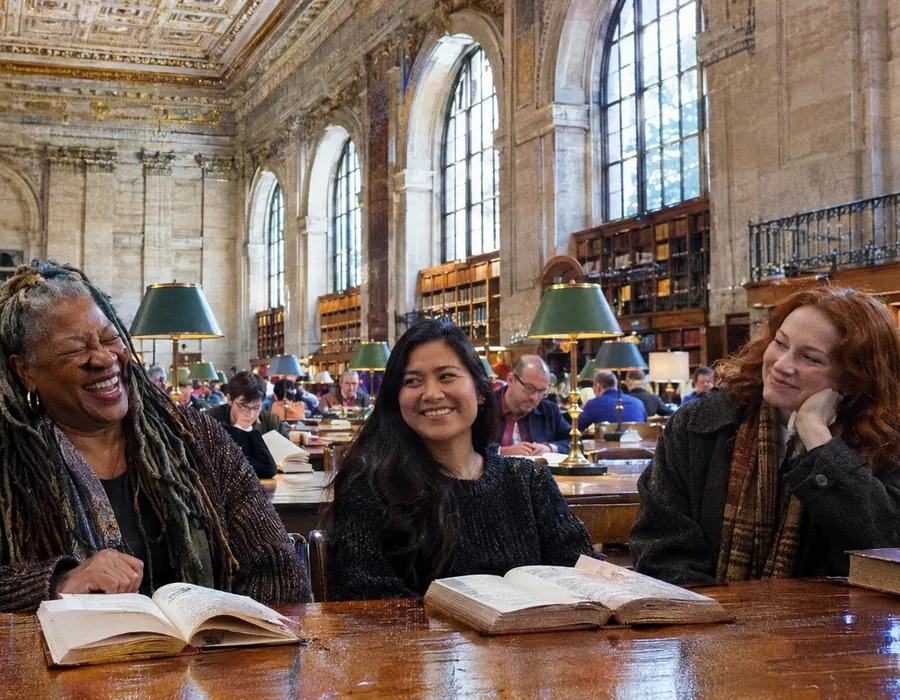 Book loversA friendship circle for readers in London: talk about books, swap recommendations and visit libraries, bookshops and book festivals together.
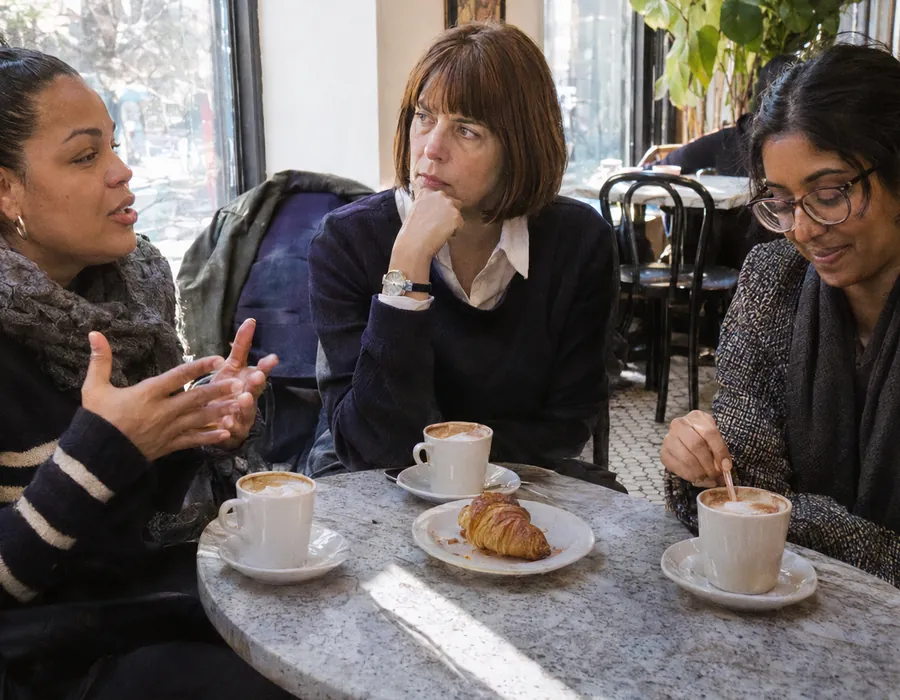 Coffee & conversationA friendship circle for people who enjoy cafés and unhurried conversation in London. Low-pressure first meetings in small groups, close to home.
 New in LondonA friendship circle for grown-ups (18+) who have recently moved to London: settle in, explore the city and build a social life with others doing the same.
Where to meet in London
Public places picked for small groups of 3 to 10, sorted by interest and area.
Keep reading
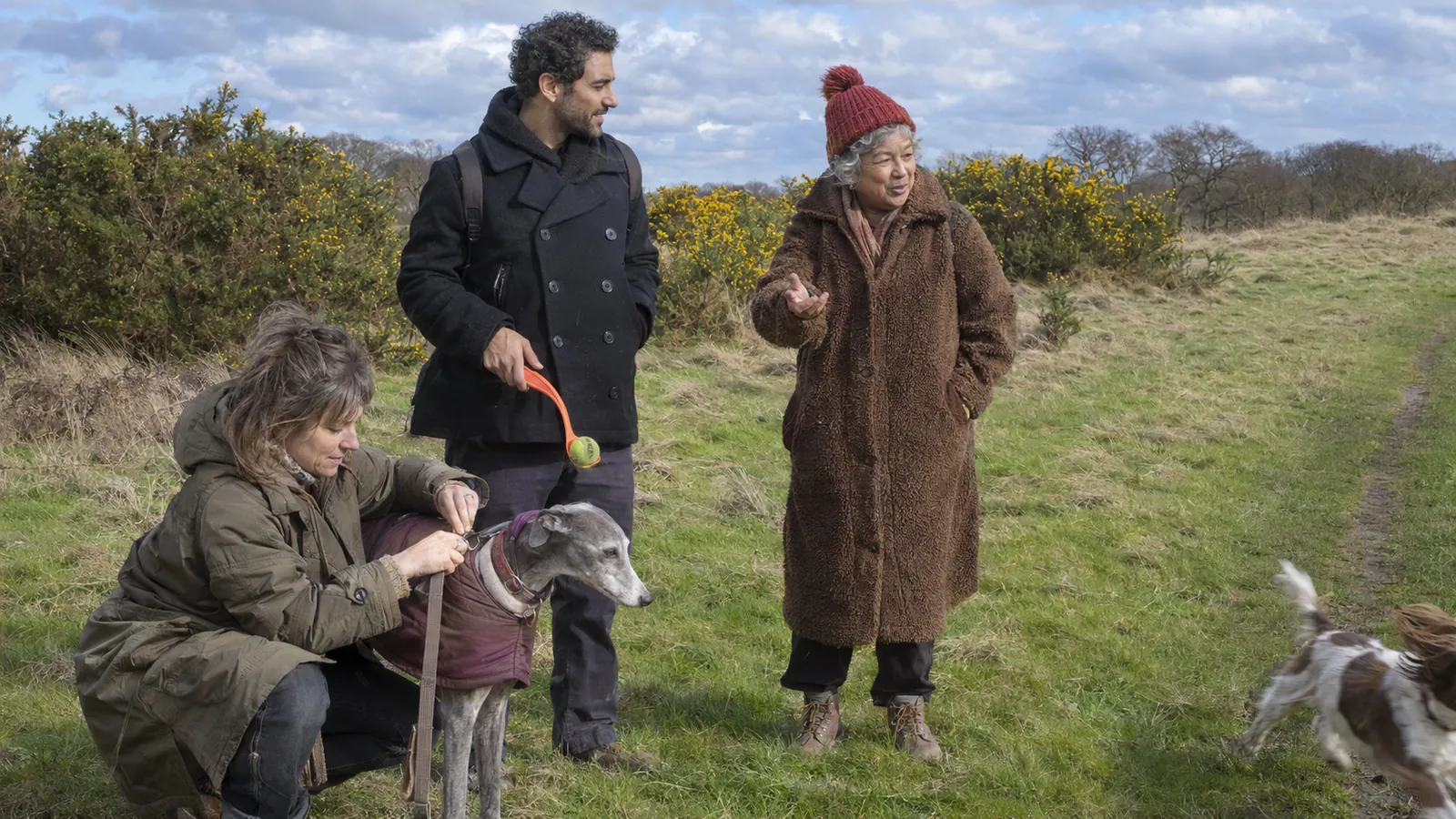 CirclesPet lovers in London: how a dog walk on the Heath became a circle of friends
 IdeasLanguage exchange in London: trading words, finding friends
 CirclesTennis and padel in London: the Saturday game that became a friendship
 CirclesBoard games in London: how a kitchen table turned strangers into a Thursday group
 IdeasWalking and running the Thames Path: how London’s river turns early mornings into friendships
 FriendshipMaking friends in London as a woman: a practical, honest guide
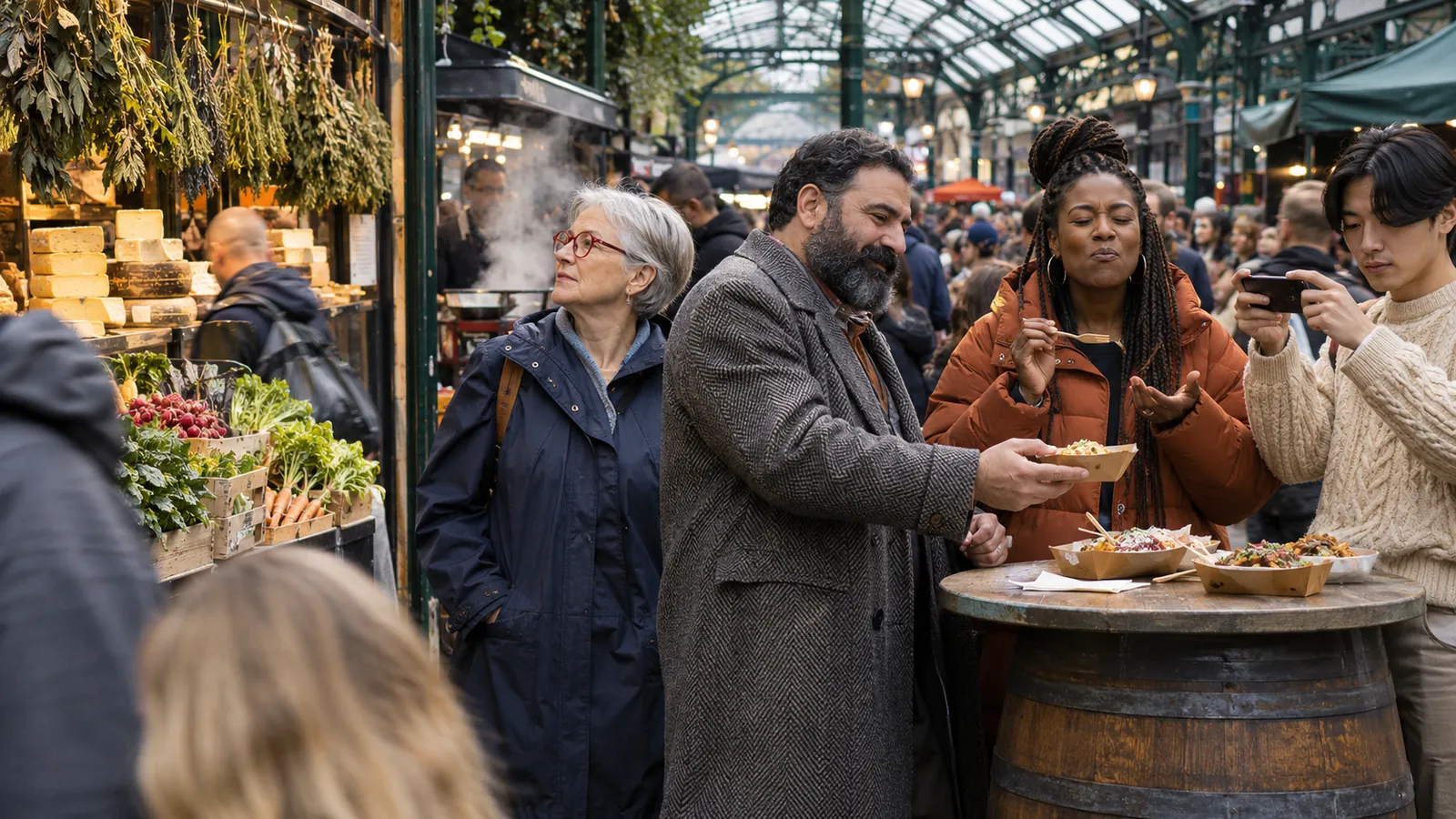 IdeasLondon’s food markets with friends: from Borough Market to your local Saturday stalls
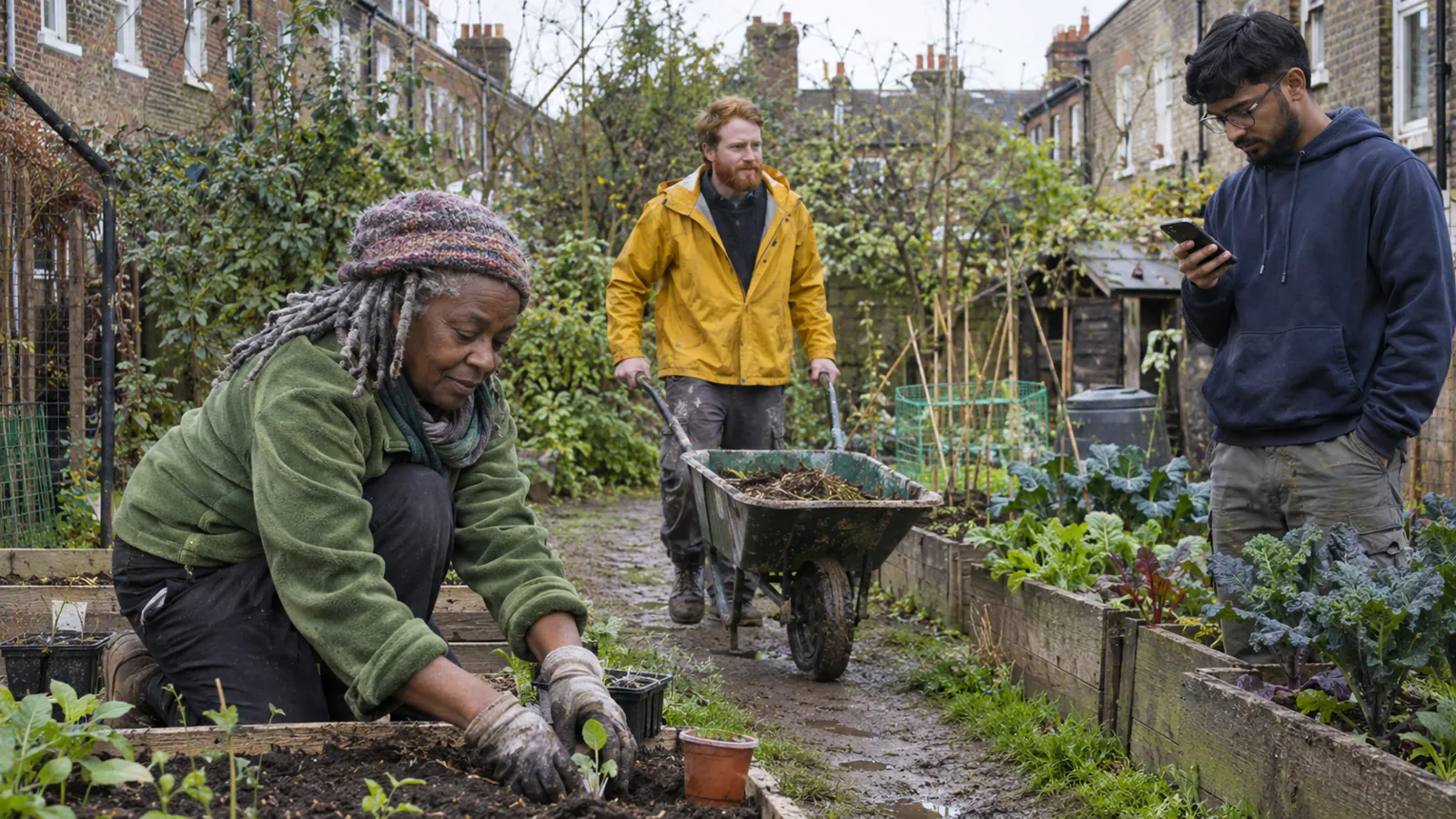 FriendshipMaking friends in London without the pub: daytime ways to meet people
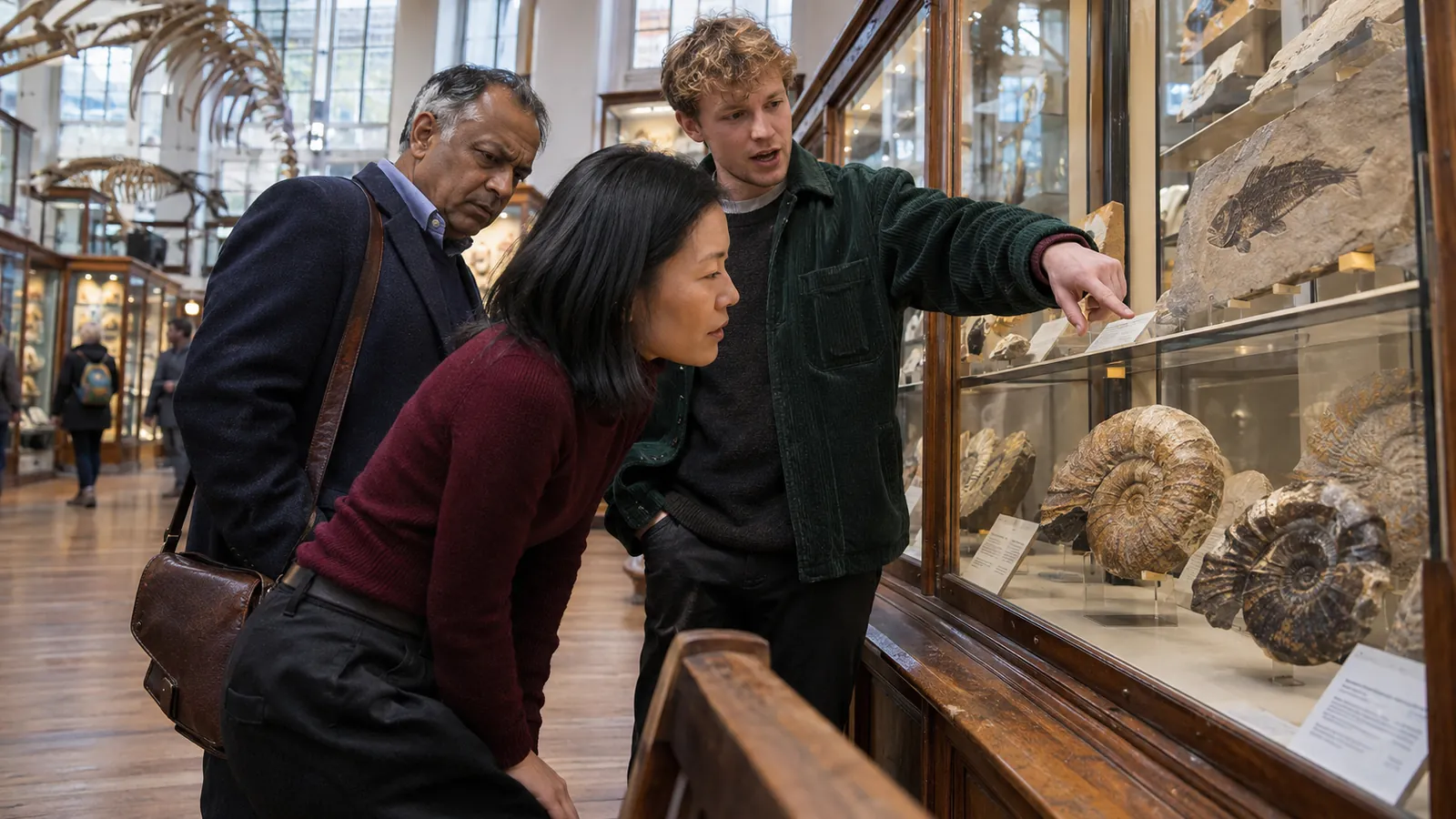 IdeasLondon’s free museums and galleries: the easiest place to make friends
 IdeasLondon parks and walks to share with friends
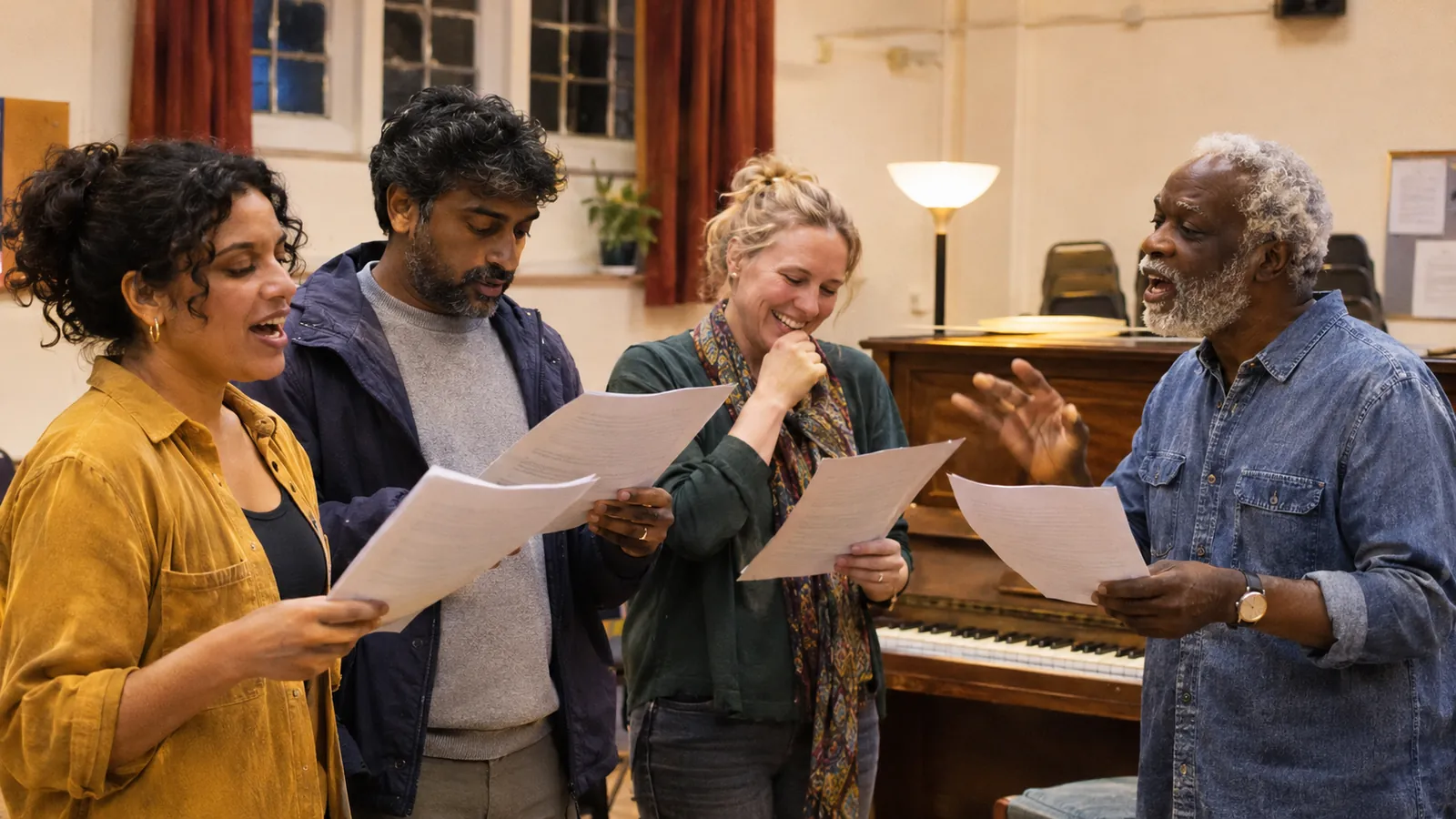 New in townNew in London: how to build a social life in your first months
 FriendshipHow to make friends in London as a grown-up
 NewsTruFriend is now open in London