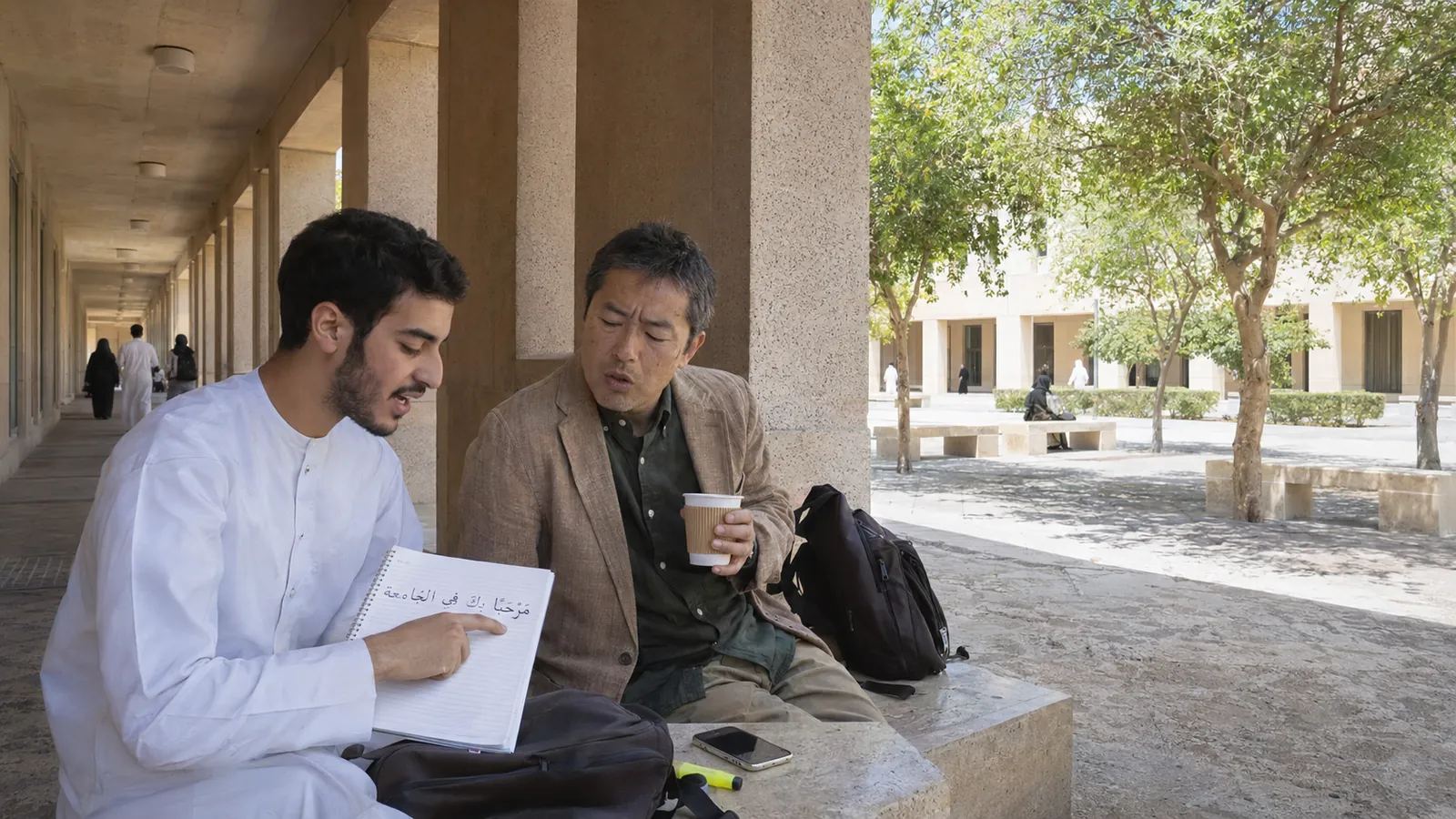
Elena had done everything right. She had arrived in Kuwait to teach at an international school, signed up for an evening Arabic class, filled a notebook with neat verb tables and practised her letters at the kitchen table. Then she went to buy bread near her flat in Salmiya, greeted the man behind the counter in careful textbook Arabic, and he answered with a warm, quick “Hala, shlonich?” She understood the hala. The rest flew past her. She smiled, pointed at the bread and paid in silence.
Across town, Noura had the opposite problem. She worked at a bank in Kuwait City, read English easily and wrote it well, but in meetings with visiting colleagues she froze. The words were there, somewhere, but by the time she had arranged them the conversation had moved on. What she needed was not another course. She needed an hour a week of talking to somebody in English with nothing at stake.
A colleague of Elena’s, who happened to be Noura’s cousin, put the two of them in touch. They agreed to meet on a Sunday evening at a café near the Gulf Road: thirty minutes in Arabic, thirty minutes in English, one coffee each. Neither of them expected that a year later they would be planning a winter picnic together with four other people.
The gap a classroom cannot close
Anyone who learns Arabic in Kuwait meets the same surprise Elena did. Lessons usually teach Modern Standard Arabic, the language of news, books and formal writing, while daily life runs on the Kuwaiti dialect, with its own greetings, its own rhythm and plenty of words you will not find in a textbook. Both matter. The standard language opens newspapers and signs; the dialect opens people. A partner who grew up here can bridge the two in a way no class can, by telling you what people really say at the bakery, in the office and at a family gathering.
The same is true in the other direction. Many people in Kuwait study English for years and use it at work every day, yet still feel stiff in relaxed conversation, the kind with jokes, interruptions and half-finished sentences. That ease only comes from practice with a real person who is not grading you. In a language exchange each of you is the teacher for half an hour and the beginner for the other half, which keeps things wonderfully balanced.
How Noura and Elena made it work
The first evening was halting and full of laughter. Elena pronounced the word for coffee so strangely that Noura had to put her cup down. Noura used a formal phrase from a business email in the middle of a story about her niece, and Elena gently showed her how someone in London would say it over tea. By the end of the hour they had agreed on three simple rules, and those rules are worth borrowing.
First, split the time honestly. Use a phone timer if you need to, because the stronger speaker will always drift into their own language without noticing. Second, choose one topic for each session, such as the weekend, food, work or a childhood memory, so you are never searching for something to say. Third, correct gently and sparingly. One or two corrections per conversation, written down at the end, help far more than interrupting every sentence.
Elena kept a small notebook of Kuwaiti words: zain for good, yalla for let’s go, shlonich and shlonik for how are you, depending on who you are greeting. Noura kept a list of English phrases that sounded natural rather than formal. Every few weeks they swapped notebooks and tested each other, which became its own running joke.
Why an exchange so often turns into friendship
A language exchange has all the ingredients friendship needs. It repeats, at the same time and place, with the same person. It gives you an easy reason to meet, so nobody has to wonder whether the invitation is welcome. And it asks both of you to be a little vulnerable, to stumble and laugh at yourself in front of someone else. That shared awkwardness builds trust faster than polished conversation ever could.
There is something else, too. Learning a language means asking questions you would never ask a stranger: what do you eat at Eid, what did your grandmother say when she was annoyed, why do people stand up when an older relative walks in. Each question is a small window into the other person’s life. After a few months Elena knew more about Noura’s family than about most of her colleagues, and Noura had heard every story about Elena’s hometown, her brother and her first impressions of the Kuwaiti summer.
Taking the lesson outside
Around the third month they started moving some sessions out of the café. One evening they walked in Al Shaheed Park and practised naming everything they passed. Another time Noura took Elena to Souq Al Mubarakiya and made her order dates, saffron and a glass of tea entirely in Arabic, standing slightly behind her and grinning. Elena returned the favour by bringing Noura to a book swap at her school, where she had to explain her favourite Arabic novel in English to a table of teachers.
These outings did more for both of them than any worksheet. Real places bring real vocabulary, and a shared afternoon gives you something to talk about the following week. If you start an exchange, plan one outing a month: a walk along the Corniche, a visit to a museum or a market, or simply cooking one dish together and naming every ingredient.
From two people to a small table
The exchange grew the way good things usually do, by accident. Noura mentioned it to a friend who wanted to practise English before a master’s degree abroad. Elena had a colleague from Lisbon who was struggling with Arabic. Soon the Sunday table had four people, then six, with the conversation switching languages every half an hour and everyone helping everyone else. Some weeks the Arabic half turned into a debate about the best machboos in town, which counted as practice.
A small group like this has advantages over a pair. If one person travels, the others still meet. Different accents and backgrounds make the conversation richer. And it becomes easier to say yes to other plans, a breakfast on a Saturday, a walk, a visit to someone’s favourite café, because the group already feels like yours.
Practical tips for starting your own
If you would like to try, look for someone whose language level is roughly similar to yours in the other direction, so both halves feel useful. Meet first in a busy public place such as a café, and keep the first session to an hour so it never becomes a chore. Agree on a fixed day and time, because a standing plan survives busy weeks much better than “let’s find a time.” Be patient with the dialect, and remember that Kuwaitis are generally delighted when a newcomer tries, even clumsily. And keep it light: the goal is conversation, not an exam.
It also helps to be clear about what you are offering. Some people want help with pronunciation, others with reading, others with confidence. Talking about it in the first session saves a lot of polite guessing later.
Where TruFriend fits
Finding the right partner is often the hardest part, and that is where TruFriend can help. It is a free platform for friendship only, for grown-ups aged 18 and over, and it is open in Kuwait City. Tru, our assistant, learns which languages you speak, which you are learning and when you are usually free, then introduces you to a few compatible people nearby. A conversation only opens when both of you say yes, and every plan happens in a public place. The Language exchange, Coffee and conversation and New in Kuwait circles give you a small, regular group of three to ten people to practise with.
Elena still gets the occasional word wrong at the bakery. These days the man behind the counter corrects her with a smile, and she answers, “Zain, shukran,” before heading off to meet Noura. If you would like a table of your own, join TruFriend: it takes a minute.
Don’t just read about it
Join a circle of people in Kuwait City who enjoy the same things. Members already on TruFriend can join from the app or suggest a plan in any chat.
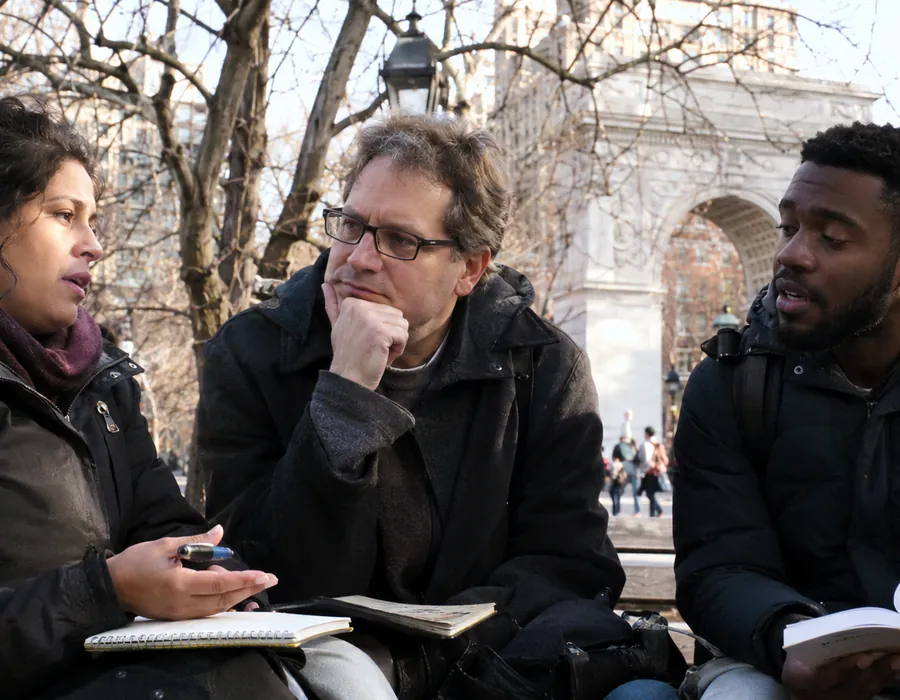 Language exchangeA friendship circle for language exchange in Kuwait: practise Arabic, English or another language over coffee, and help someone with yours.
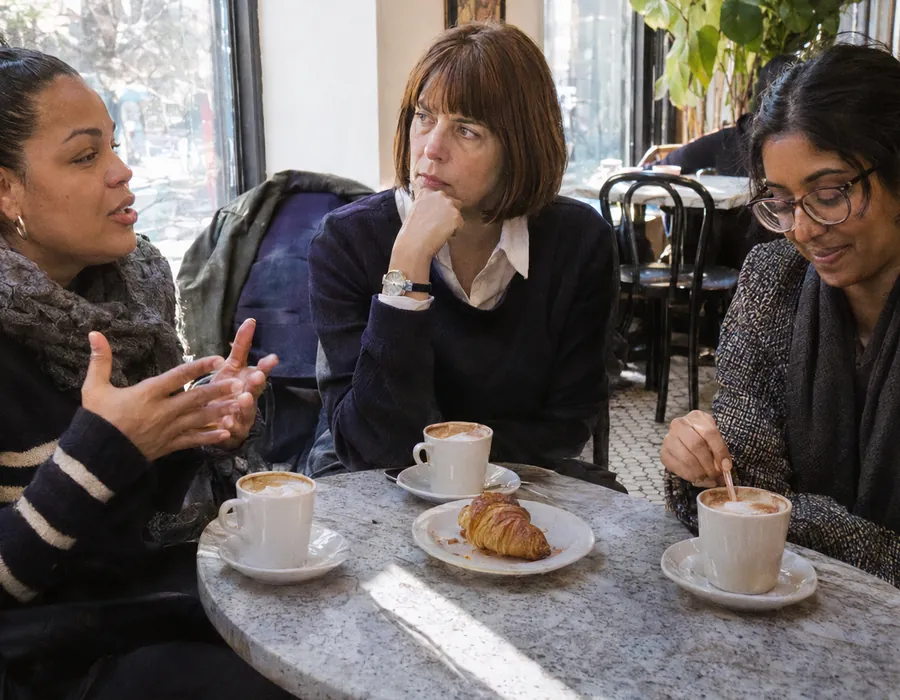 Coffee & conversationA friendship circle for people who enjoy cafés and unhurried conversation in Kuwait. Low-pressure first meetings, close to home.
 New in KuwaitA friendship circle for people who have recently moved to Kuwait: settle in, explore the city and build a social life with others doing the same.
Where to meet in Kuwait City
Public places picked for small groups of 3 to 10, sorted by interest and area.
Keep reading
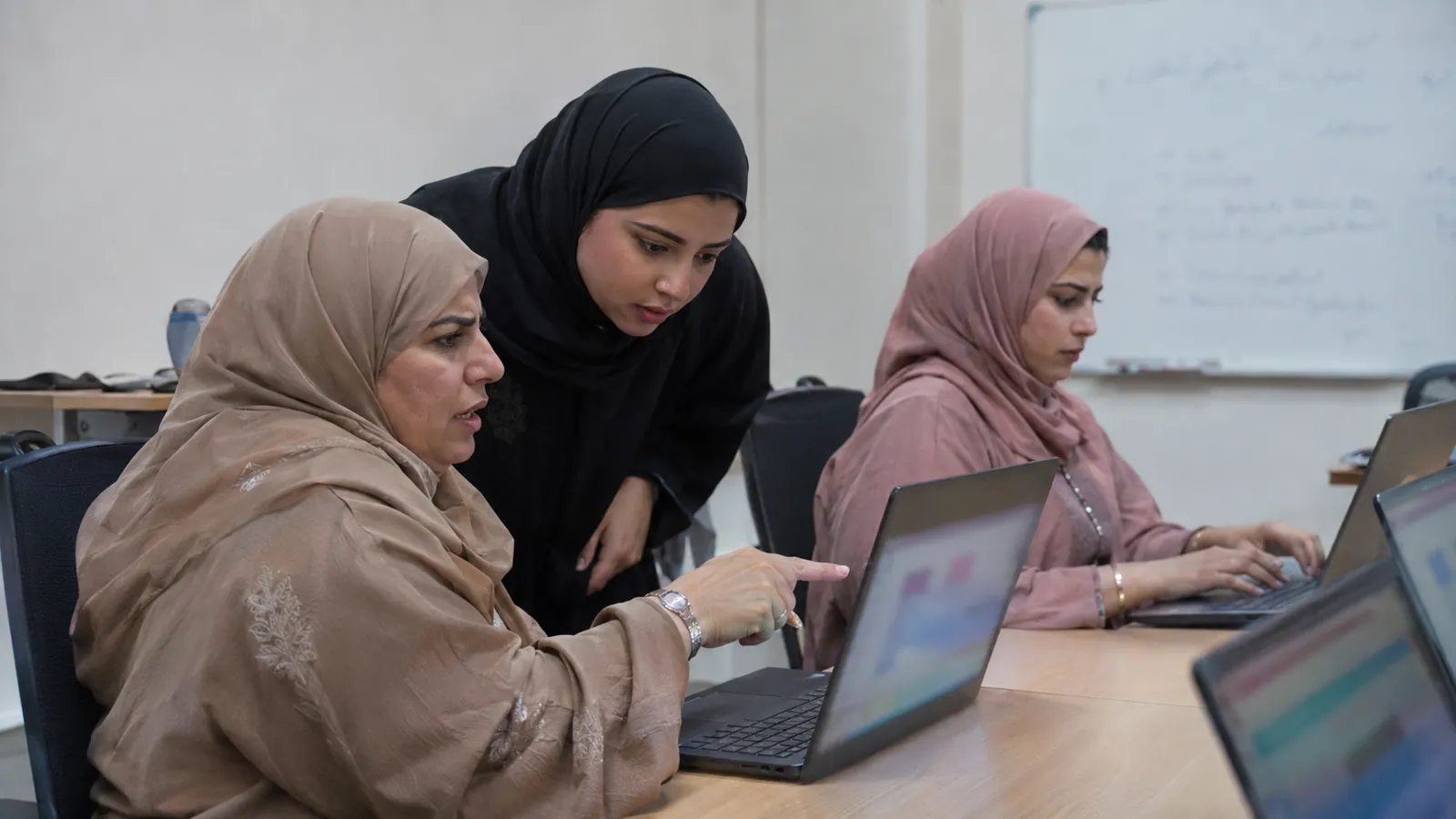 CirclesMeeting people through AI and tech in Kuwait: from a course to a circle that learns together
 IdeasBeyond the mall: discovering Kuwaiti food with friends
 FriendshipMaking friends in Kuwait as a woman: where to start, and how to build a circle at your own pace
 CirclesBoard games and quiz nights in Kuwait: how a table of strangers becomes a weekly circle
 IdeasKashta season: how a weekend in Kuwait’s desert turns new friends into old ones
 IdeasWalking Arabian Gulf Street with a friend: why the same walk every week builds friendship
 IdeasBook lovers in Kuwait: reading circles, bookshops and the friends a shared book brings
 IdeasPadel in Kuwait: how a weekly game becomes a group of friends
 IdeasWhen the first rain comes: small autumn rituals with friends in Kuwait
 FriendshipBack from studying abroad: rebuilding your circle in Kuwait
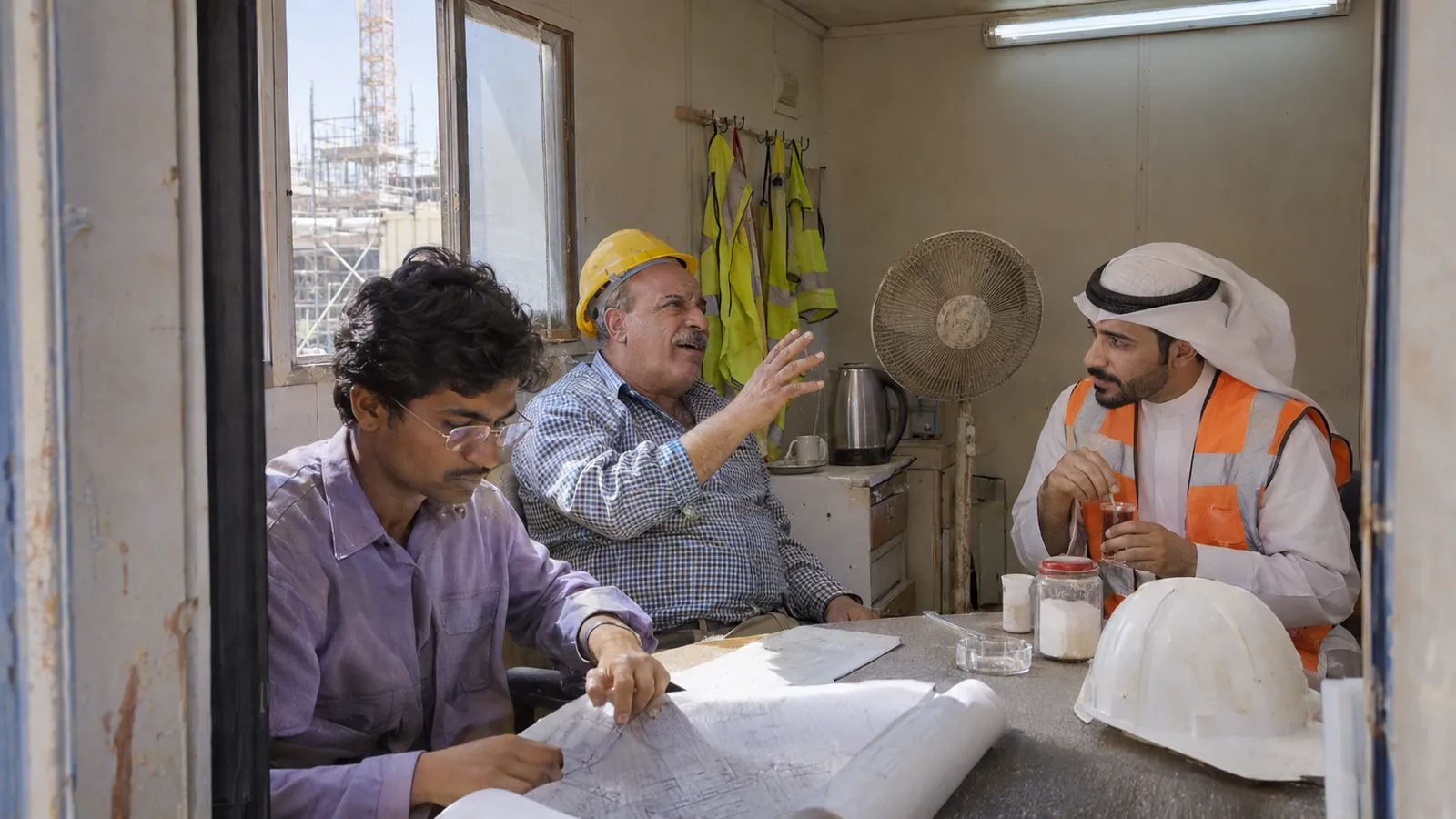 FriendshipFriends at work, friends outside it: why you need both in Kuwait
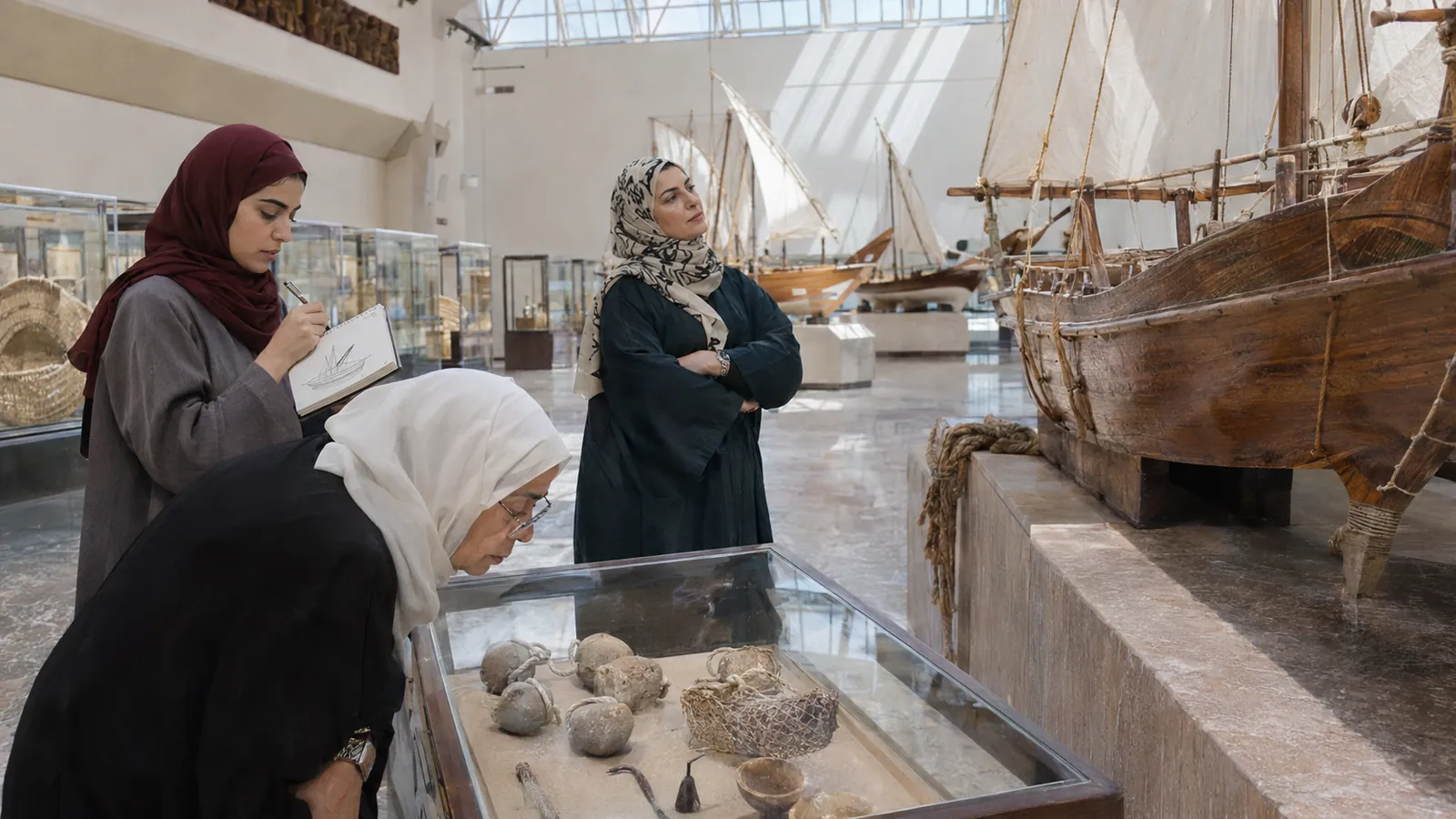 IdeasMuseums and culture in Kuwait, better with a friend
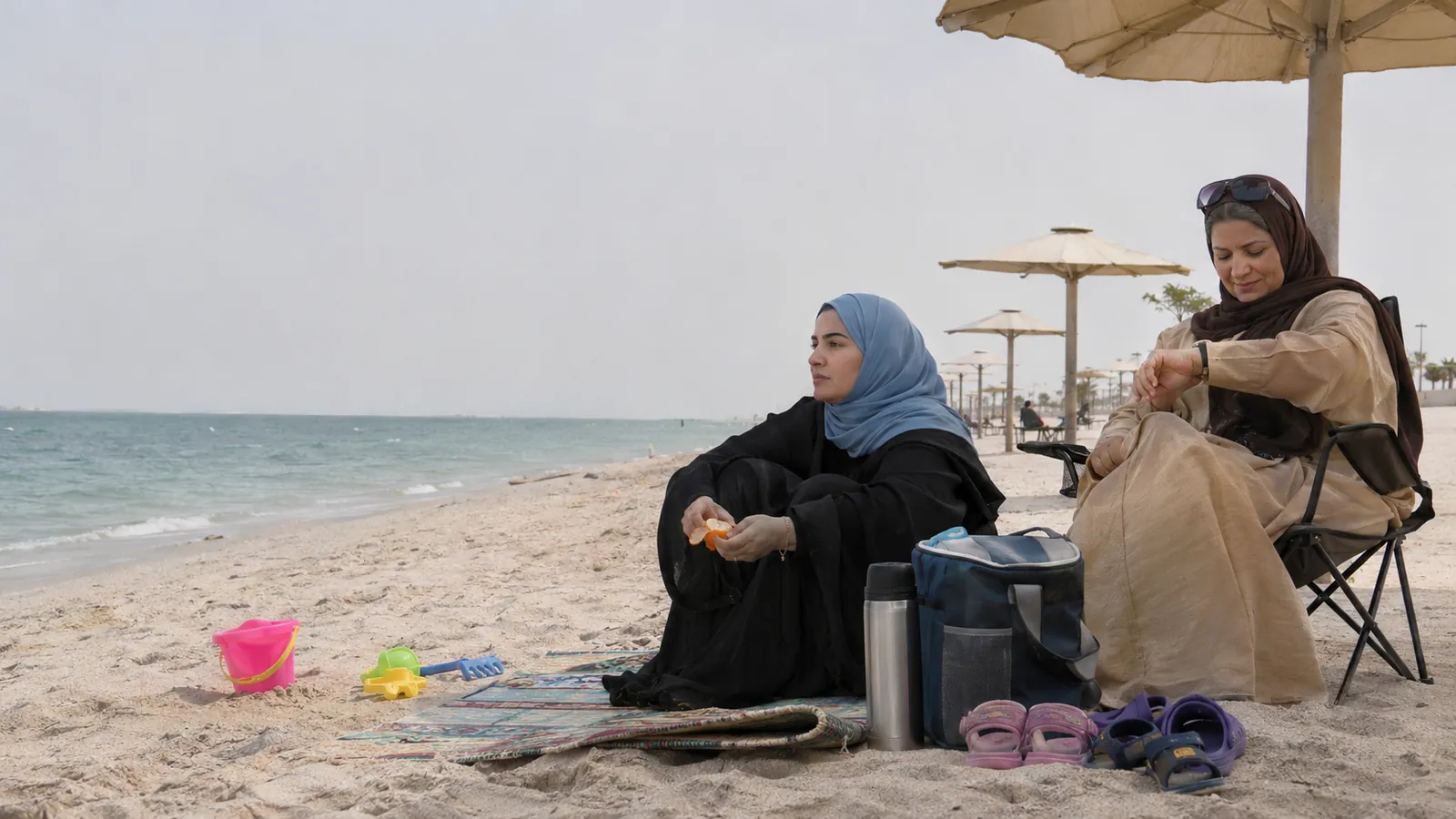 FriendshipFriends, when Fridays and weekends belong to family
 IdeasWhere people meet in Salmiya, Kuwait City and beyond: friendship within 15 minutes of home
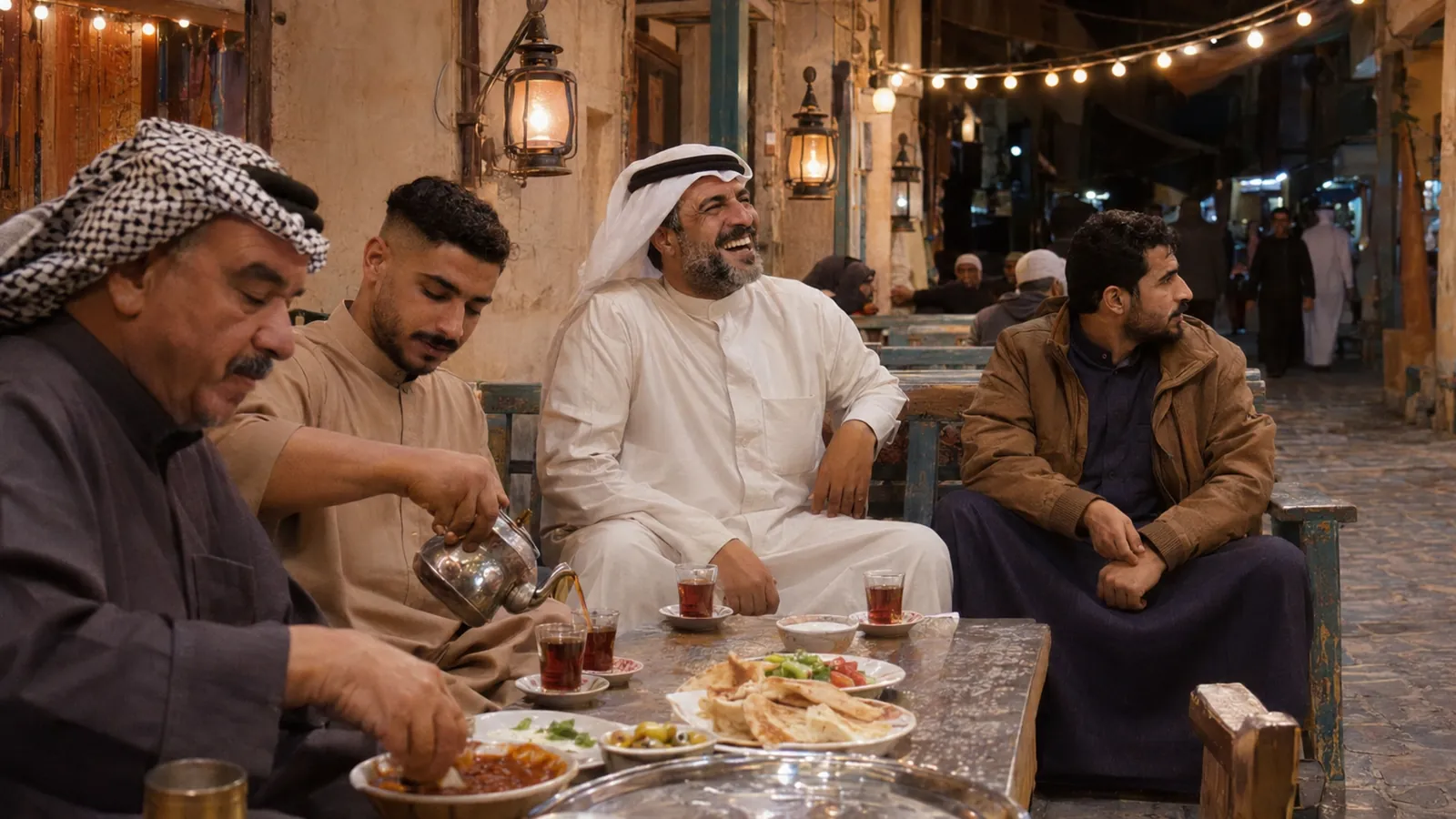 IdeasAn evening in Souq Al-Mubarakiya with new friends
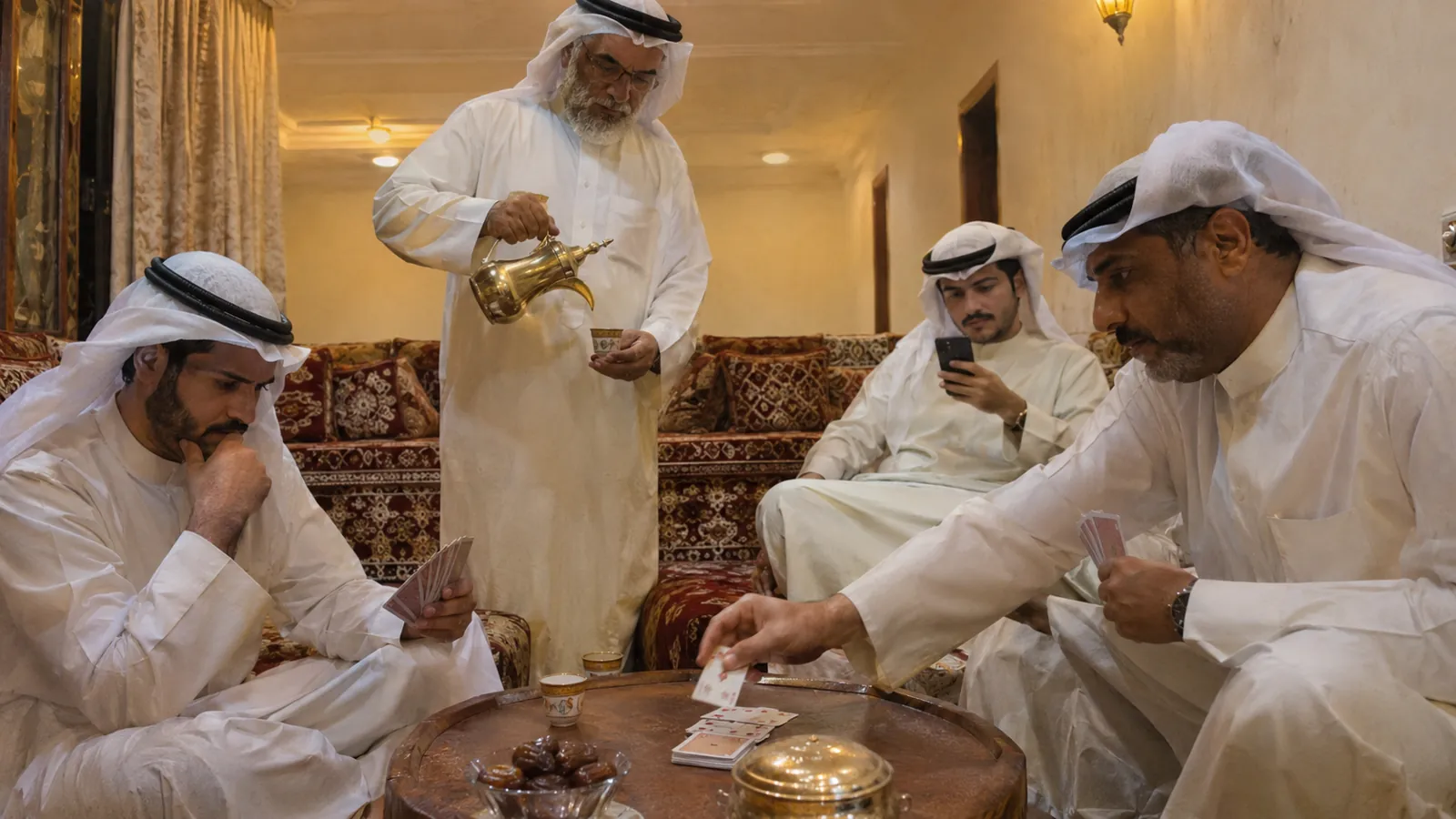 FriendshipWhat the diwaniya teaches about friendship, and how to build your own weekly table
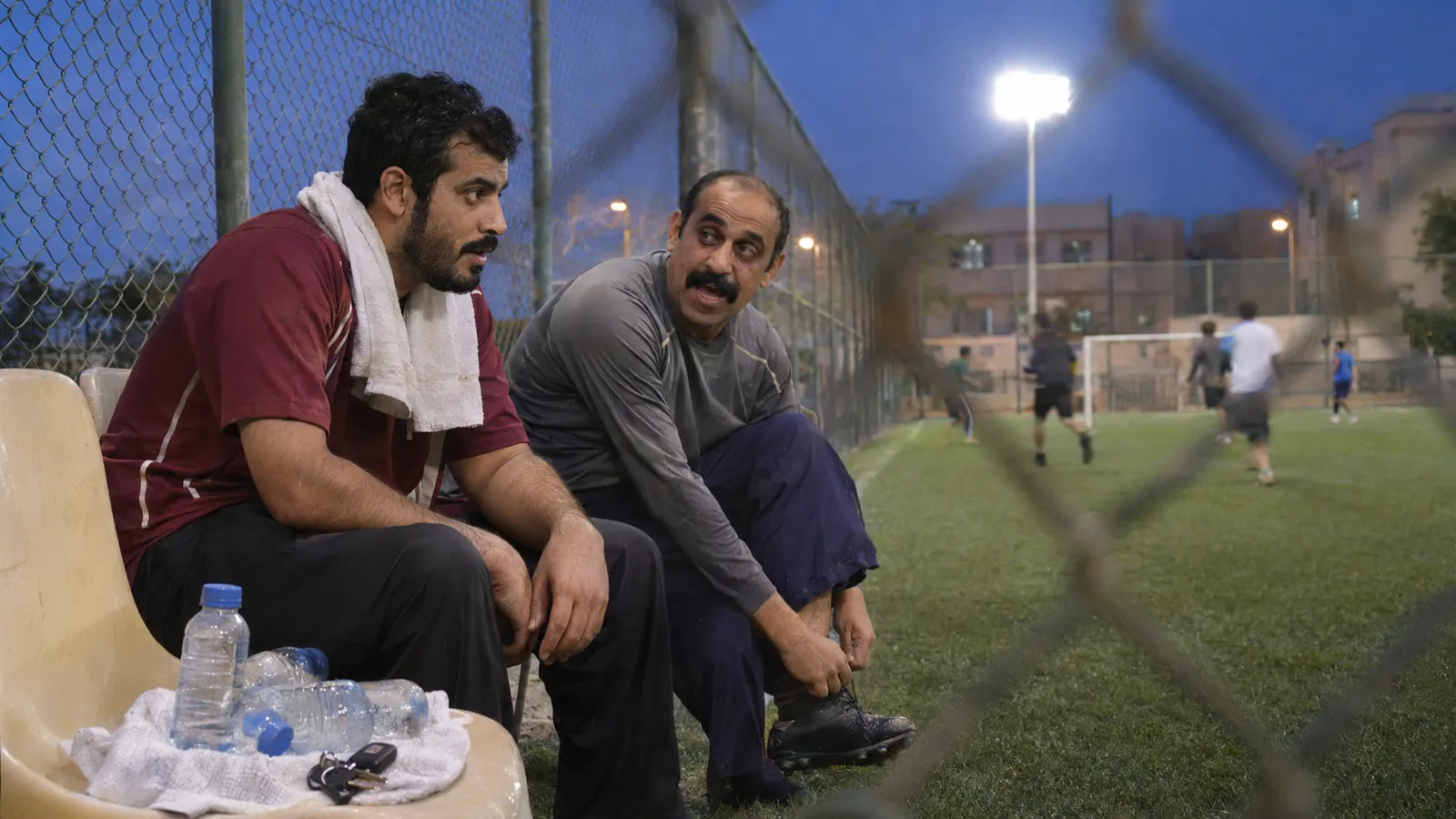 FriendshipHow to make friends in Kuwait as a grown-up
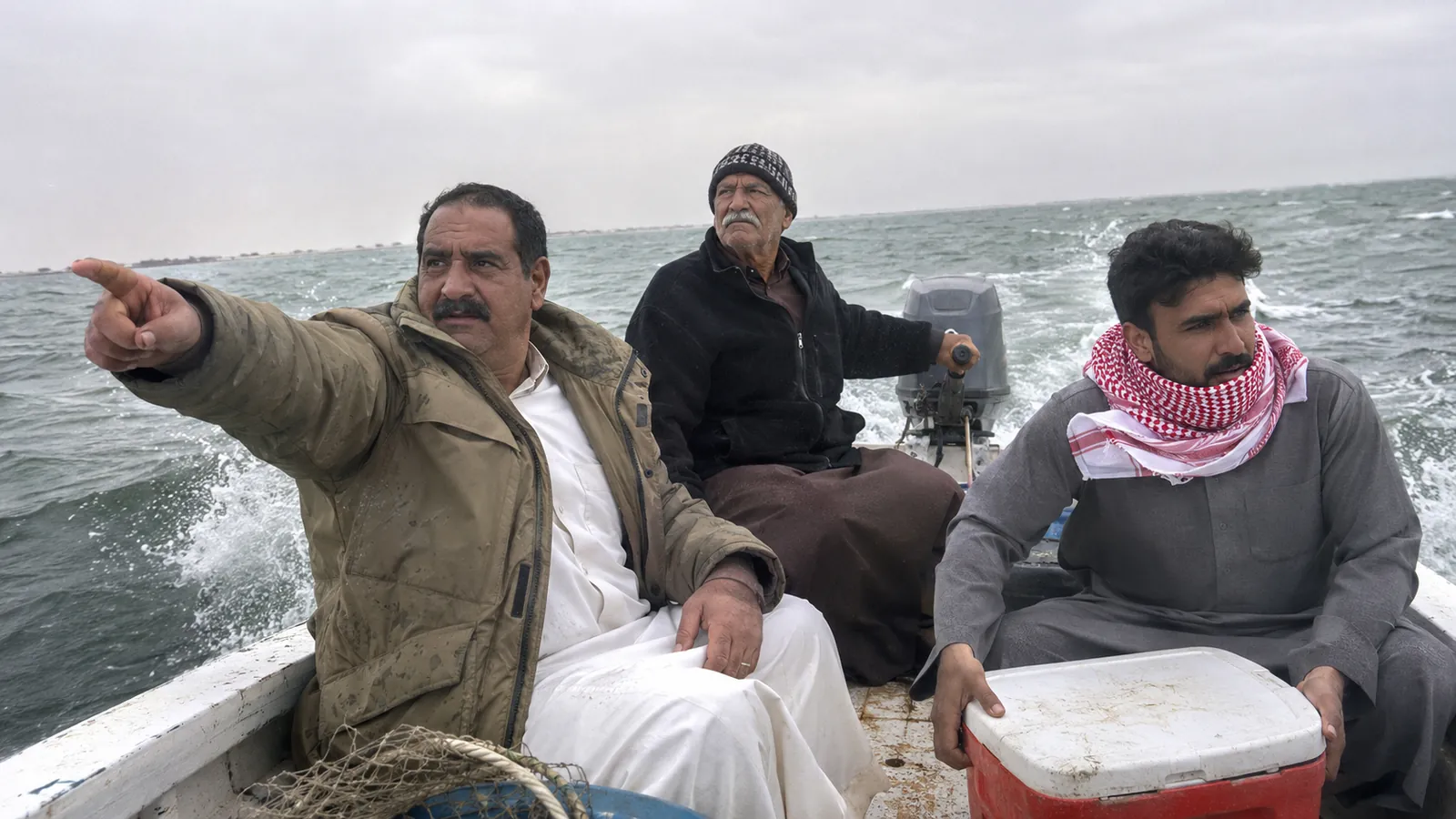 IdeasWinter in Kuwait: outdoor plans for a new circle
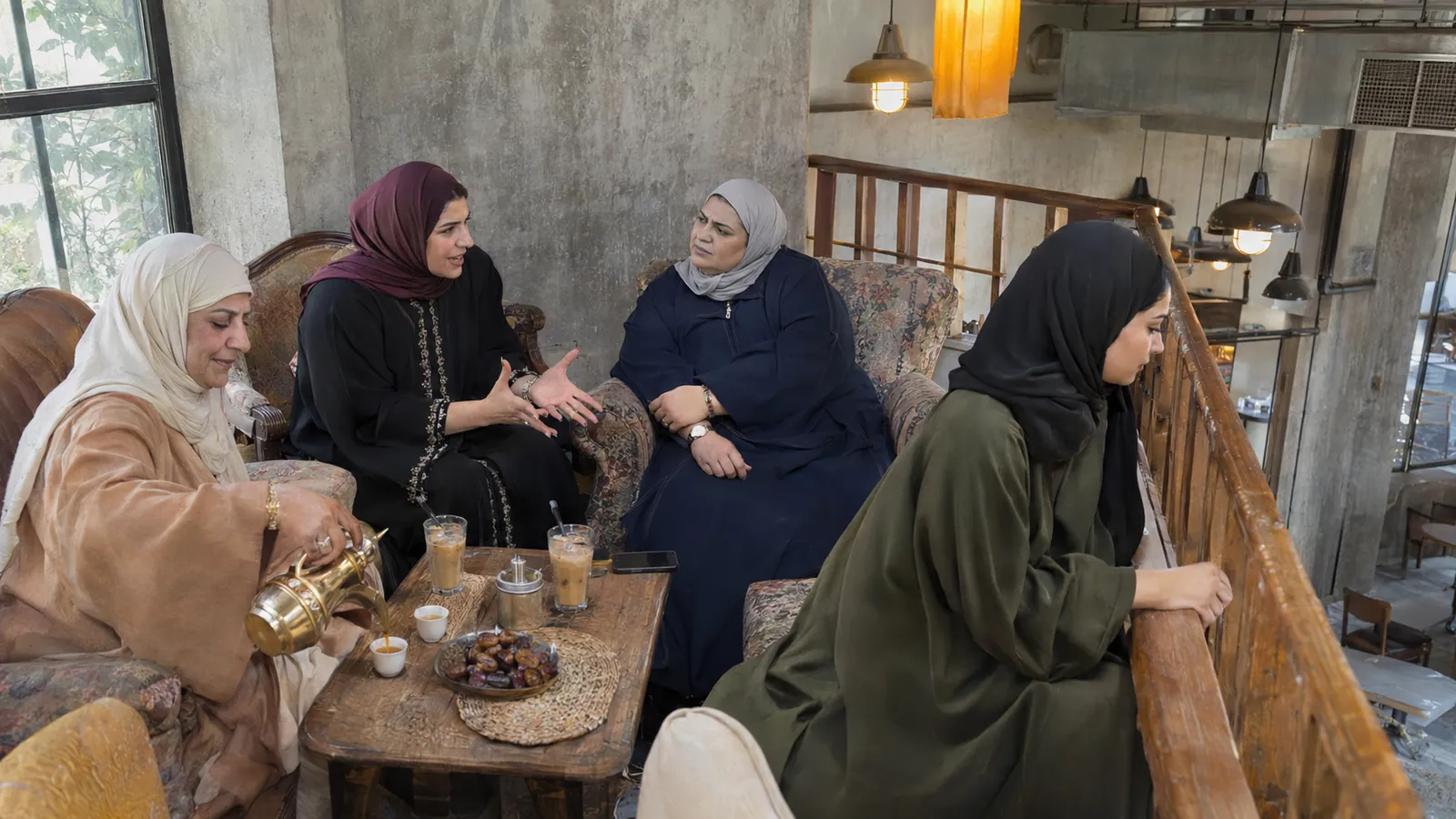 IdeasKuwait’s café culture, and where a small group can really talk
 New in townNew in Kuwait: making friends after the move