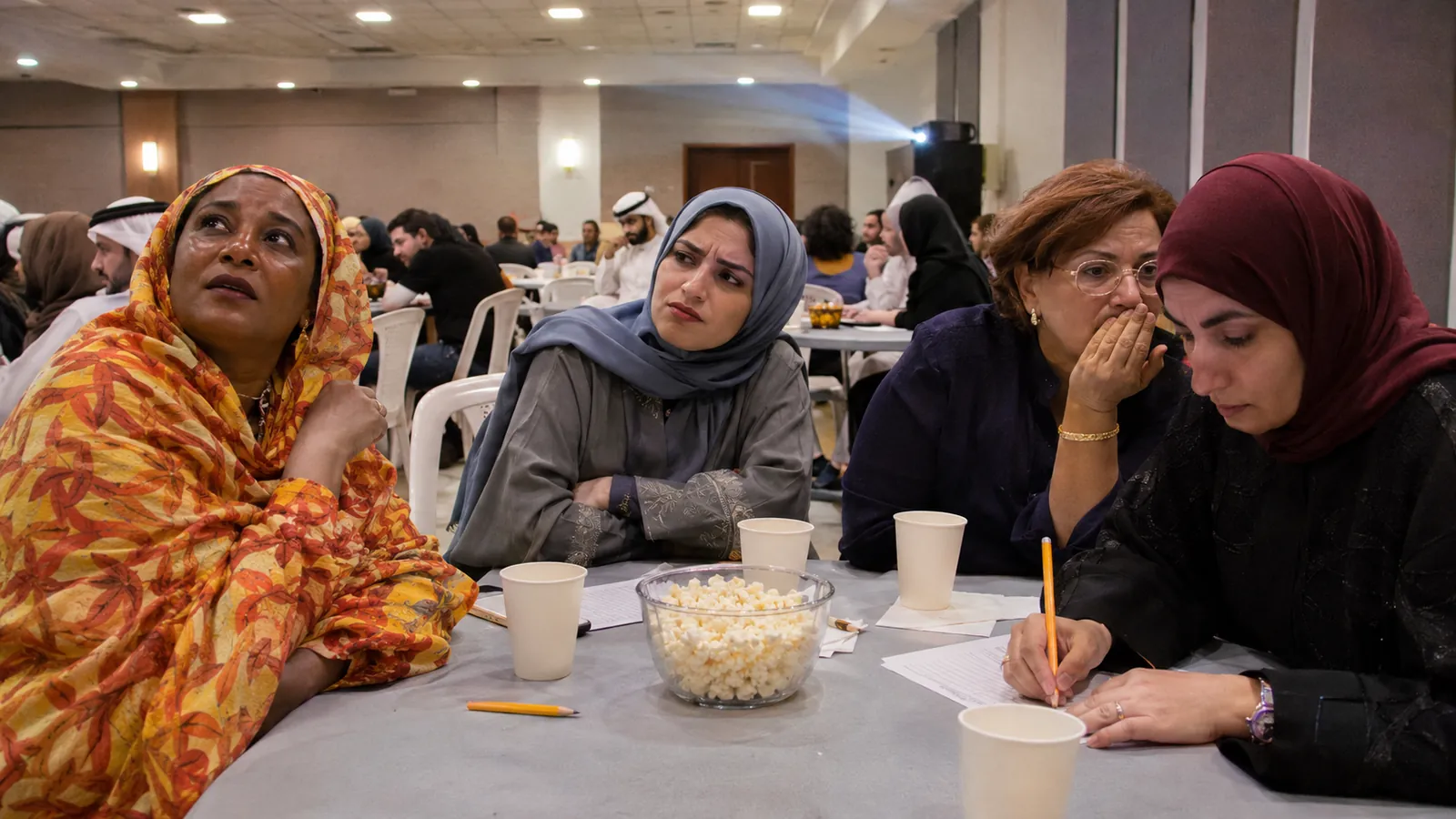
Maryam almost turned around at the door. It was a Tuesday evening in Salmiya, she had come straight from a long shift at the pharmacy, and through the café window she could see a table of five people she had never met, laughing at something on a stack of cards. She had signed up for the game night on a whim a week earlier, mostly because her evenings had become a loop of dinner, phone and bed. Now that she was here, the whole idea felt like a mistake. What would she even say?
As it turned out, she did not have to say much. A man in a grey sweater waved her over, pushed a pile of cards towards her and said, “You are on our team. We are losing.” Ten minutes later she was leaning across the table, trying to make her teammates guess a word with a single clue, and laughing harder than she had in weeks. Nobody had asked what she did for a living until the second round. By the end of the evening she knew everyone’s name, three of their jobs and one long story about a cat. And when someone said, “Same time next week?”, she found herself nodding.
Why games work for grown-ups
The hardest part of meeting new people is the first half hour. Two strangers across a café table have to invent the conversation from nothing, and most of us fall back on the same questions: where are you from, what do you do, how long have you been here. A game removes that pressure. It gives everyone something to look at, something to do with their hands and a shared goal that has nothing to do with impressing anyone.
Games also show you people quickly. Within an hour you learn who is competitive and who is generous, who explains rules patiently, who makes terrible puns, who notices when someone is left out. You see people react to small wins and small losses, and that tells you more about them than a dozen polite conversations. Most importantly, games make people laugh together, and shared laughter is one of the fastest ways strangers start to feel like friends.
Kuwait already knows how to gather around a table
None of this is new in Kuwait. Ask about evenings at a diwaniya or a family gathering and someone will mention cards, especially kout, the trick-taking game many Kuwaitis learn as children and play with fierce loyalty to their partner. Generations of friendships have been built around a table, a pot of tea and a game that runs a little longer than planned.
What has changed is the variety. Alongside the classic card games, modern board games have found a home in the country’s cafés and living rooms: word games, team games, cooperative games where everyone wins or loses together, and quiz nights that bring a room of strangers together in teams. The spirit, though, is the same. People come back because of the people, not the game.
Board games or quiz night?
The two feel similar but suit slightly different people. A board-game table is small and personal. Four to six people sit close together for a couple of hours and everyone talks to everyone. It suits those who like a smaller group and a slower pace, and it is ideal for quieter people, because the game gives them a role without asking them to perform.
A quiz night is louder and broader. Teams of three to five sit at different tables, someone reads the questions and the whole room shares the groans and cheers. It suits those who like a bit of energy and a sense of occasion. The friendship happens inside each team: you whisper answers, argue over a capital city and celebrate the one question only you knew. If a team stays together for a few weeks, it often becomes a circle in its own right.
Many people enjoy both. A good rhythm is a small game table most weeks and a quiz night once a month, when the group goes out together as a team.
Choosing games for a table of strangers
If you are hosting or suggesting a game, choose one that can be explained in five minutes and finished in under an hour. Word and team games that rely on clues and guessing work especially well, because they make people talk and laugh straight away. Cooperative games, where the whole table plays against the game itself, are gentle on newcomers because nobody can be beaten badly. Save long strategy games for later, once the group knows each other and has the patience for a three-hour evening.
Mix the teams. It is tempting for friends to sit together, but shuffling teams each round means everyone gets to know everyone. And always have one person, ideally the most patient, whose job is to teach the rules to anyone new. Being welcomed and taught is the moment a stranger starts to feel like part of the group.
How a table becomes a weekly circle
Maryam’s table did not become a circle by accident. A few simple things made the difference. The first was a fixed slot: Tuesday at seven-thirty, same café, every week. Nobody had to organise anything, which meant nobody had to remember to. People came when they could and nobody minded when they could not.
The second was a host. One of the group, a teacher named Fahad, kept the game box, made the group chat and sent a short message every Monday asking who was coming. That small effort held the whole thing together. Every lasting circle has someone like Fahad, and it is worth thanking them often, or taking turns so the job does not fall on one person forever.
The third was what happened after the game. Around the fourth week, someone suggested dinner afterwards at a place nearby. A few weeks later, two of the group went to a quiz night together, and the whole table turned up to cheer them on. By the end of the second month there was a birthday in the group chat, then a weekend breakfast that had nothing to do with games at all. That is the moment a game night becomes friendship: when the people want to see each other even without the box on the table.
If you are the new person at the door
Walking into an established game night can feel like walking into someone else’s living room. A few things help. Arrive a few minutes early, while the table is still setting up and people have time to say hello. Say plainly that it is your first time; most groups love teaching a new player. Do not worry about winning, or even about understanding every rule in the first round. Ask questions, laugh at your own mistakes and stay for the second game, because people relax after the first. And if you enjoyed it, say so before you leave and ask when the next one is. That single sentence tells the group you would like to come back, and makes it easy for them to welcome you when you do.
Keep it comfortable for everyone
The best game nights are welcoming ones. Choose a public place with a big table, decent light and staff who do not mind a group staying for a couple of hours, and order generously so you are good guests. Keep the competition friendly, and if one player is dominating, nudge the group towards a team or cooperative game. Avoid games that rely on teasing or embarrassing anyone, and remember that not everyone shares the same sense of humour on the first evening. Above all, notice the person who is quiet and bring them in. Asking “What do you think?” costs nothing and can change someone’s whole evening.
As with any plan with new people, meet in a public place, arrange your own transport so you can leave whenever you like, and keep chatting in an app until you feel comfortable sharing your number.
Where TruFriend fits
A game night needs players, and a weekly circle needs the right ones. TruFriend is a free platform for friendship only, for grown-ups aged 18 and over, and it is open in Kuwait City. Tru, our assistant, learns what you enjoy, which part of the city you live in and when you are usually free, then introduces you to a few compatible people nearby, with the reasons you might get along. The Board games & quizzes and Coffee & conversation circles gather small groups of three to ten for regular plans in public places: a café table, a quiz night, a box of cards.
Maryam still plays on Tuesdays. She now owns two games of her own, and last month she was the one who taught the rules to a nervous newcomer at the door. If you would like a table of your own, join TruFriend: it takes a minute.
Don’t just read about it
Join a circle of people in Kuwait City who enjoy the same things. Members already on TruFriend can join from the app or suggest a plan in any chat.
 Board games & quizzesA friendship circle for board games, card games and quiz nights in Kuwait. Meet people for friendly competition and easy conversation.
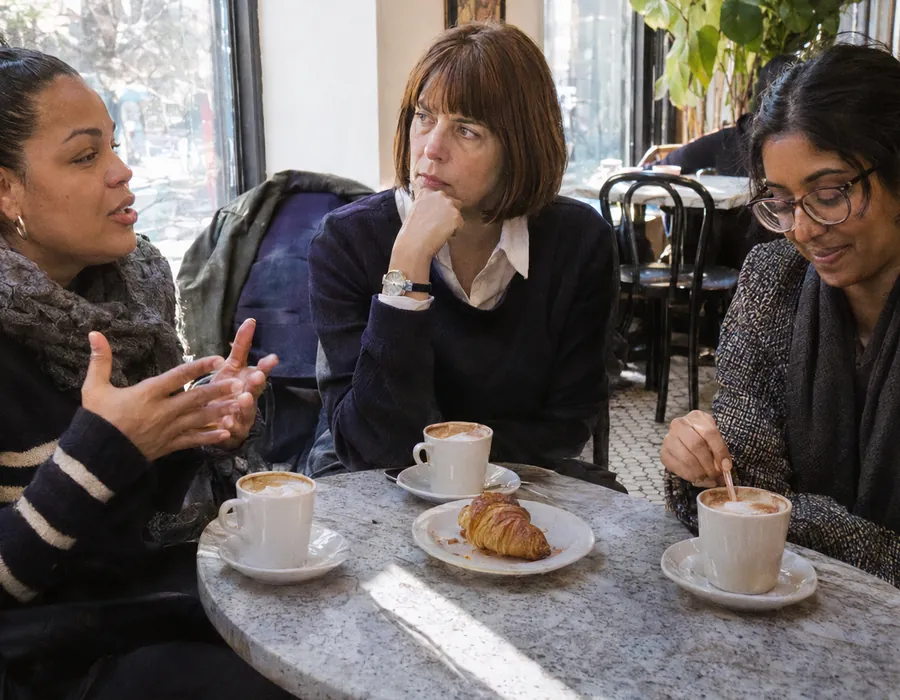 Coffee & conversationA friendship circle for people who enjoy cafés and unhurried conversation in Kuwait. Low-pressure first meetings, close to home.
Where to meet in Kuwait City
Public places picked for small groups of 3 to 10, sorted by interest and area.
Keep reading
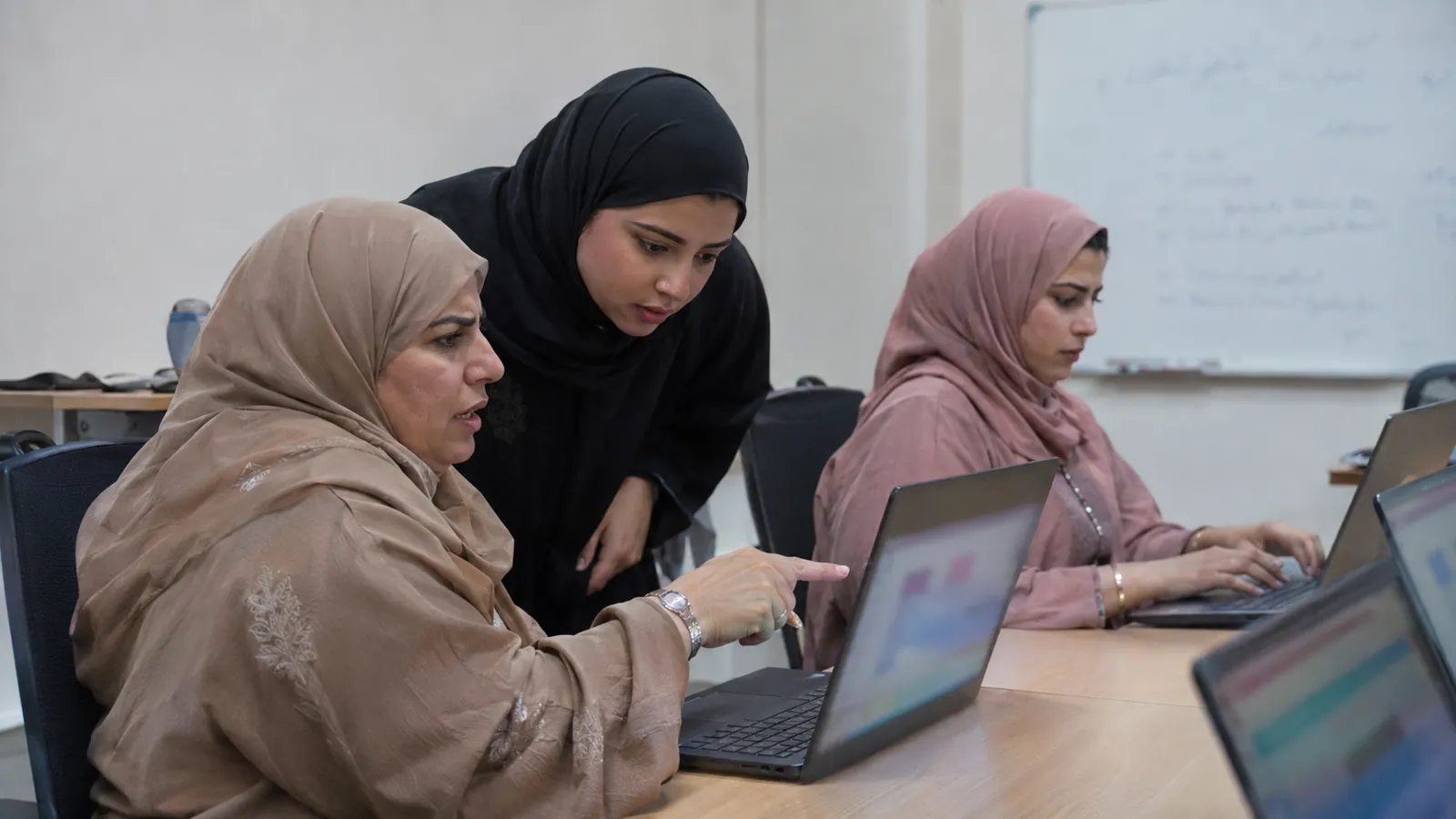 CirclesMeeting people through AI and tech in Kuwait: from a course to a circle that learns together
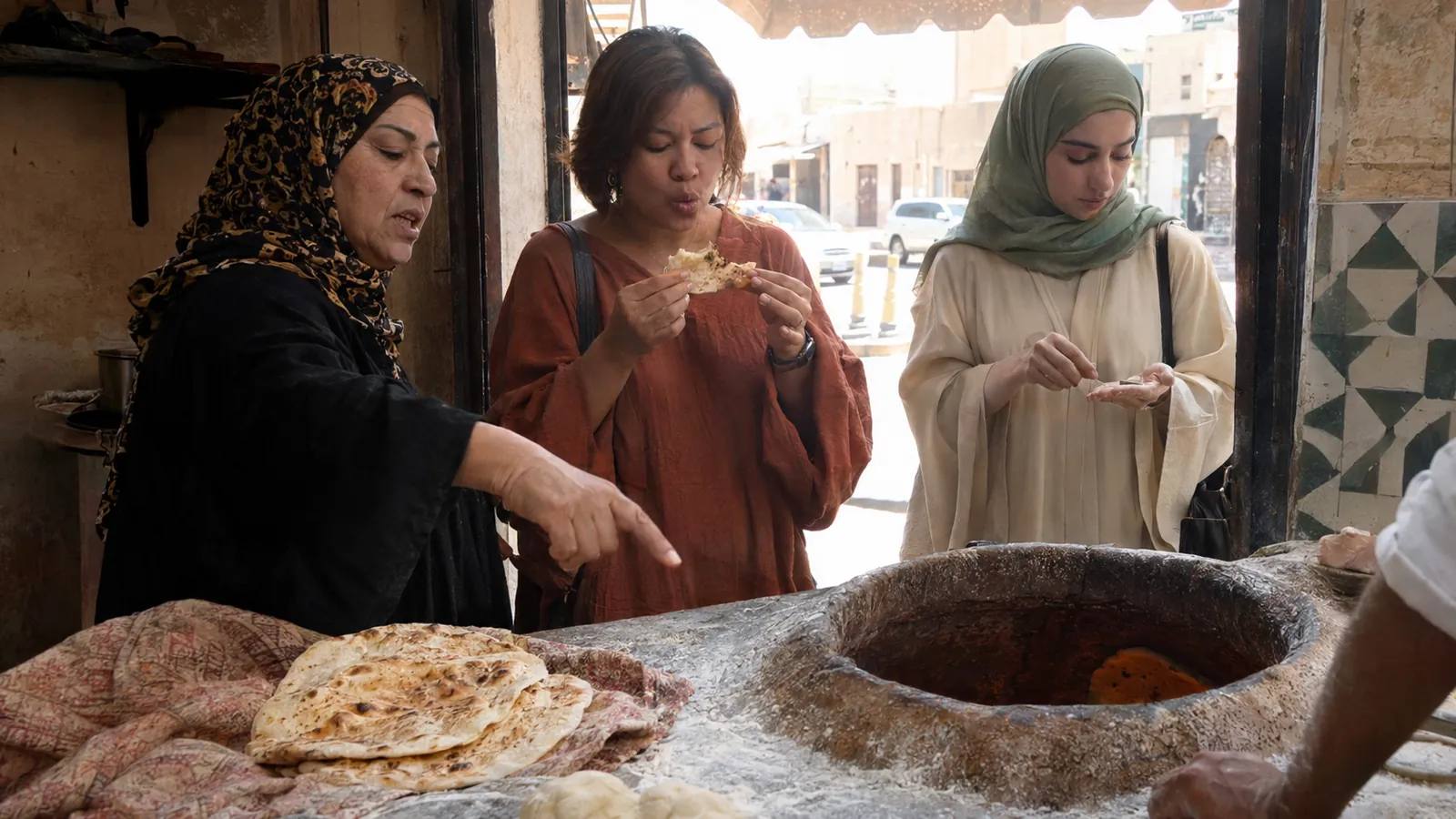 IdeasBeyond the mall: discovering Kuwaiti food with friends
 IdeasLanguage exchange in Kuwait: Arabic, English and the friendship that grows over coffee
 FriendshipMaking friends in Kuwait as a woman: where to start, and how to build a circle at your own pace
 IdeasKashta season: how a weekend in Kuwait’s desert turns new friends into old ones
 IdeasWalking Arabian Gulf Street with a friend: why the same walk every week builds friendship
 IdeasBook lovers in Kuwait: reading circles, bookshops and the friends a shared book brings
 IdeasPadel in Kuwait: how a weekly game becomes a group of friends
 IdeasWhen the first rain comes: small autumn rituals with friends in Kuwait
 FriendshipBack from studying abroad: rebuilding your circle in Kuwait
 FriendshipFriends at work, friends outside it: why you need both in Kuwait
 IdeasMuseums and culture in Kuwait, better with a friend
 FriendshipFriends, when Fridays and weekends belong to family
 IdeasWhere people meet in Salmiya, Kuwait City and beyond: friendship within 15 minutes of home
 IdeasAn evening in Souq Al-Mubarakiya with new friends
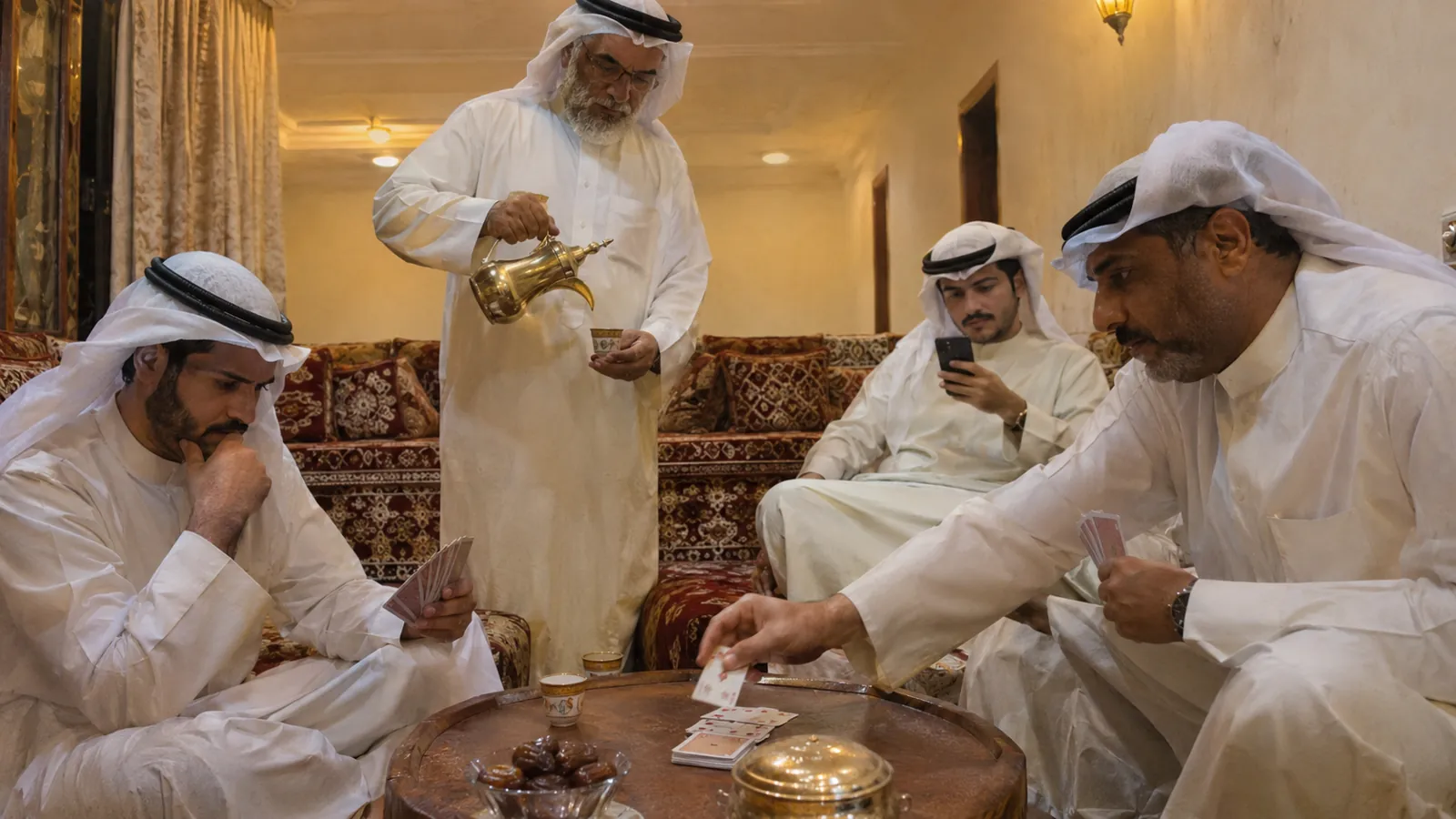 FriendshipWhat the diwaniya teaches about friendship, and how to build your own weekly table
 FriendshipHow to make friends in Kuwait as a grown-up
 IdeasWinter in Kuwait: outdoor plans for a new circle
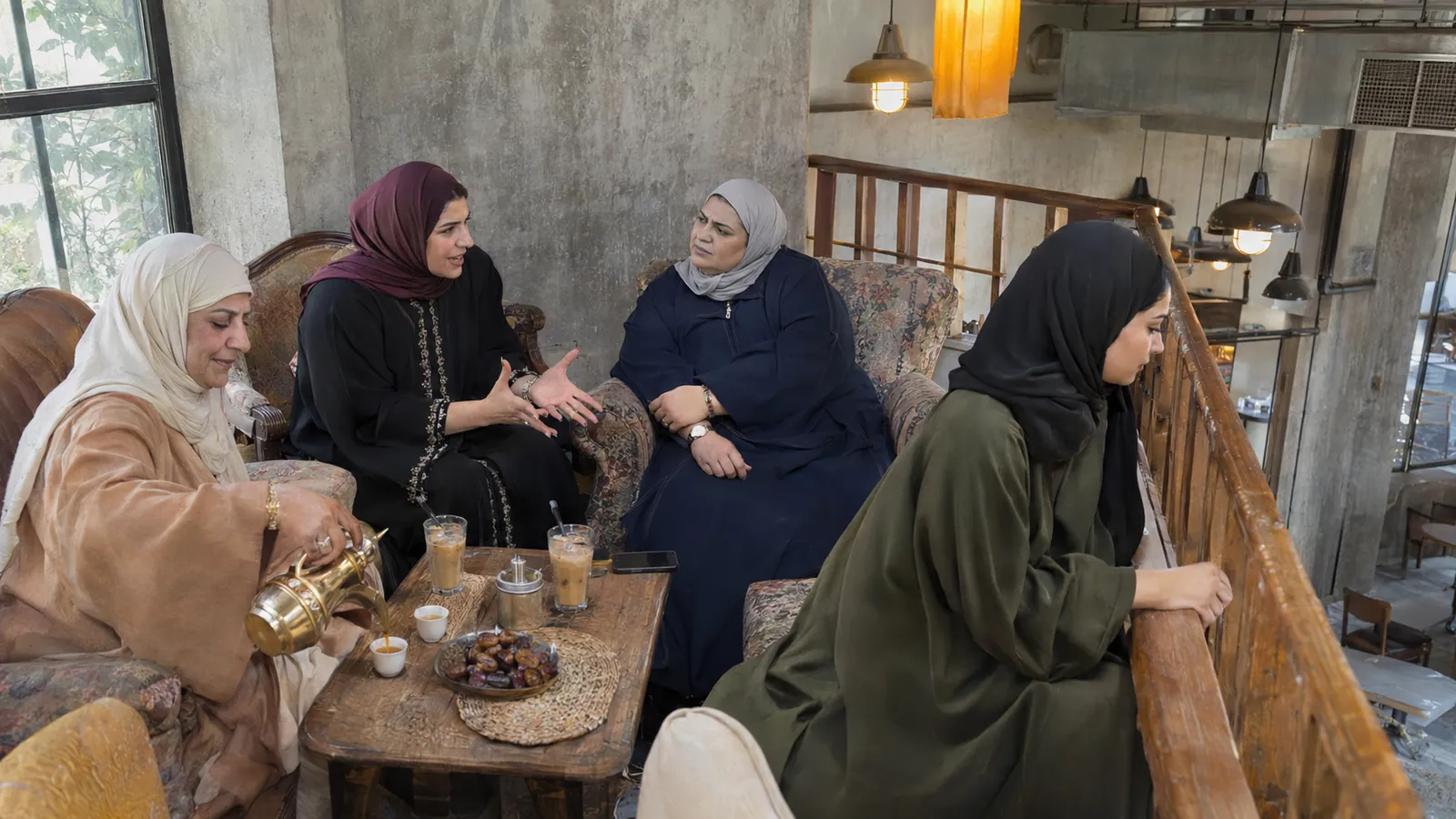 IdeasKuwait’s café culture, and where a small group can really talk
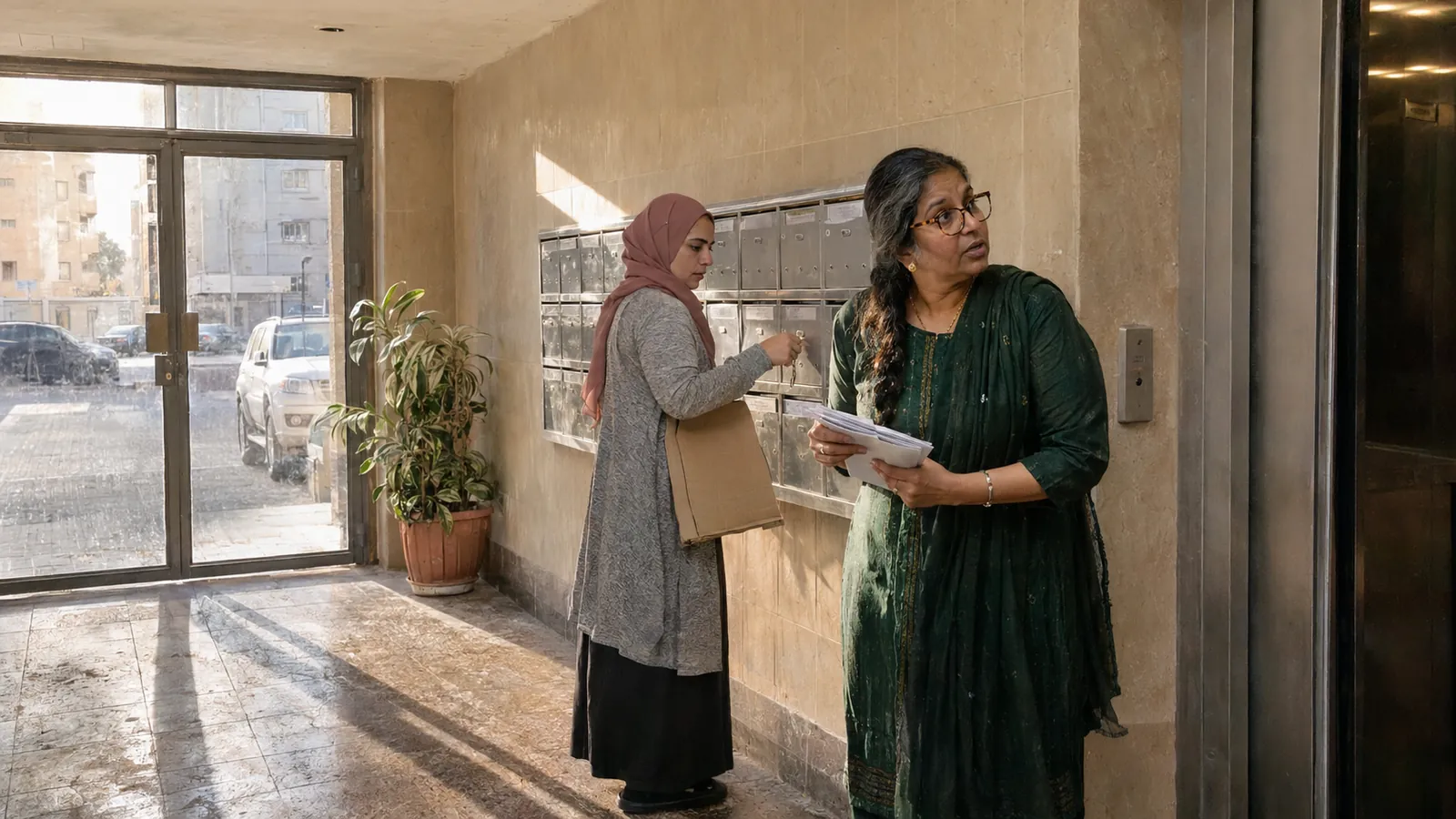 New in townNew in Kuwait: making friends after the move