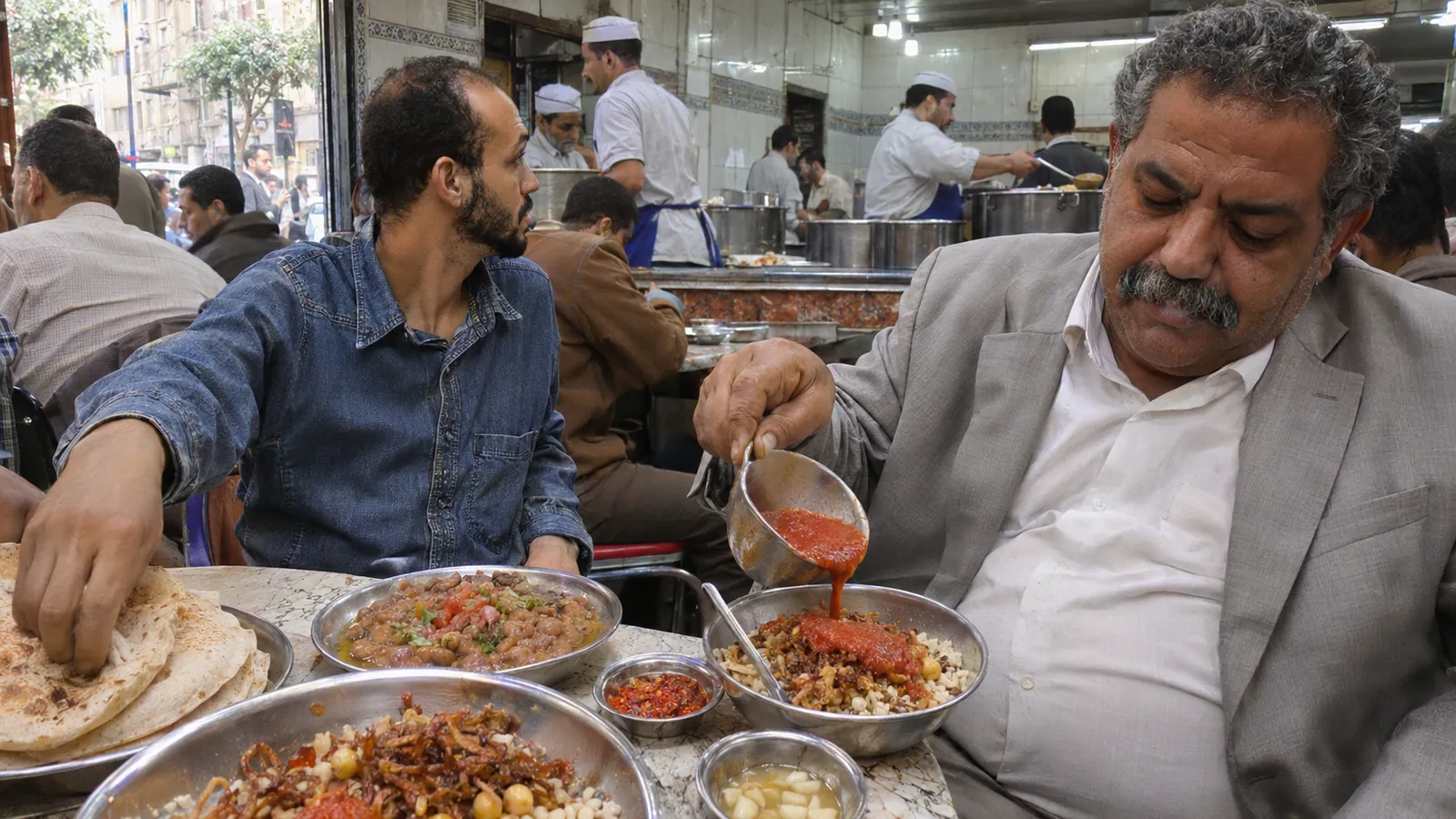
Karim had lived in Cairo all his life, and he would have told you he knew its food. He knew the koshary place near his old school, the ful cart that appeared at the corner every morning before seven, the bakery where his mother bought feteer on Fridays. What he did not know, he realised one evening at thirty-four, was anyone who would cross the city with him just to eat. His friends from university had scattered to the Gulf, to Europe, to new compounds on the far edge of New Cairo, and the ones who were left had children and early mornings. Food had become something he ate at his desk.
Nour had the opposite problem. She had moved to Cairo from Alexandria for work, and she was hungry for the city in every sense. She had heard about the famous koshary in Downtown, about the grilled liver sandwiches in the old streets, about the sweet shops of Sayeda Zeinab that stay busy until midnight. But every time she thought of going, she imagined herself at a table alone, and stayed home.
They met on a Thursday evening at a long table in Downtown, along with four other people who had joined the same small group to eat their way across the city one neighbourhood at a time. Nobody gave a speech. Somebody ordered too much. By the time the rice pudding arrived, Karim was explaining the difference between Cairo and Alexandria ful to a woman from Alexandria, and she was patiently telling him he had it all wrong.
Why food is the easiest way in
Making friends as a grown-up is mostly a question of finding a reason to keep showing up. Food is the oldest reason there is. Nobody has to perform or be clever at a table. You only have to be hungry and a little curious, and the meal does the rest. The conversation starts with what is on the plate and, without anyone noticing, moves on to work, family, the city and the small things that make people like each other.
Cairo makes this especially easy, because so much of its food is meant to be shared. Koshary arrives in one big bowl and invites argument about how much vinegar and chilli it needs. A plate of ta'ameya, the Egyptian falafel made with fava beans, disappears faster than anyone expected. A tray of grilled meat and bread in a busy street restaurant is not a meal for one. Even breakfast, ful and eggs and pickles with warm baladi bread, is a table for several.
A city that eats at every hour
One of the pleasures of eating through Cairo with a group is learning how many different cities fit inside it. Downtown, with its old cinemas and coffee houses, is where many people taste the famous koshary for the first time, standing in a busy room that smells of fried onions and tomato sauce. Islamic Cairo, around Al Muizz Street and Al Azhar, rewards a slow evening walk that ends with sweets or a glass of sugarcane juice. Zamalek has its quiet cafés and bakeries, Maadi its leafy streets and family restaurants, Heliopolis its old arcades and the long avenues where people stroll after dinner.
And then there is the clock. Cairo eats late. In the cooler months a group can meet at nine in the evening and still find the streets full, the grills going and families out together. A food plan here does not need to be squeezed between work and bed; it can be the whole evening.
How a food group actually becomes a friendship
The secret is not the food. It is the repetition. A single dinner with strangers is pleasant and then forgotten. The same five or six people eating together every week or two, in a different neighbourhood each time, is something else. By the third meal people remember who cannot eat chilli, who always orders the same dessert and who knows a better place nearby. By the fifth, they are sending each other photographs of things they ate on their own during the week. Somewhere around then, without any announcement, they have become friends.
Karim and Nour's group settled into a rhythm that suited everyone. Every second Thursday someone suggested a place, usually something one of them had grown up with or had always wanted to try. They kept it simple: a table, a few shared plates, and a walk afterwards. Some evenings they were six, some evenings only three, and the small evenings often turned out to be the best ones, because the conversation went deeper.
If you would like to start something similar, a few small habits help:
- Keep the group small. Three to six people can share a table, hear each other and order together. Bigger than that and the table splits into separate conversations.
- Take turns choosing. When each person brings a place from their own life, the meal comes with a story, and everyone learns something about everyone else.
- Agree on the bill before you start. In most groups each person pays for their own, or the table splits evenly. Saying it at the beginning saves an awkward moment at the end.
- Add a short walk. Twenty minutes on foot after dinner, down a street you do not know, is often when the best conversation happens.
- Pick the next date before you leave. The surest way to lose a group is to say "let's do this again sometime".
For newcomers, food is a map of the city
For people who have moved to Cairo, from another part of Egypt or from abroad, a food group is one of the quickest ways to understand the city. Every dish comes with a neighbourhood, and every neighbourhood with a way of life. You learn where people go for breakfast after Friday prayers, which streets come alive at night, which sweets belong to which season. You also learn the small manners of the table: that bread is shared, that someone will always insist on paying, that refusing a second helping takes more than one attempt.
Nour says that by Christmas she felt she knew Cairo better than some people who had lived there for years, and that was not because of any guidebook. It was because every two weeks someone who loved a place had taken her there and told her why.
Eating comfortably as a group
Some of the best food in Cairo is served in busy, simple places, and some people worry about going to unfamiliar areas or eating in crowded rooms. A group makes this easier. You can choose well-known, busy restaurants in central areas, go together and leave together, and save the more adventurous street food for when everyone feels at ease. Women-only groups are common and comfortable too; many of the regular food plans in the city are a few friends who simply prefer to eat together without a crowd.
There is also no rule that a food plan has to be dinner. A Friday breakfast of ful and ta'ameya, a mid-afternoon visit to a bakery for feteer, or a late-night dessert run in the cooler months are all good ways to meet. Different times suit different people, and changing the hour now and then lets more of the group come.
What stays after the meal is over
After a few months the group noticed something nobody had planned. The evenings were no longer only about food. Someone would send a message midweek to ask what the others thought of a job offer, someone else needed a recommendation for a dentist, and everyone knew that Karim's mother had had a small operation and asked after her. That is the moment a hobby group turns into something closer to friendship: when asking about the person matters more than asking about the restaurant.
Not everyone becomes close to everyone else, and that is fine. In every group two or three people drift closer and start meeting outside the regular date, for coffee or a walk on the Corniche. That is exactly why small groups work: they let you meet a lot of people a little, until you find the few you want to see a lot.
Where TruFriend comes in
The hardest part of all this is finding the first three people who want to eat the way you do. That is what TruFriend is for. It is a free platform for friendship only, for grown-ups (18+), open in Cairo as well as Dubai, Riyadh, Kuwait City, London, New York and Toronto. Tru, our assistant, learns what you like to eat, which part of the city suits you and when you are usually free, and introduces you to a few compatible people nearby, with the reasons you might get on. A conversation only opens when both of you say yes, and every plan happens in a public place.
The Food explorers circle is where people who would cross the city for a good plate find each other, and you can browse places that suit a small group on our Cairo food places page. If your group prefers to linger over tea after the meal, the Coffee and conversation circle is a natural next step, and our guide to Cairo's ahwa and café culture has ideas for that. If you are new to the city, our guide to building a social life in your first months in Cairo is a good place to begin.
Karim still eats at his desk some days. But on every second Thursday he leaves on time, crosses the city in traffic he no longer minds, and sits down at a table where five people are already arguing about what to order. If you would like a table like that, join TruFriend: it takes a minute.
Don’t just read about it
Join a circle of people in Cairo who enjoy the same things. Members already on TruFriend can join from the app or suggest a plan in any chat.
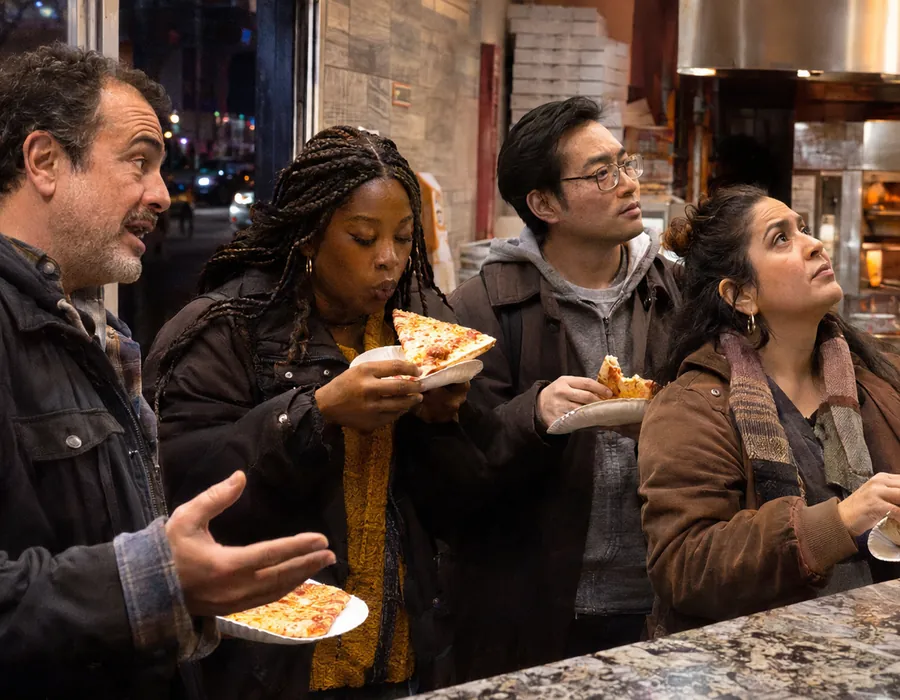
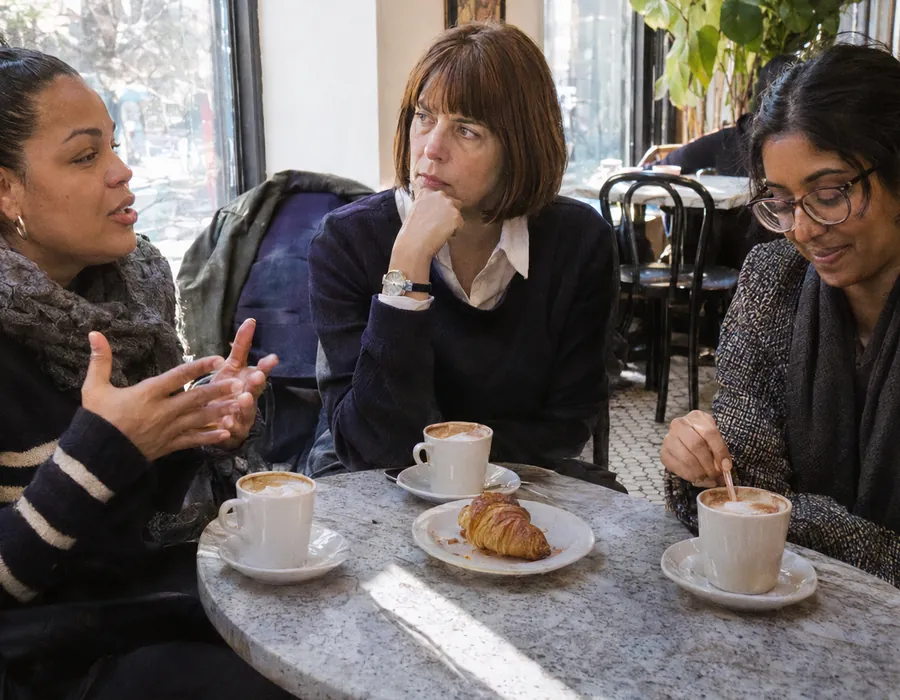
Where to meet in Cairo
Public places picked for small groups of 3 to 10, sorted by interest and area.
Keep reading
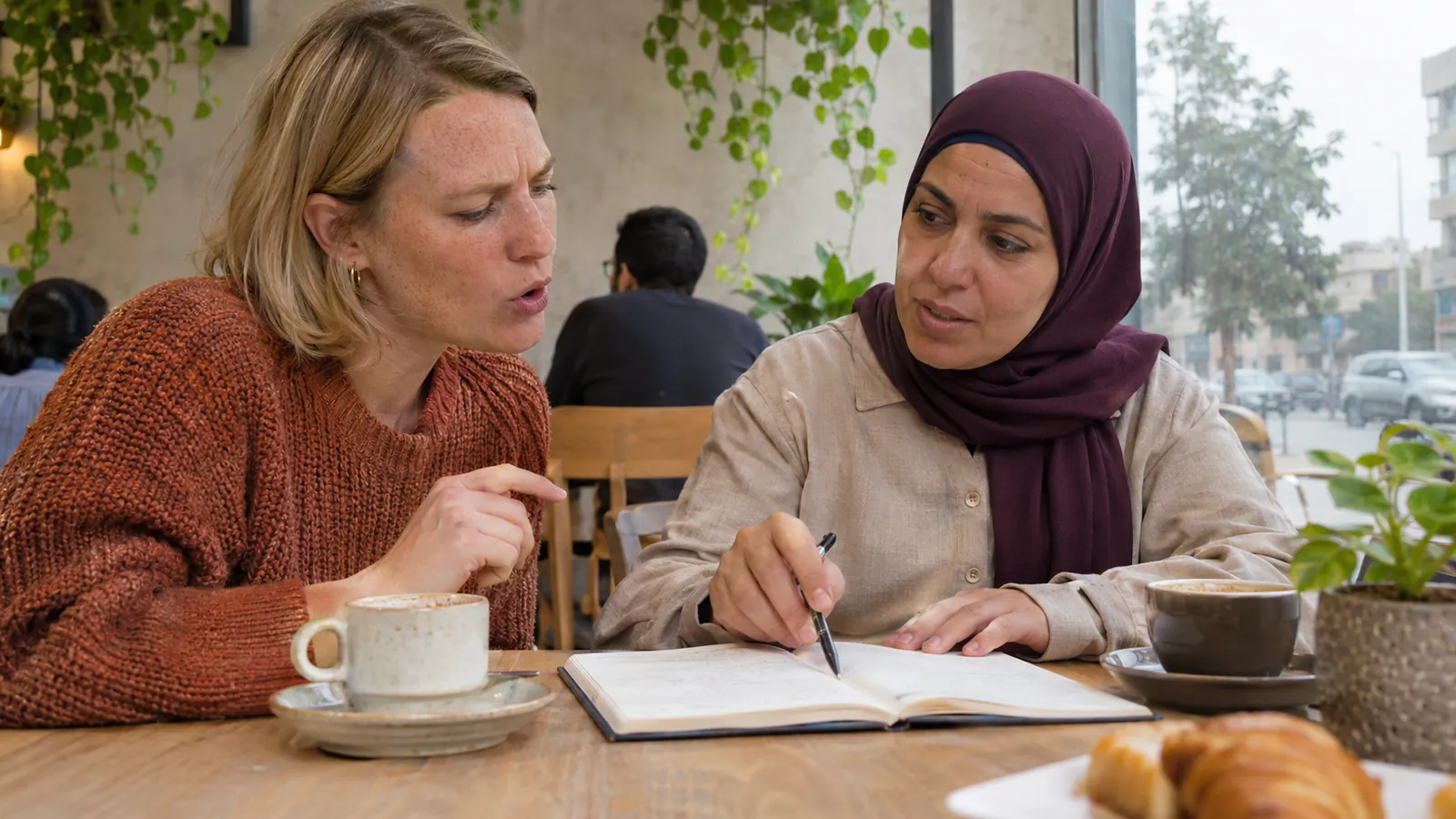 IdeasLanguage exchange in Cairo: Egyptian Arabic, English and a friendship that grows over coffee
 IdeasBoard games and tawla nights in Cairo: how a table of strangers becomes a weekly circle
 IdeasArt and culture in Cairo with friends: museums, galleries and the Opera House
 IdeasPadel in Cairo: how a weekly game turns strangers into friends
 IdeasDesert and Fayoum trips from Cairo with friends: Wadi Degla, Wadi El Rayan and sunrise in the sand
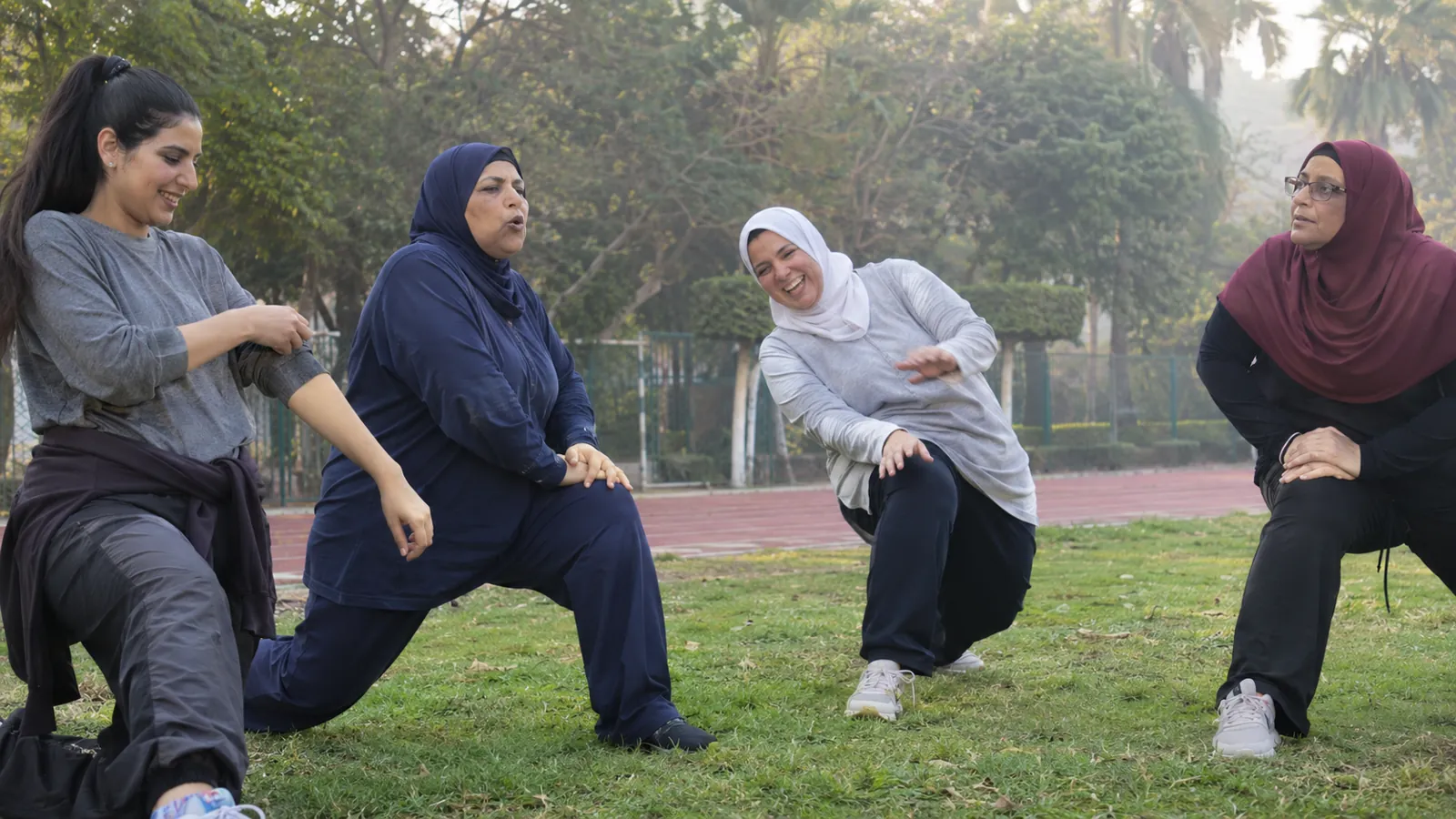 FriendshipMaking friends in Cairo as a woman: comfortable places, small groups and a steady routine
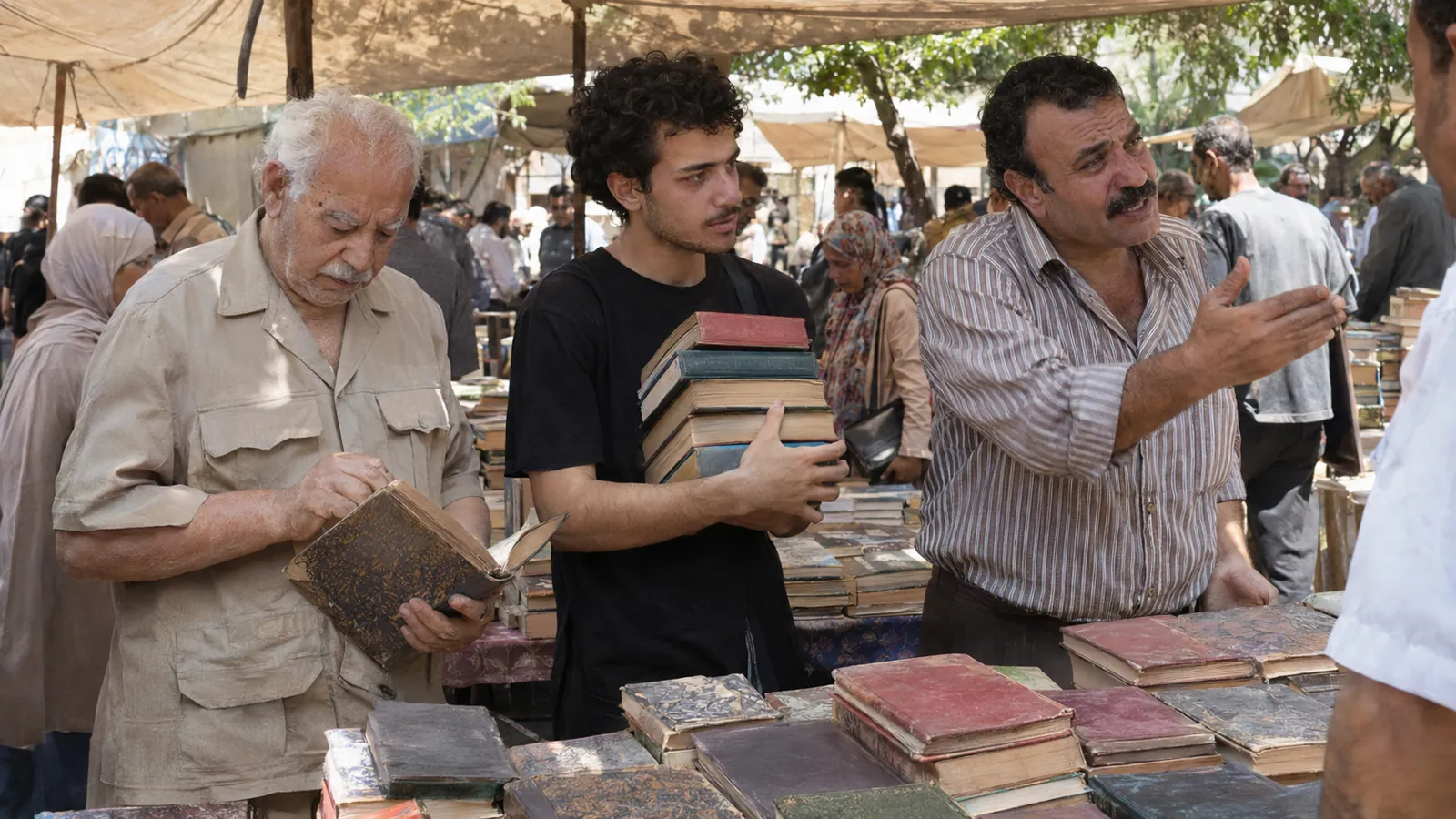 IdeasBook lovers in Cairo: bookshops, the Book Fair and the friends a shared book brings
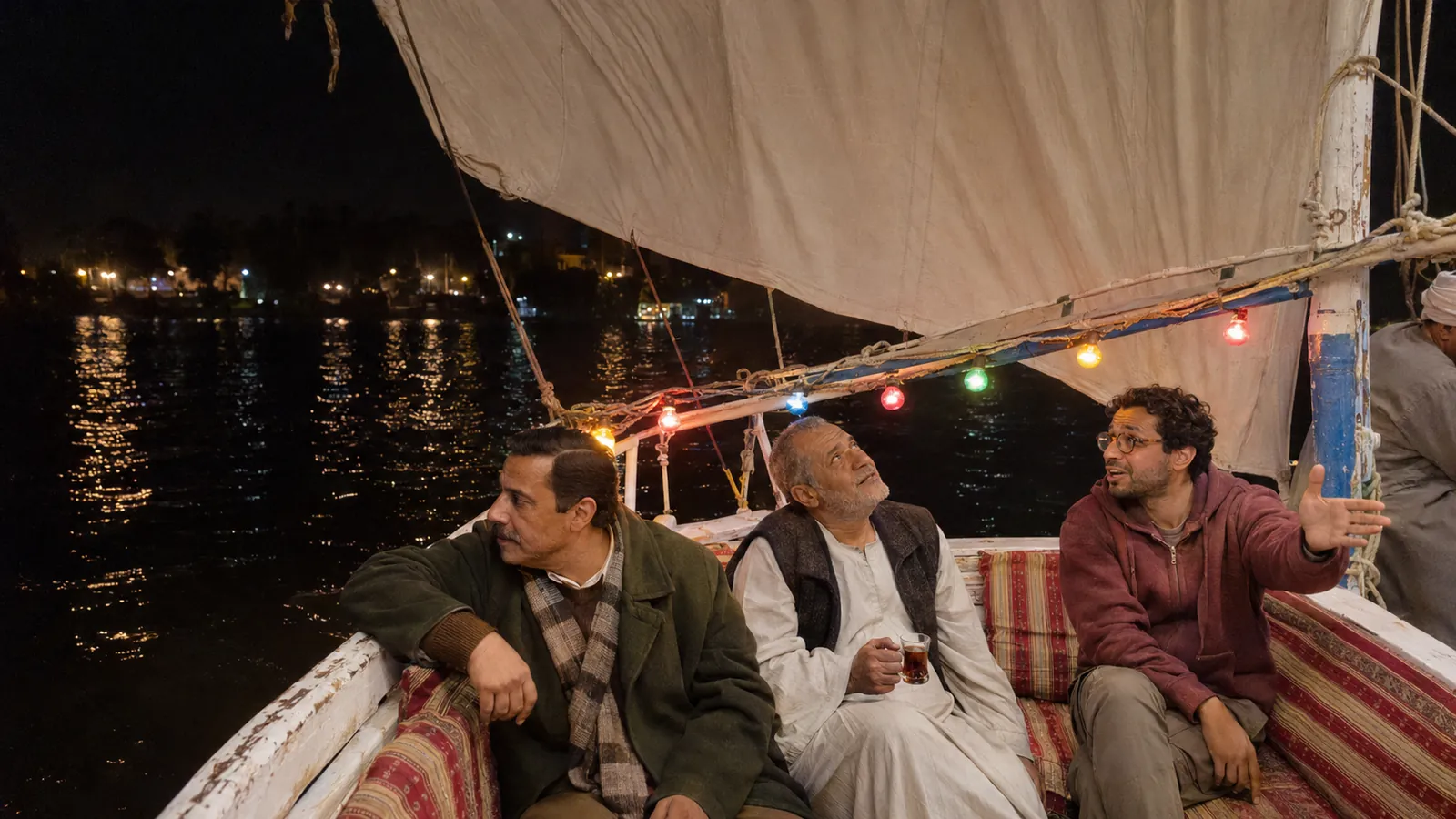 IdeasNile Corniche walks and a felucca with friends: why the same walk builds friendship
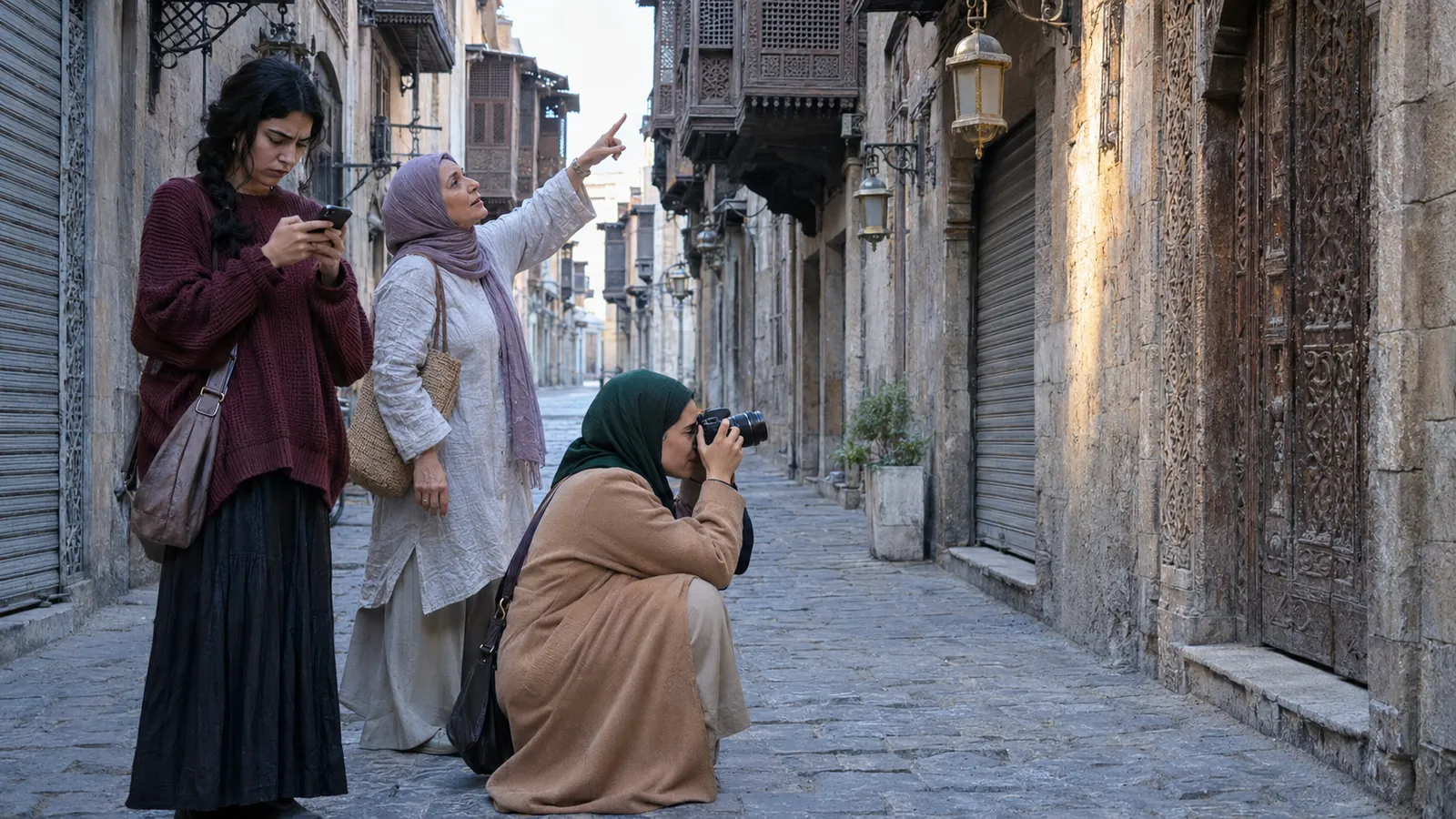 IdeasEl Moez Street and old Cairo with friends: history, photos and food in a small group
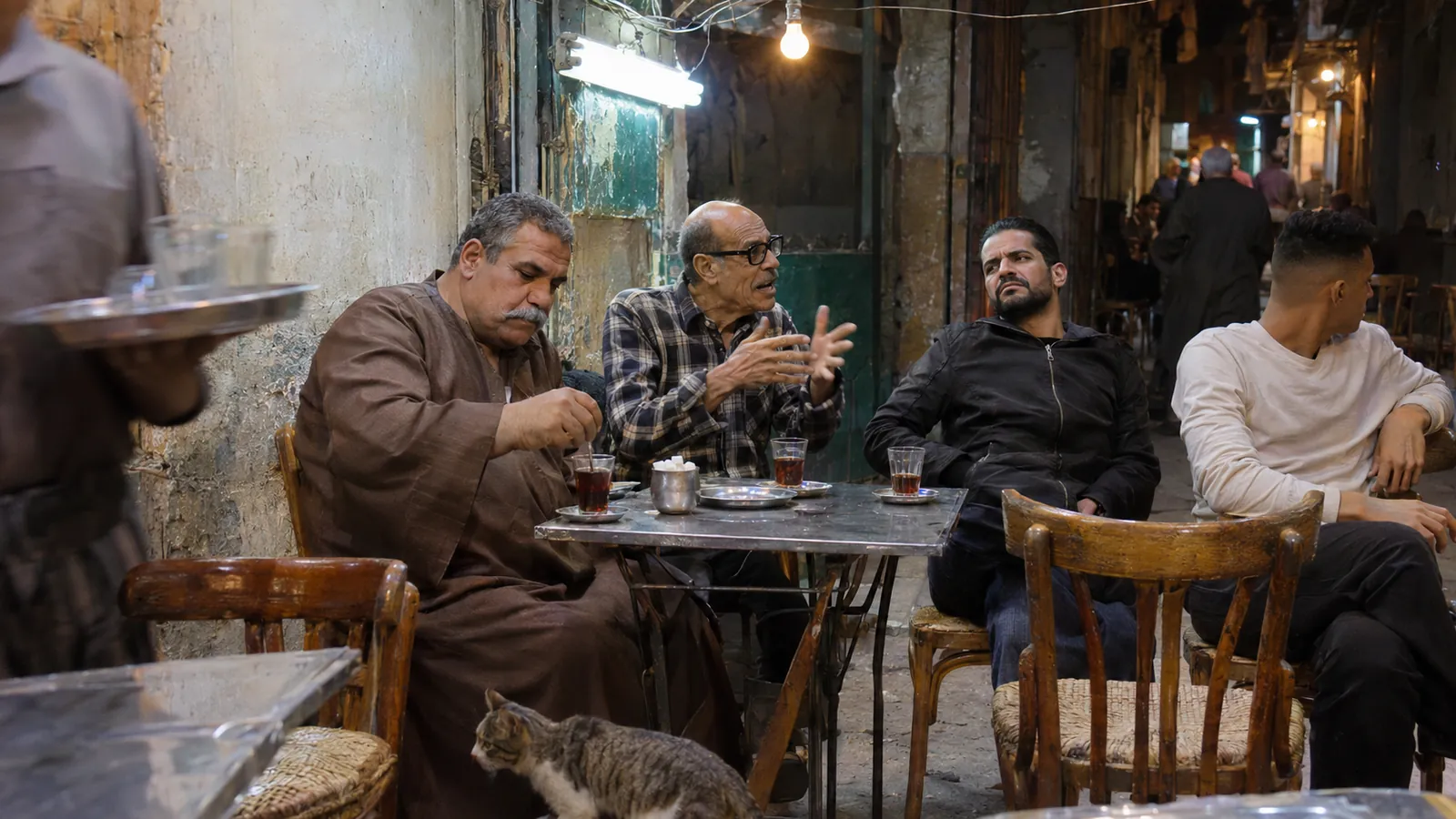 IdeasCairo’s ahwa and café culture: where friendships form over tea and tawla
 New in townNew in Cairo: how to build a social life in your first months
 FriendshipHow to make friends in Cairo as a grown-up
 NewsTruFriend is now open in Cairo