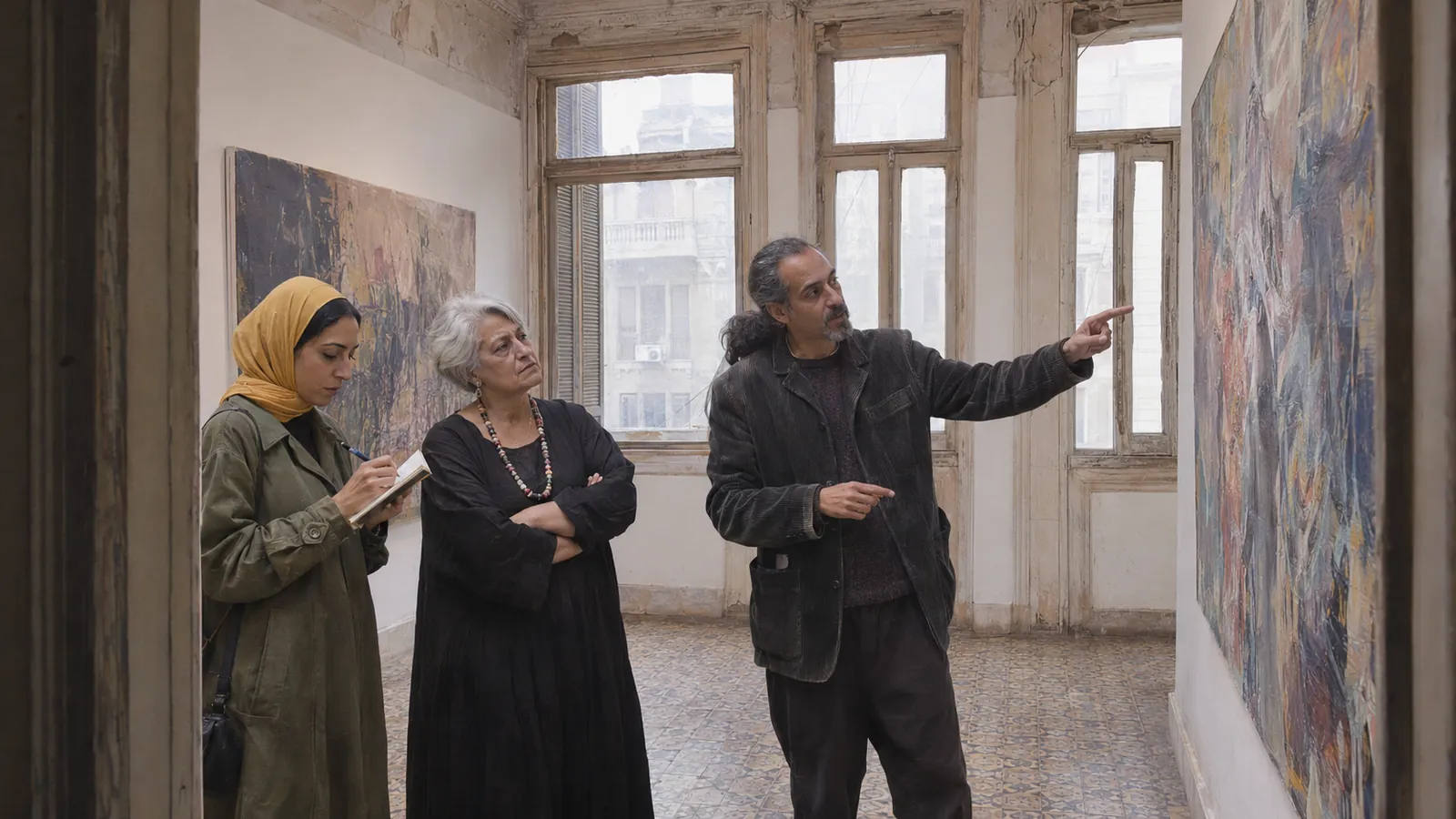
Yasmine studied art history and then spent ten years working in a bank. She does not regret the bank, but she missed the part of herself that used to spend whole afternoons in front of a single painting. She tried going to exhibitions on her own and found it strangely lonely. She would walk through a gallery in Zamalek, read every label, and leave with nobody to ask whether they had seen what she had seen.
Ahmed, a civil engineer, had the opposite experience. He had lived in Cairo for most of his life and had not been inside the Egyptian Museum since a school trip at the age of eleven. He knew the city was full of art and history; he simply never found the moment, or the company, to go.
They met in a group of five who had agreed to visit one museum or exhibition a month and talk about it over coffee afterwards. The first visit was the Museum of Islamic Art in Bab El Khalq. Yasmine talked about the woodwork for twenty minutes. Ahmed asked how anyone had carved a ceiling like that without a computer. A retired teacher in the group answered both of them with stories her grandmother had told her about the old city. By the time they reached the café, nobody wanted to go home.
A city that is itself a museum
Few cities on earth hold as much art as Cairo. There is the Egyptian Museum in Tahrir Square, with its rooms of statues and treasures that have drawn visitors for more than a century, and the Grand Egyptian Museum near the pyramids of Giza, a journey in itself. There is the Museum of Islamic Art, the Coptic Museum in Old Cairo, the mosques and madrasas of Al Muizz Street, the medieval gates of Bab Zuweila and Bab El Futuh. And there is the modern city too: the Cairo Opera House in Zamalek with its concerts and performances, the galleries scattered around Zamalek and Downtown, and arts spaces such as Darb 1718 in Fustat, where exhibitions, workshops and film evenings bring people together.
The difficulty is not finding culture in Cairo. It is that there is so much of it, spread across such a large city, that it is easy never to start. A group solves that. When five people agree on a date and a place, the visit happens. When each person takes a turn to choose, the group sees things no single member would have picked.
Why art makes conversation easy
Meeting new people can be awkward because it is not obvious what to talk about. A museum removes that problem completely. There is always something in front of you to react to: a statue, a colour, a strange object whose purpose nobody can guess. People who would struggle to make small talk in a café will happily argue about whether a modern painting is brilliant or nonsense.
Art also reveals people quickly and gently. You learn a lot about someone from what makes them stop, what makes them laugh, what they find beautiful. Within an hour in a gallery you can know more about a person's taste and sense of humour than you would after several dinners. And because the conversation is about something outside yourselves, it never feels like an interview.
How a culture group finds its rhythm
Yasmine's group settled on a simple pattern. Once a month, usually on a Friday or Saturday morning, they meet at a museum, gallery or historic site. They spend an hour or two looking, sometimes together and sometimes apart, and then sit down for coffee or lunch nearby to compare notes. Every few months they add something different: a concert at the Opera House, a film screening, a walk through Islamic Cairo with someone who knows the history.
Some habits help a culture group last:
- Keep visits short and focused. One museum, or even one wing, is plenty. Trying to see everything tires people out and kills conversation.
- Let people wander, then regroup. Everyone looks at art at their own pace. Agree a time to meet at the exit or the café.
- Take turns choosing. The engineer picks the science of an ancient building; the art historian picks a contemporary show. Both are better for it.
- Bring one question. Asking each person "what will you remember from today?" over coffee turns a visit into a conversation.
- Mix the old and the new. Alternating ancient sites with modern galleries keeps the group curious.
The pleasure of disagreeing
One of the best evenings the group ever had was after a contemporary exhibition that half of them loved and half of them could not stand. They argued over coffee for two hours. Nobody changed anybody's mind, and everybody went home happy. Yasmine says that was the evening she knew the group would last, because people only argue that freely with people they trust.
Disagreement is part of what makes art such good ground for friendship. In a museum there are no right answers, only reactions, and sharing a reaction that others do not share is a small act of honesty. Groups that can laugh about their differences in front of a painting tend to be groups that can be honest with each other about everything else too.
Mornings, evenings and the cooler months
Timing matters in Cairo. Museums and historic sites are best visited in the morning, when they are quieter and the light is soft, especially outdoors in the old city. Evenings belong to galleries, cultural centres and the Opera House, where concerts and performances run through the cooler months. Winter, from November to March, is the high season for culture in the city: exhibitions open, festivals take place and the weather makes long walks between sites a pleasure.
Groups also find it easier to plan visits to the further places together, such as the Grand Egyptian Museum. A trip that feels like a big effort alone becomes a relaxed day out when four or five people share the drive and the lunch afterwards.
For newcomers, culture is the quickest way to belong
For people who have moved to Cairo, a culture group is a gift. It teaches you the city's history and its present at the same time, and it introduces you to people who love the place and want to share it. Several people in Yasmine's group were born elsewhere: one from Upper Egypt, one from abroad who came to Cairo for work. They say the monthly visits did more to make the city feel like home than anything else they tried.
It works the other way too. Cairenes who join often say they see their own city with new eyes when they show it to someone seeing it for the first time.
What friendship looks like in a culture group
After a year, Yasmine and Ahmed's group had visited a dozen places together. But the visits had become only part of it. Two of them started going to concerts on their own. Another three began a small reading group about the history of the city. Ahmed, who had not been inside a museum since childhood, now sends the group photographs of buildings he notices on his way to work, with questions about who built them. Yasmine says she has stopped feeling lonely in galleries, because she knows that whatever she sees, there are four people waiting to hear about it.
Where TruFriend comes in
Finding the first few people who want to explore art and history the way you do is the hardest step. That is what TruFriend is for. It is a free platform for friendship only, for grown-ups (18+), open in Cairo as well as Dubai, Riyadh, Kuwait City, London, New York and Toronto. Tru, our assistant, learns what you enjoy, which part of the city suits you and when you are free, and introduces you to a few compatible people nearby, with the reasons you might get on. A conversation only opens when both of you say yes, and every plan happens in a public place.
The Art and culture circle brings together people who would rather spend a Saturday in a museum than in a mall, and the Photo walks circle suits those who like to explore the old city with a camera. You can find museums, galleries and cultural spaces that suit a small group on our Cairo art and culture places page. For a walk that mixes history, food and photographs, read our guide to Al Muizz Street and Old Cairo with friends, and if you love books as much as paintings, see book lovers in Cairo.
Yasmine still works at the bank. But once a month she stands in front of something old and beautiful with people who want to know what she thinks of it. If you would like friends like that, join TruFriend: it takes a minute.
Don’t just read about it
Join a circle of people in Cairo who enjoy the same things. Members already on TruFriend can join from the app or suggest a plan in any chat.
Where to meet in Cairo
Public places picked for small groups of 3 to 10, sorted by interest and area.
Keep reading
 IdeasLanguage exchange in Cairo: Egyptian Arabic, English and a friendship that grows over coffee
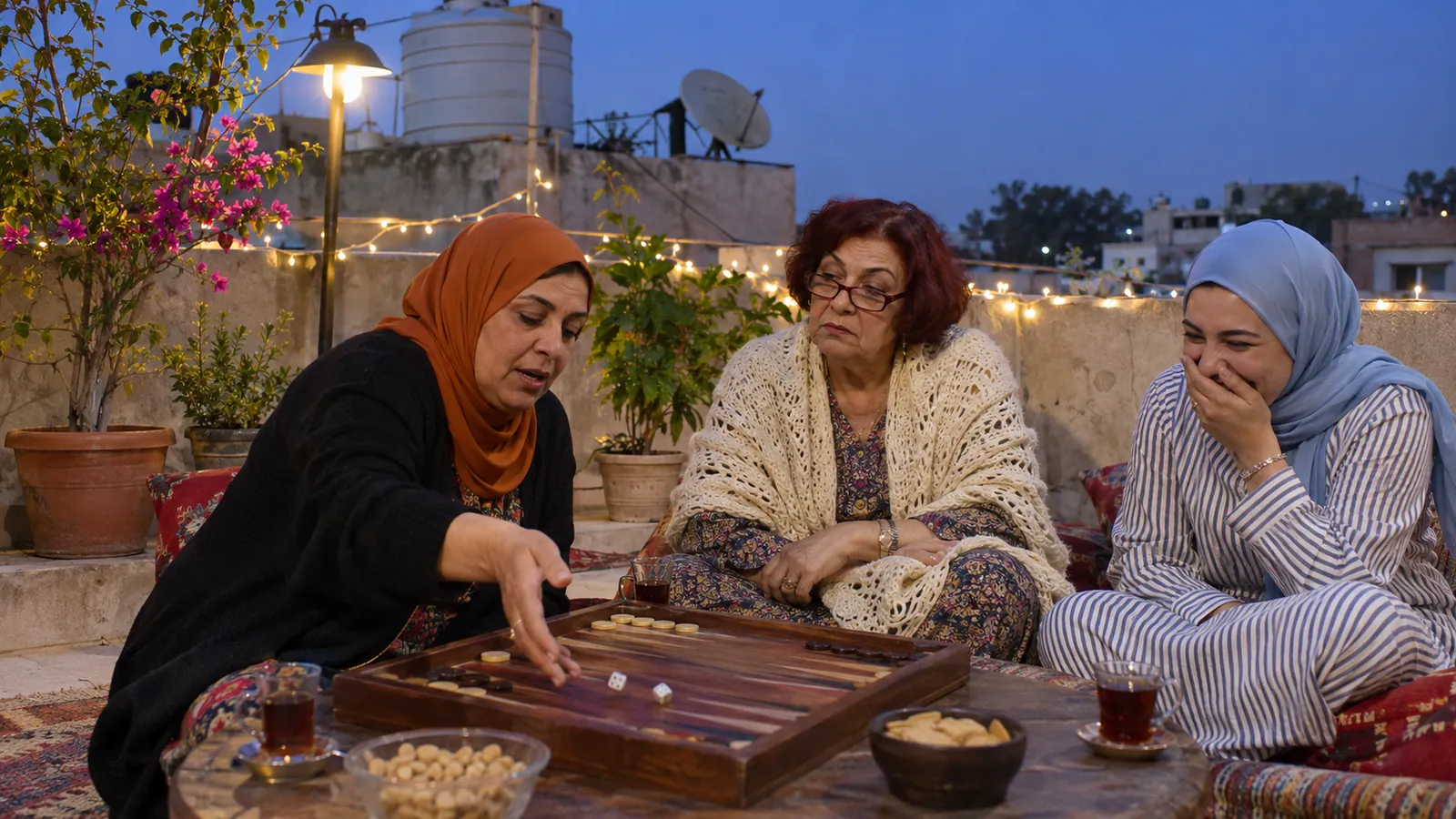 IdeasBoard games and tawla nights in Cairo: how a table of strangers becomes a weekly circle
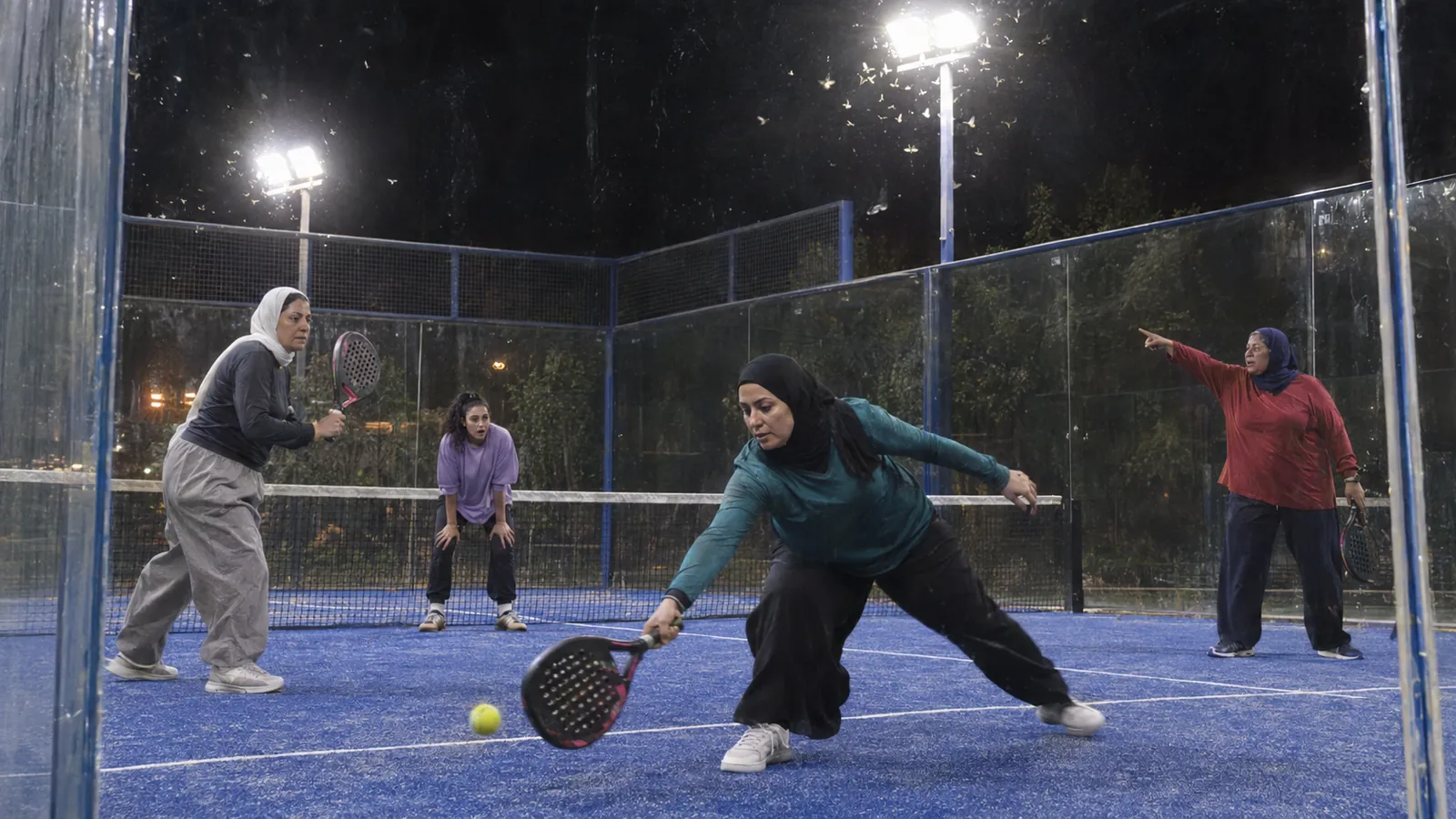 IdeasPadel in Cairo: how a weekly game turns strangers into friends
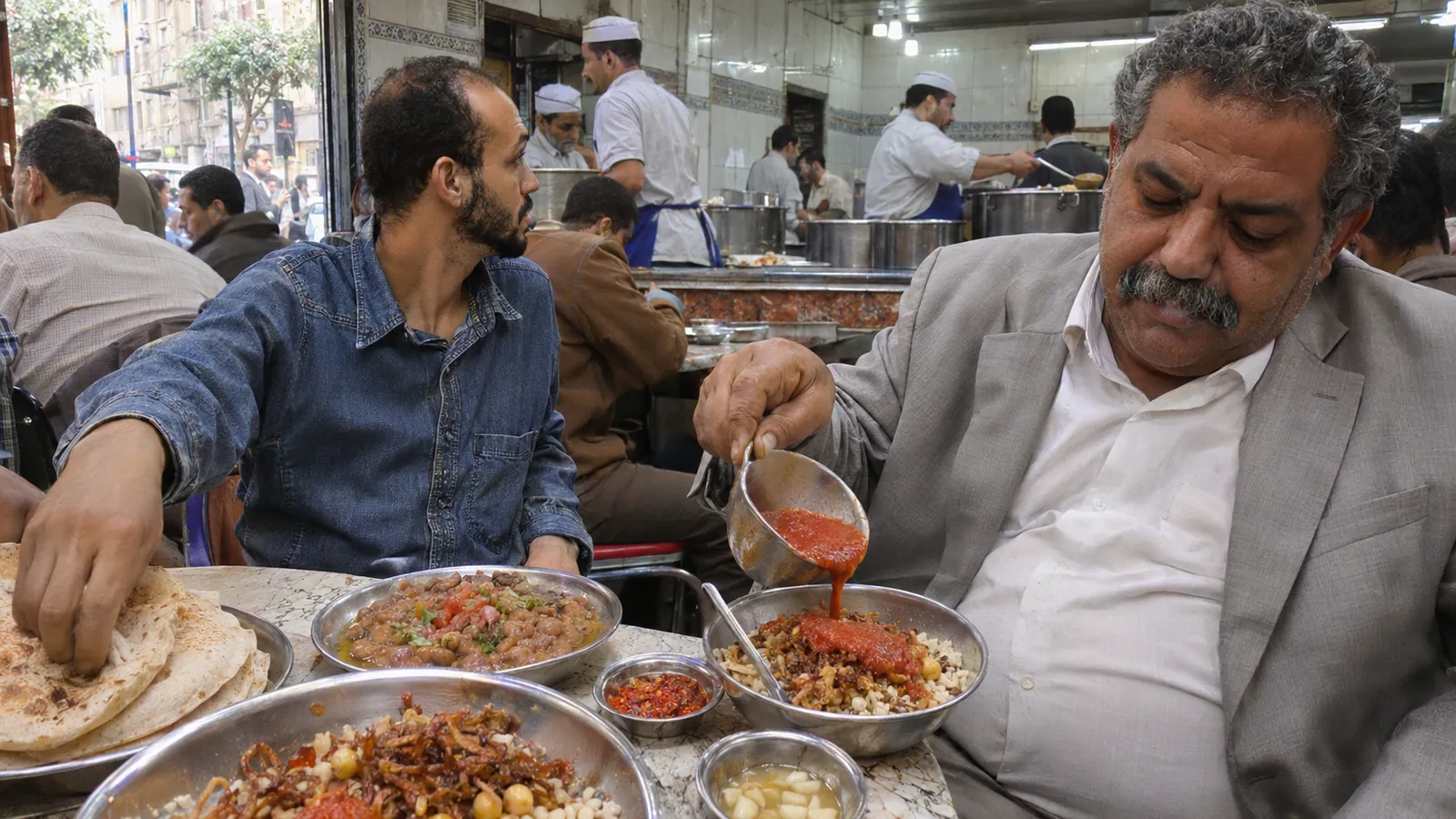 IdeasEating through Cairo with friends: koshary, ful and the joy of a shared table
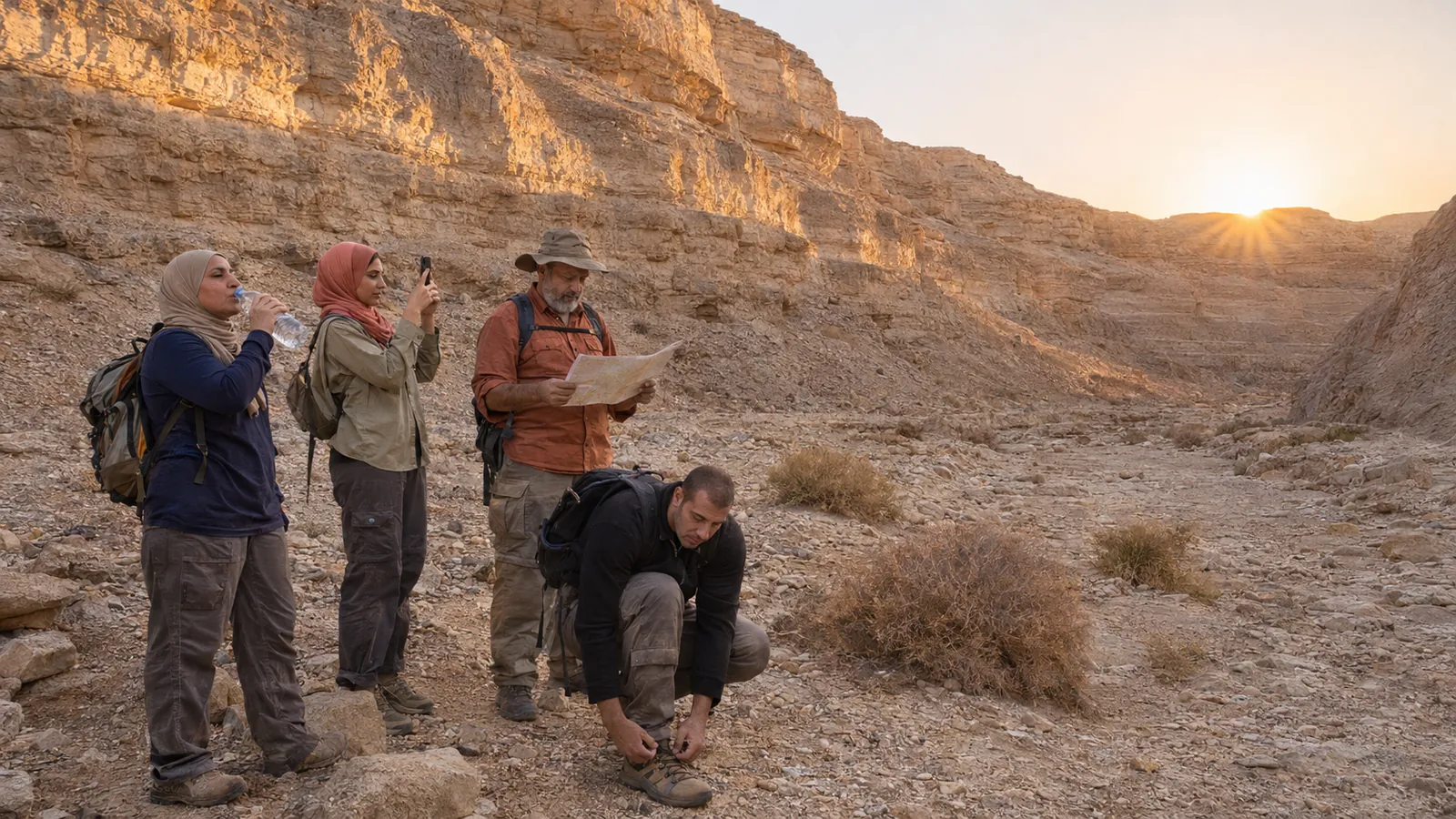 IdeasDesert and Fayoum trips from Cairo with friends: Wadi Degla, Wadi El Rayan and sunrise in the sand
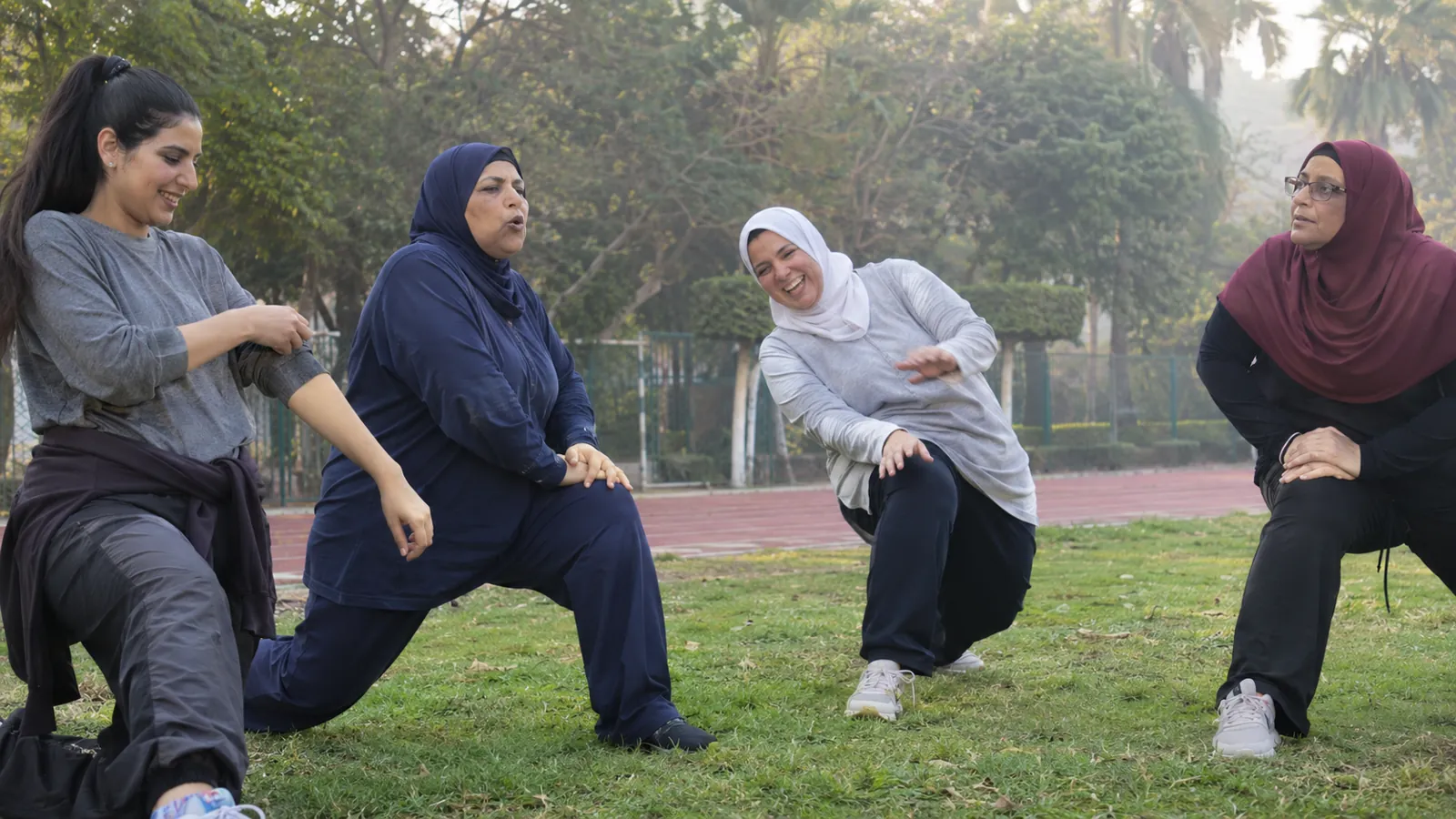 FriendshipMaking friends in Cairo as a woman: comfortable places, small groups and a steady routine
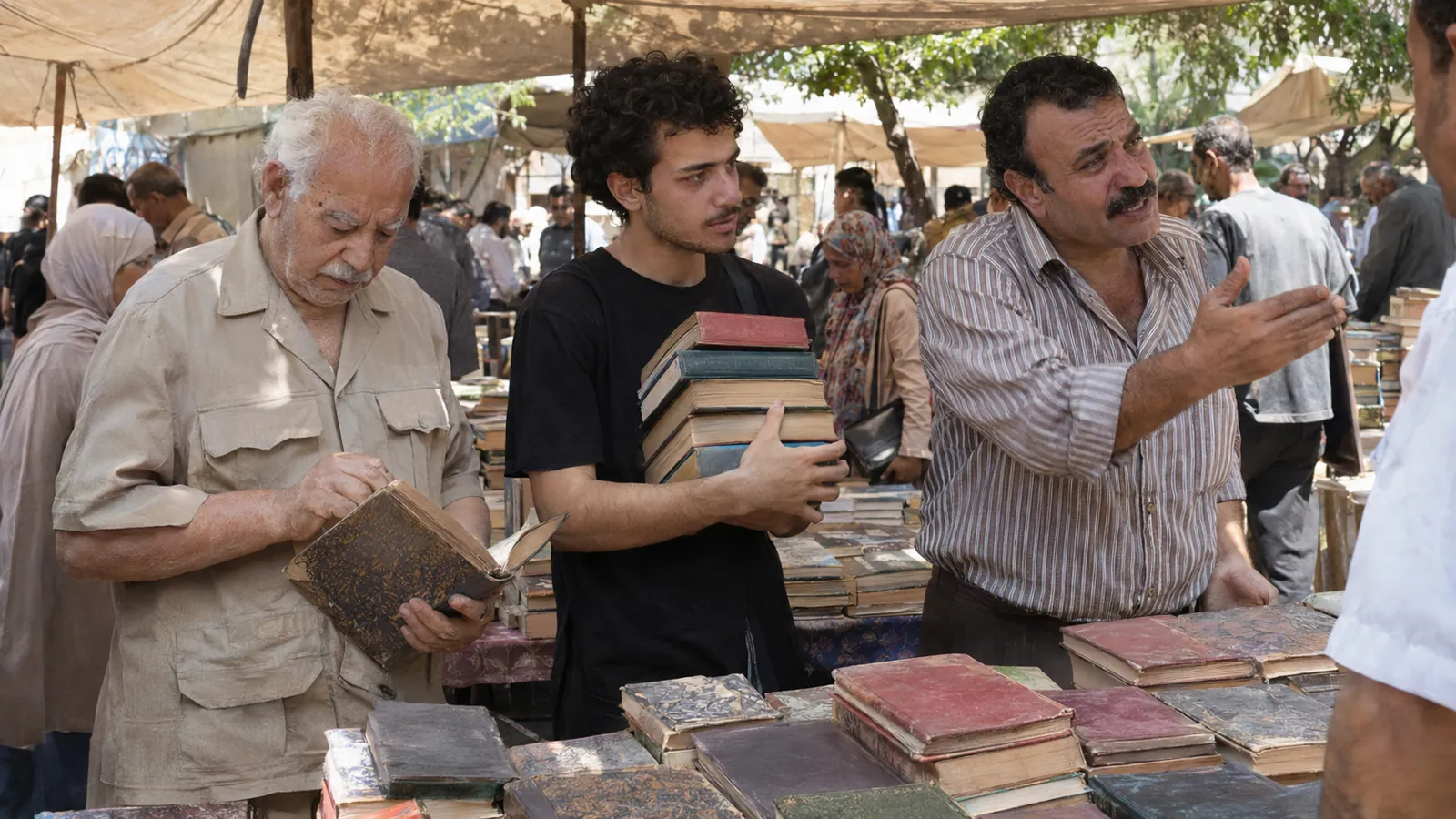 IdeasBook lovers in Cairo: bookshops, the Book Fair and the friends a shared book brings
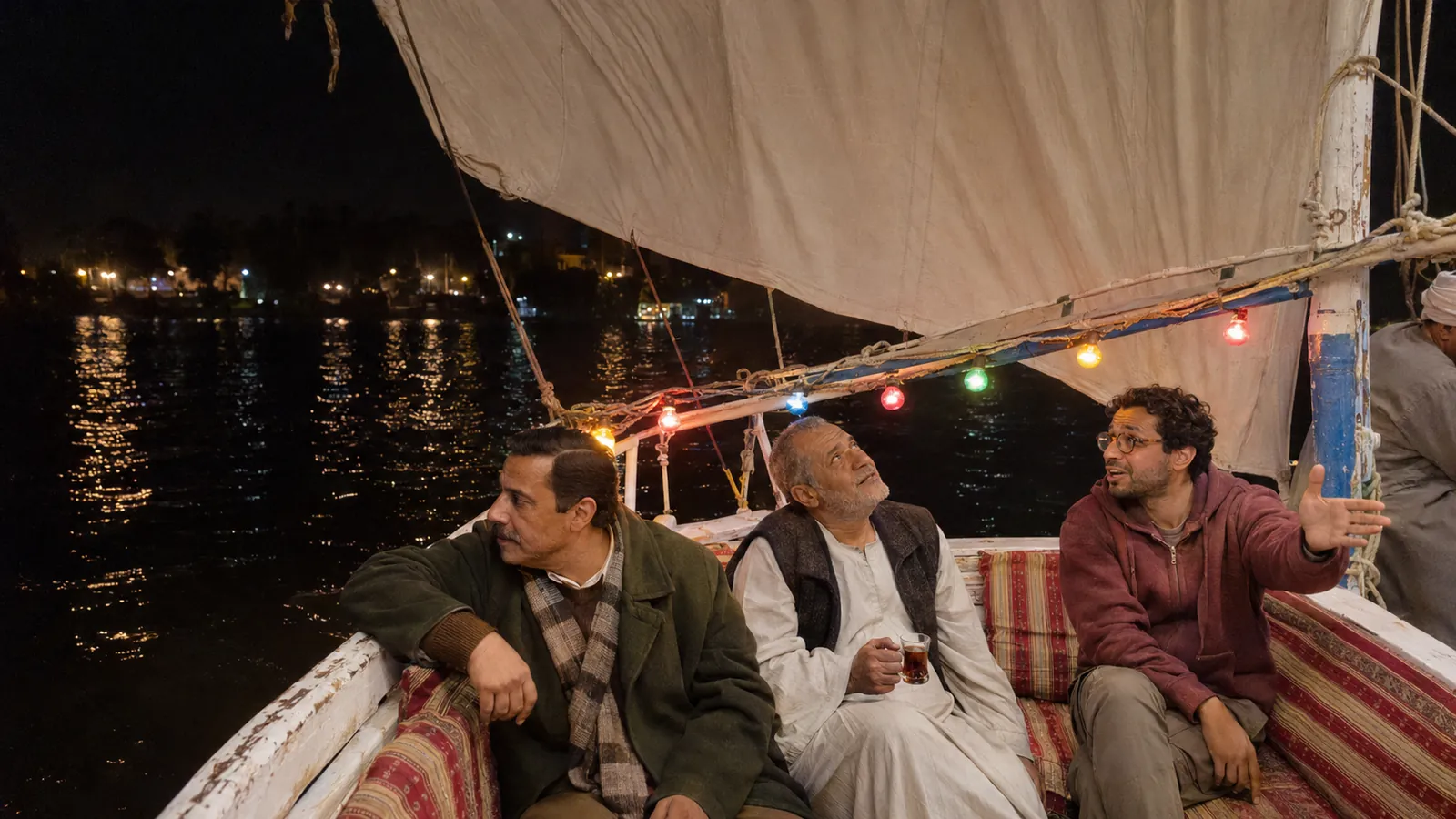 IdeasNile Corniche walks and a felucca with friends: why the same walk builds friendship
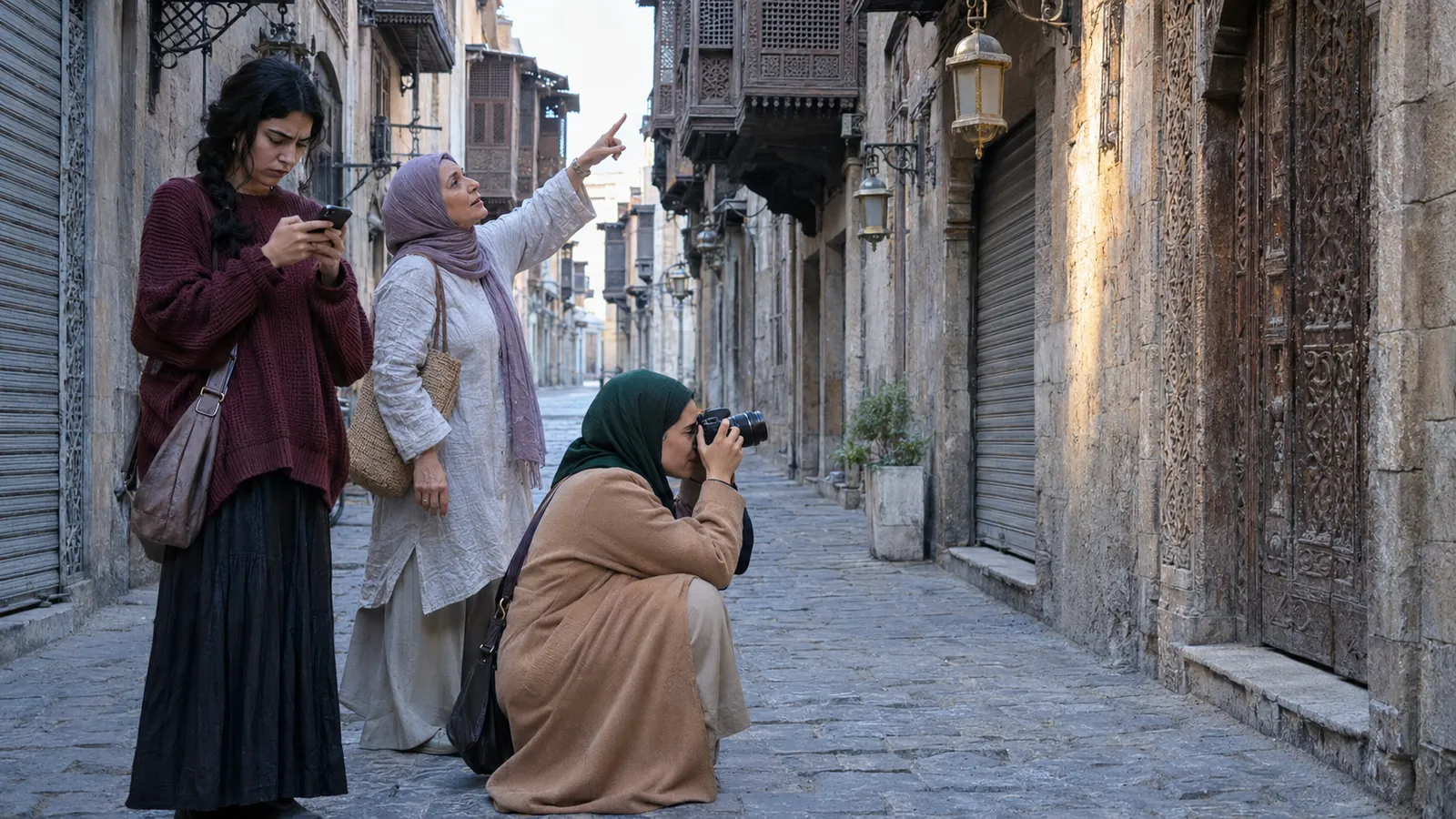 IdeasEl Moez Street and old Cairo with friends: history, photos and food in a small group
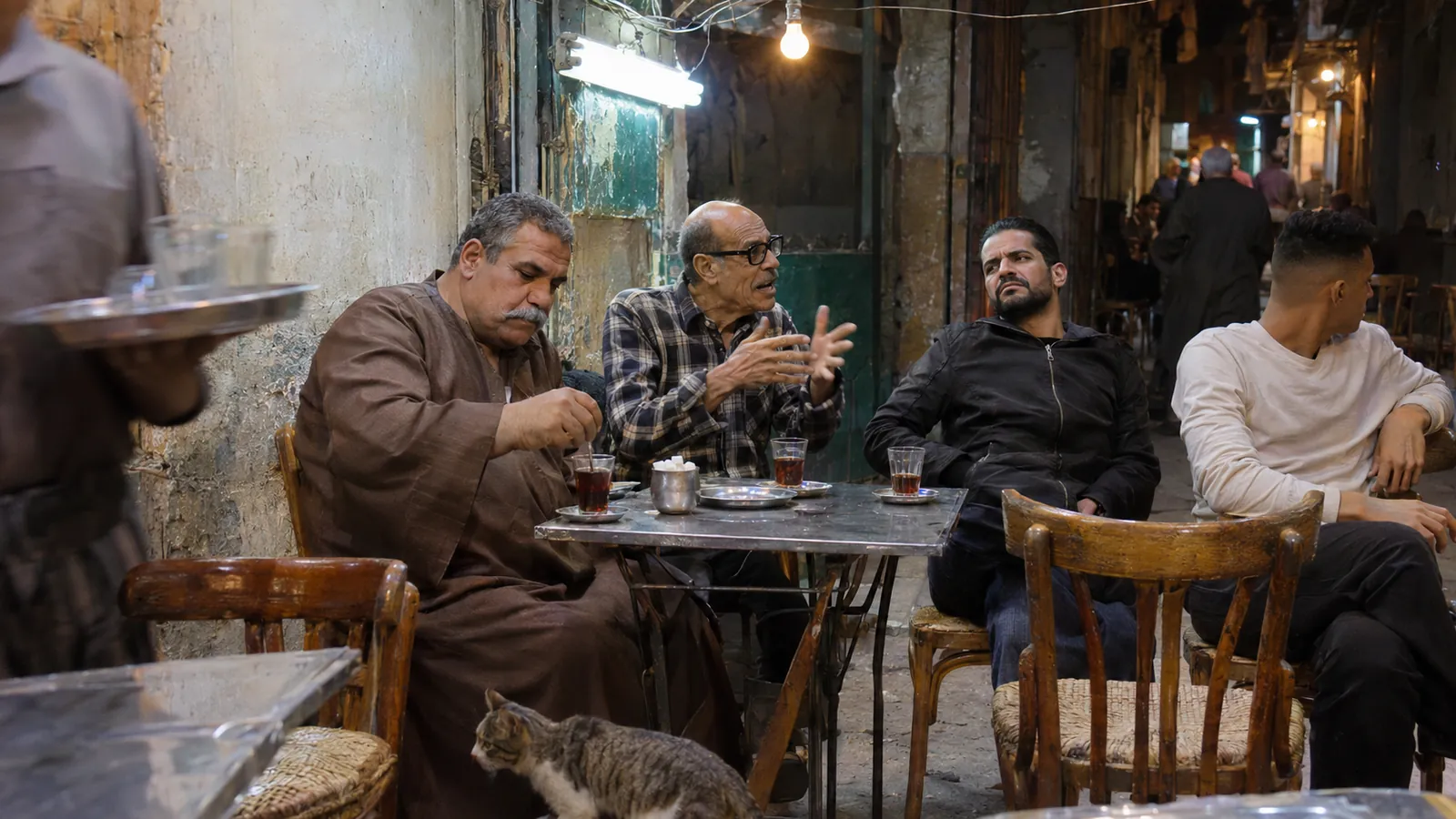 IdeasCairo’s ahwa and café culture: where friendships form over tea and tawla
 New in townNew in Cairo: how to build a social life in your first months
 FriendshipHow to make friends in Cairo as a grown-up
 NewsTruFriend is now open in Cairo