Yousef grew up in Jabriya, went to university in the city and spent most of his twenties with the same group of friends, all of whom lived within a short drive of one another. Then his job moved south. He took a flat in Mangaf so he would not spend two hours a day on the Fahaheel Expressway, and for the first months it felt like a sensible decision. His friends were still his friends. They still had a group chat, and they still had a standing plan on Thursday evenings at a café in Salmiya.
The plan began to die quietly. Not in an argument, but in messages. “Traffic is terrible, start without me.” “I’ll come next week.” “Too late now, it’s already nine.” Every Thursday Yousef looked at the map on his phone, saw the red line stretching north, and stayed home. Within a year he realised that he knew the people in his building by sight and nobody in his area by name, while his real friends were forty minutes away on a good night. He had not lost them. He had simply moved out of reach of the ordinary, repeated meetings that friendship lives on.
In Kuwait, distance is counted in minutes
Kuwait is not a big country, and on a map almost everything looks close. Anyone who drives here knows the map is not the whole story. At quiet hours you can cross from Salmiya to Kuwait City in a short drive. At five o’clock on a weekday, or on a busy Thursday evening, the same journey along the ring roads can take far longer, and nobody can promise how long. Distance in Kuwait is measured in minutes of traffic, and those minutes change with the hour.
That has a direct effect on friendship. A plan that needs a long drive has to compete with work, family, tiredness and the weather, and it often loses. A plan that is ten minutes away survives a long day. Friendship is built far less on grand evenings than on small meetings that happen again and again, and small meetings only repeat when they are easy to reach.
So the question “Where should I make friends?” in Kuwait often has a simple first answer: close to where you already are. Not because people across the city are less interesting, but because the people near you are the ones you can actually see every week.
Every area has its own rhythm
Part of the work is learning what your own neighbourhood offers. Each area has a different character, and each makes different kinds of meeting easy.
Salmiya is busy, mixed and full of places to sit. Salem Al Mubarak Street, with its shops and cafés, and the sea front along the Gulf Road give people a reason to be out in the evening, and residents from many countries live side by side. For someone who lives there, a café plan or an evening walk by the water takes almost no organising, which is exactly what makes it repeatable.
Kuwait City is where many people work, so its social life follows the working day. After-work coffee near the office, a walk in Al Shaheed Park, an evening in the older streets around the souq. For people who live elsewhere, the city centre is often a better place to meet colleagues straight after work than a destination to drive back to at the weekend.
Hawalli is dense and central, with a large community of residents from across the Arab world and beyond, and plenty of small restaurants and everyday cafés. Its strength is that so much is within walking distance or a very short drive, which makes a weekly plan realistic even for people without much free time.
Jabriya and Mishref are calmer and more residential, with family homes and neighbourhood life built around the local co-operative society, mosques, schools and the walking paths that many areas have. Social life here tends to happen at home and with family. For someone new to such an area, the walking path and the co-op are often the first places where the same faces start to become familiar.
Mangaf and Fahaheel, in the south, are home to many families who work nearby, including in the oil sector around Ahmadi. Fahaheel has its own waterfront and its own malls, including Al Kout on the sea, so people who live in the south do not need to drive north for an evening out. For Yousef, that turned out to matter more than anything else.
Why the nearby friend usually wins
Social researchers noticed decades ago that people are far more likely to become friends with those who live and work nearby, simply because they cross paths more often. It sounds obvious, but its consequences are not. Most of us choose where to live for the rent, the school or the commute, and then expect our friendships to stay where they were. Over time, the nearby life tends to win.
There is a second reason. A widely cited study by the communication researcher Jeffrey Hall at the University of Kansas suggested that it takes many hours spent together, roughly fifty, to move from acquaintance to casual friend, and far more to become close friends. You do not collect those hours in one dinner. You collect them in walks, coffees and evenings that keep happening. And the easiest hours to collect are the ones that do not cost you a long drive on either side.
This is good news, not bad. It means you do not need a dramatic change to build a social life. You need a handful of people within a short drive, and a plan simple enough to repeat.
Draw your fifteen-minute map
Here is a practical exercise. Open a map and draw a rough circle around your home: everything you can reach in about fifteen minutes on a normal weekday evening.
Then look at what is inside it. A park or a walking path. Two or three cafés where you could sit for an hour without shouting. A mall with a quiet corner. A padel court, a gym, a library, a community centre. You will usually find more than you expected. Most people in Kuwait live inside a circle that holds everything a small group needs.
Now choose one regular plan inside that circle. A Tuesday walk at eight. A Saturday morning coffee. A board-game evening once a fortnight in a café that does not mind people lingering. The point is not that it is exciting. The point is that it is easy enough to happen even on a week when you are tired, because that is the week that tests whether a friendship survives.
Keep your old friends, of course. The people across the city still matter, and a monthly plan with them is worth protecting, perhaps on a day when the roads are kinder, or at a place halfway between you. But do not let all your social life depend on long journeys. Build a near life and a far life, and let the near one carry the weekly load.
A few habits that make local friendship easier
Meet in public places that suit everyone. Cafés, parks, promenades and malls are natural in Kuwait, and they make it comfortable for people of different backgrounds, and for mixed groups, to meet in a relaxed and respectful way. Keep groups small, three to ten people, so there is room to talk and nobody gets lost.
Choose places with easy parking, and plan around the busy hours. A plan that starts at eight rather than six is often the difference between a relaxed evening and an hour in traffic. Agree an end time, so people with early mornings or family commitments can say yes without worrying.
And be the person who makes the specific invitation. “We should meet up sometime” rarely turns into a plan. “Same café, Saturday at ten?” does, especially when the café is five minutes from everyone’s door.
Yousef started small. He joined a group that walked on Tuesday evenings near the Fahaheel waterfront, and he found a café in Mangaf where three people from that walk began staying on for tea afterwards. By the second month they had a regular table. By the fourth, one of them had introduced him to a weekly padel game ten minutes from his flat. His old friends in Salmiya still see him once a month, on a Friday afternoon when the roads are quiet, and those evenings are better than ever because none of them carries the weight of the whole friendship. He has a life near home now, and it repeats.
Where TruFriend fits
TruFriend is an invite-only friendship platform, for friendship only, for grown-ups aged 18 and over, and it is now open in Kuwait City. Tru, our assistant, asks how far you are happy to travel and when you are usually free, then introduces you to a few compatible people nearby, so your plans fall inside your own fifteen-minute circle rather than across the city. Chats open only when both people say yes, and plans happen in small groups in public places. Circles such as walkers and runners, coffee and conversation, and board games give you the same people, week after week, close to home. If the traffic has been winning, request an invite and we will send you a personal invitation.
Don’t just read about it
Join a circle of people in Kuwait City who enjoy the same things. Members already on TruFriend can join from the app or suggest a plan in any chat.
 Walkers & runnersA friendship circle for people who like evening walks, early runs and park and seafront paths in Kuwait. Find a regular partner at your own pace.
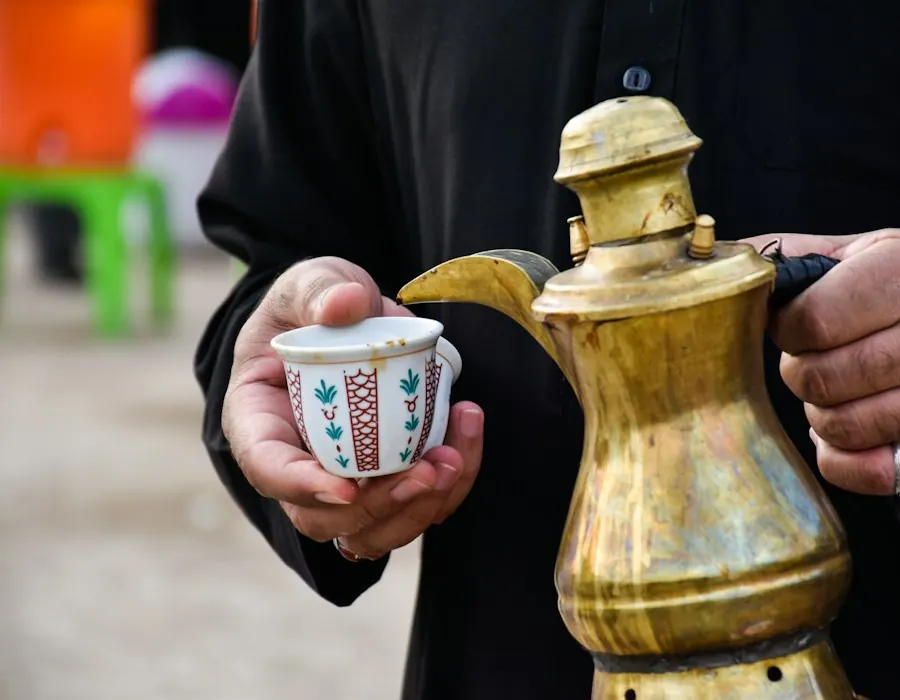 Coffee & conversationA friendship circle for people who enjoy cafés and unhurried conversation in Kuwait. Low-pressure first meetings, close to home.
 Board games & quizzesA friendship circle for board games, card games and quiz nights in Kuwait. Meet people for friendly competition and easy conversation.
Keep reading
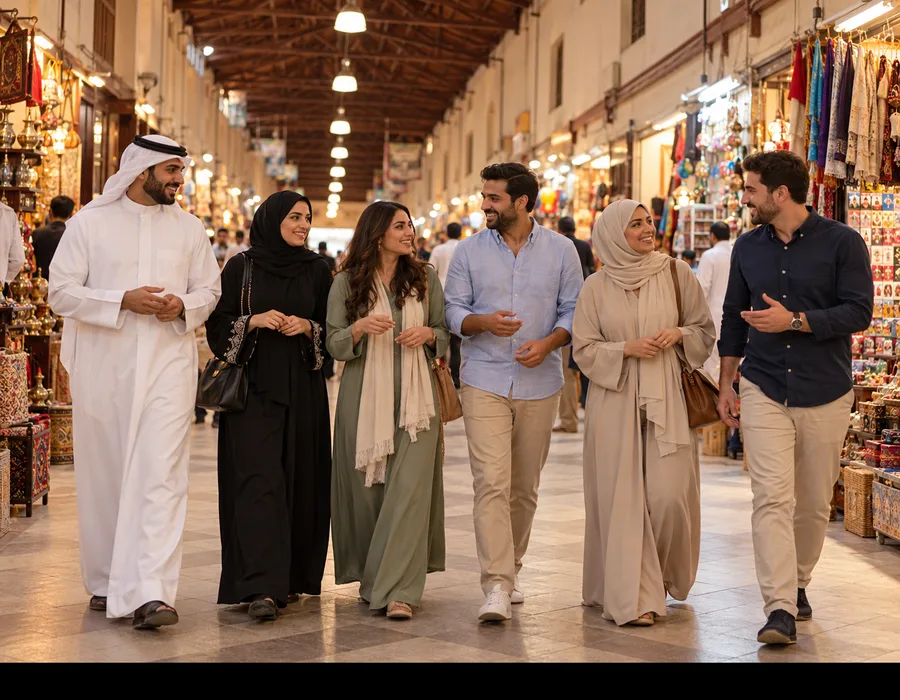 IdeasAn evening in Souq Al-Mubarakiya with new friends
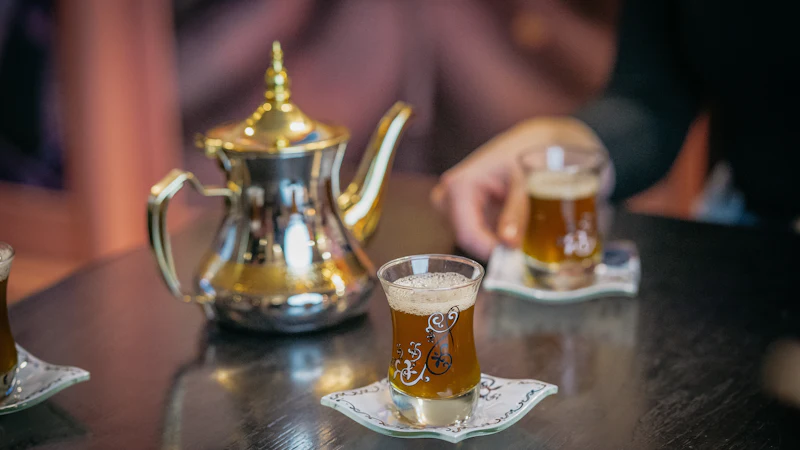 FriendshipWhat the diwaniya teaches about friendship, and how to build your own weekly table
 FriendshipHow to make friends in Kuwait as a grown-up
 IdeasWinter in Kuwait: outdoor plans for a new circle
 IdeasKuwait’s café culture, and where a small group can really talk
 New in townNew in Kuwait: making friends after the move