Salem spent most of last summer walking on a treadmill. He had moved to Riyadh from Abha for a new job, and his evenings had a shape he did not much like: office, car, gym, flat. The treadmill faced a wall of screens, and he listened to podcasts so he would not have to think about how quiet the rest of his week was. He knew people at work, and he liked them, but he had never seen any of them outside the building. One October evening a colleague, Faisal, mentioned that he walked in Wadi Hanifa most Thursdays after Maghrib, and said, almost in passing, that Salem should come. Salem said yes mainly because it was easier than explaining why not.
They walked for about an hour. Faisal talked about his father’s farm near Al Kharj, Salem talked about the mountains at home, and they argued, pleasantly, about football. Nothing remarkable was said. But on the drive back Salem realised he had spoken more in that hour than in the whole of the previous week, and that it had not felt like effort at all. The next Thursday he was the one who sent the message.
Why side by side is easier than face to face
There is a reason so many friendships, in every culture, are built while doing something next to someone rather than sitting across from them. Face to face, a conversation can feel like an interview. Every pause is noticed, eye contact has to be managed, and there is nothing to look at except each other. Side by side, the pressure drops. You both look ahead, at the path, the palms, the light on the water. Silences stop being awkward and become simply part of the walk. People who find a café table hard work often find themselves chatting freely after ten minutes on their feet.
Walking also gives conversation a natural rhythm. A view, a passing family, a cat on a wall or a new building on the skyline is always there to start a new thread when the old one runs out. Topics come and go without anyone having to steer them. And because walking is easy to repeat, it solves the real problem of new friendships, which is not the first meeting but the fifth. A walk needs no booking, costs nothing and can happen in any week. “Same place, same time next Thursday?” is one of the easiest invitations anyone can accept.
There is a gentler benefit too. Walking with someone means you move at their pace. You notice when they slow down, you wait at the crossing, you adjust. It is a small, physical way of paying attention to another person, and over a few weeks it builds the kind of quiet trust that is hard to create over a screen.
Wadi Hanifa, the city’s green spine
If Riyadh has one great walk, it is Wadi Hanifa. The valley runs down the western side of the city, and for decades parts of it were neglected. A long rehabilitation programme by the city’s development authority restored its natural drainage, cleaned its water and planted it with trees, and the project won the Aga Khan Award for Architecture in 2010. Today the valley has long pedestrian paths, parks, small lakes and shaded places to sit, and on a cool evening it fills with families, joggers and groups of friends walking and talking.
Wadi Hanifa is also part of the Sports Boulevard, the project to link the west of the city to the east with paths for walking, running, cycling and riding. Its first phase opened to the public in early 2025, and included a stretch of more than 13 kilometres along the valley, from Al Olab Dam in the north towards Jeddah Road in the south, with pedestrian paths, cycle lanes and rest areas along the way. That gives a walking group plenty of choice: a short, easy loop for a first meeting, and longer stretches for the weeks when everyone wants to go further.
A good habit for a new group is to pick one meeting point and stick to it, so nobody has to search for anyone. Arrive, walk for forty-five minutes or an hour, then stop for coffee or karak before everyone heads home. Time the walk around prayer, after Maghrib or after Isha, so nobody has to choose. And bring your phone for more than navigation: the valley at dusk, with the palms dark against the sky, is one of the loveliest sights in the city, and a photo walk gives quieter people something to do with their hands while the conversation warms up.
Parks in the middle of the city
Not everyone lives near the wadi, and a weekly walk works best when nobody has to drive for forty minutes to join it. The city’s large parks are a good answer. King Abdullah Park in Al Malaz, opened in 2013, is one of the biggest public parks in the country, with a wide pedestrian promenade, a lake and plenty of space to walk without weaving between people. Salam Park, near the old centre of the city, is built around a lake with a walking track of about a kilometre, palm groves and lawns, and has been a favourite with Riyadh families for twenty years. Both are busy in the cooler months, which is exactly what you want for meeting people you do not yet know well.
Parks also suit mixed energy levels. Some members of a group will want to keep walking, while others are happy to do one lap and sit on a bench with a flask of Saudi coffee and some dates. A loop around a lake lets both happen at once: the walkers go round again, the sitters wait, and everyone meets at the same spot at the end. Nobody feels left behind, and nobody feels held back.
The walkway at the end of your street
The most underrated walk in Riyadh is often the nearest one. Many neighbourhoods now have their own mamsha, a paved walking path with lighting, trees and benches, and the municipality has been adding more as part of its work to make the city more pleasant on foot. On any cool evening these walkways are full: older men walking in pairs, mothers with pushchairs, teenagers on their way to the shop, neighbours greeting neighbours.
A neighbourhood walk has one great advantage over any destination: it is so close that it takes almost no effort to keep it going. Twenty minutes after work, a loop before dinner, a walk on a Saturday morning before the day starts. For people who work long hours or have family commitments, a regular walk five minutes from home is far more likely to survive a busy month than an ambitious plan across the city. And it has a way of turning strangers into acquaintances. Walk the same path at the same time for a few weeks and you start to recognise faces, then exchange greetings, then stop to talk.
Making the walk a habit, and keeping it comfortable
The walks that turn into friendships share a few simple features. They happen on a fixed day at a fixed time, so nobody has to organise anything new each week. They have a clear start and end point. They move at the pace of the slowest person. And they finish with something small, such as a coffee or a juice, that gives people a reason to linger for ten minutes and make the next plan.
Keep comfort and safety in mind, especially with people you have only just met. Walk in public places during busy hours, stay on lit paths, and travel there and back on your own so you can leave whenever you like. First walks are easiest in a small group rather than one to one, and many women prefer to start with other women; mixed groups belong in busy public places. Carry water even when the evening feels cool, wear comfortable shoes, and let someone know where you are going. None of this gets in the way of a good walk. It is simply how sensible people meet someone new.
Salem and Faisal’s Thursday walk now has five regulars. One is a neighbour of Faisal’s who saw them setting off and asked where they were going. Another is a new colleague who had just arrived from Jeddah and, like Salem a year earlier, did not yet know anyone outside the office. They walk the same stretch of the wadi, stop at the same coffee stand, and have a running joke about who will be late. Salem has not been back on the treadmill since that first Thursday.
Where TruFriend fits
TruFriend is an invite-only friendship platform, for friendship only, for grown-ups aged 18 and over, and it is now open in Riyadh. Tru, our assistant, learns what you enjoy, which part of the city you live in and when you are free, then introduces you to a few compatible people nearby. A conversation only opens when both of you say yes, and every plan is made for a public place. Circles such as walkers and runners, photo walks and coffee and conversation give you the same small group, week after week, around something you already enjoy. If an evening walk with good company sounds like the habit you have been missing, request an invite and we will send you a personal invitation.
Don’t just read about it
Join a circle of people in Riyadh who enjoy the same things. Members already on TruFriend can join from the app or suggest a plan in any chat.
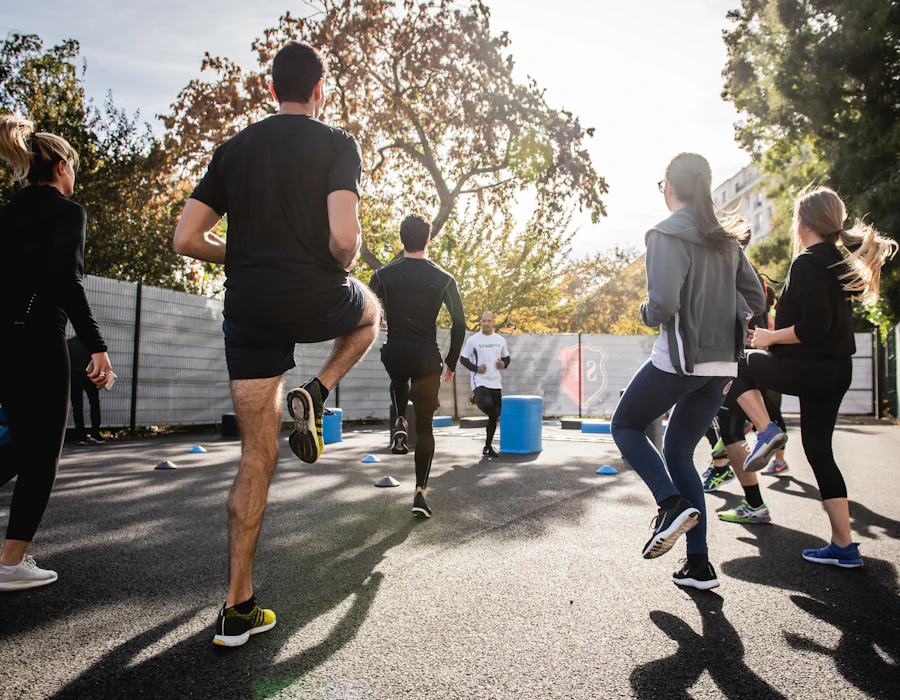 Walkers & runnersA friendship circle for people who like evening walks, early runs and park paths in Riyadh. Find a regular partner at your own pace.
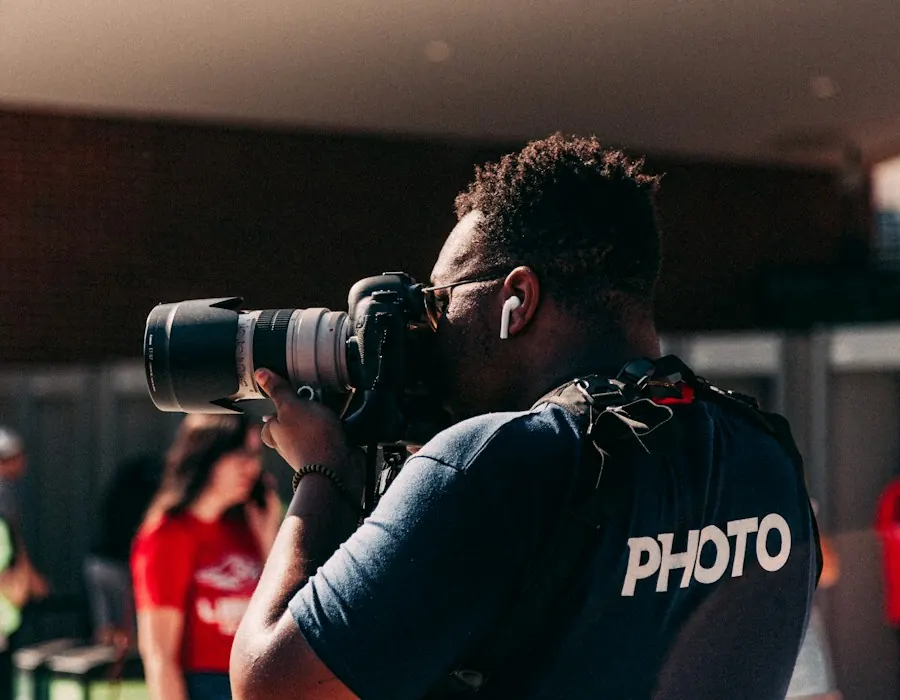 Photo walksA friendship circle for photographers of every level: explore Riyadh’s skyline, historic districts and desert edges together.
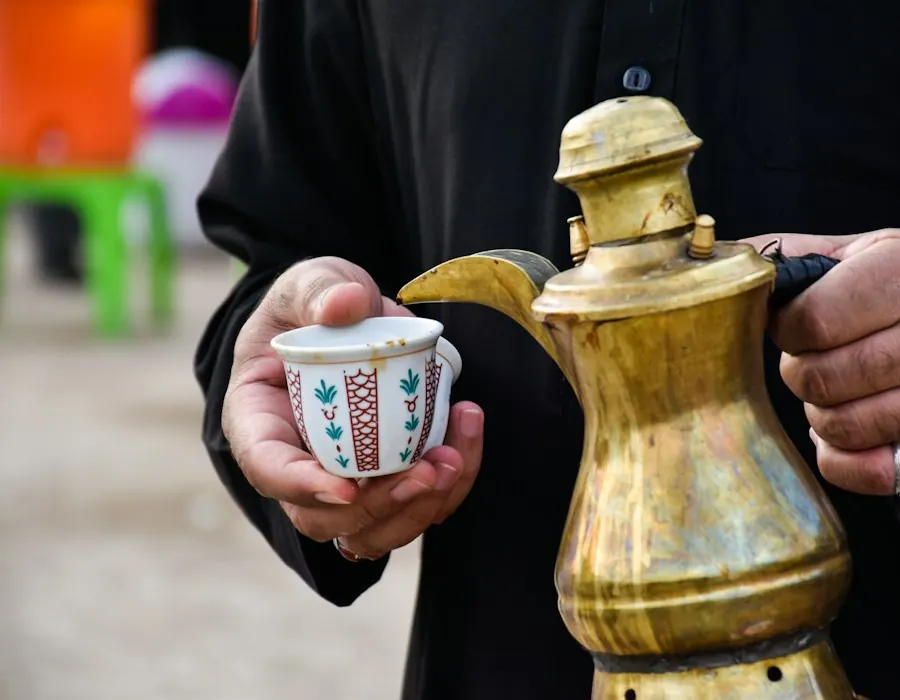 Coffee & conversationA friendship circle for people who enjoy cafés and unhurried conversation in Riyadh. Low-pressure first meetings, close to home.
Keep reading
 CirclesGame nights in Riyadh: how a table of strangers becomes a circle of friends
 IdeasRiyadh Season with friends: how to make a night of it
 SafetyMeeting new friends safely in Riyadh
 FriendshipWhy coffee is the best first meeting in Riyadh, and how to make it count
 FriendshipMaking friends in Riyadh when you work long hours
 IdeasDiriyah with friends: an evening out that feels like an occasion
 FriendshipMaking friends in Riyadh as a woman: where to start
- IdeasWhy padel is Riyadh’s friendship machine
 IdeasYour first Riyadh weekend with new friends: a Thursday-to-Saturday plan
- FriendshipHow to make friends in Riyadh as a grown-up
- New in townNew in Riyadh? How to build a social life in your first three months
- IdeasThings to do with new friends in Riyadh this season