There is a list on your phone. It might be an actual note, or a folder of saved posts, or just a set of places that have accumulated in your head over the months: the museum everyone says is worth it, the hike in Hatta, the old neighbourhood by the Creek that looks nothing like the rest of the city, the game café someone mentioned once. The list is good. Every item on it is a real thing you would enjoy. And most of it has been sitting there, untouched, for a year.
That is the actual condition of a lot of people in Dubai. Not a shortage of things to do — this city has an almost absurd abundance of things to do, as Dubai's own tourism board will happily demonstrate — but a shortage of the one ingredient that makes any of them happen. Nobody writes a guide about that part. So this is a guide about that part.
Why the list stays a list
Think about the last time you actually crossed something off. It almost certainly involved another person. Someone was visiting from home and you finally went up the tower. A colleague said "we're going to Hatta on Saturday, come". A friend booked the padel court and sent you the time. In each case the plan existed before your enthusiasm did, and your job was only to say yes.
Left to yourself, the arithmetic is different. Going alone to a restaurant you have been curious about takes a particular kind of confidence on a Saturday night. Driving forty minutes to a lake at sunrise is a lot of effort for a photograph nobody will ask you about. The things on your list are not hard to do. They are hard to do for no one. The energy that gets you out of the door is almost always social, and when it is missing, the list just grows.
Dubai makes this particular problem worse than most cities do, for reasons that have nothing to do with anyone's character. Almost everybody here arrived from somewhere else, which means almost nobody has the twenty-year friendships that carry the work of organising. People leave: you build something good over a year and then they take a job in Riyadh or move home, and the third time that happens you start holding back without deciding to. The city is physically enormous, so a friend in Mirdif and a friend in Marina are not really in the same city on a weekday evening. And the work culture is genuinely demanding, which leaves a narrow window and a tired person standing in it.
The Saturday that breaks the pattern
Picture how it actually goes when it works, because the shape matters more than the destination.
It is a Saturday in November, one of those mornings when the air has finally turned and stepping outside feels like a reward rather than a decision. You have agreed to meet someone at the Creek at nine. You do not know them well — you have met once, briefly — and on the drive over you have a small, familiar dread about whether there will be enough to say.
Then you start walking, and the thing about walking side by side is that it removes the problem. You are not sitting across a table maintaining eye contact and producing conversation on demand. You are both looking at the same abra pushing across the water, the same men loading cardboard boxes onto a wooden dhow that has probably made the same crossing for thirty years. The silences are not awkward, because there is something to look at during them. You talk about work for ten minutes, the way everyone does, and then about something else, and then about something real.
You cross on the abra, because it costs a dirham and because crossing water together is a small shared event, and on the other side you get lost in the spice souk — and being lost with someone is much better than being lost alone. You are home by one. The whole thing cost less than a cinema ticket. And at some point during it, without anyone deciding anything, the relationship stopped being an introduction and became an acquaintance who might become a friend.
Now notice what made that work, because it was not the Creek. It would have worked at Kite Beach at sunset, or in Alserkal Avenue walking between galleries in Al Quoz, or on the canal path in Business Bay, or on a slow loop around Al Barsha Pond Park. It was short, so nobody was trapped in something that had to be endured. It was public, so nobody had to weigh up safety. It was side by side, so conversation was optional rather than compulsory. And it was near enough that neither person had to treat it as an expedition.
Those four properties are worth more than any list of venues. A first plan that has them will go well in a dozen different places. A first plan that lacks them — dinner, at night, across town, for three hours — can go badly in the best restaurant in the city.
The second time is the one that counts
Here is where most new friendships in Dubai quietly end. The first meeting goes well. Both people mean it when they say we should do this again. And then the week starts, and nobody sends the message.
So be the one who asks, and make it easy to say yes to. Not "we should catch up sometime", which is a sentence that has never once produced a meeting. Something specific and small: there's a quiz at that place on Tuesday, are you around. The Etihad Museum on Friday morning, before it gets busy. I'm walking the canal at six, come if you want. The specificity is the gift — it turns a vague obligation into a single yes-or-no question, and it puts all the organising effort on you, which is exactly where it should be if you are the one who wants the friendship.
And the second plan does not need to be better than the first. Repetition is doing the work here, not novelty. Two coffees in the same café four weeks apart will build more of a friendship than a spectacular one-off desert trip, because friendship is mostly a function of hours accumulated in the same person's company. If you want the numbers behind that, we went through the research on how long it actually takes to make a friend, and the honest answer is: longer than feels reasonable, and much longer than most people give it before deciding it is not working.
The year has a shape, and it helps to use it
Dubai runs on a calendar that most cities do not have, and once you stop fighting it, it becomes useful.
From roughly October to April the city turns inside out. The beaches fill in the evenings, the parks are worth the drive, Hatta stops being a theoretical idea and becomes a plausible Saturday, and the cycle track at Al Qudra is busy at dawn. This is the season for anything that involves being outside for more than twenty minutes, and it is the easiest half of the year to build something new, because there is simply more to say yes to. If you are going to start, start now.
Then summer arrives and everything moves indoors, and this is where a lot of new friendships die of neglect. The default is to go quiet for four months — everyone is travelling anyway, it is too hot to do anything, we'll pick it up in October — and then October comes and the thread has gone cold. The people who come out of summer with their social life intact are the ones who found the indoor version of the same habit: the same board-game night every fortnight, the cinema on a Wednesday, a gallery at Alserkal, the library at Al Jaddaf, padel at ten at night because the courts are covered. It does not have to be exciting. It has to keep happening.
Being a regular is underrated
One more thing about a city this transient: it rewards people who show up in the same place repeatedly, and almost nobody does it.
Go to the same café on Saturday mornings for two months and the staff know your order, and then they know your name, and then you recognise two other people who are always there too. Join a run that meets every Tuesday and you will know a dozen faces by the end of the season without having introduced yourself to anyone. That is how friendship worked before anyone had to think about it — proximity, repetition, low stakes — and it still works. It is just that in Dubai you have to choose it deliberately, because nothing in the way life is organised here will hand it to you.
This is also the quiet answer to the list on your phone. The list is not really a list of things to do. It is a list of things you would like to have shared. You do not need all of it. You need two or three people and a habit, and the list will start emptying itself.
Where TruFriend comes in
This is the problem TruFriend was built for. Not a feed of strangers, and not an events calendar — those already exist and they are not what is missing. What is missing is a small number of people near you who would genuinely enjoy the same Saturday you would, and a reason to meet them that does not depend on either of you being brave.
Tru, our assistant, learns what you enjoy, when you are usually free and how far you are willing to travel, and then introduces you to a few people who fit, with the reasons you might get along. A conversation only opens when you both say yes, so nobody is put on the spot. Plans happen in public places. And circles — coffee, walks and runs, padel, food, books, board games, art, photography, language exchange, and one for people who are new here — give you the repetition that friendship actually needs: the same people, turning up for the same thing, week after week.
It is friendship only, for grown-ups aged 18 and over, and free for founding members while we are small. Request an invite and we will email you a personal invitation.
Don’t just read about it
Join a circle of people in Dubai who enjoy the same things. Members already on TruFriend can join from the app or suggest a plan in any chat.
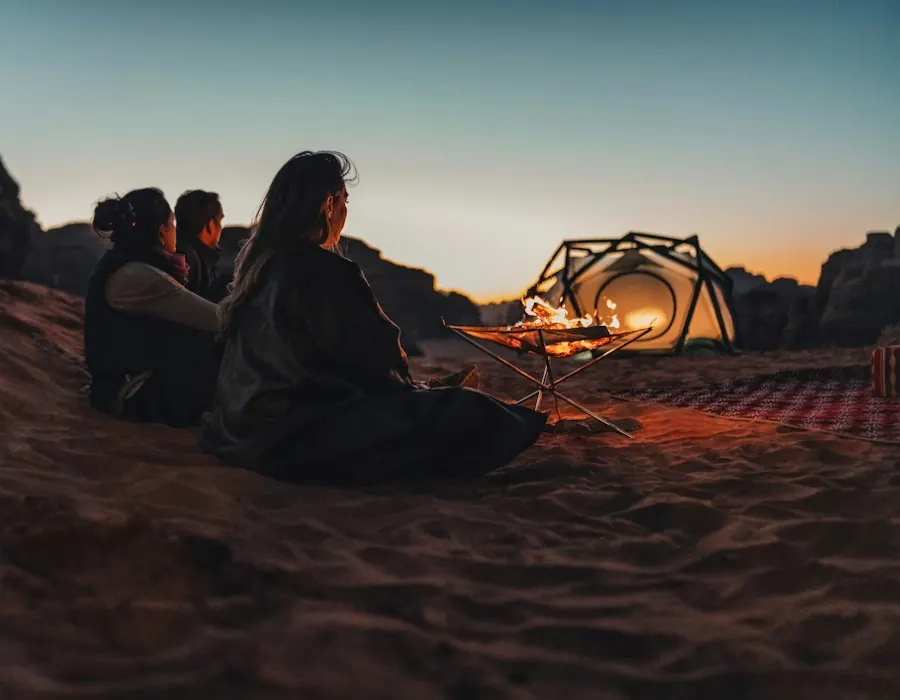 Hiking & outdoorsA friendship circle for hiking, desert trips, cycling and beach days around Dubai and Hatta, especially in the cooler months.
 Food explorersA friendship circle for people who love trying new restaurants, street food and home cooking in Dubai, and would rather explore with company.
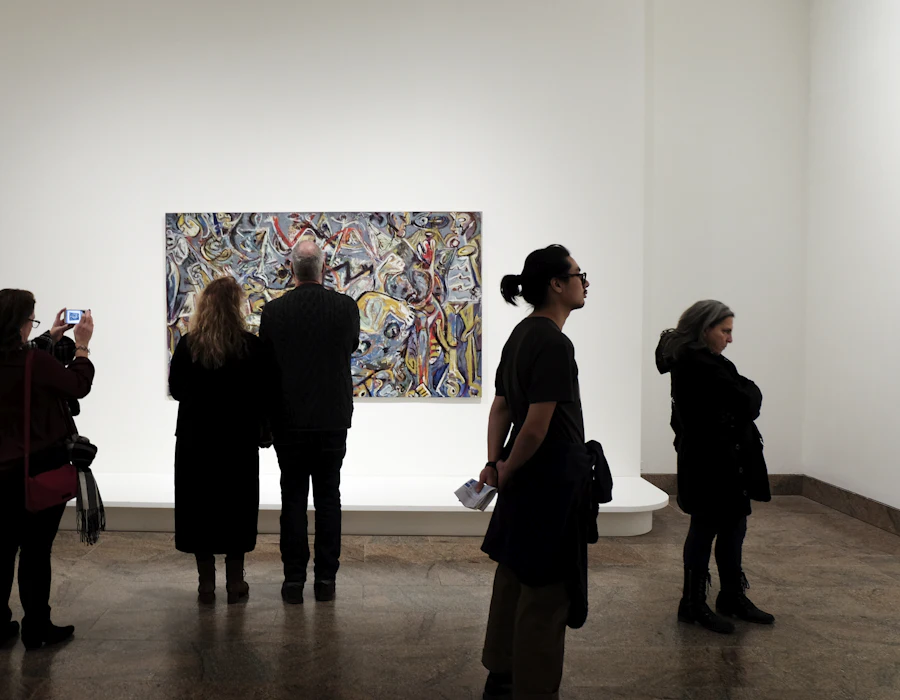 Art & cultureA friendship circle for galleries, museums, cinema, theatre and live music in Dubai. Find people to see shows and exhibitions with.
Keep reading
 FriendshipMaking friends as a couple in Dubai (and keeping friends of your own)
 CirclesWhy a board-game night turns strangers into friends
 FriendshipMaking friends in your 30s and 40s in Dubai, when everyone seems busy
 FriendshipMaking friends in Dubai when you work long hours
 FriendshipMaking friends as an introvert in Dubai
 New in townHow to stay friends when people leave Dubai (and how to keep building your circle)
 IdeasHobbies that help you meet people in Dubai
 ResearchFrom acquaintance to friend: the follow-up habits that matter
- IdeasWalking and running spots in Dubai to explore with a friend
- IdeasThings to do with new friends in Dubai this autumn
- CirclesHow to host a small meetup that people actually come to
- FriendshipHow to start a conversation with someone new (without dreading small talk)
- IdeasWhere to meet people in Dubai when brunch and bars are not your thing
- CirclesWhy joining a circle makes friendship so much more likely
- FriendshipIs it normal to feel lonely in Dubai? What to do about it
- NewsTruFriend is now open in Dubai: real friendships, one good introduction at a time
- FriendshipHow to make friends in Dubai as a grown-up
- New in townNew to Dubai? How to build a social life in your first months
- ResearchHow long does it take to make a friend? What the research says
- SafetyHow to meet new friends safely in Dubai