
Sophia arrived at Penn Station with two suitcases, a new job at a publishing house in Midtown and a list of advice from her mother that was longer than her employment contract. She had visited New York twice as a tourist, but visiting and living are different things. For the first few weeks, her life was a straight line between a small rented flat in Upper Manhattan and the office, broken only by long evenings scrolling on her phone. She knew the landmarks. She did not know a single person she could call on a Saturday.
The change came from a small decision. A colleague mentioned that a few people from different departments met on Saturday mornings at the Union Square Greenmarket, wandered the stalls, bought something they had never tried and then ate it together on the steps of the square. Sophia went along to the first one almost reluctantly. They tasted cider doughnuts, argued cheerfully about whether a bagel can ever be too big, and agreed to try a different neighbourhood’s food each month. Three months later, those Saturdays had become the backbone of Sophia’s social life, and New York had started to feel like home.
The first months are the hardest
Every year, a great many people move to New York. Some come from other states for university or a first job. Others come from across the world, for work, for study or to be closer to family. Whatever the reason, almost all of them describe the same pattern. The first weeks are full of excitement and practical tasks: finding a flat, learning the subway, opening a bank account, understanding the rhythm of the city. Then the tasks are done, and the quiet arrives.
That quiet is normal, and it is not a sign that you made the wrong decision. Building a social life from nothing takes time anywhere, and in a city where so many people work long hours and already have established circles, it can take a little longer. The good news is that New York is a city of arrivals. A large share of the people you pass on the pavement came from somewhere else too, and most of them remember exactly how those first months felt.
Choosing your neighbourhood
Where you live in New York shapes your social life more than almost anything else, because the subway map decides how easily you can see people. Each part of the city has its own character.
Lower Manhattan, from the Financial District to Greenwich Village, is dense and walkable, with Washington Square Park, Battery Park and the Hudson River Greenway close at hand. Midtown and Upper Manhattan stretch from the busy streets around Bryant Park to the quieter, greener neighbourhoods near Central Park, Riverside Park and Fort Tryon Park. Brooklyn is a world of its own, with Prospect Park at its heart, the Brooklyn Museum and Botanic Garden nearby, and neighbourhoods that feel like small towns. Queens is one of the most diverse places on earth, where you can hear dozens of languages on a single street and where Flushing Meadows Corona Park and the Queens Museum make easy weekend plans. The Bronx has the New York Botanical Garden, the Bronx Zoo and wide green parks, and Staten Island offers a calmer pace and that famous free ferry ride.
No area is the right answer for everyone. The useful question is simple: where will you spend most of your time, and how long is the journey from where you sleep? A shorter commute gives you more evenings, and evenings are when friendships are made.
Food is the easiest way in
If there is one thing almost every New Yorker loves to talk about, it is food. Ask three people where to find the best bagel, the best dumplings or the best slice, and you will start three long and passionate conversations. For a newcomer, that is a gift. Food gives you something to explore, something to share and something to argue about without any risk.
Markets are a natural starting point. The Union Square Greenmarket and other farmers’ markets across the boroughs bring together growers, bakers and cooks every week, and wandering them in a small group is easy and relaxed. A food tour of a single neighbourhood, such as the streets around Flushing in Queens or Arthur Avenue in the Bronx, can fill a whole afternoon with tastes and stories. Groups that eat together tend to come back together.
Sophia noticed something else on those Saturdays. Talk about food quickly turns into talk about home. One person describes her grandmother’s bread in Puerto Rico, another the morning market in his home town in Korea, a third explains why nothing here tastes like his mother’s cooking in Georgia. In those small stories, people get to know each other far faster than in conversations about work. “Where are you from?” becomes the start of a story rather than the end of a chat.
Culture is open to everyone
New York’s museums, libraries and public spaces are some of the best places in the world to meet people who share your curiosity. The Metropolitan Museum of Art, the Brooklyn Museum and the Queens Museum all reward a slow afternoon. The New York Public Library and its many branches hold free talks, classes and reading groups. In the warmer months, free concerts and outdoor films in the parks bring neighbours together on the grass.
For a newcomer, the trick is to treat these places not only as sights to tick off but as somewhere to return to with the same few people. A museum visited once is a nice afternoon. A museum visited every month with the same small group is the start of a tradition. With every visit the group finds a new gallery, returns to a painting it loves and discovers something new to disagree about, kindly.
Keep one fixed point in your week
The most common mistake newcomers make is waiting until they feel settled before building a routine. It works better the other way round. Choose one fixed point in your week, a Saturday market, a Sunday walk, a Wednesday reading group, and protect it. Even if the first few times feel awkward, the routine itself does the work. People begin to recognise you. You begin to recognise them. Within a couple of months, there are faces you look forward to seeing.
Be the one who asks
Many newcomers wait to be invited. In a busy city, that can mean waiting a long time, not because people are unfriendly but because everyone assumes someone else has already reached out. Being the one who asks feels uncomfortable at first, and it is almost always welcome. A short message such as “A few of us are walking the High Line on Sunday afternoon, would you like to join?” is how many lasting friendships begin.
It also helps to say yes to the invitations that do come, even the small ones. A colleague’s suggestion of lunch in Bryant Park, a neighbour’s mention of a free talk at the local library, a classmate’s plan to see an exhibition on Sunday: each one is a door. Newcomers who build a social life quickly are rarely the most outgoing people in the room. They are simply the ones who keep saying yes, keep turning up and keep following up the next day.
Comfort and common sense
Meeting new people in a new city should feel comfortable. Choose busy public places, such as parks, museums, libraries and markets, especially the first few times, and keep plans to daytime and early evening. Let someone know where you are going. Make your own way there and back so you can leave whenever you wish. Never share money or sensitive personal details with someone you have only just met, and remember that in an emergency the number is 911.
How TruFriend helps newcomers
TruFriend is now open in New York, and its New in New York circle is made for exactly the months Sophia went through. It is an invite-only platform for friendship only, for grown-ups aged 18 and over. Tru, our assistant, learns what you enjoy, which part of the city you live in and when you are usually free, then introduces you to a few compatible people nearby, including other newcomers who understand what the first months are like. A conversation only opens when both of you say yes, and every plan happens in a public place.
The Food explorers circle suits anyone who wants to taste their way through the five boroughs, and the Art and culture circle brings together people who would rather spend Saturday afternoon among paintings than on the sofa. Groups are small, from three to ten people, so you see the same faces again, and a newcomer’s first plan can quietly become a weekly habit.
Sophia still goes to the Greenmarket on Saturday mornings. Now she is the one who tells new arrivals which stall has the best apples. If you have just moved to New York and would like to build a circle of your own, request an invite and we will send you a personal invitation.
Don’t just read about it
Join a circle of people in New York who enjoy the same things. Members already on TruFriend can join from the app or suggest a plan in any chat.
 New in New YorkA friendship circle for grown-ups (18+) who have recently moved to New York: settle in, explore the city and build a social life with others doing the same.
 Food explorersA friendship circle for people who love trying new restaurants, street food and dishes from around the world in New York.
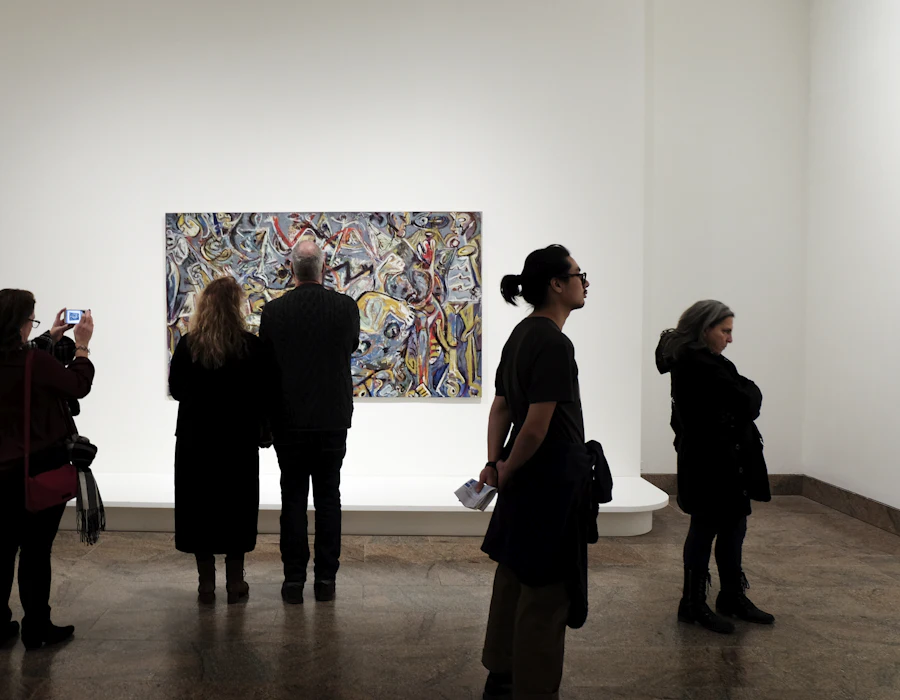 Art & cultureA friendship circle for galleries, museums, cinema, theatre and live music in New York. Find people to see shows and exhibitions with.