Sara moved to Riyadh on a Sunday in February. By the following Thursday she had a desk in an office tower on King Fahd Road, a flat in Al Yasmin, a car she was still nervous about driving, and a phone full of people she had met exactly once. Everyone was welcoming. Colleagues invited her to lunch, a neighbour sent a plate of dates, a woman at the gym told her about a running group. And yet, three months in, she noticed something odd: she had a lot of people to say hello to and nobody to call on a quiet Friday afternoon.
If that sounds familiar, you are in very large company. Riyadh is one of the fastest-growing capitals in the world. New companies, new districts and new projects arrive every month, and so do the people who work in them, from other Saudi cities and from everywhere else. A huge share of the city is, socially speaking, starting over. The good news is that friendship is not luck. It runs on a few simple conditions, and once you can see them you can build them into your week.
What friendship actually needs
Strip away the mystery and friendship needs three things: seeing the same people again and again, in a setting where talking comes naturally, for long enough that familiarity turns into trust. At school and university those conditions arrived by themselves. You sat in the same room as the same people every day for years.
Grown-up life takes that machinery away. Work is busy and often split between office and home. The gym is a room full of headphones. You can live in a compound or a building for a year without learning a neighbour's name. None of this means people have become less friendly, and Riyadh is a warm, hospitable city by any measure. It means the repeated contact that friendship runs on has to be arranged on purpose.
Pick two or three things and keep going back
The most common mistake in a new city is variety. A padel session one week, a networking event the next, a café opening after that. You meet thirty pleasant people once each and end the month with thirty acquaintances. Thirty single meetings do not add up to one friendship. Six meetings with the same four people very often do.
So choose a small number of things you would enjoy even if nobody spoke to you, and commit to them for two or three months. A weekly padel game at the same club and the same hour. An evening walk on the same stretch of Wadi Hanifah or the Sports Boulevard. A book club, a language exchange, a volunteering shift, a board-game night. The first few weeks feel unproductive: you arrive, nod at people and go home. Somewhere around the fourth week something shifts. Someone saves you a spot. You walk to the car park together. The conversation starts before the activity instead of after it.
That shift is the whole return on the investment, and most people give up one or two weeks before it arrives.
Let the city's rhythm work for you
Riyadh has a rhythm that newcomers take a while to read. For much of the year the evenings, not the mornings, are the social hours: from October to April the air after sunset is soft and dry, and parks, walkways and cafés fill up long after dinner. In the heat of summer, social life moves indoors and later still. The weekend is Friday and Saturday, and many people keep Friday mornings quiet and Friday evenings for family.
Build your regular plans around that rhythm rather than against it. A weekly walk at nine at night in November is completely normal here. A weekday coffee after sunset is easier to keep than a lunch squeezed between meetings. And the distance matters more than people admit. Riyadh is a large city built for cars, and a forty-minute drive across it on a Thursday evening quietly kills plans that a ten-minute one would have kept alive. Nobody ever says the drive was the reason. It just feels like you both got busy. Choose people and places near your home, your work or your usual route, and your new friendships will survive the weeks when life gets full.
Make the small, specific ask
"We should meet up sometime" has never produced a meeting. It sounds friendly and commits nobody. The version that works is small and specific: "I play padel at the club near Hittin on Tuesday at eight, want to join?" "I'm walking the Boulevard trail on Saturday evening, come along." "Coffee near yours on Thursday after work?"
Specific invitations turn an open-ended obligation into a single yes-or-no question, and they quietly offer to do the organising, which is the real favour. Keep the first one short. An hour with a natural ending is much easier to accept than an open evening, especially from someone you have met twice.
Be the one who asks, and follow up
Almost everyone is waiting for someone else to suggest something. They would come if invited. They will not invite you, not because they do not like you, but because asking feels exposing and most people avoid it for as long as they can. That means the role is available, and whoever takes it ends up with the circle.
The follow-up is where most new friendships quietly end. The first meeting goes well, both of you say "let's do this again", then the week starts and nobody writes. Send the message within a few days while there is still something to refer back to. "That was fun, same time next week?" is enough. It is the difference between a pleasant evening and a friendship.
Start in groups, then go one to one
Meeting several people at once is far less exposing than meeting one. Nobody has to carry the conversation, and you get to see who you naturally drift towards. Riyadh has plenty of small, regular groups for exactly this reason: running and cycling groups, padel ladders, book clubs, hiking groups heading to the Tuwaiq escarpment in the cooler months.
But a group is where friendships begin, not where they deepen. At some point you have to invite one person to something with just you. That is the moment an acquaintance becomes a friend, and it belongs to whoever is willing to say it first.
Be a regular somewhere
There is an old idea in sociology called the third place: somewhere that is neither home nor work, where you go often enough to be known. For many people in Riyadh it is a particular café, a particular court or a particular mosque, where the same faces appear at the same hours. Being a regular somewhere is underrated. The barista who remembers your order introduces you to the man who always sits by the window. The coach at the padel club pairs you with someone new. Small, repeated familiarity creates openings that no app or event can manufacture. Choose your place and go often enough that your absence would be noticed.
Give it the time it needs
Research by Jeffrey Hall at the University of Kansas (summary here) suggests it takes a substantial number of hours together before an acquaintance becomes a friend, and many more before they become a close one. We went through the numbers here. Spread over weekly meetings, that is months, not weeks.
This matters because of what people tell themselves along the way. Meeting someone three times and still feeling polite rather than close is not a sign it is failing. That is exactly what the middle of the process feels like. The people who end up with a real circle are rarely the most charming. They are the ones who kept turning up.
Where TruFriend fits
All of this is harder when you do not know anyone to start with. That is the gap TruFriend is built for. It is not a feed of strangers and not an events listing. Tru, our assistant, gets to know what you enjoy, when you are usually free and how far across Riyadh you are happy to drive, then introduces you to a few people nearby who fit, with the reasons you might get along. A conversation only opens when both of you say yes. Plans happen in public places. And circles exist to supply the repetition friendship depends on: the same people, around one shared interest, week after week.
Sara, by the way, found her people in the end. A Tuesday padel game that became a Tuesday dinner, and a walking group that now argues happily about which café on the route is best. It took about four months. It usually does.
TruFriend is for friendship only, for grown-ups aged 18 and over, and free for founding members. Request an invite and we will email you a personal invitation.
Don’t just read about it
Join a circle of people in Riyadh who enjoy the same things. Members already on TruFriend can join from the app or suggest a plan in any chat.
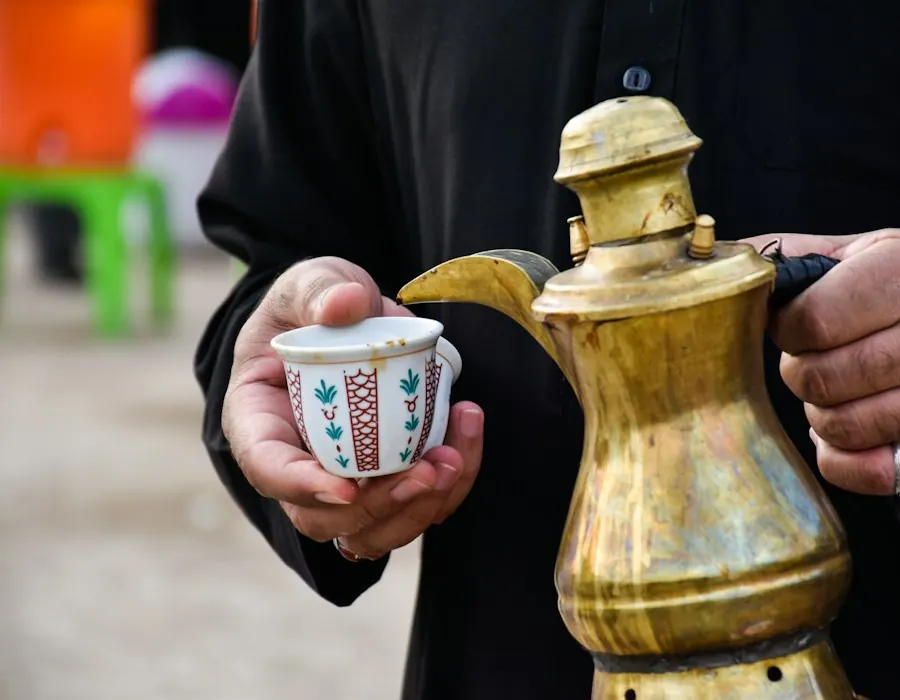 Coffee & conversationA friendship circle for people who enjoy cafés and unhurried conversation in Riyadh. Low-pressure first meetings, close to home.
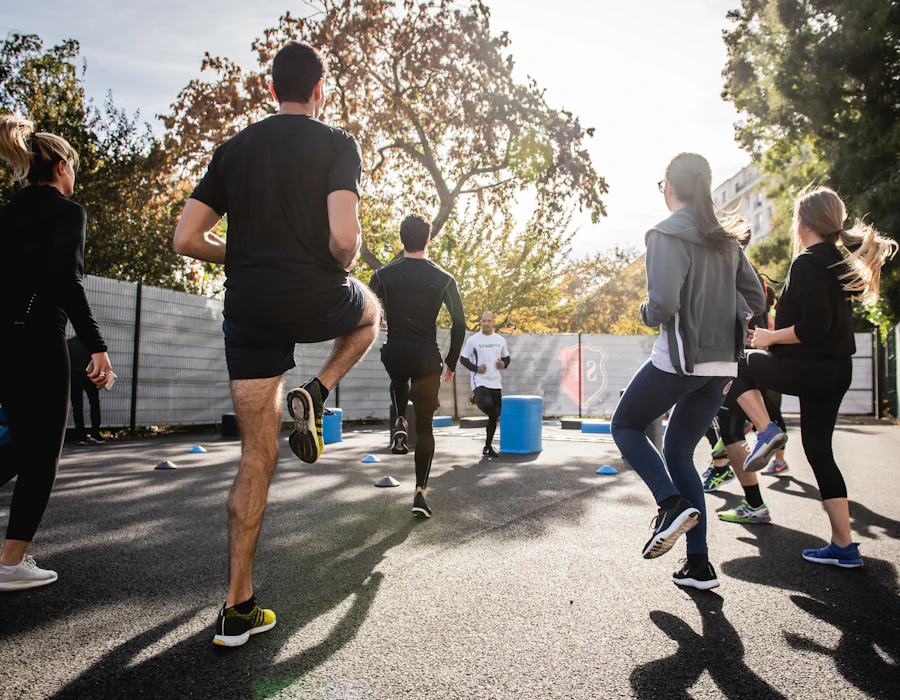 Walkers & runnersA friendship circle for people who like evening walks, early runs and park paths in Riyadh. Find a regular partner at your own pace.
 Padel & tennisA friendship circle for padel and tennis players in Riyadh, from beginners to regulars, looking for friendly games and people to play with.
Keep reading
 CirclesGame nights in Riyadh: how a table of strangers becomes a circle of friends
 IdeasWadi Hanifa and the walk that turns into a friendship
 IdeasRiyadh Season with friends: how to make a night of it
 SafetyMeeting new friends safely in Riyadh
 FriendshipWhy coffee is the best first meeting in Riyadh, and how to make it count
 FriendshipMaking friends in Riyadh when you work long hours
 IdeasDiriyah with friends: an evening out that feels like an occasion
 FriendshipMaking friends in Riyadh as a woman: where to start
- IdeasWhy padel is Riyadh’s friendship machine
- IdeasYour first Riyadh weekend with new friends: a Thursday-to-Saturday plan
- New in townNew in Riyadh? How to build a social life in your first three months
- IdeasThings to do with new friends in Riyadh this season