The first time you host something, the fear is the same for everyone: that you will send out the invitations and nobody will come. It is worth saying plainly that this almost never happens, and that the reason people do not come is almost never that they did not want to. It is that the invitation was vague, or came too late, or asked them to make a decision they could not make yet.
Hosting is not a personality trait. It is a set of small, boring choices, and once you get them right the same six people will keep turning up for years.
Start much smaller than you think
The instinct is to plan something impressive — a dinner for twelve, a beach day with logistics, a trip. Resist it. Big first events fail in a particular way: the effort is enormous, half the people cancel, and the disappointment is large enough that you do not try again for a year.
Four to six people is the number that works. Everyone can hear everyone, one no-show does not ruin it, and you can hold the whole thing in your head without a spreadsheet. A Saturday morning coffee for five is a real event. So is a walk, a game night, a film, a breakfast.
And keep the first one cheap. Cost is the quietest reason people decline, and nobody ever says it — they say they are busy. A walk and a coffee excludes nobody. A brunch at ninety dirhams a head quietly excludes several people you would have liked to see.
Be specific, and be early
"We should do something soon" is not an invitation. "Coffee at ten on Saturday at the place in JLT — are you in?" is. The difference is that the second one can be answered in three seconds without any planning on their side, and the entire organising burden sits with you, which is where it belongs if you are the one who wants it to happen.
Send it about a week ahead. Less than three days and everyone already has plans; more than two weeks and it falls out of people's heads and you spend the intervening fortnight chasing. A week is the sweet spot, with one short reminder the day before — not to nag, but because a plan that was agreed eight days ago has usually been forgotten.
Always include the time, the place and roughly how long. "Coffee at ten, probably an hour or so" lets somebody with a busy Saturday say yes. An open-ended invitation makes people decline out of caution.
Invite more people than you need, and do not read anything into no
Expect about half of the people you invite to come. This is not a reflection on you; it is arithmetic in a city where everyone is busy and half the population travels at any given moment. If you want six, invite twelve.
And genuinely do not take declines personally, which is easier said than done the first few times. People have visitors, deadlines, kids, trips, a week where they cannot face anything. Almost every no you receive is about their week, not about you. The hosts who build a circle are the ones who kept inviting after the first thin turnout.
The other half of that: invite people who do not know each other. A group where everyone already knows everyone is a closed circle. A group with one or two newcomers is how a circle grows — and it is how you become the person around whom other people's friendships form, which is the real dividend of hosting.
On the day, your job is the warmth, not the plan
Arrive first if you can. Being there when people walk in means nobody has to stand alone looking at their phone wondering if they are in the right place, which is the most common way a good evening starts badly.
Introduce people with a handle rather than a name. Not "this is Omar" but "this is Omar — he's just moved here from Cairo and he's also into padel". You have handed them their first thirty seconds of conversation, and they will both quietly thank you for it. It takes no skill and it is the single most useful thing a host does.
Then watch for the person on the edge. Every group has one, and every group has an obvious moment where they either get pulled in or drift out. Pulling them in is your job, not theirs.
And finish on time. A plan with a stated end — "coffee at ten, I have to leave by twelve" — gets more yeses and leaves everyone wanting the next one. Endings that dribble out at four in the afternoon make people wary of the next invitation, even if they enjoyed it.
Choosing the where, in a city this size
Location decides your turnout more than the activity does. In Dubai, forty minutes of evening traffic will lose you half the people who genuinely wanted to come, and none of them will say that is why.
So pick the place around where most of the group lives, not where you live or whatever is topping Dubai's official listings this month. If your people are spread across the city, alternate: one in the Marina, the next downtown, the next towards Mirdif, so the same person is not always the one driving furthest. And pick somewhere with room to sit, low enough noise to talk, and easy parking — three dull requirements that quietly decide whether an evening works.
Season matters too. From October to April, outdoors wins: a beach walk, a park, the canal path, somewhere with a terrace. In summer, anything outdoors becomes a reason to cancel, so move the same group indoors — a game café, a gallery, an early breakfast — and keep the rhythm going rather than letting four months of silence undo a year of work.
Repetition is the whole point
A brilliant one-off is worth much less than a mediocre thing that happens every month. Friendships are built from accumulated hours with the same people, and a repeating event is a machine for accumulating them without anyone having to make a decision each time.
So once something has worked twice, fix it. The first Saturday of the month. Every other Tuesday. Same place, same time, standing invitation. Now it has its own momentum: people plan around it, they bring someone, and you stop having to organise from scratch. Within a few months it is not your event any more, it is the group's — which is exactly what you wanted.
The other trick is to hand pieces of it away. Let someone else choose the place next time, or bring the game, or pick the route. People who contribute to a thing show up to it.
When it goes badly
Sometimes two people come. Sometimes nobody talks much and it is a flat hour. Every host has had both, and the only real failure is concluding from one thin turnout that people do not want to come.
If it happens twice in a row, check the mechanics before you check yourself: was it far from most people, at an awkward time, expensive, announced too late, or vague about when it would end? It is nearly always one of those, and all of them are fixable.
Where TruFriend helps
The hardest part of hosting is having people to invite in the first place. That is what circles are for: small groups around one shared interest, where any member can start a plan — a Saturday walk, a coffee, a board-game evening — and everyone else in the circle can see it and join until it is full. You are not cold-inviting strangers; you are proposing something to people who already chose that interest.
Plans carry a day, a time, a place and a number of spaces, so the specificity is built in. Places are public. And after a group plan, everyone is asked how it went and offered a one-tap way to plan another one, which is the repetition this entire piece is about.
Friendship only, for grown-ups aged 18 and over, and free for founding members. Request an invite and we will email you a personal invitation.
Don’t just read about it
Join a circle of people in Dubai who enjoy the same things. Members already on TruFriend can join from the app or suggest a plan in any chat.
 Board games & quizzesA friendship circle for board games, card games and quiz nights in Dubai. Meet people for friendly competition and easy conversation.
 Walkers & runnersA friendship circle for people who like morning walks, evening runs and beach paths in Dubai. Find a regular partner at your own pace.
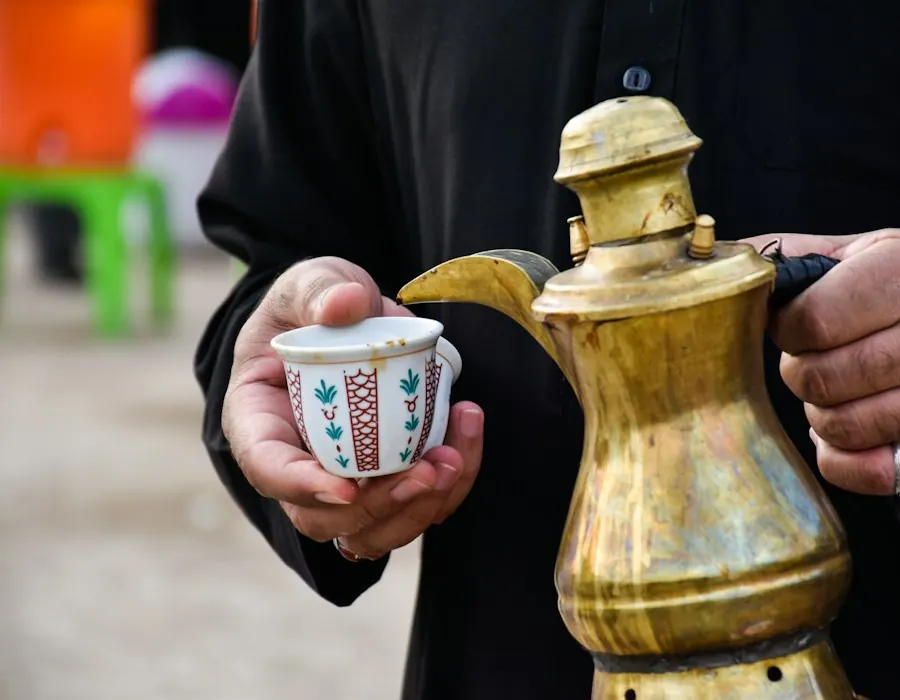 Coffee & conversationA friendship circle for people who enjoy cafés and unhurried conversation in Dubai. Low-pressure first meetings, close to home.
Keep reading
 FriendshipMaking friends as a couple in Dubai (and keeping friends of your own)
 CirclesWhy a board-game night turns strangers into friends
 FriendshipMaking friends in your 30s and 40s in Dubai, when everyone seems busy
 FriendshipMaking friends in Dubai when you work long hours
 FriendshipMaking friends as an introvert in Dubai
 New in townHow to stay friends when people leave Dubai (and how to keep building your circle)
 IdeasHobbies that help you meet people in Dubai
 ResearchFrom acquaintance to friend: the follow-up habits that matter
- IdeasWalking and running spots in Dubai to explore with a friend
- IdeasThings to do with new friends in Dubai this autumn
- FriendshipHow to start a conversation with someone new (without dreading small talk)
- IdeasWhere to meet people in Dubai when brunch and bars are not your thing
- CirclesWhy joining a circle makes friendship so much more likely
- FriendshipIs it normal to feel lonely in Dubai? What to do about it
- IdeasThings to do in Dubai, and the reason your list never happens
- NewsTruFriend is now open in Dubai: real friendships, one good introduction at a time
- FriendshipHow to make friends in Dubai as a grown-up
- New in townNew to Dubai? How to build a social life in your first months
- ResearchHow long does it take to make a friend? What the research says
- SafetyHow to meet new friends safely in Dubai