The advice "get a hobby, you'll meet people" is given constantly and is only half true. Plenty of people take up something they enjoy and meet nobody at all, then conclude they are bad at this. They are not. They chose a hobby that happens to be terrible at producing friendships, and nobody told them that was a category that exists.
Because it does. Some activities put you next to the same people every week with natural gaps for talking, and some put you alone in a room with headphones on. Both can be excellent hobbies. Only one of them is a social strategy.
What separates the two
Three things, and you can assess any activity against them in about ten seconds.
First, does it involve the same people each time? A drop-in class where the faces change weekly gives you fifty pleasant first conversations and no second ones. A team, a fixed session, a course that runs for eight weeks — those give you the same faces, which is where recognition, then names, then friendship come from.
Second, is there talking built in? Not during, necessarily, but around it: the fifteen minutes before it starts, the walk to the car park, the coffee afterwards. Those margins are where the actual socialising happens, and some activities have generous margins while others end the moment the session does and everyone disperses.
Third, does it need other people to function? Football needs a team. Padel needs three more. A book group needs readers. Running alone does not need anyone, which is why runners can train for years in complete solitude. The activities that cannot happen without other people are the ones that reliably produce them.
Anything scoring well on all three will produce friendships almost regardless of what it is. Anything scoring badly will not, however much you enjoy it — and that is fine, as long as you know which one you have chosen.
The ones that work particularly well here
Racket sports are the standout in Dubai, and padel especially. It is played in fours, it is booked as a fixed slot, beginners are welcome in a way that tennis often is not, and the sport is so popular here that finding a regular game is genuinely easy. The structure does the work: you cannot play alone, so a group forms whether you intend it or not.
Team sports do the same thing more intensely — football, netball, cricket, volleyball on the beach. There is a weekly commitment, a shared outcome, and a group chat that outlives the season.
Group fitness sits slightly lower but still works: a class you attend at the same time each week, a run club, a bootcamp on the beach in winter. The margins are decent and the faces repeat.
On the quieter side, book groups are excellent and underrated. They meet monthly, everyone has prepared something to say, and the conversation goes somewhere real much faster than small talk does, because you are discussing ideas rather than jobs. Board-game and quiz nights work on the same principle — the activity supplies the conversation, so nobody has to generate it.
Language exchange deserves a mention in a city this multilingual. It is reciprocal by design, it repeats, and the whole point is talking to each other.
And volunteering, which most people overlook. Regular shifts, the same team, a shared purpose, and a completely different cross-section of Dubai from the one you meet at work.
The ones that are worth doing but will not do this job
The gym, unless you join classes. Two hundred people in a room, all with headphones, none of whom will speak to you, ever.
Solo running and cycling, unless you join a group. Photography, unless you go on walks with others. Cooking, painting, reading, learning an instrument — all good for you, none of them social by themselves.
And the one-off taster: the pottery afternoon, the cooking class, the workshop. These are enjoyable and they produce a pleasant hour with people you will never see again. If you keep doing those and wondering why nothing forms, this is why. The fix is not a different taster; it is the eight-week version of the same thing.
How to choose yours
Start from what you would still do if nobody talked to you, because for the first few weeks nobody will. A hobby you chose purely as a social tactic becomes a chore by week three and you will stop going, which defeats the point entirely.
Then apply the Dubai filter: how far away is it, and at what time? Something fifteen minutes from home on a weekday evening will survive a busy month. Something forty minutes away will not, however good it is, and you will quietly stop going in the second month and feel vaguely guilty about it.
Commit to a season rather than a session. Two or three months is roughly what it takes for the group to know your name, and almost everyone quits in week two or three, which is right before the part that was worth it.
And pick one, or at most two. People who join four things spread themselves so thin that they are a newcomer everywhere and a regular nowhere.
The cost question, honestly
Hobbies in Dubai can be expensive, and the expensive ones are the most advertised. A padel court, a boutique class pass, a club membership — the recurring cost is real, and starting something you cannot comfortably sustain for a season is worse than not starting, because the point is the repetition and you will stop.
So it is worth knowing the cheap end is genuinely good. Public beach and park runs cost nothing. Volunteering costs nothing. A book group in a café costs a coffee a month. Community football and beach volleyball are usually a few dirhams a session. Language exchange is free by definition. None of these are the consolation prize; they repeat, they need other people, and they have long margins, which is the whole specification.
And if you do want the paid version, split it. Booking a court with three others costs a quarter as much as it looks, which is another quiet argument for the activities that need a group.
What to actually do once you are there
Turn up early. The group that has already formed is hard to enter; the two or three people standing around beforehand are easy, and by the time the session starts you are one of the people who was already there.
Say it is your first time. It is a completely ordinary sentence and it usually gets you looked after for the session.
Stay for the margins. The twenty minutes afterwards is where the friendships are made, and it is the part busy people always skip. If you have to choose between arriving on time and staying for the coffee, stay for the coffee.
And at some point, take one person out of the group. "There's a game on Saturday, want to come?" is how a fellow attendee becomes a friend, and it will not happen inside the activity no matter how many weeks you both attend.
Where TruFriend fits
The hobby gives you the repetition; the hard part is often finding the group in the first place, or having someone to go with the first time. Circles are built for that — small groups around padel and tennis, walking and running, books, board games, food, art, photography, language exchange and fitness, where any member can start a plan and the rest of the circle can join until it is full.
Tru also matches on when you are free and how far you will travel, not just what you enjoy, because a shared interest with incompatible schedules produces nothing at all.
Friendship only, for grown-ups aged 18 and over, and free for founding members. Request an invite and we will email you a personal invitation.
Don’t just read about it
Join a circle of people in Dubai who enjoy the same things. Members already on TruFriend can join from the app or suggest a plan in any chat.
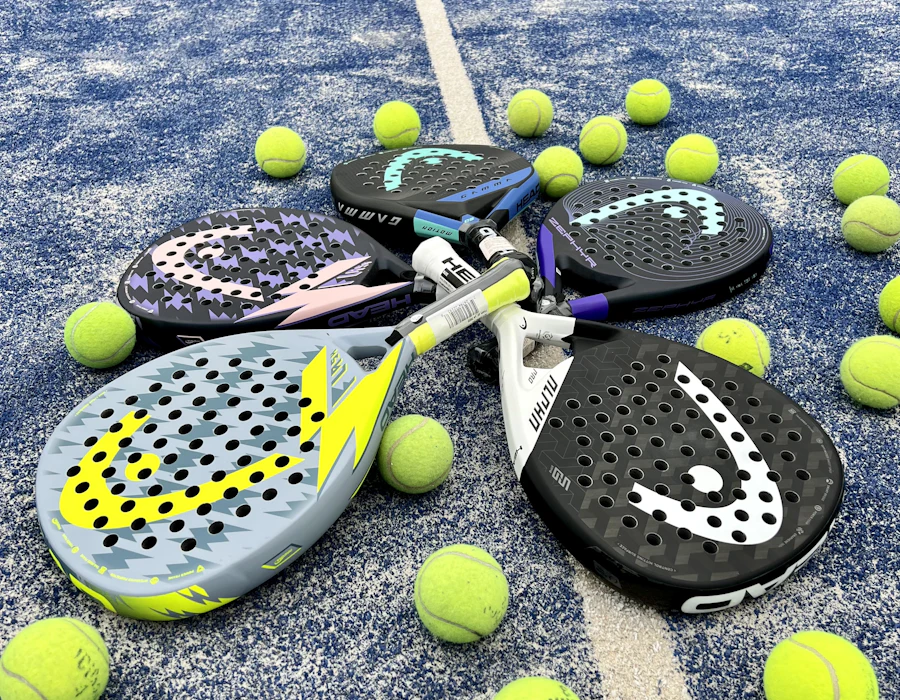 Padel & tennisA friendship circle for padel and tennis players in Dubai, from beginners to regulars, looking for friendly games and people to play with.
 Language exchangeA friendship circle for language exchange in Dubai: practise Arabic, English or another language over coffee, and help someone with yours.
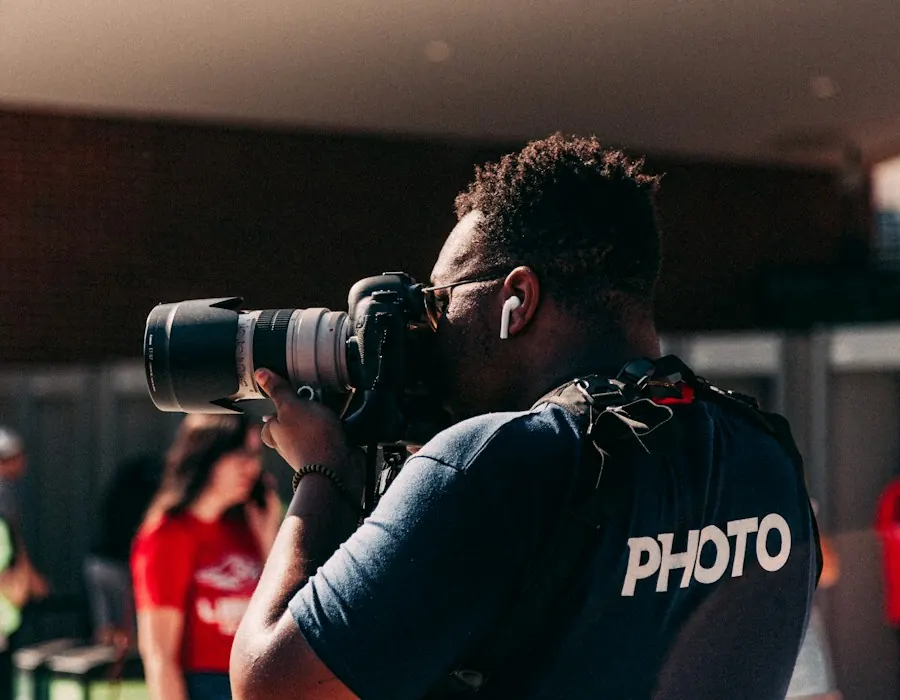 Photo walksA friendship circle for photographers of every level: explore Dubai’s streets, skyline and old neighbourhoods together.
Keep reading
 FriendshipMaking friends as a couple in Dubai (and keeping friends of your own)
 CirclesWhy a board-game night turns strangers into friends
 FriendshipMaking friends in your 30s and 40s in Dubai, when everyone seems busy
 FriendshipMaking friends in Dubai when you work long hours
 FriendshipMaking friends as an introvert in Dubai
 New in townHow to stay friends when people leave Dubai (and how to keep building your circle)
 ResearchFrom acquaintance to friend: the follow-up habits that matter
- IdeasWalking and running spots in Dubai to explore with a friend
- IdeasThings to do with new friends in Dubai this autumn
- CirclesHow to host a small meetup that people actually come to
- FriendshipHow to start a conversation with someone new (without dreading small talk)
- IdeasWhere to meet people in Dubai when brunch and bars are not your thing
- CirclesWhy joining a circle makes friendship so much more likely
 FriendshipIs it normal to feel lonely in Dubai? What to do about it
- IdeasThings to do in Dubai, and the reason your list never happens
- NewsTruFriend is now open in Dubai: real friendships, one good introduction at a time
- FriendshipHow to make friends in Dubai as a grown-up
- New in townNew to Dubai? How to build a social life in your first months
- ResearchHow long does it take to make a friend? What the research says
- SafetyHow to meet new friends safely in Dubai