For a year and a half, Nouf knew her neighbour across the landing in Al Malqa only as a row of shoes. Women’s sandals, a child’s trainers, sometimes a pair of men’s leather slippers, lined up neatly outside the door opposite hers. She heard the family through the wall at Eid. She said salaam in the lift. That was all. Then one evening in early November, the power went out across the building. Nouf opened her door with her phone torch to find the woman opposite doing exactly the same thing. They stood on the landing in the dark for forty minutes, waiting for the lights to come back, and talked properly for the first time. Her name was Reem. She was from Al Qassim, had moved to Riyadh when her husband changed jobs, and she also had nobody nearby to call.
They have had coffee together most Thursday evenings since. Nouf says the strange thing is not that they became friends. It is that it took a power cut.
The friends closest to home
When people think about making friends in a new city, they tend to think about going somewhere: a club, a class, a café on the other side of town. Those things work. But one of the most reliable sources of friendship is also the one we overlook most: the people who live on our street, in our building, in our district.
The reason is simple. Friendship grows from repeated, easy contact, and nobody is easier to see repeatedly than a neighbour. You pass them at the door, at the corner shop, on the evening walkway, in the car park of the local mosque. Those small sightings, a nod, a greeting, a word about the weather, are the raw material of a friendship. They just need someone to take the next step.
There is a practical side too. A friend who lives five minutes away is a friend you will actually see. A plan across Riyadh can mean forty minutes in traffic each way, and even good intentions struggle with that. A neighbour can join you for a walk at short notice, take in a parcel when you are out, or bring soup when you are ill. In a city where so many people live far from their families, that matters a great deal.
An old Riyadh habit
None of this is a new idea here. The old neighbourhoods of Riyadh, like those of every town in Arabia, were built around the hara: houses close together, families who had known each other for generations, doors that opened for every occasion. Neighbours sent plates of food to each other in Ramadan, turned up at weddings and at condolences, and kept an eye on each other’s children. The duty owed to a neighbour is part of the faith and culture that many people here grew up hearing about at home.
Modern Riyadh has changed the shape of that life. Districts are newer and bigger, many people live in apartment buildings or compounds, and the family next door may have arrived from another Saudi city, or another country, last month. The instinct for neighbourliness is still strong. What is often missing is the first real conversation.
Why now is the time
Late October and November are when Riyadh’s neighbourhoods come back to life. After a long summer spent indoors, the evenings are finally cool enough to be outside. District walkways fill up after Maghrib with people walking, children on bikes and older men talking on the benches. Neighbourhood parks get busy. People linger on doorsteps and in front of buildings in a way that is simply impossible in August.
That makes this the easiest time of year to meet the people who live around you. The same walk at the same time each evening means the same faces, and within a few weeks the nods turn into greetings and the greetings into conversations.
How to take the first step
Khaled, who lives in a villa in Al Sahafa, describes himself as “not a social person”. He had lived on his street for four years without knowing more than two names. What changed it was a decision to walk the district walkway every evening after Isha, partly for his health and partly because the house felt too quiet. He kept passing the same three men, all around his age, walking the other way. One evening one of them stopped and asked whether he would like to walk together. Now the four of them walk most evenings, take turns bringing coffee on Thursdays, and share a group chat that is mostly about football and potholes.
The lesson in Khaled’s story is that he made himself visible. He was in the same place at the same time, every day, and eventually somebody spoke. A few other small habits help.
Greet first, and greet properly. A warm salaam, eye contact and a moment’s pause instead of rushing past. It tells people you are open to more.
Use the small occasions. A plate of something you cooked when a new family moves in. Sweets at Eid. Asking a neighbour whether they know a good plumber. Small favours, given and asked, are how neighbours become friends, and people often feel closer to someone they have helped.
Be a regular somewhere local. The same evening walk, the same café in the district, the same bakery on a Friday morning. Familiar faces are the starting point.
Invite lightly. Not dinner, at first. Coffee outside on the walkway, a walk together, a cup of tea at a café nearby. Something short, public and easy to say yes or no to.
Mind the norms. Respect privacy and family life. Women generally befriend women and men befriend men, and an invitation into someone’s home is a step that comes with time, not at the start. Let the friendship move at a pace both sides are comfortable with.
When the building becomes the circle
In some buildings and compounds, neighbourliness becomes something shared. Nouf and Reem began inviting the other women in their building for coffee in the lobby on the first Thursday of each month. Some months two people come, some months eight. One of them, a teacher from Egypt, now runs an informal Arabic reading hour for the children on the same evening, and the mothers stay and talk. Nobody set out to build a community. It grew from one landing and one power cut.
If your building has a WhatsApp group, it can help, as long as it does more than complain about parking. A simple message such as “A few of us are walking in the park at 8 tonight, all welcome” is often all it takes.
It works the same way for men. Khaled’s walking group now has a standing arrangement after Friday prayer: whoever is free stays for a coffee at the café on the corner, and anyone new to the street is invited along. Two of the newcomers they met that way have since joined the evening walks. One of them, a young engineer who had moved from Dammam and knew nobody in the city, told Khaled that it was the first time Riyadh had felt like home.
When neighbours are not enough
Not every street has the right people on it, and that is fine. Sometimes the neighbours are lovely but at a very different stage of life, or speak another language, or simply prefer to keep to themselves. Neighbourhood friendship is one source among several, alongside work, circles, classes and old friends. The point is not to rely on it alone, but not to overlook it either. The people who live closest to you are often the ones who can be there fastest.
Where TruFriend fits
Sometimes the people who would make great friends live a few streets away, and your paths simply never cross. TruFriend is built for friendship only. Tru, our assistant, gets to know what you enjoy, when you are free and which district you live in, then introduces you to a few compatible people nearby, with the reasons you might get along. Your next good friend may well turn out to live in your own neighbourhood. A conversation only opens when both of you say yes, and plans happen in public places. Circles such as Coffee & conversation, Walkers & runners and New in Riyadh make it easy to start with a short, local plan.
TruFriend is for friendship only, for grown-ups aged 18 and over, and free for founding members. Join TruFriend: it takes a minute.
Don’t just read about it
Join a circle of people in Riyadh who enjoy the same things. Members already on TruFriend can join from the app or suggest a plan in any chat.
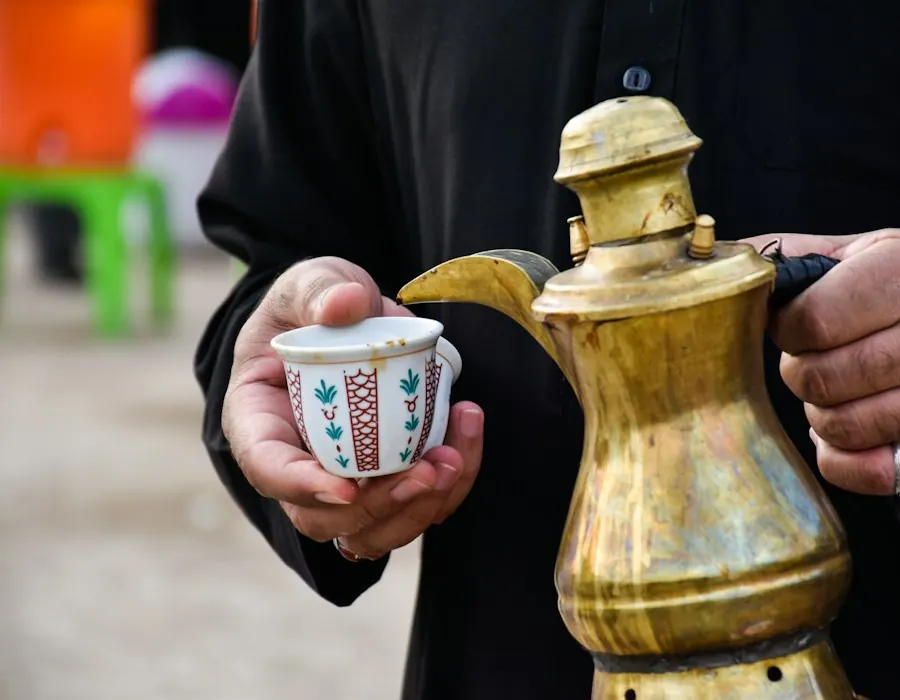 Coffee & conversationA friendship circle for people who enjoy cafés and unhurried conversation in Riyadh. Low-pressure first meetings, close to home.
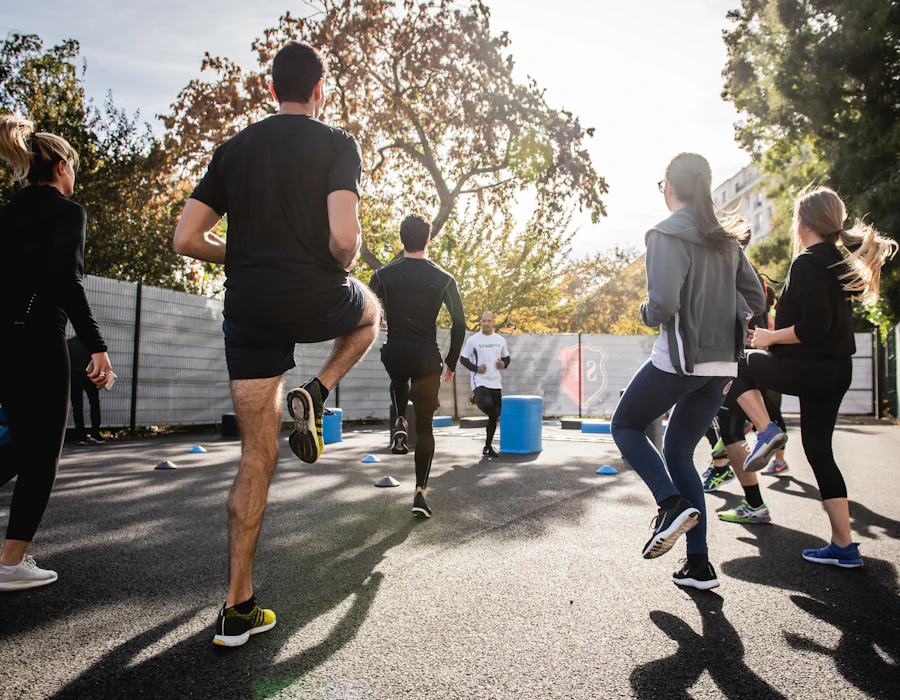 Walkers & runnersA friendship circle for people who like evening walks, early runs and park paths in Riyadh. Find a regular partner at your own pace.
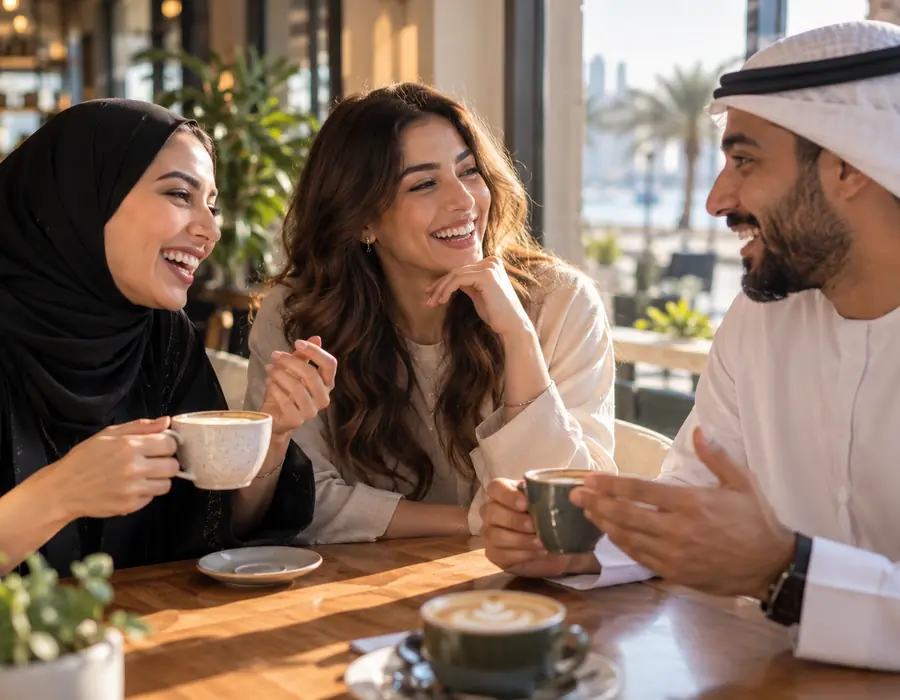 New in RiyadhA friendship circle for people who have recently moved to Riyadh: settle in, explore the city and build a social life with others doing the same.
Keep reading
 IdeasLearning a craft together: how calligraphy, pottery and Sadu classes in Riyadh turn into friendships
 IdeasTwo wheels, one group: how a weekend ride in Riyadh turns into friendship
 IdeasInto the desert: day trips near Riyadh that turn new friends into real ones
 CirclesGame nights in Riyadh: how a table of strangers becomes a circle of friends
 IdeasWadi Hanifa and the walk that turns into a friendship
 IdeasRiyadh Season with friends: how to make a night of it
 SafetyMeeting new friends safely in Riyadh
 FriendshipWhy coffee is the best first meeting in Riyadh, and how to make it count
- FriendshipMaking friends in Riyadh when you work long hours
- IdeasDiriyah with friends: an evening out that feels like an occasion
- FriendshipMaking friends in Riyadh as a woman: where to start
- IdeasWhy padel is Riyadh’s friendship machine
- IdeasYour first Riyadh weekend with new friends: a Thursday-to-Saturday plan
- FriendshipHow to make friends in Riyadh as a grown-up
- New in townNew in Riyadh? How to build a social life in your first three months
- IdeasThings to do with new friends in Riyadh this season