Salem grew up in a house where the evening ended with cards. His uncles played baloot on the floor of the majlis, his cousins kept score on the back of a receipt, and by the time he was twelve he knew exactly when to call and when to keep quiet. When he moved to Riyadh for a job in project management, he brought almost nothing with him except two suitcases and a worn deck of cards in his jacket pocket. For the first three months the deck never came out. Baloot needs four players, and Salem did not know three people in the city well enough to ask.
He knew colleagues by name, but he had no reason to spend an evening with any of them. Inviting someone for dinner felt too much, too soon. Inviting them for coffee felt like an interview. The deck stayed in his pocket, and his evenings filled with his phone.
If that sounds familiar, there is an old and simple answer, and it is sitting on a café shelf somewhere near you.
Why a game takes the pressure off
The hardest part of meeting someone new is not the meeting. It is the silence that follows the first two questions. Where are you from? What do you do? After that, many conversations between strangers begin to search for a subject, and both people can feel it searching.
A game removes that problem in one move. It gives everyone at the table something to look at that is not each other, a set of rules that tells them what to do with their hands, and a steady supply of small events to react to. Somebody makes a bold play. Somebody else forgets whose turn it is. Somebody wins a round they had no right to win. Each of those moments is a ready-made line of conversation, and nobody had to think of it.
Games also let people show who they are without having to describe themselves. Within twenty minutes you know who is patient and who is impulsive, who explains the rules kindly to the newcomer, who laughs at their own mistakes and who takes a loss gracefully. Those are exactly the things you want to know about a possible friend, and they come out far more honestly over a card table than over a list of questions.
Then there is laughter. Researchers who study friendship, among them the Oxford psychologist Robin Dunbar, have written about laughing together as one of the ways people bond in groups. A game table produces laughter almost on schedule, and shared laughter is very hard to fake. People who have laughed together on a Thursday evening usually greet each other differently the following week.
How a weekly game table works
The game nights that turn into friendships share one feature: they repeat. A single evening of games is fun. The same table, at the same café, on the same evening each week, is something more, because it quietly takes care of the part of friendship that most people find hardest, which is arranging to meet again.
A typical evening looks like this. A small group, usually four to eight people, meets at a café that keeps a shelf of games. Somebody arrives early, takes a table and orders a pot of tea or a round of Saudi coffee. As people drift in, they join whatever is already on the table, or someone pulls a new box from the shelf and explains it. Short, lively games come first while the group is still settling in. Longer games come later, once everyone has relaxed. Between rounds there is food, talk about the week and a debate about what to play next.
The format is forgiving. Nobody has to commit to every week. If you miss one, the table is still there the next. A newcomer can sit down without needing to be introduced to the whole group at once, because the game itself makes the introductions: here are your cards, here is how you score, your turn. By the end of the first evening, a stranger is simply another player.
Salem found his table almost by accident. A colleague mentioned a café near his flat that kept stacks of games and drew a crowd on weeknights. He went alone one Thursday, ordered a coffee and pretended to read the menu for a long time. Then a group at the next table, one player short for a card game he did not know, asked if he wanted to join. He lost every round. He also stayed for three hours, and when they asked whether he would be back next week, he said yes before he had thought about it.
Riyadh’s growing game-café scene
Riyadh has taken to the board-game café in a big way. Over the past few years, cafés with shelves of games have opened across the city, many of them in the northern districts, and plenty of ordinary coffee shops now keep a few games behind the counter for customers who ask. One of the best known is Al Saqeefa, in An Narjis in the north of the city, which has become a familiar name among people who love games, with a wide collection and tables that fill with groups of friends and families.
Arrangements vary from place to place. Some cafés charge a small table fee, others simply ask you to order something, and some keep a member of staff on hand to explain the rules of newer games. Check each café’s own accounts before you go, since details change.
Alongside the cafés there is a quieter tradition that never went away. Baloot, the four-player trick-taking card game, has been part of Saudi gatherings for generations, played in majlis evenings, at family get-togethers and in cafés. It is a natural bridge for anyone new to the city: if you know it, you will rarely struggle to find a game; if you do not, plenty of people will happily teach you, and being taught is one of the quickest ways to become part of a group.
Choosing games for a table of strangers
Not every game suits a first evening. A long strategy game with a thick rulebook can leave a newcomer lost and a little embarrassed, and a game in which players attack one another can make strangers uneasy before they know each other’s sense of humour. The best games for a new table are quick to explain, short enough to play several times, and generous to beginners.
Cooperative games, in which everyone plays together against the game itself, are a particularly good start, because they turn the table into a team from the first turn. Word and drawing games that reward guessing are reliably funny. Light card games, where a round lasts ten minutes and anyone can win, keep the energy up. Save the long, competitive games for later in the evening, or for later in the friendship, once people know each other well enough to enjoy a proper rivalry.
Hosting a small game circle of your own
After a couple of months, Salem noticed that he looked forward to Thursday more than any other day. He also noticed that the regulars had changed: a few had moved on, a few new faces had arrived, and he was now the one explaining the rules. So he did something he would never have imagined doing in his first week in Riyadh. He started a small table of his own.
If you would like to do the same, keep it simple. Choose one café you like, with enough space, a decent shelf of games and a relaxed attitude to groups that stay a while. Choose one evening and stick to it. Invite four or five people, and ask each of them to feel free to bring someone along, so the group grows gently. Bring one game you know well enough to teach in five minutes. Arrive a little early, so the first person to walk in finds a table and a friendly face, not an empty café.
A few small habits make a real difference. Mix the seating so the same two people do not always sit together. Keep the evening in a public place and end it at a sensible hour, so everyone can travel home on their own and nobody feels obliged to stay late. And after each evening, send a short message to the group with the plan for next week. That message, more than any game, is what keeps a circle together.
Salem’s table now meets most Thursdays. It has a regular corner, a favourite card game, a running scoreboard on his phone and a standing joke about the night he lost seven rounds in a row. Last month, four of them sat down to play baloot for the first time. The worn deck from his jacket pocket finally came out, and his new friends were every bit as noisy about it as his cousins.
Where TruFriend fits
TruFriend is an invite-only friendship platform, for friendship only, for grown-ups aged 18 and over, and it is now open in Riyadh. Tru, our assistant, learns what you enjoy and when you are free, introduces you to a few compatible people nearby, and helps turn the introduction into a plan in a public place. The board games circle brings people together around a weekly table, coffee and conversation suits anyone who prefers a quieter start, and the new in town circle is there for anyone still finding their feet. If a weekly game table sounds like your kind of evening, request an invite and we will send you a personal invitation.
Don’t just read about it
Join a circle of people in Riyadh who enjoy the same things. Members already on TruFriend can join from the app or suggest a plan in any chat.
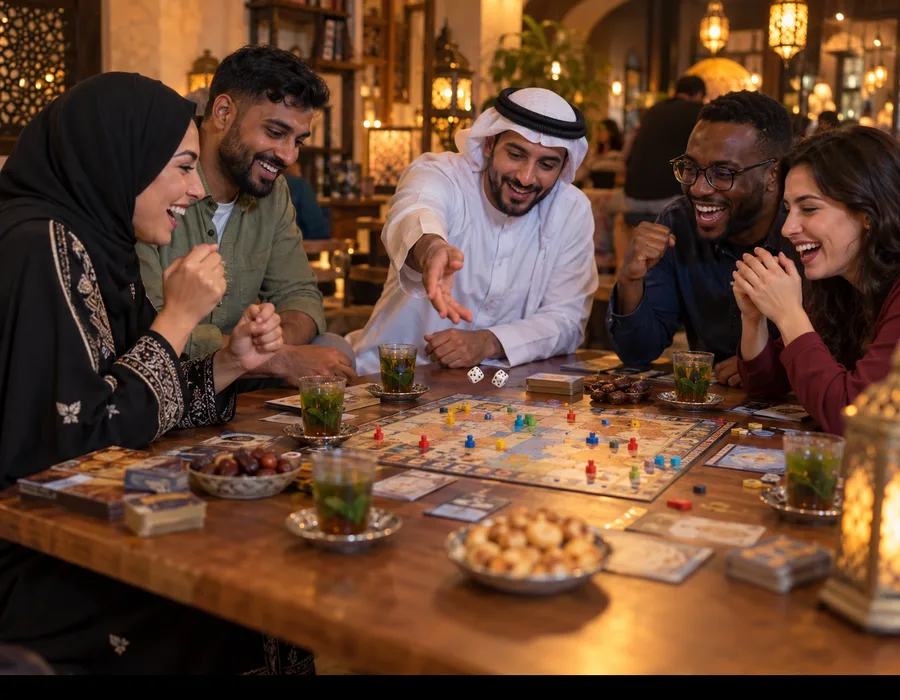 Board games & quizzesA friendship circle for board games, card games and quiz nights in Riyadh. Meet people for friendly competition and easy conversation.
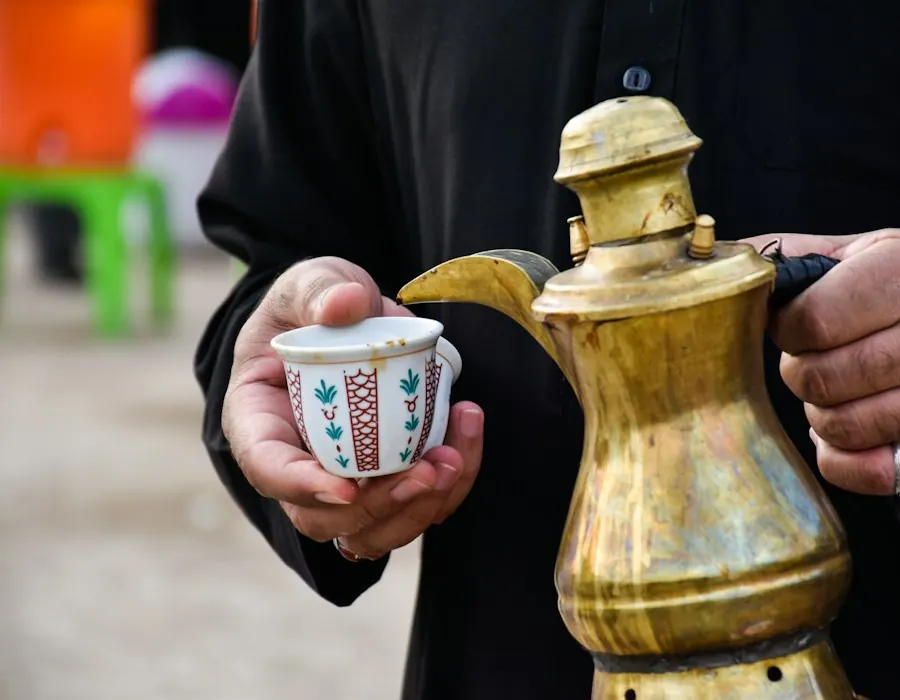 Coffee & conversationA friendship circle for people who enjoy cafés and unhurried conversation in Riyadh. Low-pressure first meetings, close to home.
 New in RiyadhA friendship circle for people who have recently moved to Riyadh: settle in, explore the city and build a social life with others doing the same.
Keep reading
 IdeasWadi Hanifa and the walk that turns into a friendship
 IdeasRiyadh Season with friends: how to make a night of it
 SafetyMeeting new friends safely in Riyadh
 FriendshipWhy coffee is the best first meeting in Riyadh, and how to make it count
 FriendshipMaking friends in Riyadh when you work long hours
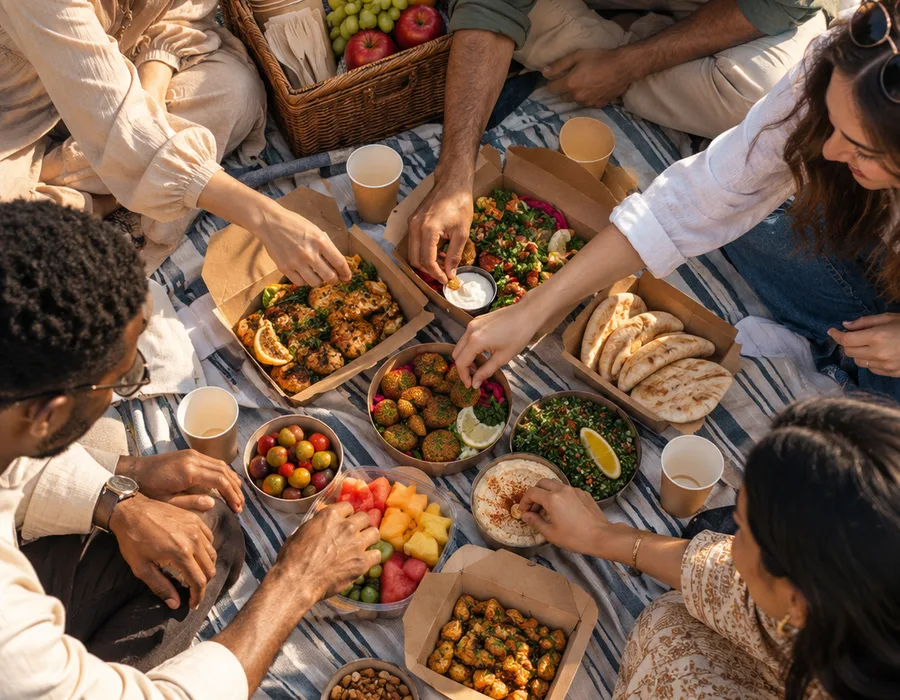 IdeasDiriyah with friends: an evening out that feels like an occasion
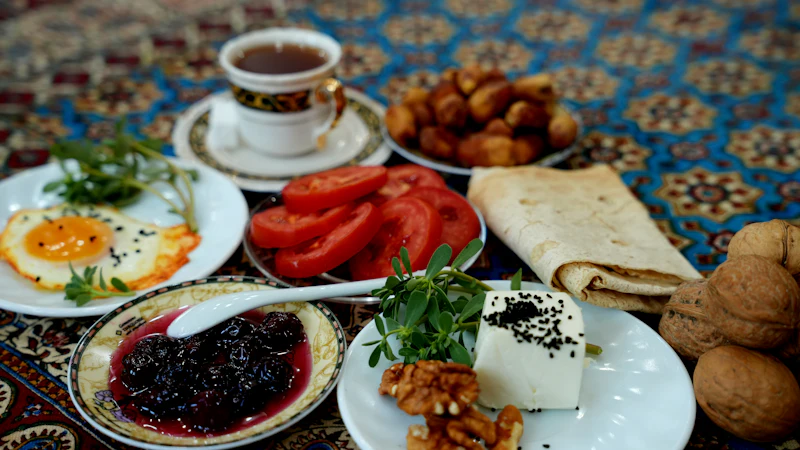 FriendshipMaking friends in Riyadh as a woman: where to start
 IdeasWhy padel is Riyadh’s friendship machine
- IdeasYour first Riyadh weekend with new friends: a Thursday-to-Saturday plan
- FriendshipHow to make friends in Riyadh as a grown-up
- New in townNew in Riyadh? How to build a social life in your first three months
- IdeasThings to do with new friends in Riyadh this season