It is a Saturday afternoon and you are at home. Not upset, not in crisis — just at a loose end, with an evening ahead and nobody to spend it with. You scroll for a while. You consider messaging someone and then decide against it, because you messaged last time and it would be strange to do it again. You end up watching something you will not remember.
If you are having that afternoon in Dubai, you are having the most common afternoon in Dubai. It almost never gets said out loud, because everyone assumes they are the only one — everyone else's week looks full from the outside, and yours looks full from the outside too.
Why this city produces it so reliably
None of the reasons are about you.
Almost everyone here arrived from somewhere else, which means the friendships built over decades — the ones that carry the work of staying in touch, that do not need a reason to meet — are in another country and another time zone. What you have instead are relationships that are all quite new, and new relationships need constant input to survive.
Then people leave. You spend a year getting close to someone and they take a job in Singapore, or their contract ends, or they go home. The first time it happens you are sad. The second time you are sad and a little wary. By the third, a lot of people have quietly stopped investing without ever deciding to, which protects them from the loss and guarantees the loneliness.
The city's size does its own damage. A good friend who lives forty minutes away in evening traffic is a friend you see once a month, however much you like them. Distance turns spontaneity into logistics, and most friendships need a bit of spontaneity to stay warm.
And work takes the rest. Long hours, a six-day week for many people, and the kind of tiredness where the thought of driving somewhere to be sociable loses to the sofa almost every time. Nobody is choosing isolation. It is just what is left after everything else.
The difference between alone and lonely
This is the part that surprises people. Loneliness is not a headcount. It is the gap between the connection you have and the connection you want, which is why you can feel it acutely in a full restaurant and not feel it at all on a quiet evening by yourself.
It also explains why the obvious fix does not work. Going to more events, joining more groups, saying yes to more brunches — meeting more people — often leaves the feeling exactly where it was. You have widened the pool and changed nothing, because what is missing is not people. It is a few people who know what is going on in your life.
Which is oddly good news, because it means the target is small. Not a social circle. Two or three people and something that repeats.
What actually moves it
The single most effective change most people can make is to convert one thing in their week from variable to fixed. A standing coffee on Saturday morning. A game every Tuesday. A walk at six with whoever comes. The fixed part matters more than the activity, because anything that has to be renegotiated each week will eventually lose to a busy week, and the friendships that survive in this city are the ones that do not need renegotiating.
The second is to stop waiting to be invited. Almost everyone is waiting; most people would come if asked; and the person who sends the message ends up with the friendships. That feels unfair when you are tired of being the organiser, and it is still true. Keep it small and specific — "quiz on Tuesday, you around?" beats "we should catch up" every time, because it asks for a yes or a no rather than a plan.
The third is to choose proximity over perfection. The person fifteen minutes away who you get on with reasonably well will be in your life far more than the person across the city who you get on with brilliantly. That is not romantic, but a friendship you can reach on a weekday evening is worth several you cannot.
And the fourth is patience, which is the one nobody wants. Friendship runs on accumulated hours, and it takes many more of them than feels reasonable — the research puts casual friendship somewhere around 40 to 60 hours together. Three coffees with someone is about four hours. Feeling polite rather than close at that point is not a verdict on the friendship. It is just hour four.
The trap of the busy calendar
There is a specific version of this that catches high-functioning people, and it is worth naming because it hides so well.
Your week is full. Work events, team lunches, the group chat, a brunch most weekends, people to see. By every external measure you have a social life. And yet if something went badly wrong on a Wednesday, you would struggle to think who to call — not because nobody would help, but because none of those relationships have ever been used for anything real.
Busyness is a very effective disguise for loneliness, including from yourself. The test is not how many people you saw this month. It is whether any of them know what is actually going on with you.
Getting from one to the other usually means taking a single person out of the group and doing something just with them. That is the moment the relationship changes, and it is almost always available — it simply requires somebody to suggest it, and most people never do.
When it is more than this
Everything above assumes ordinary loneliness: uncomfortable, common, and responsive to changes in how you arrange your weeks.
It is a different thing when it has lasted months, or comes with low mood that does not lift, disturbed sleep, or a loss of interest in things you used to enjoy. That is not a bigger version of the same problem and it does not yield to better scheduling. It responds well to proper support, and talking to a doctor or a qualified professional is a sensible early step rather than a last resort. The UAE government lists what is available through its health services. If you are in the UAE, your clinic or insurer can point you to someone; if you ever feel unsafe, emergency services are on 999.
There is no threshold you have to cross before it is allowed to be worth addressing.
One place, one hour, once a week
When loneliness has settled in, big plans feel impossible, and that is exactly why they are the wrong place to start. The step that works is almost embarrassingly small: one place, one hour, once a week, at the same time. The same café on Saturday morning. The same walk along the creek on a Wednesday evening. The same quiz night, sitting at the same end of the room.
It sounds too modest to matter. But regularity is what turns strangers into familiar faces, and familiar faces are where conversations start. The barista who remembers your order, the couple who walk the same loop at the same pace, the people at the next table who were also there last week: none of them is a friend yet, and all of them make the city feel a little less like a place you are passing through.
Choose somewhere close to home, so that a tired week does not become a reason to skip it. If you need ideas, our Places lists show walking and running spots in Dubai and cafés where you can sit for a long while, each with its area, so you can start with what is near you.
Where TruFriend comes in
TruFriend exists because of this exact gap. Not another feed of strangers and not an events listing — those already exist, and they produce acquaintances, which is not what is missing.
Tru, our assistant, learns what you enjoy, when you are usually free and how far you are willing to travel, then introduces you to a small number of people nearby who fit, with the reasons you might get along. A conversation only opens when you both say yes, so nobody is turned down in public. Plans happen in public places. And circles exist to supply the repetition the whole thing depends on: the same handful of people, around one shared interest, week after week, which is how friendships have always actually formed.
Friendship only, for grown-ups aged 18 and over, and free for founding members. Request an invite and we will email you a personal invitation.
Don’t just read about it
Join a circle of people in Dubai who enjoy the same things. Members already on TruFriend can join from the app or suggest a plan in any chat.
 New in DubaiA friendship circle for people who have recently moved to Dubai: settle in, explore the city and build a social life with others doing the same.
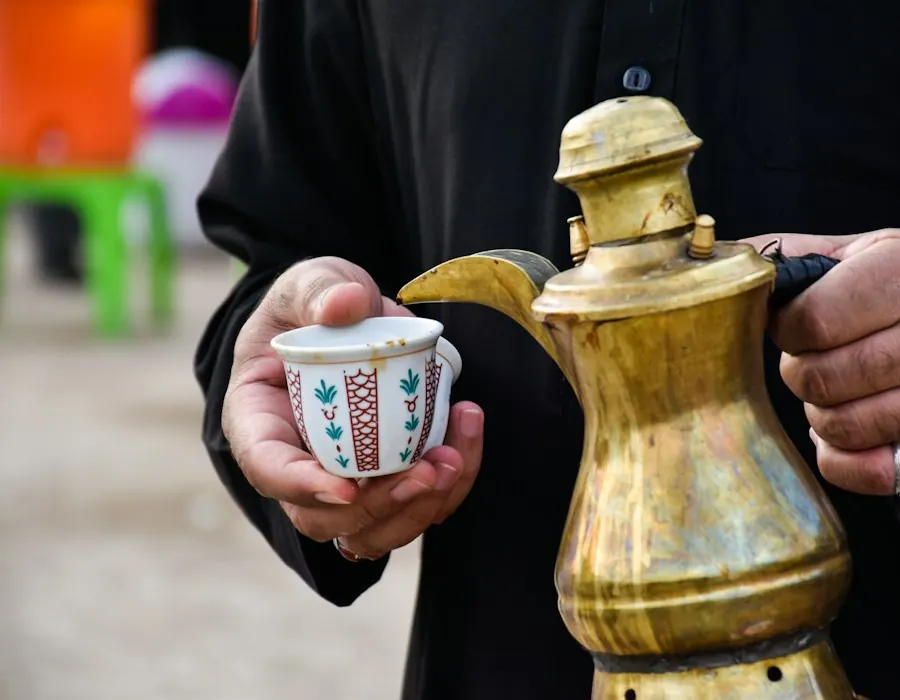 Coffee & conversationA friendship circle for people who enjoy cafés and unhurried conversation in Dubai. Low-pressure first meetings, close to home.
 Walkers & runnersA friendship circle for people who like morning walks, evening runs and beach paths in Dubai. Find a regular partner at your own pace.
Keep reading
 FriendshipMaking friends as a couple in Dubai (and keeping friends of your own)
 CirclesWhy a board-game night turns strangers into friends
 FriendshipMaking friends in your 30s and 40s in Dubai, when everyone seems busy
 FriendshipMaking friends in Dubai when you work long hours
 FriendshipMaking friends as an introvert in Dubai
 New in townHow to stay friends when people leave Dubai (and how to keep building your circle)
 IdeasHobbies that help you meet people in Dubai
 ResearchFrom acquaintance to friend: the follow-up habits that matter
- IdeasWalking and running spots in Dubai to explore with a friend
- IdeasThings to do with new friends in Dubai this autumn
- CirclesHow to host a small meetup that people actually come to
- FriendshipHow to start a conversation with someone new (without dreading small talk)
- IdeasWhere to meet people in Dubai when brunch and bars are not your thing
- CirclesWhy joining a circle makes friendship so much more likely
- IdeasThings to do in Dubai, and the reason your list never happens
- NewsTruFriend is now open in Dubai: real friendships, one good introduction at a time
- FriendshipHow to make friends in Dubai as a grown-up
- New in townNew to Dubai? How to build a social life in your first months
- ResearchHow long does it take to make a friend? What the research says
- SafetyHow to meet new friends safely in Dubai