It is a Tuesday in a café in Al Quoz, a little after seven. Two tables have been pushed together near the back, and a woman called Priya is unpacking a tote bag of boxes with the calm of someone who has done this many times. A man in a work lanyard hovers at the door, checks his phone, and very nearly leaves. Priya waves him over before he can. "You're here for games? Brilliant. Sit there. We're starting with something stupid."
The something stupid is a card game that takes four minutes to explain and twelve to play. Nobody at the table knows anyone else's surname. Within half an hour the man in the lanyard, whose name turns out to be Karim, has been betrayed twice by a nurse from Sharjah and is laughing so hard he has to put his cards face down. By nine o'clock he has agreed to come back next week. By Christmas he is the one bringing the boxes when Priya is away.
Priya and Karim are invented, but you will recognise the evening if you have ever been to one. Something happens around a games table that does not happen at a networking drinks or a brunch, and it is worth understanding why, because it tells you a lot about how friendship starts at all.
Something to look at that is not each other
The hardest part of meeting a stranger is the eye contact. Two people facing each other across a table, with nothing between them but a menu, have to produce the whole evening out of conversation. Every pause feels like a verdict.
A game puts something in the middle of the table. Everyone looks at the board, not at each other, and that small shift takes a surprising amount of pressure away. You can be quiet for a minute without it meaning anything. You can talk when you have something to say, rather than because the silence demands it. It is the same reason so many friendships have been made side by side, on a football terrace or a fishing pier, and the same reason a walk works better than a dinner for a first meeting. Shoulder to shoulder is easier than face to face.
The rules replace the small talk
Small talk exists because strangers need a script. Where are you from, what do you do, how long have you been in Dubai. In this city everyone has recited it so often that it has worn smooth.
A game hands you a better one. The rules tell you what to say and when to say it. It is your turn, you need wheat, does anyone have a blue card. Nobody has to be interesting. The conversation has a purpose, and the personal stuff arrives sideways, in the gaps. You learn that the quiet accountant is ruthless, that the loud one is secretly generous, that someone keeps apologising to the person they have just beaten. You find out more about a person in an hour of play than in three rounds of "so what brought you here", and none of it felt like an interview.
Shared laughter, which is the real currency
Games go wrong in funny ways. Someone misreads a card and gives away the whole plan. Someone else builds an elaborate strategy that collapses on the last turn.
That laughter matters more than it seems. Laughing at the same thing, at the same moment, is one of the quickest ways strangers stop being strangers. It creates a tiny shared history on the spot. The next week you are not six people who met once. You are six people who were there when Karim tried to trade a sheep for a road, and that is a start.
Low stakes, and the same people next week
The other quiet virtue of a games night is that nothing is riding on it. You are not being assessed as a potential friend. You are trying to win a game about trains. If you do not click with someone, you play one round and move to the other table. If you do click, you have an excuse to sit together again.
And the excuse comes back every week, which is the part that really does the work. Rebecca Adams, a sociologist who studies friendship, describes three conditions it has always needed: being near each other, meeting again and again without having to arrange it, and a setting relaxed enough for people to let their guard down. A weekly games night supplies all three in one go. Jeffrey Hall at the University of Kansas estimated that it takes roughly 50 hours together to go from acquaintance to casual friend, and around 90 to become a real friend. Three hours on a Tuesday, every week, gets you there by spring without anyone having to be brave. A string of one-off evenings never does.
Choose games a newcomer can learn in five minutes
If you are the one organising, the choice of game matters more than your collection. The instinct is to bring out your favourite, the heavy one with forty pages of rules and a map the size of a coffee table. Resist it. A newcomer who spends the first hour confused will not come back, and a newcomer who wins a round in the first twenty minutes almost certainly will.
Start with something quick and loud. Party word games like Codenames or Just One, a fast card game like Sushi Go or Dobble, even a battered pack of Uno. These play in fifteen minutes, reward people who have never seen them before, and produce the most laughter per minute. Once a table has warmed up, a middling game like Ticket to Ride or Catan gives people something to settle into.
Co-operative games, where everyone wins or loses together against the board, are another good first choice. Nobody gets knocked out, nobody feels picked on, and the table becomes a team within minutes, which is rather the point.
How to be a good host
A good games host is less like a quizmaster and more like the person at a party who notices who is standing alone. Arrive early, set up a game before anyone gets there, and seat newcomers next to someone patient. Explain rules briefly and teach as you play; nobody remembers the lecture anyway. Watch for the person who has not spoken in twenty minutes and ask them what they think the next move should be.
Keep the tables small. Four to six players is the sweet spot, and two tables of five are far friendlier than one table of ten where half the group is waiting for a turn. Pick a place that is easy to reach, whether that is a café that does not mind you staying for three hours if you keep ordering, or a community room in your building. Set a clear finish time. And then do the unglamorous thing that makes a group exist: hold it on the same day, at the same time, every week. There is more on this in our guide to hosting a small meetup.
How to be a good new player
If you are the newcomer, your job is easier than you think. Say that it is your first time. People at games nights love teaching, and admitting you have no idea what you are doing gets you help and goodwill at once. Ask questions, laugh at your own bad moves, and be gracious whether you win or lose. The one thing tables quietly remember is how someone behaves when the game goes against them.
Go at least three times before you decide whether it is for you, because the first evening is always the most awkward and the third is when people start saying your name. And when the game ends, do not rush for the door. The ten minutes of packing up, when everyone is putting cards back in the wrong boxes, is where the real conversations happen.
When a table becomes a group
You can usually tell the moment a games night turns into something more. Somebody suggests food afterwards. Someone else starts a group chat so people can say if they are running late. One week a regular is missing and the table asks where they are. A few months in, two of the players go to Alserkal Avenue on a Saturday without any game at all.
That is the table becoming a group, and the group becoming friends. It happens not because anyone set out to make friends, but because the same people kept turning up for something they enjoyed, and the friendship grew quietly at the edges. If you want to help it along, be the one who makes the first suggestion outside the game. It is a small step, and it is almost always the one that turns an acquaintance into a friend.
Where TruFriend fits
The board games circle on TruFriend exists for exactly this. It is a small group of people who enjoy games, with a quick question every week to get people talking before they have even met. Any member can start a plan, choosing a day, a time, a public place such as a café and the number of seats at the table, and others in the circle join until it is full. If you are free at short notice, "Free today" lets the circle know, which is how a spare Wednesday turns into a round of cards.
Alongside the circles, Tru, our assistant, learns what you enjoy, when you are free and how far you will travel, and introduces you to a few people nearby who fit, with the reasons you might get along. A conversation opens only when both of you say yes, and every member's photo is checked, so everyone at the table is a real person.
Friendship only, for grown-ups aged 18 and over, and free for founding members. Request an invite and we will email you a personal invitation.
Don’t just read about it
Join a circle of people in Dubai who enjoy the same things. Members already on TruFriend can join from the app or suggest a plan in any chat.
 Board games & quizzesA friendship circle for board games, card games and quiz nights in Dubai. Meet people for friendly competition and easy conversation.
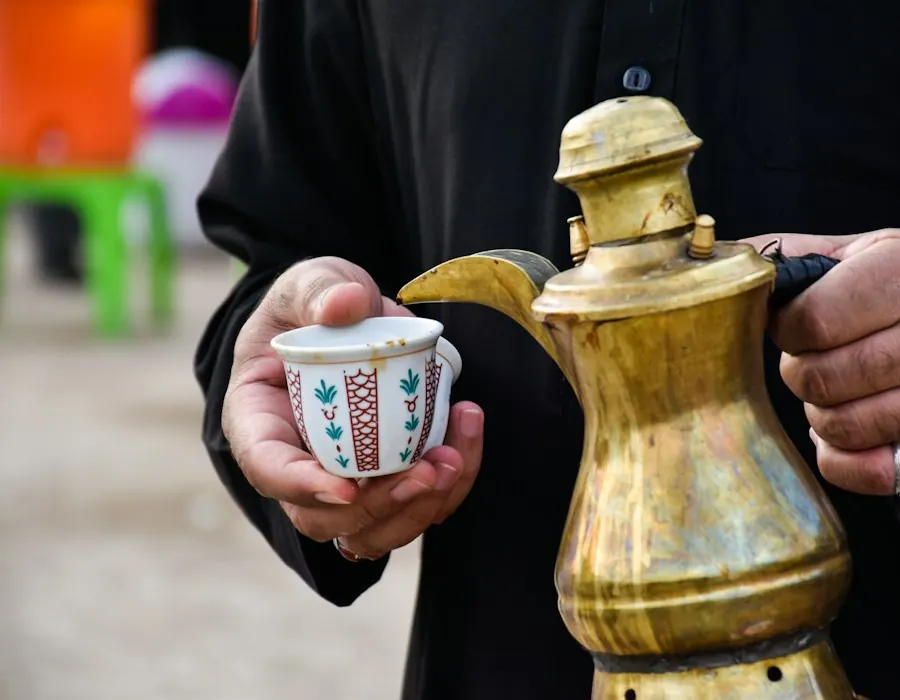 Coffee & conversationA friendship circle for people who enjoy cafés and unhurried conversation in Dubai. Low-pressure first meetings, close to home.
 New in DubaiA friendship circle for people who have recently moved to Dubai: settle in, explore the city and build a social life with others doing the same.
Keep reading
 FriendshipMaking friends as a couple in Dubai (and keeping friends of your own)
 FriendshipMaking friends in your 30s and 40s in Dubai, when everyone seems busy
 FriendshipMaking friends in Dubai when you work long hours
 FriendshipMaking friends as an introvert in Dubai
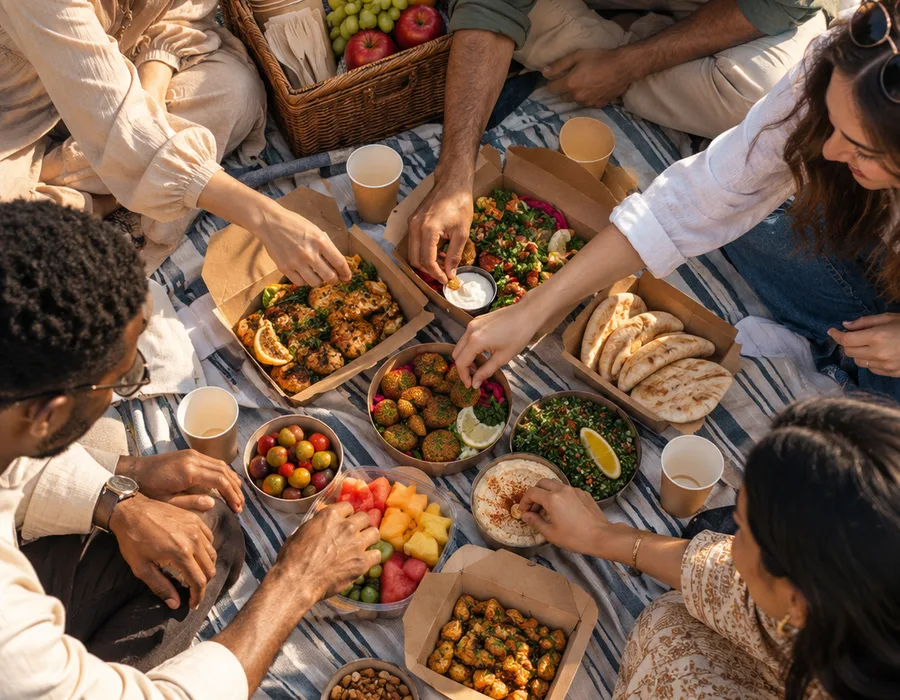 New in townHow to stay friends when people leave Dubai (and how to keep building your circle)
 IdeasHobbies that help you meet people in Dubai
 ResearchFrom acquaintance to friend: the follow-up habits that matter
- IdeasWalking and running spots in Dubai to explore with a friend
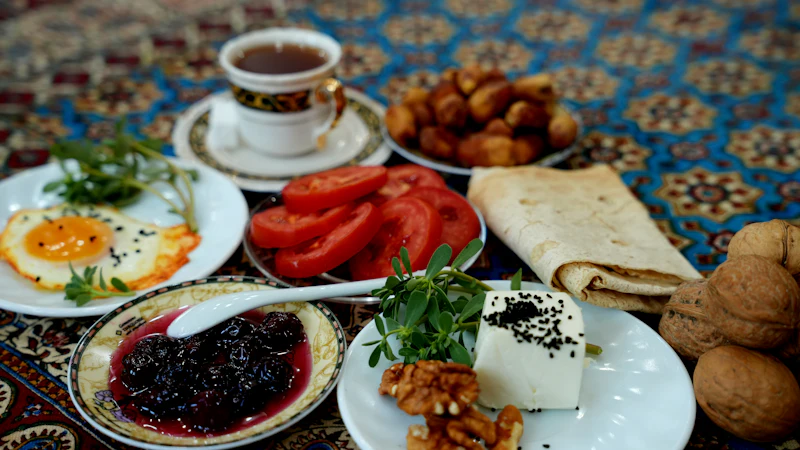 IdeasThings to do with new friends in Dubai this autumn
- CirclesHow to host a small meetup that people actually come to
- FriendshipHow to start a conversation with someone new (without dreading small talk)
- IdeasWhere to meet people in Dubai when brunch and bars are not your thing
- CirclesWhy joining a circle makes friendship so much more likely
- FriendshipIs it normal to feel lonely in Dubai? What to do about it
- IdeasThings to do in Dubai, and the reason your list never happens
- NewsTruFriend is now open in Dubai: real friendships, one good introduction at a time
- FriendshipHow to make friends in Dubai as a grown-up
- New in townNew to Dubai? How to build a social life in your first months
- ResearchHow long does it take to make a friend? What the research says
- SafetyHow to meet new friends safely in Dubai