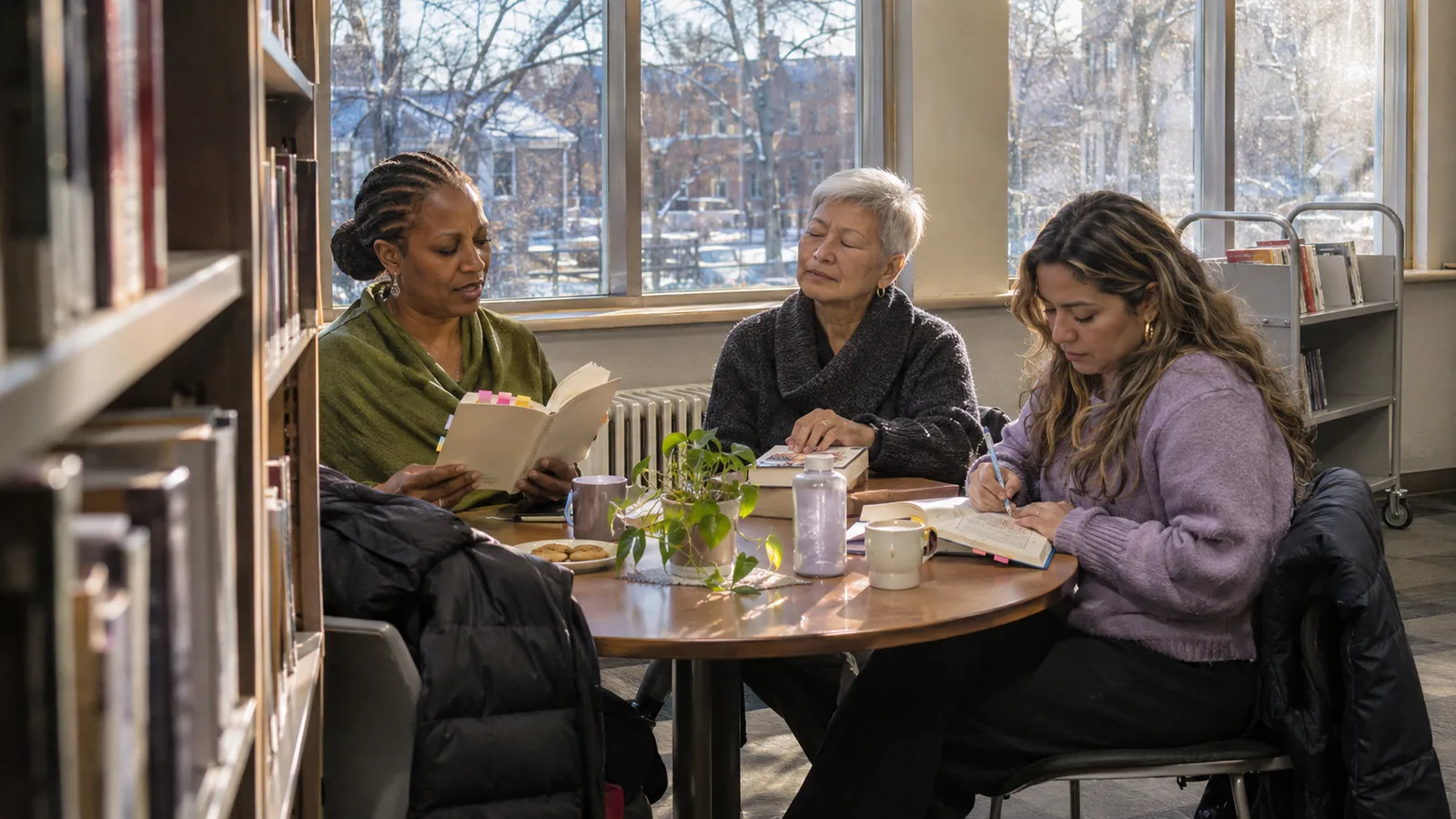
There is a particular kind of loneliness that belongs to readers. You finish a book that rearranges something in your head, you close it on the subway, and there is nobody to tell. Your colleagues have not read it. Your friends back home are asleep in another time zone. You post a line about it online and get two polite likes. The book sits on your shelf, finished and undiscussed, and the feeling fades before you ever put it into words.
Toronto is a good city to fix that in, partly because of an institution most residents walk past every week without thinking about it: the Toronto Public Library. With around a hundred branches across the city, it is one of the busiest public library systems in the world, and a library card is free for people who live, work or study here. It is also, quietly, one of the best places in the city to meet people who love the same things you do.
Why books make friendship easier
Most attempts to meet new people stall on the same problem: there is nothing in particular to talk about. Small talk about work and weather runs out after ten minutes, and both people start glancing at their phones.
A shared book solves this instantly. It gives a conversation a centre. You are not trying to be interesting; you are talking about a character who made a terrible decision, an ending you are still angry about, a chapter that reminded you of your grandmother. And because people respond to books so differently, these conversations reveal more about each other than an hour of polite questions ever would. You learn what someone finds funny, what they forgive, what they find unbearable, all without anyone having to say "tell me about yourself".
Books also give a natural reason to meet again. A reading circle has a built-in next step: next month's book. That rhythm, a fixed reason to see the same people every few weeks, is exactly what turns a pleasant evening into an actual friendship.
Priya's accidental book club
Priya moved to Toronto from Pune with her husband, who had a job lined up at a bank. She did not, at first, and spent her early months applying for roles and spending long afternoons at the Toronto Reference Library near Yonge and Bloor, because it was warm, quiet and free, and because the tall open atrium made her feel less alone than her apartment did.
She started noticing the same faces. A woman in her sixties who always sat by the window with a stack of novels. A young man who read poetry with a pencil behind his ear. One afternoon the woman by the window saw Priya's copy of a novel she had just finished herself and said, without preamble, "Have you got to the part with the letters yet? Don't let anyone spoil it." They ended up talking on the steps outside for forty minutes.
That conversation became a coffee, the coffee became a monthly meeting, and when Priya joined a book lovers' circle on TruFriend a few weeks later, she brought the woman from the window along. The group now has six regulars, meets once a month and has read everything from crime novels to a very long Russian classic that took them three months and nearly ended the club. Priya found a job eventually. She kept the book club.
Where reading friendships grow in Toronto
The Toronto Reference Library is the flagship: a striking building with a soaring atrium and reading spaces on several levels, and a natural landmark for a first meeting. Neighbourhood branches across the city are often just as useful, especially the smaller ones where regulars quickly recognise one another. Many branches host free events, author talks and reading groups; the library's own listings are the best place to check what is on.
Toronto also has a strong culture of independent and second-hand bookshops, and an afternoon spent browsing shelves together, followed by coffee, is one of the most relaxed plans a small group can make. In warmer months, a reading afternoon in a park, everyone with their own book and a shared blanket, is a gentle way for quieter people to spend time together without pressure to talk constantly.
For meeting spots that suit readers, see our Toronto places for book lovers, and for quiet cafés where a conversation can run long, our coffee and conversation places.
How to run a reading circle that lasts
Keep it small. Four to eight people is the right size. Fewer and a single absence kills the evening; more and quiet members never speak.
Choose books that are easy to get. Pick titles available at the library or in paperback. A book that costs a lot or takes weeks to arrive quietly excludes people.
Mix long and short. A diet of six-hundred-page novels wears groups out. Alternate a substantial book with something shorter: a novella, a memoir, a collection of essays. Momentum matters more than ambition.
Let people come without finishing. The fastest way to shrink a book club is to make people feel guilty for not reading the whole thing. Make it clear that anyone who read half, or only the first chapter, is still welcome. Spoilers are part of the deal.
Rotate who picks. When everyone takes turns choosing, everyone feels ownership, and the group reads more widely than any one person would alone.
Talk about more than the book. The book is the starting point, not the whole evening. The best reading circles spend half the time on the novel and the other half on life, and that second half is where friendship actually happens.
A first meeting that works
The first meeting of a new reading circle sets its tone, so keep it simple. Start with ten minutes of introductions that are about books rather than jobs: the last book each person loved, or the one they have pretended to read for years. Then open the chosen book with one easy question, such as which character people would most like to have dinner with, before moving to the harder ones. Finish by agreeing the next book and the next date before anyone leaves. A group that leaves with a date in the diary usually meets again; a group that promises to "sort it out in the chat" often does not.
Not only for big readers
You do not need to read fifty books a year to belong. Some of the warmest reading circles are made up of people who used to read a lot, drifted away from it during busy years and want a gentle reason to start again. Others include people reading in their second or third language, which in a city as international as Toronto is common and often makes the discussion richer, not harder. Audiobooks count. Rereading a favourite counts. Coming mainly for the company counts too.
If you are new to the city, our guide on how to make friends in Toronto explains why repeated contact matters so much, and meeting people in Toronto in winter includes more indoor ideas for the cold months, when a library or bookshop is exactly where you want to be.
Starting one yourself
If there is no reading group near you, it takes very little to begin one. Pick a short, widely available book, a meeting place that is public and quiet, and a date three or four weeks away, then invite people through the Book lovers circle. The first meeting might be three people. That is fine. Three people who come back next month are worth more than fifteen who come once.
Priya likes to say that the library gave her a city before Toronto did. The building was free, the books were free, and the friendships that started there cost nothing but showing up again. If you would like to find people to read with, join TruFriend; it takes a minute.
Don’t just read about it
Join a circle of people in Toronto who enjoy the same things. Members already on TruFriend can join from the app or suggest a plan in any chat.
 Book loversA friendship circle for readers in Toronto who want to talk about books with people, not only online.
 Coffee & conversationA friendship circle for people who enjoy cafés and unhurried conversation in Toronto. Low-pressure first meetings in small groups, close to home.
 Language exchangeA friendship circle for people learning a language in Toronto: practise with people who are learning yours, over coffee rather than in a classroom.
Where to meet in Toronto
Public places picked for small groups of 3 to 10, sorted by interest and area.
Keep reading
 CirclesLanguage exchange in Toronto: learn a language, find friends
 FriendshipPet lovers in Toronto: how dogs (and cats) bring people together
 IdeasToronto's galleries and museums are better with friends
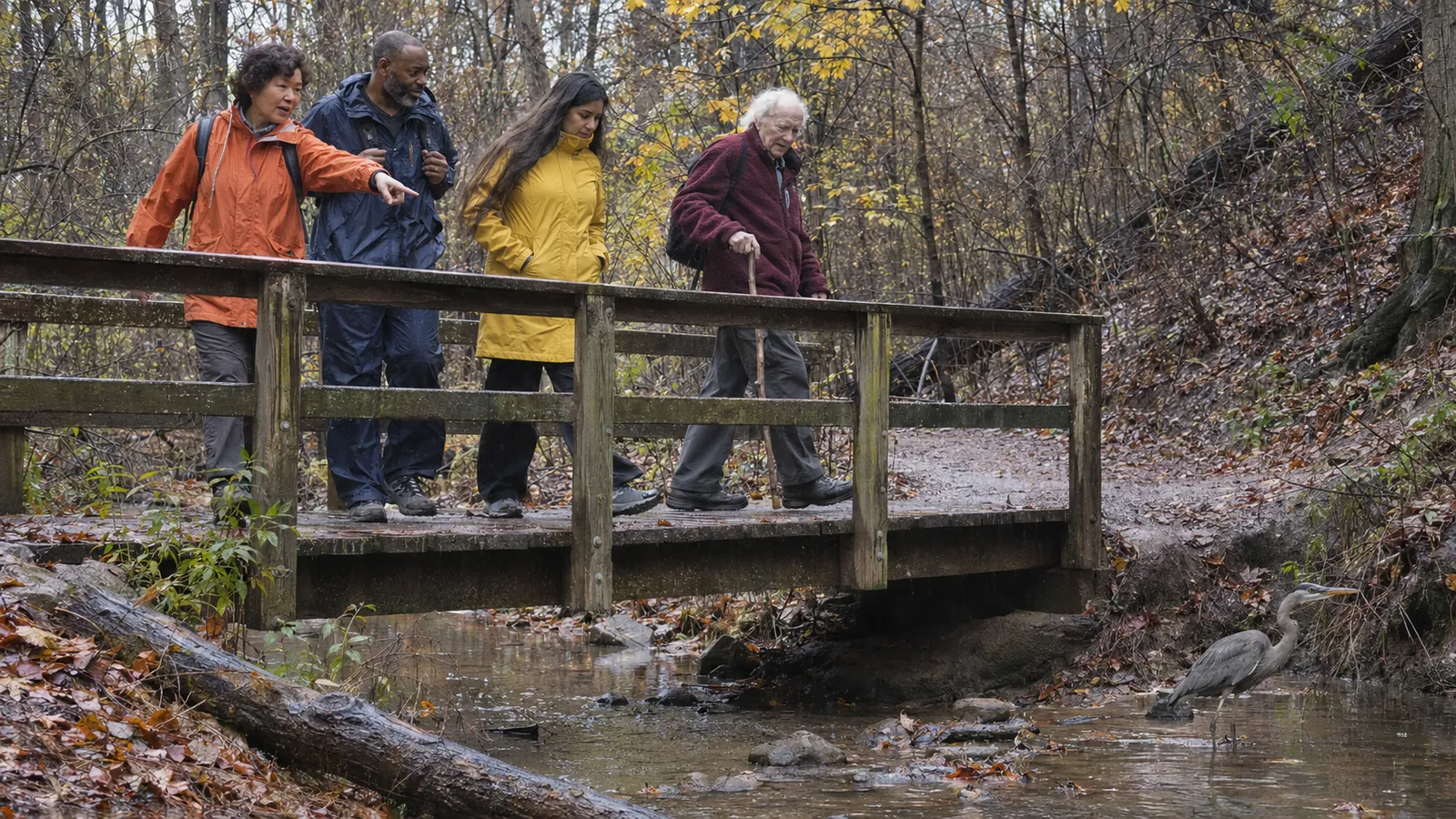 IdeasToronto's ravines: the walk that turns strangers into friends
 FriendshipNew in Toronto: what to do in your first month so the city stops feeling like a hotel
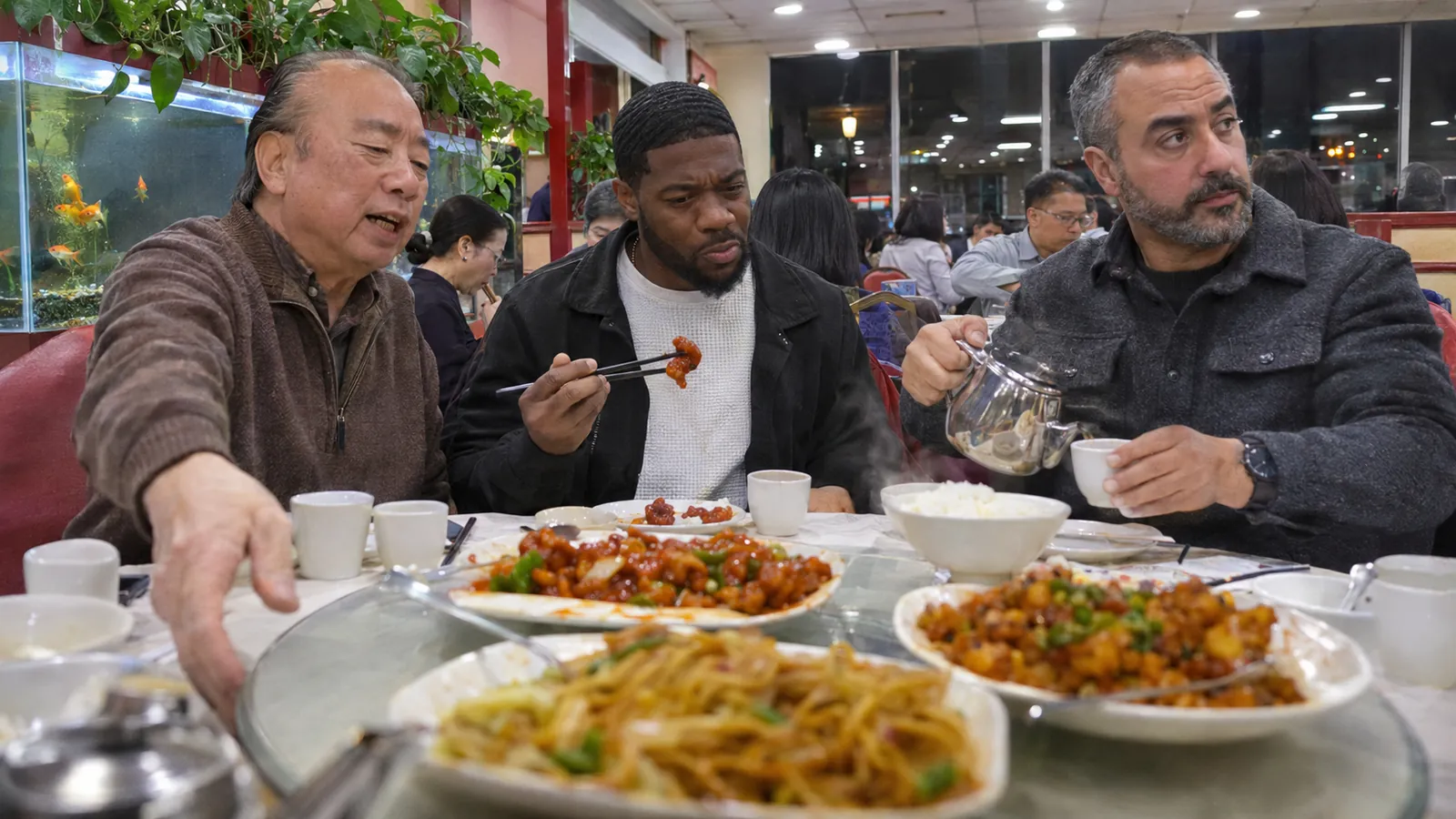 IdeasEating together in Toronto: how a shared table builds friendships faster than anything else
 IdeasWhere to meet people in Toronto in winter, when nobody wants to stand outside
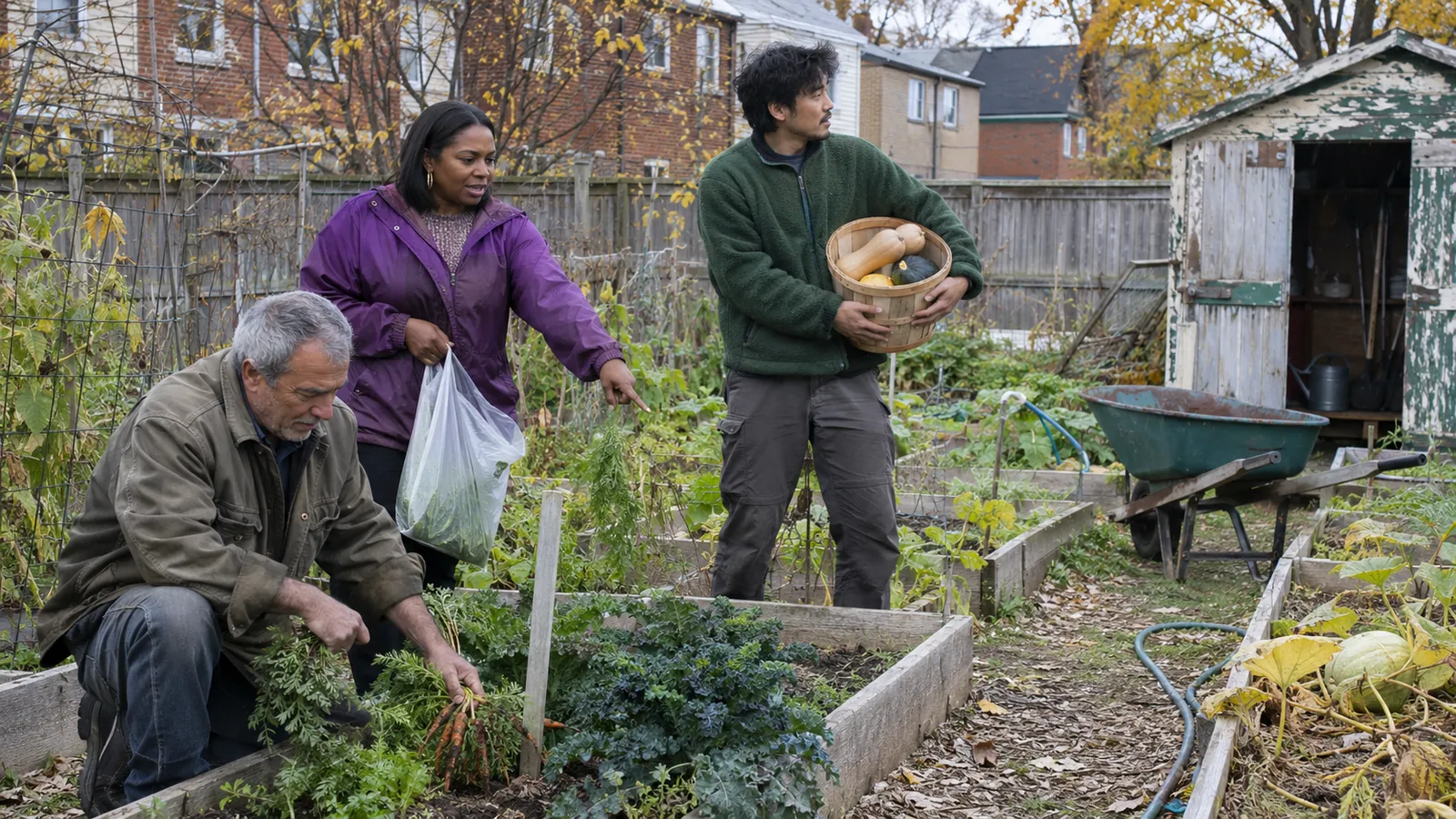 FriendshipHow to make friends in Toronto as a grown-up
 NewsTruFriend is now open in Toronto