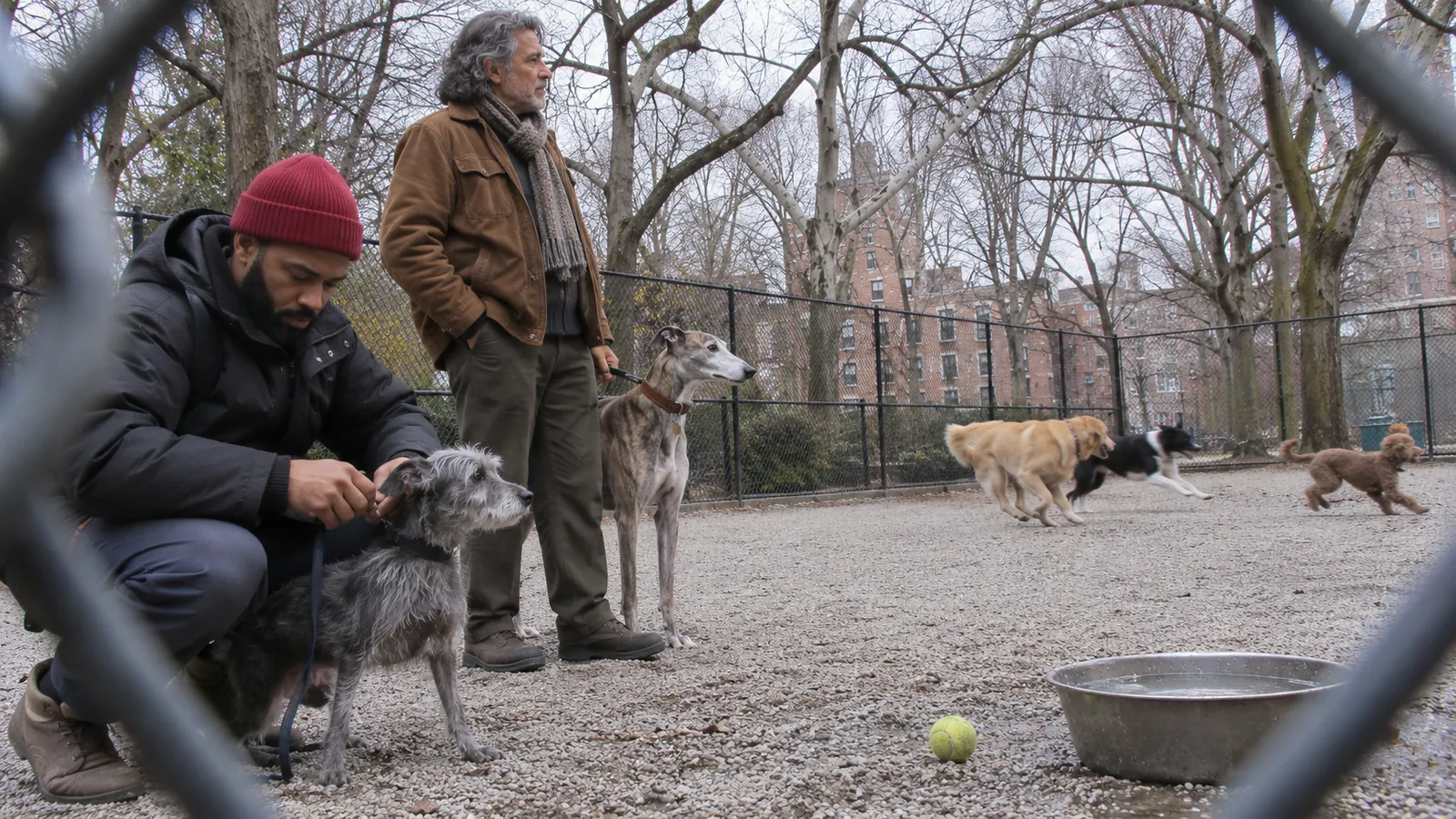
When Kenji adopted a scruffy terrier called Mochi, he expected the dog to change his evenings. He did not expect it to change his friendships. He had moved to the East Village from Seattle for a job in design, and for months his social life had been limited to colleagues and the occasional video call home. Then Mochi needed walking twice a day, and twice a day Kenji found himself in the dog run at Tompkins Square Park, standing beside the same handful of people while their dogs chased each other in circles.
At first the conversations were only about the dogs: names, ages, which food, which vet. But dog people see each other every single day, and daily small talk adds up. Within a month Kenji knew that the woman with the grey poodle was a nurse who worked nights, that the retired man with two beagles had lived on the same block since the 1970s, and that the student with the anxious rescue dog was new to the city too. By winter the regulars had a group chat, a Sunday coffee after the morning run and a rota for minding each other’s dogs when someone travelled. Mochi made the introductions. The friendships did the rest.
Why animals make it easier to meet people
Animals take the pressure off. Starting a conversation with a stranger can feel awkward, but asking about their dog never does. Pets give people an instant, friendly subject, and they fill any silence with something to watch and laugh at. Psychologists have long noticed that people walking with a dog are approached far more often than people walking alone, and anyone who has spent ten minutes in a dog run knows why.
Pets also create routine. A dog needs walking every day, at roughly the same times, in roughly the same places. That repetition is exactly what friendship needs. You do not have to arrange anything. You simply keep turning up, and so do the same few people, until one day you realise they have become part of your life.
And you do not need a pet of your own to be part of it. Many animal lovers in New York live in buildings that do not allow pets, or work hours that make owning one impossible. For them, volunteering at a shelter, joining friends on dog walks or visiting places where animals are welcome are just as good a way to meet people who share the same soft spot.
Dog runs: the city’s neighbourhood meeting places
New York has dog runs in parks across all five boroughs, fenced areas where dogs can play off the lead. The one in Tompkins Square Park in the East Village is one of the best known, and many neighbourhoods have their own, from Washington Square Park to Riverside Park on the Upper West Side and parks across Brooklyn and Queens. Each has its regulars and its own small culture, and visiting at the same hour for a week is the quickest way to become one of the familiar faces.
Dog runs work so well socially because everyone stands still. Unlike a walk, where people pass each other, a dog run keeps the same people together for twenty minutes or more while the dogs play. Conversations start, stop and start again, and nobody has to think of an excuse to stay.
Park mornings and the off-leash hours
Some of New York’s big parks allow dogs off the lead during set hours, usually early in the morning and late in the evening, in particular areas. Central Park and Prospect Park are famous for their early-morning dog scene, when meadows fill with dogs and their owners before the parks get busy. The rules on where and when are specific and do change, so it is important to check each park’s current rules before you go and to keep dogs on the lead everywhere else.
Those early hours have a community of their own. The same people meet at the same spot at the same time every morning, often with coffee in hand, and many lasting friendships in the city began in a meadow at seven in the morning with two dogs tumbling through the wet grass.
A dog owner’s year in New York
The seasons shape a pet lover’s life in New York. Autumn is the best time of all, with cool mornings, crunchy leaves and dogs full of energy. Winter brings salted pavements, short walks and dogs in coats, and the regulars at the dog run huddle together with hot drinks while their dogs play in the snow. Spring fills the parks again, and in summer the early and late walks are the only comfortable ones, which is why the morning crowd is so loyal. Sharing those changes with the same small group is part of what turns neighbours into friends.
Shelters and volunteering
For animal lovers without a pet, the city’s animal shelters are a wonderful way to meet like-minded people while doing something that matters. Shelters across New York welcome volunteers to walk dogs, socialise cats, help at adoption events and support their staff. Volunteering usually starts with an orientation session, and the shelter’s own website explains how to apply. Working side by side with other volunteers every week, caring for animals that need help, builds trust quickly, because you see each other at your kindest.
Adoption events, often held at weekends in public places, are another easy way in. They are busy, cheerful and full of people who love animals, and helping at one is a gentle way to meet others without any pressure to talk about yourself.
Plans for a pet lovers group
- The same dog run, the same hour. Pick one, go every week, and let the regulars get to know you.
- A weekend dog walk. A small group walks a route through a big park, then stops at a café with outdoor seating where dogs are welcome.
- Volunteer together. Sign up for the same shelter orientation as a group and take shifts side by side.
- An adoption day. Help at, or simply visit, a weekend adoption event and finish with lunch nearby.
- Cat people too. Meet to share stories, swap advice and visit an adoption event for cats.
Being a considerate pet lover in the city
New York is a crowded city, and a pet lovers group works best when it respects everyone around it. Keep dogs on the lead outside the areas and hours where they may run free, always pick up after them, and remember that not everyone in a busy park loves dogs as much as you do. Introduce dogs to each other slowly, give nervous rescue dogs space, and ask before letting your dog greet a stranger or a child. A group that is known for being thoughtful is welcomed everywhere it goes.
If you would rather combine your pet’s walk with a longer route, our guide to Central Park and New York’s best walks with friends has plenty of ideas, and our guide to making friends in New York explains why routines like these matter so much.
How TruFriend helps
TruFriend is a friendship-only platform for grown-ups aged 18 and over, with no dating and no selling. Members share what they enjoy, where in the city they live and when they are usually free, and TruFriend introduces them to a small number of compatible people nearby. A chat opens only when both sides agree, and every plan takes place in a public place, like a dog run on a Sunday morning.
The Pet lovers circle brings together people who love animals, with or without a pet of their own. Outdoors is for those who would rather spend the weekend in the parks, and Walkers & runners gathers people who want a regular partner for a walk. You can also browse parks and outdoor places in New York chosen for small groups. Groups are small, from three to ten people, so the same faces, and the same dogs, come back week after week.
Mochi still makes the introductions. If you would like to meet other animal lovers, join TruFriend: it takes a minute.
Don’t just read about it
Join a circle of people in New York who enjoy the same things. Members already on TruFriend can join from the app or suggest a plan in any chat.
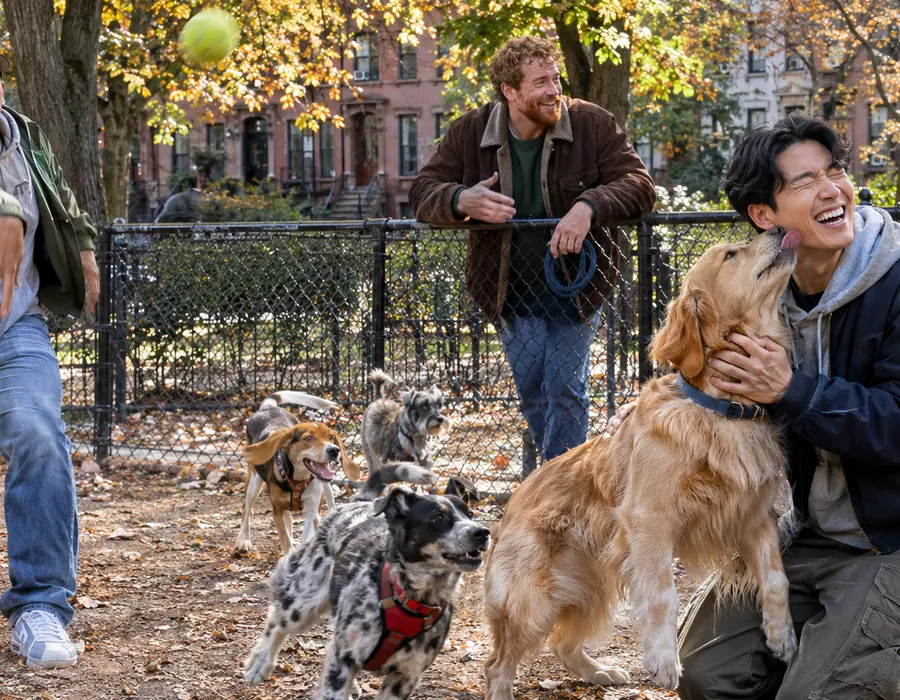 Pet loversA friendship circle for pet owners and animal lovers in New York: dog runs, early off-leash hours in the parks, shelter volunteering and swapping tips.
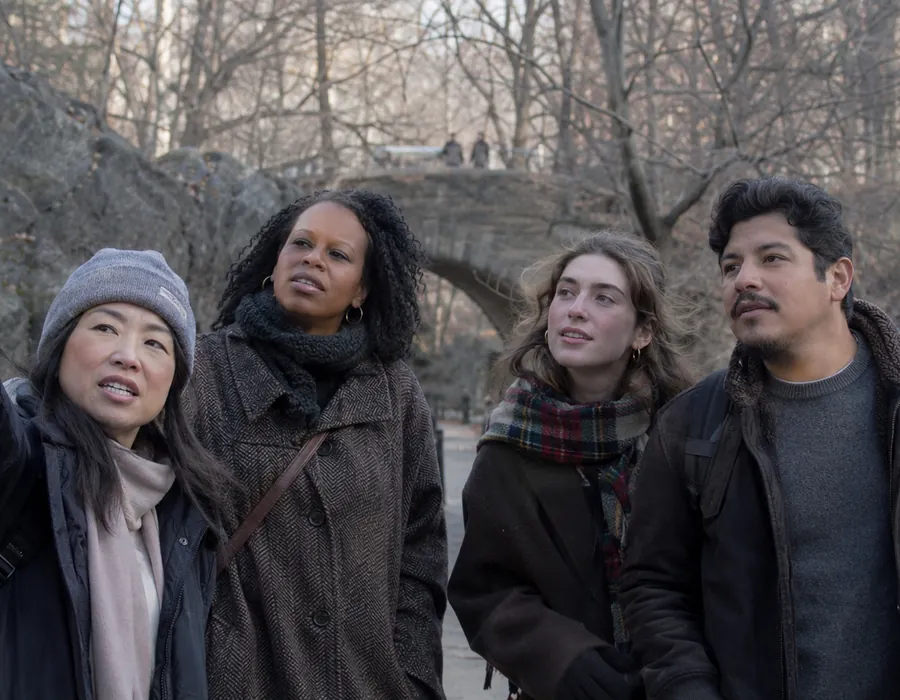 Hiking & outdoorsA friendship circle for hikes, nature walks and day trips around New York, especially in autumn.
 Walkers & runnersA friendship circle for people who like long walks, early runs and park and waterfront paths in New York. Find regular company at your own pace.
Where to meet in New York
Public places picked for small groups of 3 to 10, sorted by interest and area.
Keep reading
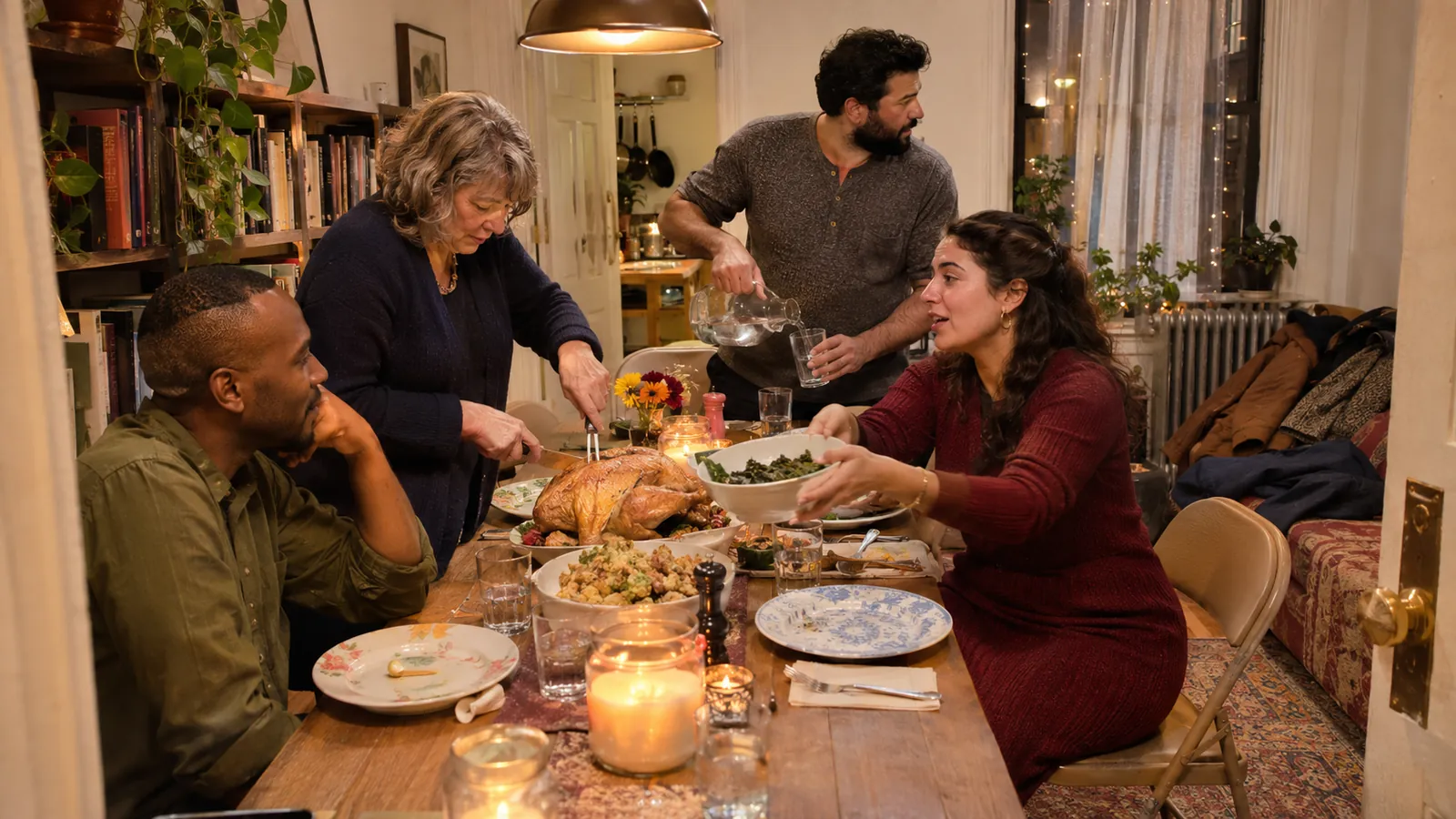 FriendshipFriendsgiving in New York: how to spend Thanksgiving with friends when your family is far away
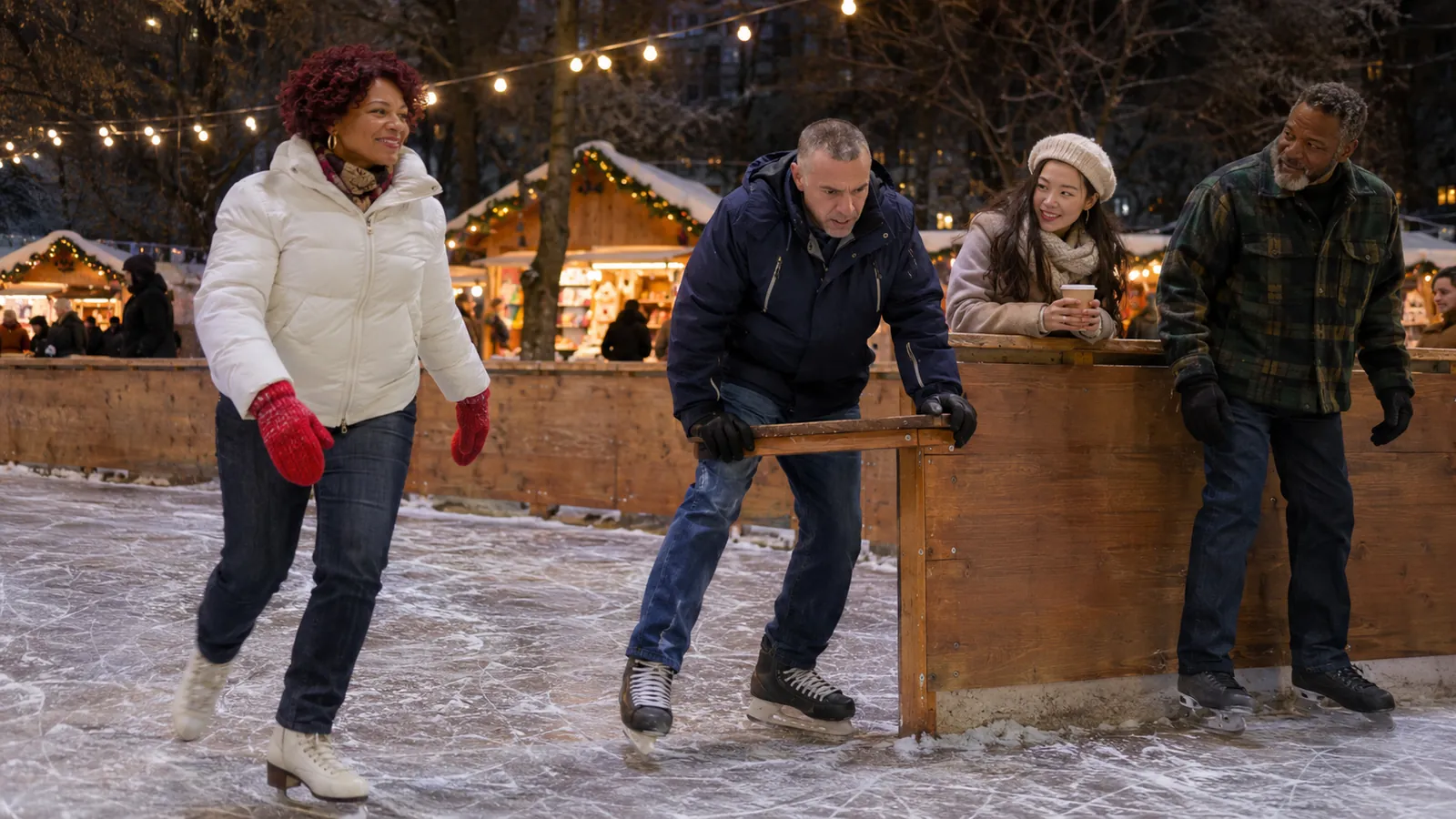 IdeasWinter in New York with friends: ice skating, holiday markets and the plans that make the cold months the friendliest of the year
 IdeasBook lovers in New York: how the city’s libraries and bookshops turn readers into friends
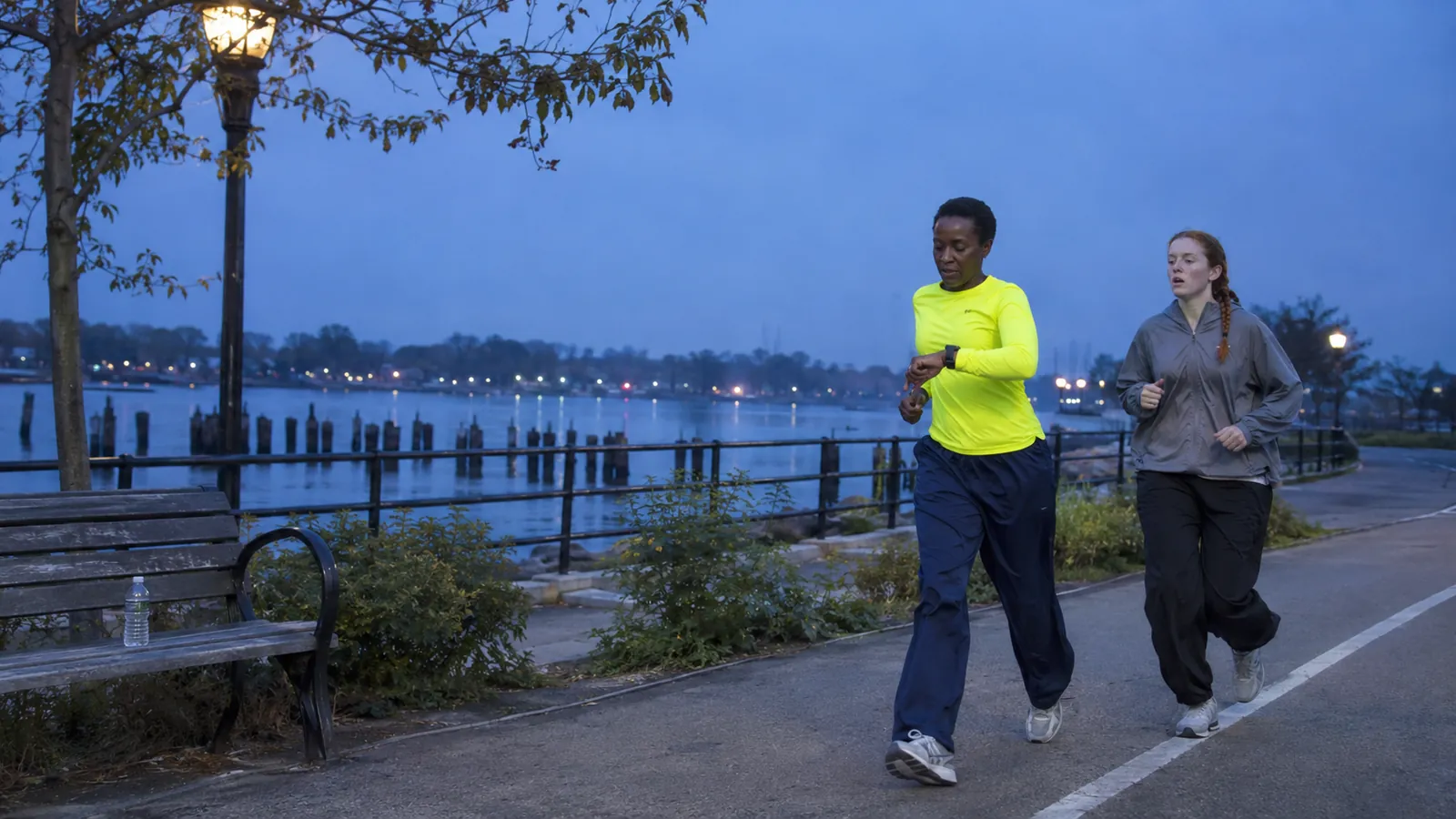 IdeasRunning with friends in New York: how Prospect Park and the Hudson River Greenway turn early miles into friendships
 FriendshipMaking friends in New York in your 30s and 40s: when the old crowd drifts away
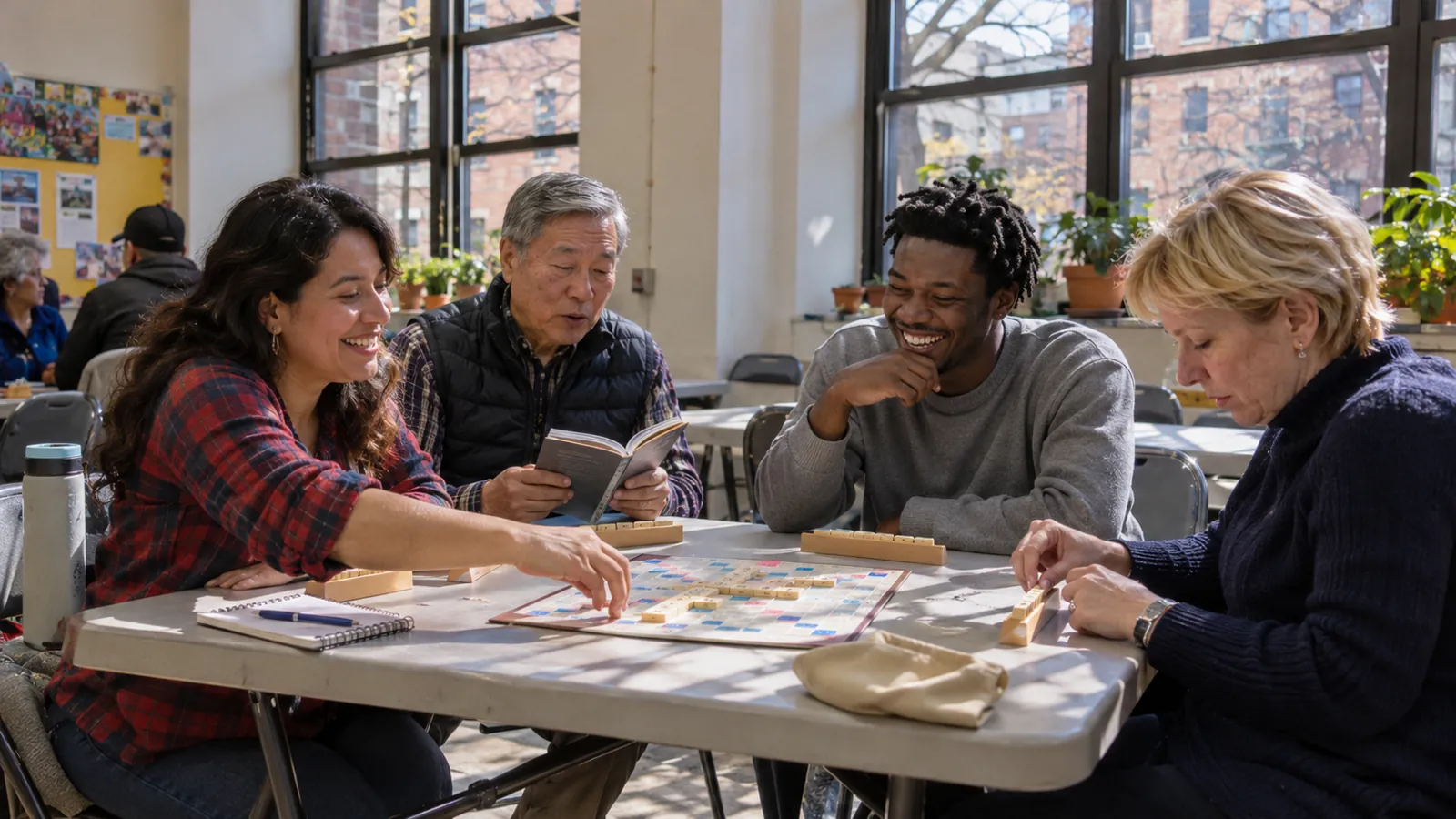 IdeasBoard games and language exchange in New York: the easiest way to talk to strangers
 IdeasBrooklyn Bridge, DUMBO and the waterfront: New York photo walks with friends
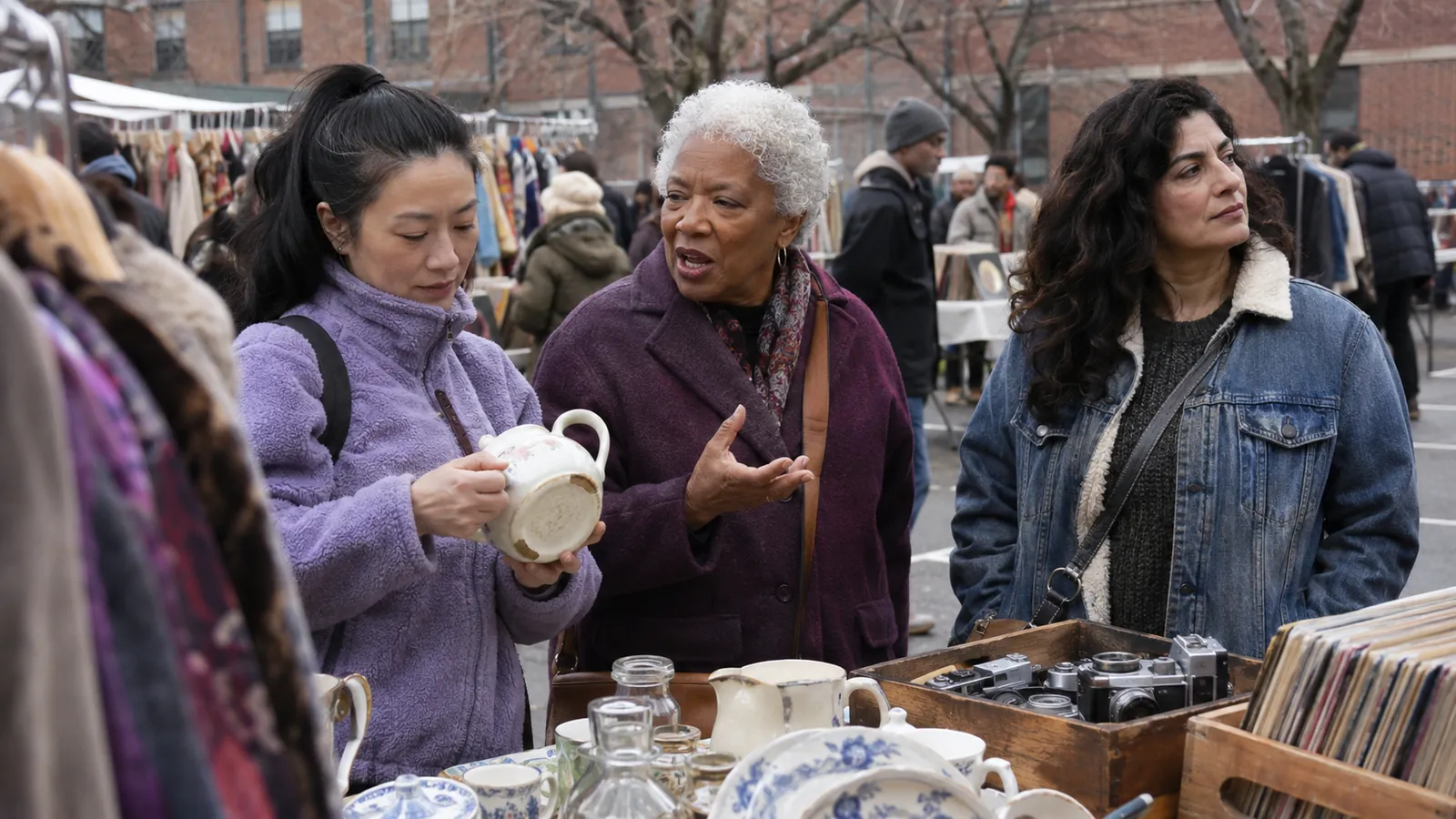 FriendshipMaking friends in New York as a woman: finding your people in a city of millions
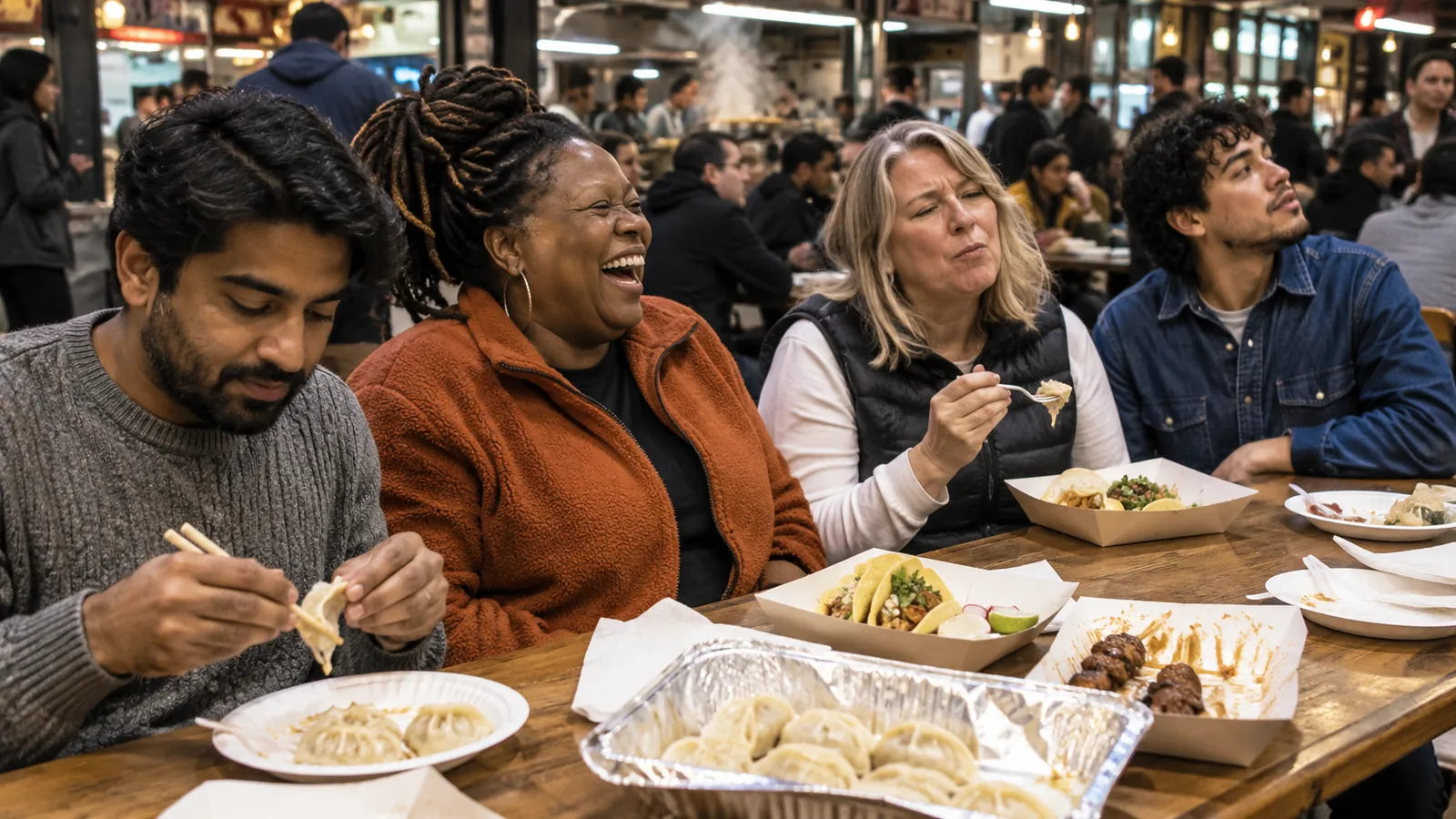 IdeasFood halls and neighbourhood food in New York: how sharing a table builds friendships
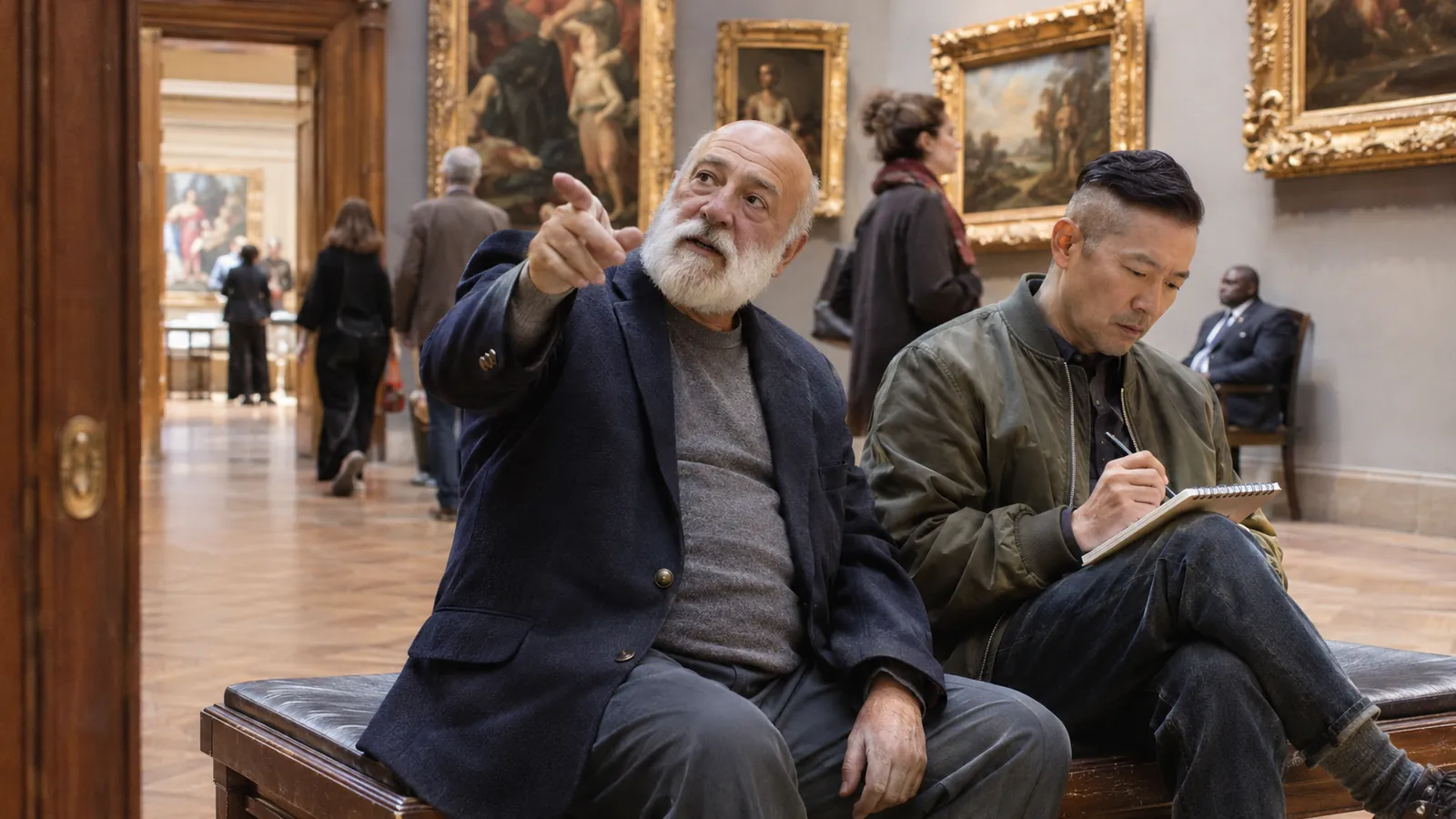 IdeasNew York museums with friends: why the city’s great galleries are better in a small group
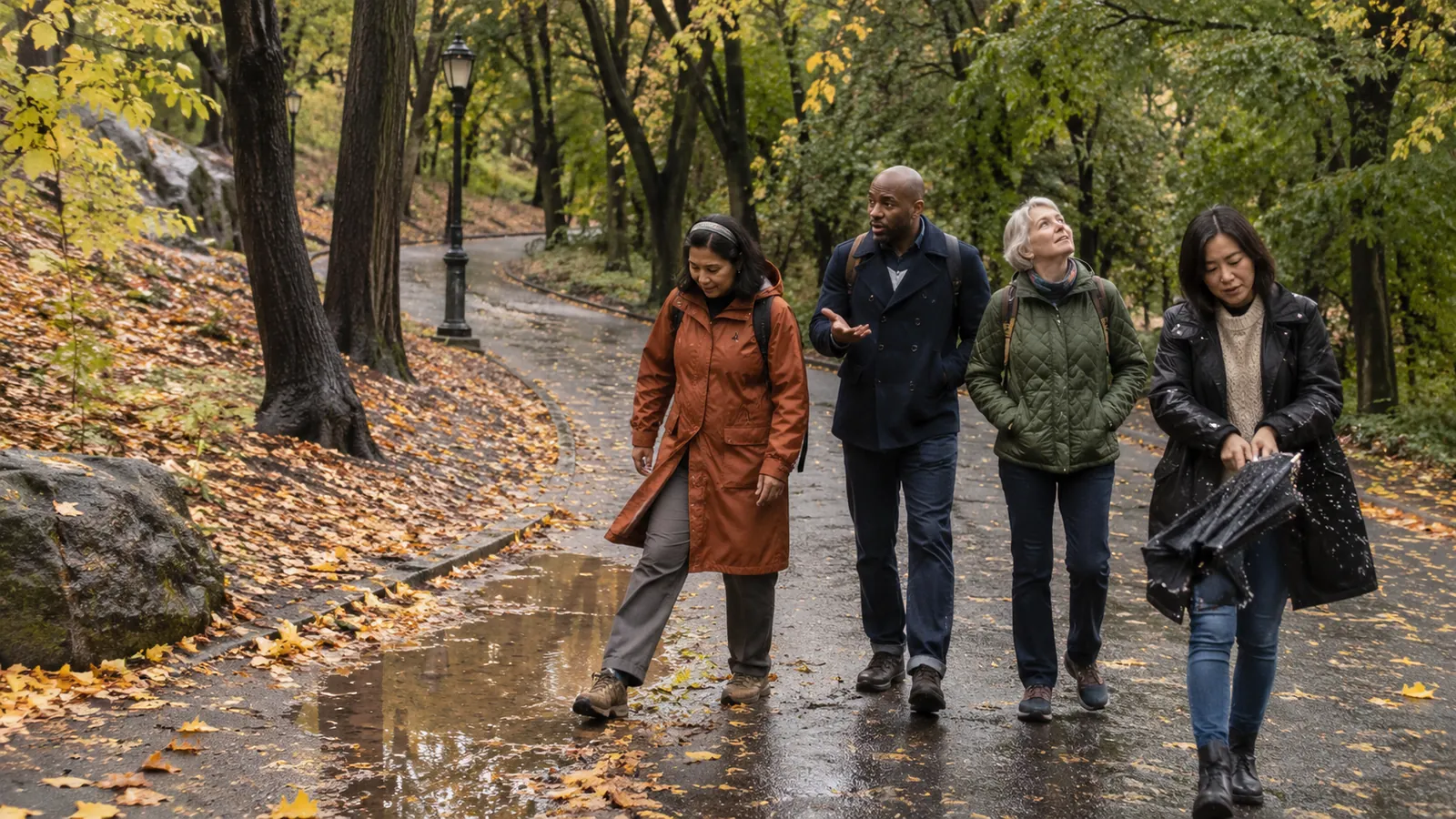 IdeasCentral Park and the best walks in New York to share with friends
 New in townNew in New York: how to build a social life in your first months
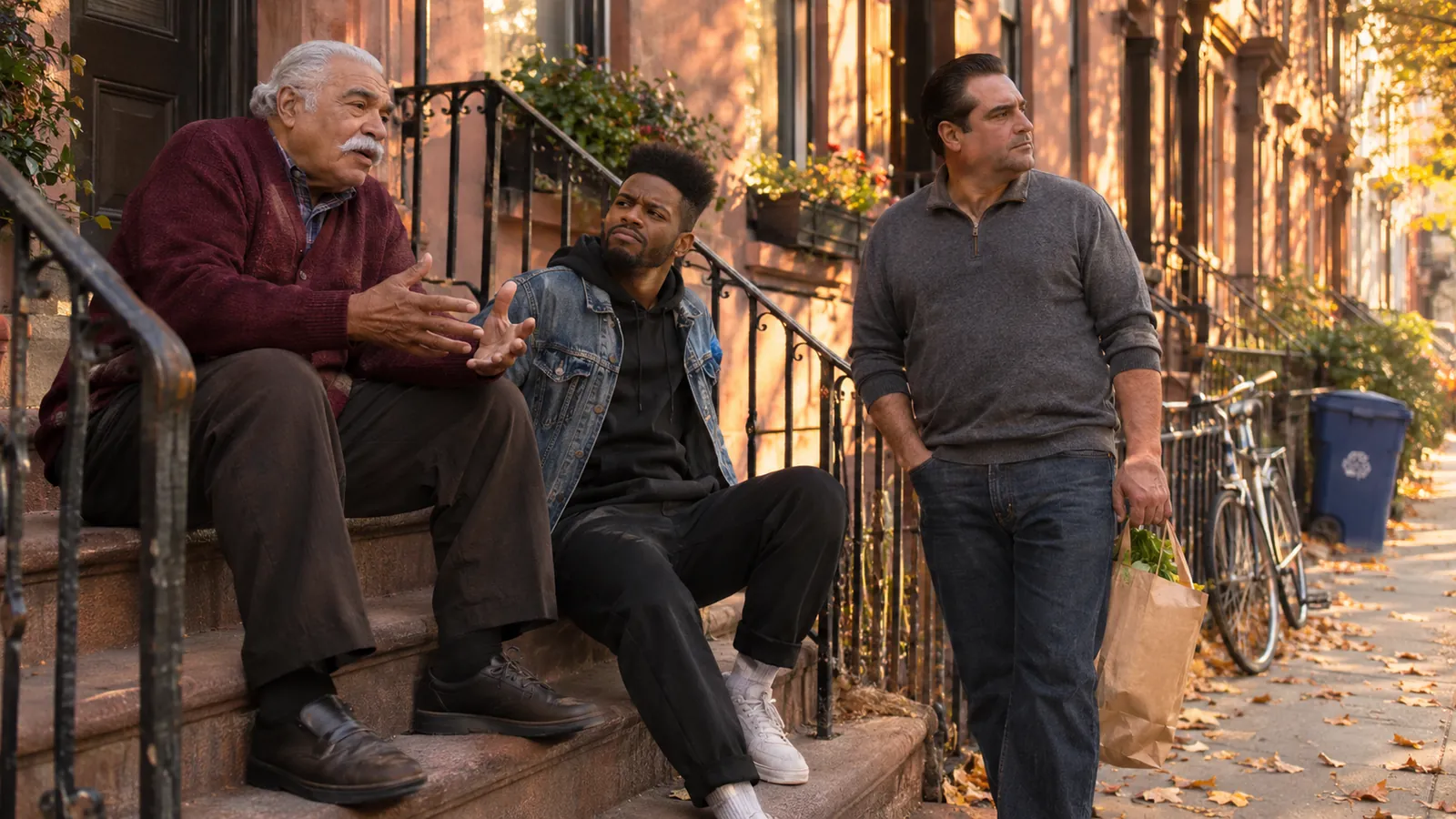 FriendshipHow to make friends in New York as a grown-up
 NewsTruFriend is now open in New York