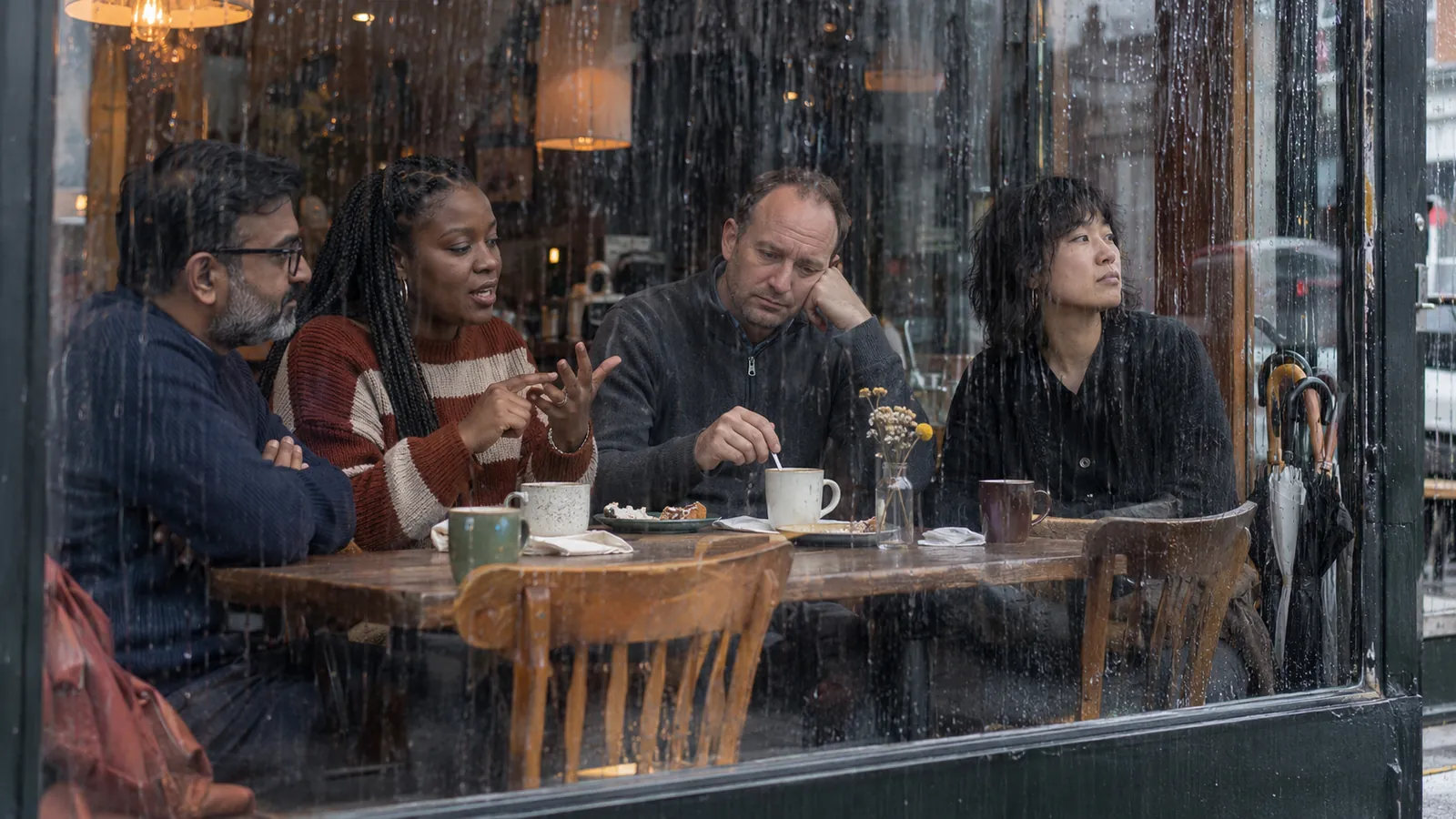
Daniel turned thirty-nine on a Tuesday in March and realised, somewhere between blowing out the candle on a cupcake and answering a work email, that he had not seen a friend in person for almost two months. It had not happened all at once. In his twenties, his life in New York had been crowded with people: roommates, colleagues, a softball team, friends of friends who became friends. Then, one by one, they went. Two couples moved to New Jersey for more space. A close friend took a job in Denver. Others had children and vanished into a world of nap times and birthday parties. The group chat that once buzzed every evening now woke up only for the occasional photo of a baby.
Daniel still loved the city. He liked his job, his small apartment in Astoria and his long walks along the East River. But for the first time, he felt lonely in it. He also felt embarrassed, as though making friends was something a grown man should have finished doing by now.
You are not the only one
If Daniel’s story sounds familiar, you are in very good company. Friendship researchers have found that the number of close friends people have tends to peak in their mid twenties and then slowly fall. The reasons are ordinary ones. Work becomes more demanding. Relationships and families take up more time. People move for jobs, schools or cheaper rent. In New York, the pattern is often sharper, because so many people arrive in their twenties and leave in their thirties, taking a whole layer of friendships with them.
The important thing to understand is that this is not a personal failure. It is a change in circumstances. In school and in your first jobs, friendships grow almost automatically, because you see the same people every day without planning to. Later in life, that automatic contact disappears, and friendship needs a little more intention. The good news is that grown-ups who make that small effort often find their new friendships are deeper and more honest than the ones they had at twenty-five.
The first step is the hardest
Daniel’s first step was a small one. A colleague mentioned that she had joined a Saturday morning walking group in Prospect Park, and that most of its members were in their thirties and forties. He went along, mostly out of politeness. There were six people at the Grand Army Plaza entrance that first morning, including a nurse called Sophia who had recently moved back to the city after a divorce, a father of two called Marcus who wanted one morning a week that was not about his children, and a quiet architect called Priya who had moved from Chicago the year before.
They walked the loop of the park at an easy pace, talking about nothing in particular. Afterwards, they sat on a bench by the lake with coffee from a cart and talked for another forty minutes. It was, Daniel said later, the first conversation in months that had not been about work or logistics. He went back the next week. Within a year, the group had become one of the fixed points of his life.
Looking back, he is glad he went before he felt ready. He had spent weeks telling himself he would try something once work eased off, once the weather improved, once he had lost a few pounds. None of those things happened. What changed his year was simply turning up.
Why small groups work better at this age
Many people in their thirties and forties find large social events tiring. A party full of strangers or a crowded networking evening can feel like hard work, and the conversations rarely go beyond the surface. Small groups of between four and eight people suit this stage of life much better. Everyone gets to speak. People remember each other’s names and stories. And because nobody is performing for a crowd, conversations can turn honest quite quickly.
Small groups also fit around busy lives. If one person cannot make it, the plan still happens. If someone has a sick child or a deadline, they can skip a week without letting anyone down. That flexibility matters when your time is no longer entirely your own. Sophia says the best thing about her group is that nobody ever makes her feel guilty for missing a Saturday, which is exactly why she rarely does.
Places that suit grown-up friendships
New York is full of public places that work well for small groups of grown-ups who would rather talk than shout over music. The city’s parks are the obvious start. Prospect Park and Central Park have loops for walking and running, lakes to sit beside and endless paths to explore. Hudson River Park runs along the west side of Manhattan for miles, and the High Line offers a slow, elevated walk with views over Chelsea. In Upper Manhattan, Fort Tryon Park and the Met Cloisters make a beautiful half-day outing in any season.
Museums are another favourite. Daniel’s group goes to a different one each month: the Metropolitan Museum of Art, the Museum of the Moving Image near his home in Astoria, the Brooklyn Museum, the Queens Museum with its enormous model of the whole city. Museums give a group something to talk about and somewhere warm to be in winter. The Brooklyn Botanic Garden in spring, when the cherry trees are in flower, has become an annual tradition.
Food matters too. Some weekends the group skips the walk and explores a neighbourhood market or a food hall instead, sharing small plates from different stalls. These meet-ups always take place in busy public places and in daylight or early evening, which makes them easy for anyone to join and easy to leave when the babysitter needs to go home.
The things nobody tells you
Daniel learned a few lessons along the way. The first was that repetition matters more than chemistry. He did not feel an instant connection with anyone in the walking group. Friendship grew slowly, Saturday by Saturday, as the hours added up. Research suggests that it takes dozens of hours together before someone moves from acquaintance to friend, and many more to become a close friend. There is no shortcut, but a regular plan makes those hours almost effortless.
The second lesson was that somebody has to suggest the next thing. In your thirties and forties, most people are willing but few are organising. Daniel discovered that if he simply said, before everyone left, “Same time next week?” or “Shall we try the Cloisters next month?”, the plan happened. Being the person who suggests is a small job, and it makes a big difference.
The third lesson was to stay open to people who are different from you. Daniel’s new friends include someone ten years older, someone ten years younger, a parent, a recent divorcee and a man who moved to New York from Lagos at forty-two. In his twenties, his friends were mostly people exactly like him. He says his life is richer now.
Where TruFriend fits
Not everyone has a colleague who happens to mention a walking group, and starting from scratch in your thirties or forties can feel awkward. That is where TruFriend can help. It is a free platform for friendship only, for grown-ups aged 18 and over, and it is now open in New York. Tru, our assistant, learns what you enjoy, where you live and when you are usually free, then introduces you to a few compatible people nearby. A conversation only opens when both of you say yes, and every plan takes place in a public place, like a park, a museum or a busy café.
The Coffee & conversation circle suits people who want an easy, honest chat. Walkers & runners is there for those who like to talk on the move, and Art & culture brings together people who would rather spend Saturday in a gallery. Groups are small, from 3 to 10 people, so the same faces come back and the friendships have time to grow, at whatever pace your life allows.
Daniel turned forty last March. This time there were seven people around the table, and nobody had to check a work email. If you would like to build your own circle in New York, join TruFriend: it takes a minute.
Don’t just read about it
Join a circle of people in New York who enjoy the same things. Members already on TruFriend can join from the app or suggest a plan in any chat.
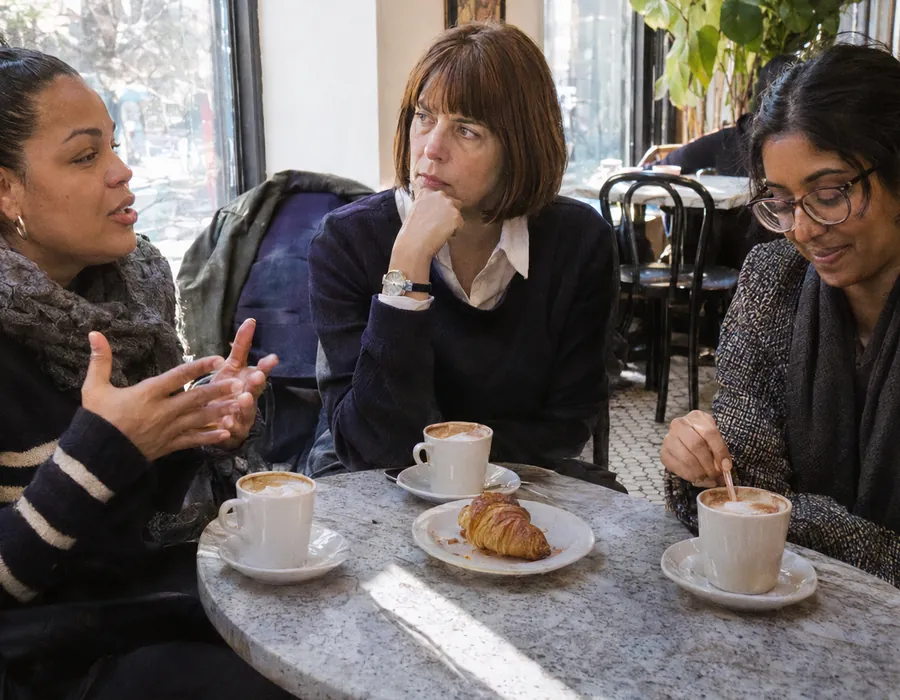 Coffee & conversationA friendship circle for people who enjoy cafés and unhurried conversation in New York. Low-pressure first meetings in small groups, close to home.
 Walkers & runnersA friendship circle for people who like long walks, early runs and park and waterfront paths in New York. Find regular company at your own pace.
 Art & cultureA friendship circle for galleries, museums, theatre and live music in New York. Find people to see shows and exhibitions with.
Where to meet in New York
Public places picked for small groups of 3 to 10, sorted by interest and area.
Keep reading
 FriendshipFriendsgiving in New York: how to spend Thanksgiving with friends when your family is far away
 IdeasWinter in New York with friends: ice skating, holiday markets and the plans that make the cold months the friendliest of the year
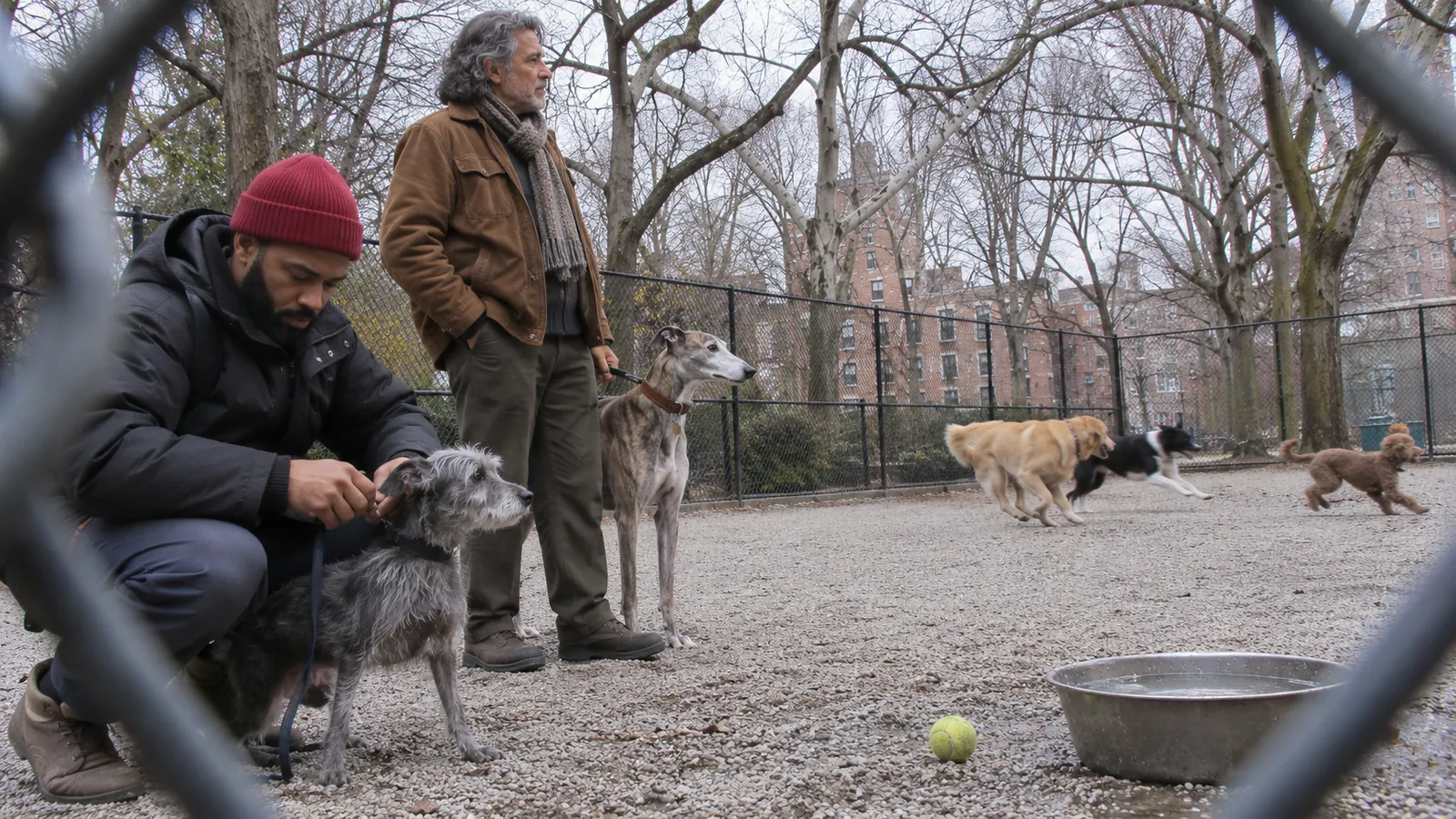 IdeasPet lovers in New York: how dog runs, park mornings and shelters bring animal people together
 IdeasBook lovers in New York: how the city’s libraries and bookshops turn readers into friends
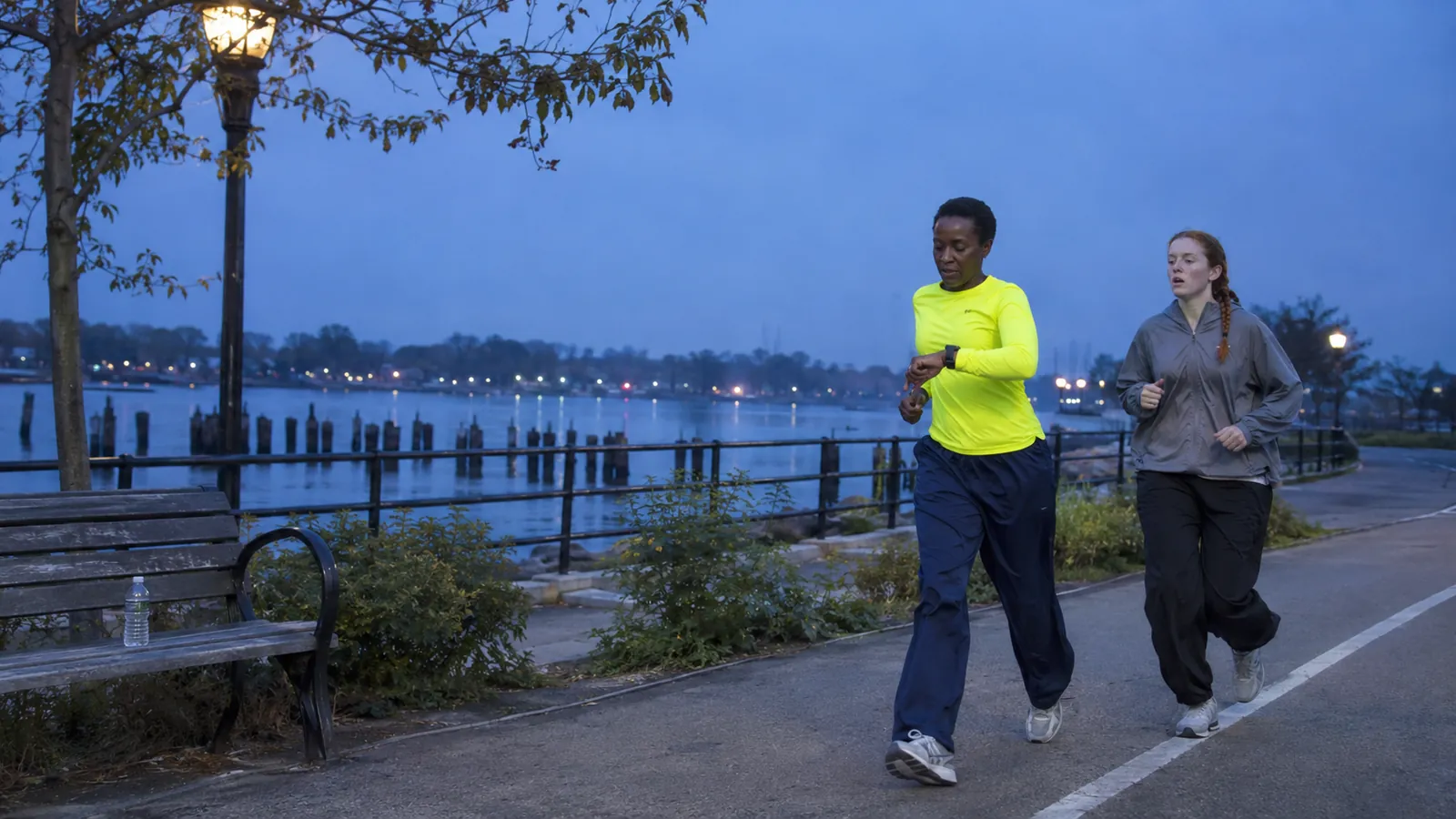 IdeasRunning with friends in New York: how Prospect Park and the Hudson River Greenway turn early miles into friendships
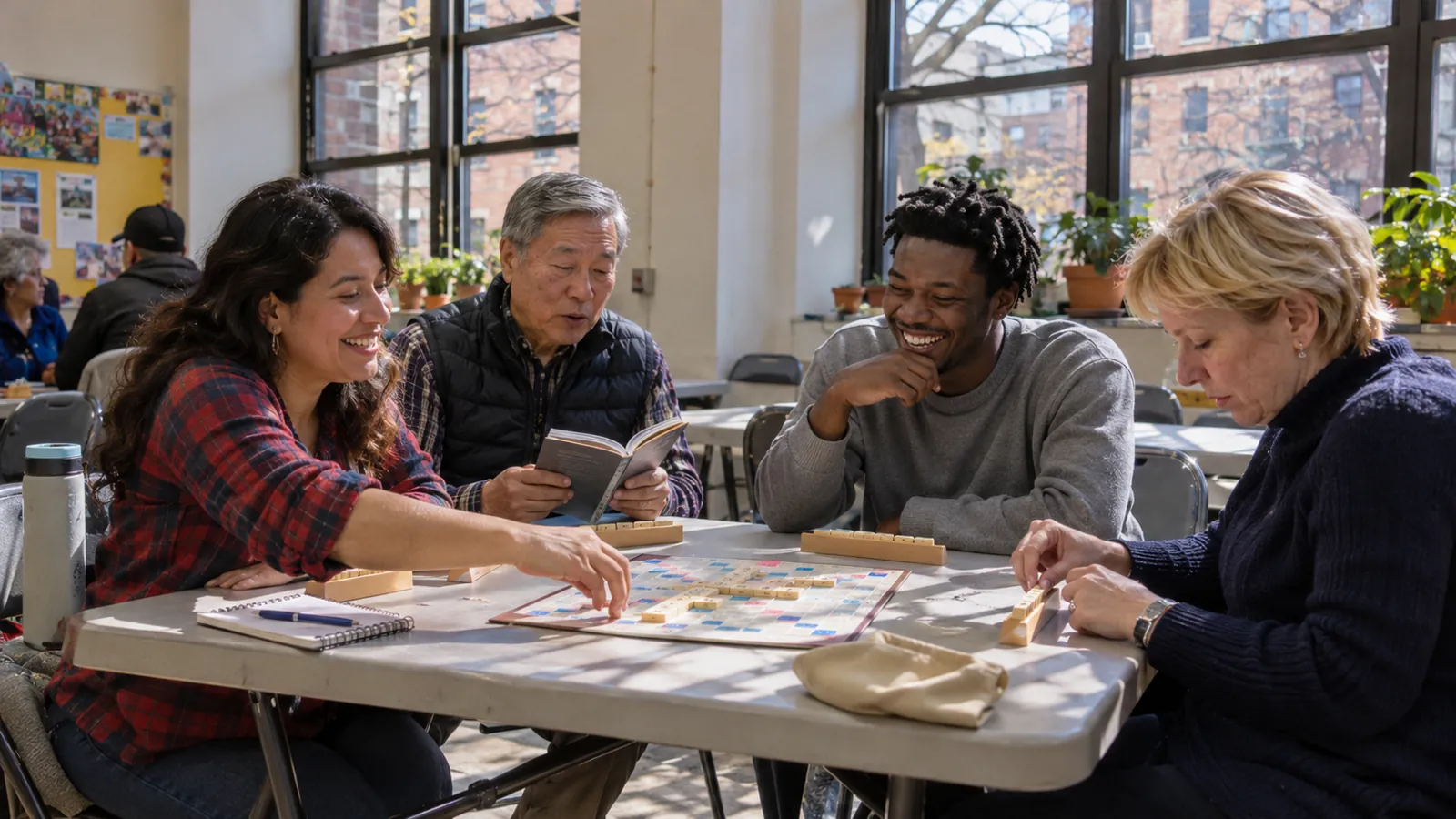 IdeasBoard games and language exchange in New York: the easiest way to talk to strangers
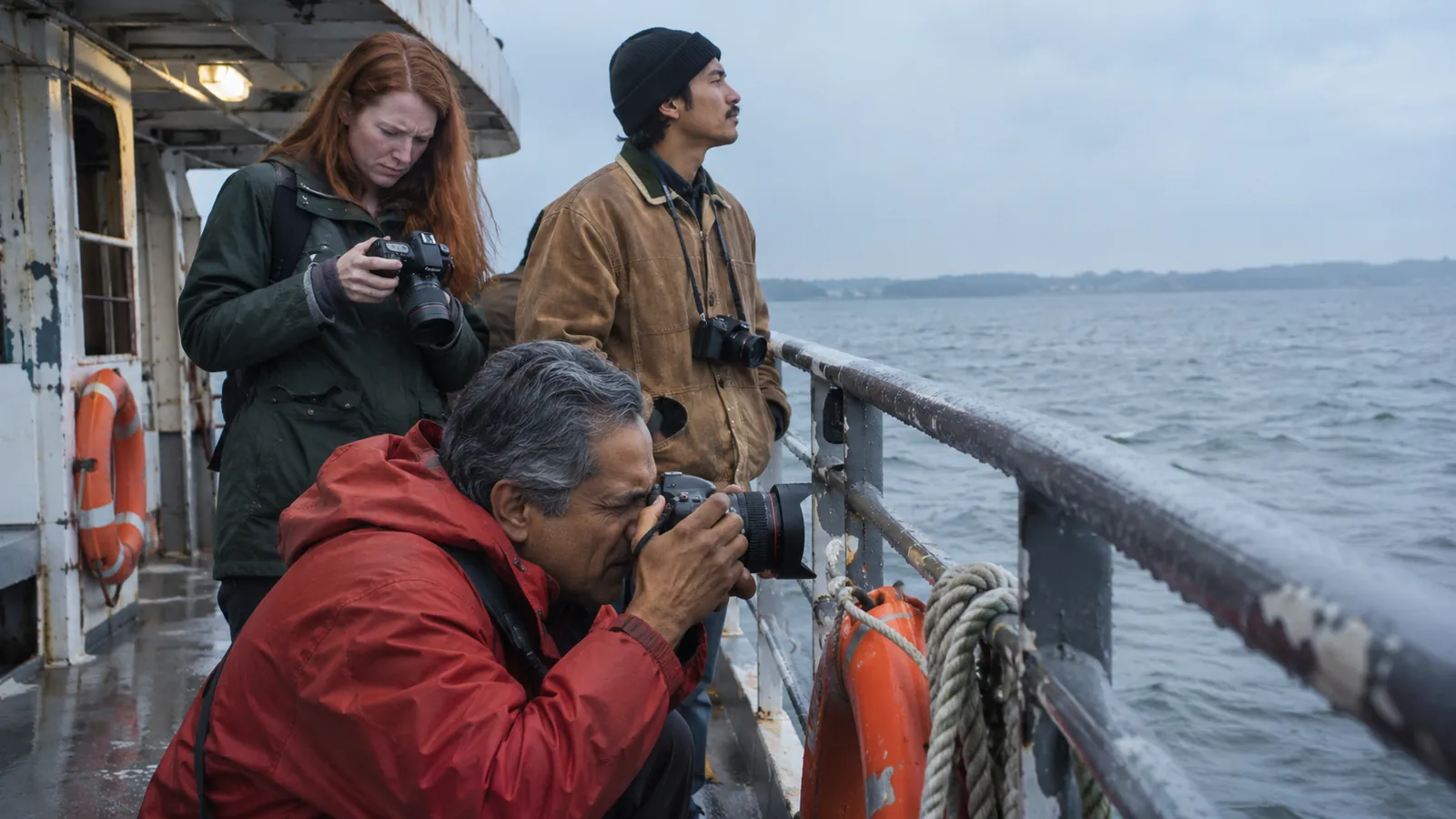 IdeasBrooklyn Bridge, DUMBO and the waterfront: New York photo walks with friends
 FriendshipMaking friends in New York as a woman: finding your people in a city of millions
 IdeasFood halls and neighbourhood food in New York: how sharing a table builds friendships
 IdeasNew York museums with friends: why the city’s great galleries are better in a small group
 IdeasCentral Park and the best walks in New York to share with friends
 New in townNew in New York: how to build a social life in your first months
 FriendshipHow to make friends in New York as a grown-up
 NewsTruFriend is now open in New York