Yousef had known Fahad and Bader since university, and for years their evenings followed the same script. A café in Salmiya, the same corner table, the same three subjects: work, traffic and football. But one Thursday in October Yousef noticed that he could have predicted the whole conversation before they sat down, and that Bader, who had recently changed jobs and seemed a little lost, had said almost nothing all night. They were together, but they were not really talking.
On the drive home he passed the lit-up museum buildings on the Gulf Road and remembered a school trip, years ago, to a place he had not set foot in since. The next morning he sent the group a message that felt slightly ridiculous to type: “Saturday afternoon, museum, then coffee. I’m paying for the coffee.” Fahad replied with three laughing faces. Bader replied, “Actually, yes.”
That small plan turned into something none of them expected: a monthly habit of going to look at things together. It changed what they talked about, and, slowly, how well they knew one another.
Why looking together gives conversation a topic
There is an old observation that many friendships between men happen side by side rather than face to face: on a walk, at a match, working on a car. It applies to women and to mixed groups of friends just as well. When two people sit across a table with nothing between them, the conversation has to supply itself, and that can be tiring, especially with someone new or someone going through a quiet patch. When there is something in front of you both, a painting, a model of the solar system, a carved wooden door from another century, the pressure lifts. You are not performing. You are just looking, and saying what you notice.
That is the quiet gift of a museum or a performance. It hands the group a shared subject that nobody brought from home. Somebody wonders aloud how old a manuscript is. Someone tells a story about their grandfather that a particular object reminded them of. Within an hour you have learned more about each other than in a month of the usual café conversation, and nobody had to ask a single personal question.
There is a second benefit. Shared experiences become shared references. After a few outings, a group has its own private library of moments, the robot that waved, the singer who forgot a line, the coffee afterwards where everyone argued about the ending. Those references are a large part of what makes a group feel like your group.
A science museum on the Gulf Road
Their first stop was the Sheikh Abdullah Al Salem Cultural Centre, on the seaside Gulf Road, built on the site of the old Abdullah Al-Salem school. It opened in 2018 and brings together several museums under one roof, covering the natural world and dinosaurs, space, transport and robotics, the human body and mind, and the contributions of Arab and Islamic scientists. It is often thought of as a place for families, but grown-ups visiting together get just as much out of it.
What surprised Yousef was how naturally the conversation flowed. Fahad, an engineer, could not walk past a machine without explaining it. Bader, who had always been the quiet one, turned out to know a great deal about the history of astronomy in the Islamic world, and lit up in a way the others had not seen in months. They lingered far longer than planned at a display of early instruments, with Bader doing most of the talking.
A science museum works well for a first outing precisely because it is interactive. There are things to press, try and puzzle over, which suits friends who are not yet comfortable standing in silence in front of a painting.
An evening at JACC
The second month, it was Fahad’s turn to choose, and he picked a performance at the Sheikh Jaber Al-Ahmad Cultural Centre, known to most people simply as JACC. Also on the Gulf Road, it opened in 2016 and has grown into the country’s main home for the performing arts, with a national theatre, a drama theatre, a concert hall, a cinema and an outdoor amphitheatre among its venues. Its programme runs as a season, and the 2026 to 2027 calendar is published on its own website, mixing Arabic music, Kuwaiti theatre, international concerts and family shows.
A performance is a different kind of shared looking. You cannot talk during it, which is exactly the point. For an hour or two everyone in the group is absorbed in the same thing, and the conversation saves itself for afterwards. The walk back to the car park, and the coffee that followed, lasted longer than the show. Did that scene work? Why did the audience laugh there? Bader compared the hall to one he had visited in Europe, a trip Yousef had never once heard him mention.
A practical tip from that evening: book together, and sit together. Choose the show as a group, so everyone has a small stake in it. And plan the coffee afterwards from the start, so the evening has a second half. The performance gives you the topic. The coffee is where the friendship happens.
Old objects, new conversations
By the third month, the outings had a small following. A colleague of Yousef’s asked to come along, and Fahad brought his sister and her friend, so the group was now six, with a mixed group meeting, as it always did, in public places. The choice that month was Dar al-Athar al-Islamiyyah, the Kuwaiti institution known for its collection of art from the Islamic world. While the national museum complex that once housed its galleries is being rehabilitated, it operates from two locations: the Amricani Cultural Centre, in a historic building that was once a hospital, and the Yarmouk Cultural Centre.
The Amricani is a particularly good place for a small group. It is calm, the rooms are on a human scale, and its displays range from ancient Arabian heritage to the modern architecture of Kuwait, which sparked a long and friendly debate about which buildings in the city the group would most like to see preserved. Dar al-Athar al-Islamiyyah also runs an annual Cultural Season of lectures, concerts and events, now in its thirty-first edition. A lecture is a lovely format for friends: an hour of listening, followed by questions you can carry on discussing over dinner.
The galleries changed the tone of the group. Old objects invite slower conversation. Standing in front of a piece of calligraphy or a patterned tile, people talk about patience, craft, family homes, the things their grandparents kept. That is how a group of acquaintances begins to see one another as people.
Making culture a habit, not an occasion
The reason Yousef’s plan worked was not any single museum. It was the rhythm. Once a month, on a set weekend, someone different chooses the place, and coffee always follows. A habit like this needs little organising and quietly supplies what friendship depends on most: seeing the same people again and again, with something good to talk about.
A few lessons the group learned along the way. Keep the visit short, an hour or two is plenty, and stop before anyone is tired. Pick one gallery or one theme, and linger. Check opening times and booking on each venue’s own website before you go, because programmes and hours change through the year. Mix the formats: a museum one month, a performance the next, a small independent gallery or a lecture after that. Let the quieter members choose too; some of the best outings come from them.
Above all, leave room for the conversation afterwards. The museum is the starting point. The friendship is built over the coffee, the walk to the car and the message the next day that says, “Remember that door? I looked it up.”
Where TruFriend fits
Not everyone has a Fahad and a Bader to message on a Thursday night, and not everyone’s old friends are keen on museums. That is the gap TruFriend is built for. It is an invite-only friendship platform, for friendship only, for grown-ups aged 18 and over, and it is open in Kuwait City. Tru, our assistant, gets to know what you enjoy and when you are usually free, then introduces you to a few compatible people nearby, with the reasons you might get along. A conversation only opens when both of you say yes, and every plan happens in a public place. The Art and culture circle gives you a small, regular group of three to ten people who would rather spend a Saturday afternoon in a gallery than scrolling at home.
Yousef, for what it is worth, still meets Fahad and Bader at the same café in Salmiya. They still talk about traffic. But now they also talk about the next outing, and whose turn it is to choose. Bader has chosen twice. If a monthly visit somewhere interesting, with a few good people, sounds like your kind of habit, request an invite and we will send you a personal invitation.
Don’t just read about it
Join a circle of people in Kuwait City who enjoy the same things. Members already on TruFriend can join from the app or suggest a plan in any chat.
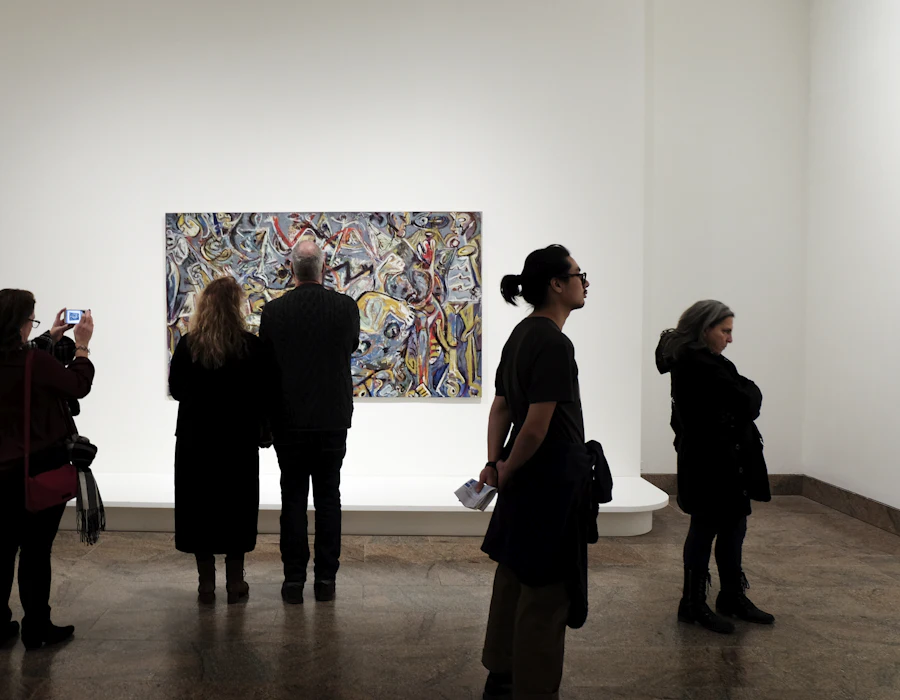 Art & cultureA friendship circle for galleries, museums, cinema, theatre and live music in Kuwait. Find people to see shows and exhibitions with.
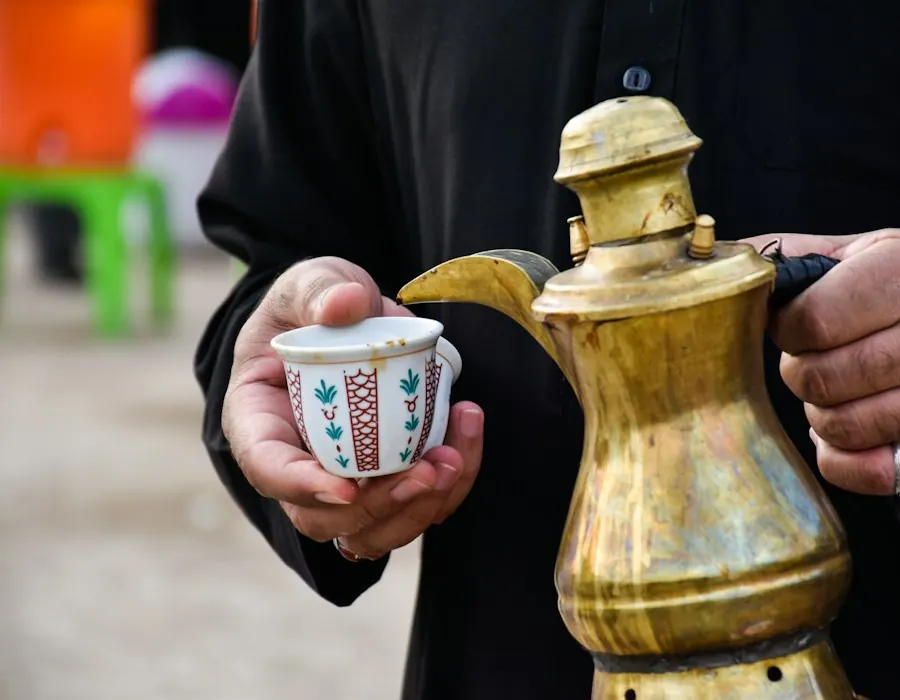 Coffee & conversationA friendship circle for people who enjoy cafés and unhurried conversation in Kuwait. Low-pressure first meetings, close to home.
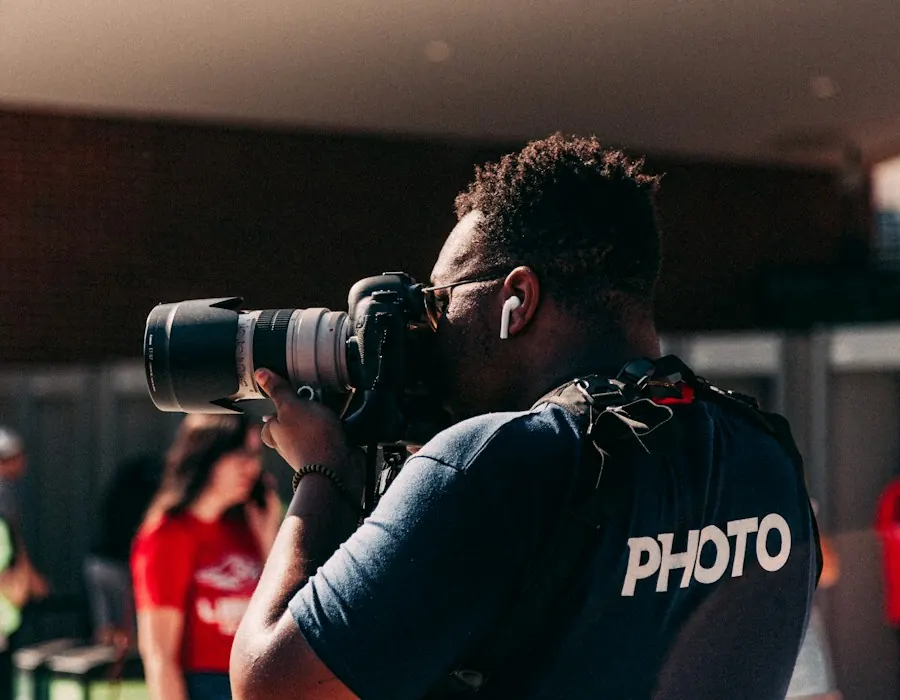 Photo walksA friendship circle for photographers of every level: explore Kuwait’s skyline, seafront and old souq together.
Keep reading
 FriendshipFriends, when Fridays and weekends belong to family
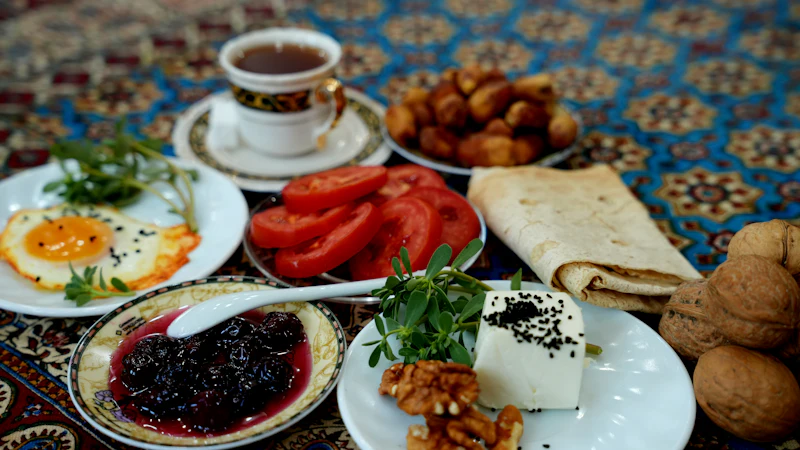 IdeasWhere people meet in Salmiya, Kuwait City and beyond: friendship within 15 minutes of home
 IdeasAn evening in Souq Al-Mubarakiya with new friends
 FriendshipWhat the diwaniya teaches about friendship, and how to build your own weekly table
 FriendshipHow to make friends in Kuwait as a grown-up
 IdeasWinter in Kuwait: outdoor plans for a new circle
 IdeasKuwait’s café culture, and where a small group can really talk
 New in townNew in Kuwait: making friends after the move